In a landmark ruling that could reshape the landscape of corporate liability, a King County judge in Washington state has cleared the way for a first-of-its-kind wrongful death lawsuit to proceed against the world’s largest fossil fuel companies. The case, brought by Misti Leon, centers on the death of her mother during the unprecedented Pacific Northwest "heat dome" of June 2021, an event scientists have categorized as a direct consequence of anthropogenic climate change. By denying motions to dismiss filed by Exxon Mobil, BP, Chevron, Shell, and other industry giants, the court has signaled that the legal theory linking corporate climate deception to individual fatalities holds sufficient merit to move toward a full trial.
The litigation represents a significant escalation in the decades-long effort to hold the fossil fuel industry accountable for global warming. While previous lawsuits have largely focused on infrastructure damage, consumer fraud, or the costs of municipal adaptation, Leon’s case introduces a deeply personal and visceral dimension: the claim that the industry’s historical suppression of climate science led directly to the loss of human life.
The 2021 Heat Dome: A Meteorological and Human Crisis
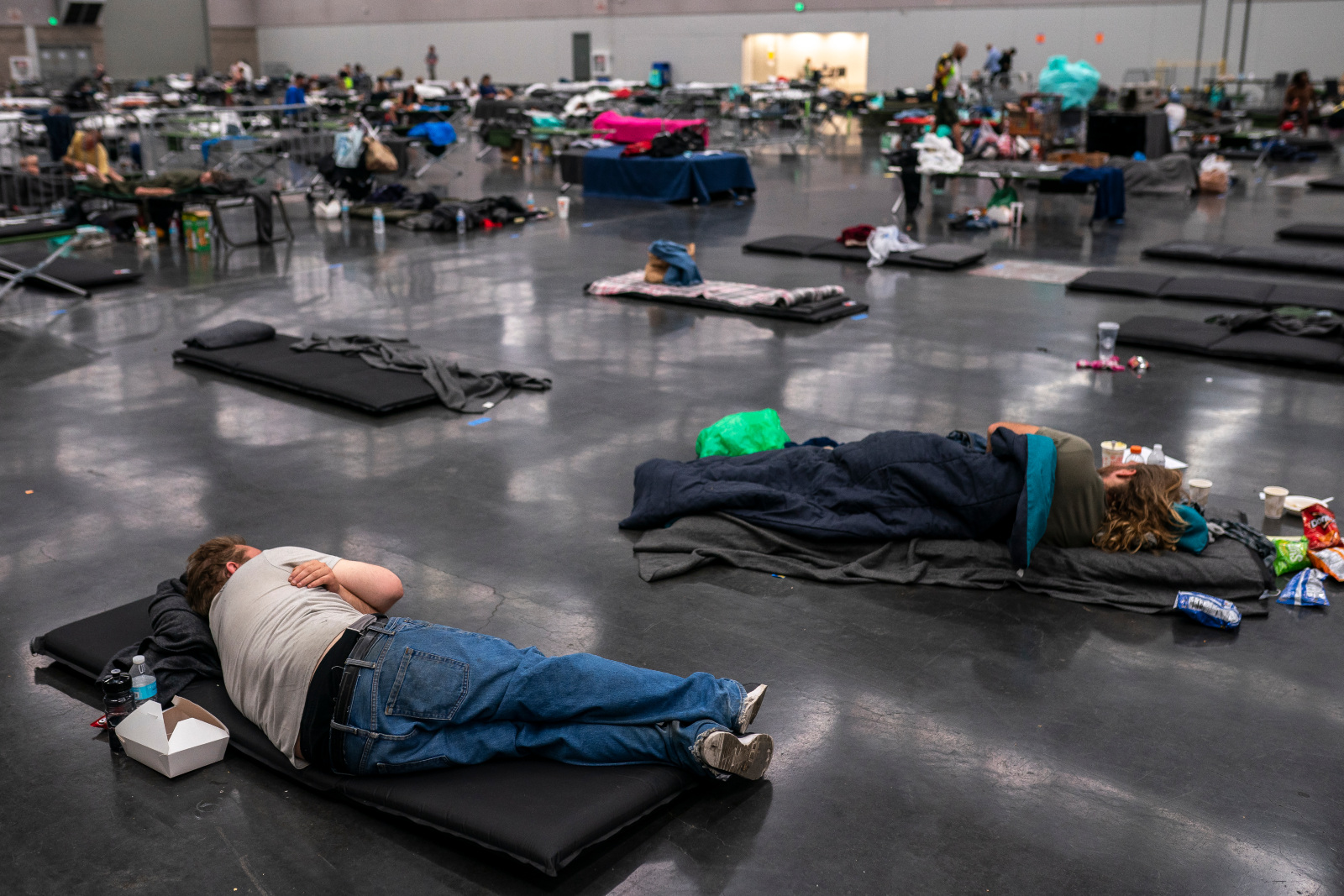
The event at the heart of the lawsuit occurred in late June 2021, when a high-pressure system of historic intensity settled over Washington, Oregon, and British Columbia. In Washington, temperatures shattered previous records, reaching a staggering 108 degrees Fahrenheit in areas unaccustomed to such extremes. The human toll was catastrophic; an estimated 1,200 people across the region perished during that single week.
Leon’s mother was among those victims, dying from overheating on what became the hottest day in Washington’s recorded history. The lawsuit alleges that this death was not an "act of God" or a random weather anomaly, but a foreseeable consequence of the fossil fuel industry’s business model. This claim is bolstered by a growing body of peer-reviewed research. A study by the World Weather Attribution group concluded that the 2021 heat dome would have been "virtually impossible" without the influence of greenhouse gas emissions.
The plaintiff argues that the "oil majors" have known since at least the 1970s that their products would cause catastrophic global warming. Internal documents uncovered in previous investigations show that Exxon’s own scientists accurately predicted the warming trends of the 21st century decades ago. Despite this, Leon alleges, the industry engaged in a multi-million-dollar campaign to deceive the public, sow doubt about climate science, and delay the transition to renewable energy—delays that ultimately resulted in the extreme weather that killed her mother.
A Growing National Wave of Climate Litigation
The Washington case is not an isolated incident but rather the latest front in a rapidly expanding legal theater. According to data managed by the Sabin Center for Climate Change Law at Columbia Law School, there are currently nearly 40 climate-related lawsuits pending against fossil fuel companies across the United States.
After years of procedural maneuvers and jurisdictional battles aimed at keeping these cases out of state courts, the industry is beginning to lose its defensive footing. At least five major lawsuits—filed by the states of Massachusetts, Vermont, and Connecticut, along with the District of Columbia and the City of Honolulu—have successfully moved into the discovery phase. This critical stage allows plaintiffs to subpoena internal corporate communications, potentially revealing further evidence of what executives knew about climate risks and when they knew it.
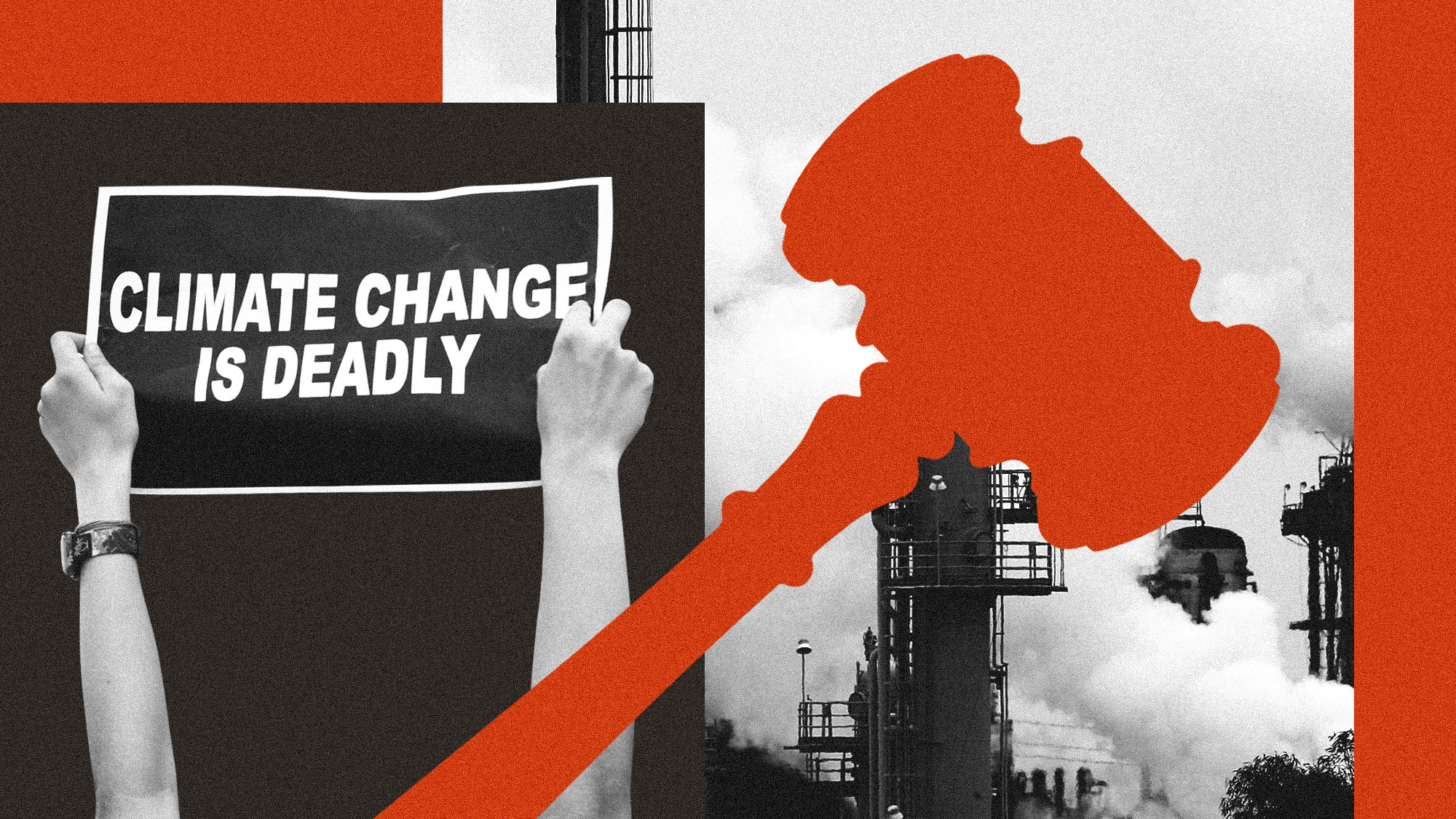
"This is the latest type of legal liability that the oil companies are absolutely terrified of," said Mike Meno, communications director at the Center for Climate Integrity. "They are going to fight like hell to try to escape, because discovery is the last major step before a trial where oil executives would be forced to defend their actions in front of a jury of everyday citizens."
The legal community is also closely watching a pending case from Boulder, Colorado. The city and county allege that Exxon Mobil and Suncor Energy violated state laws by concealing the dangers of fossil fuels, seeking compensation for the rising costs of wildfires, floods, and heatwave mitigation. A Supreme Court ruling on this case, expected later this year, could set a vital precedent for whether such cases can continue in state courts or if they are preempted by federal law.
The Rise of Attribution Science
Central to the success of these lawsuits is the rapidly evolving field of "attribution science." This discipline uses sophisticated climate modeling to quantify the extent to which human-caused emissions have intensified specific weather events. For the first time, scientists can state with statistical confidence that a particular hurricane was wetter, a drought was longer, or a heatwave was deadlier because of the carbon currently in the atmosphere.
A major new report from the National Academies of Sciences, Engineering, and Medicine has recently affirmed the robustness of this science. The report concludes that the links between climate change and extreme weather are increasingly undeniable, particularly regarding temperature extremes and heavy precipitation.
However, the science itself has become a target of political and corporate pushback. The opposition research firm Argus Insight recently attempted to gain access to the internal communications of the National Academies’ panel, seeking to find evidence of bias or coordination with environmental lawyers. Carly Phillips, a senior scientist at the Union of Concerned Scientists, noted that this strategy aims to discredit the evidence before it reaches a courtroom. "The science is really sound," Phillips stated. "The pushback is not against the science itself, but the process, in an attempt to shield these companies from the consequences of their own data."
The Industry Counter-Offensive: Liability Shields and Federal Intervention
Facing a pincer movement of scientific consensus and courtroom losses, the fossil fuel industry has launched a comprehensive counter-offensive. This strategy involves a coordinated effort between the American Petroleum Institute (API), conservative advocacy groups, and Republican lawmakers to create "liability shields."
In states such as Utah, Iowa, Tennessee, Oklahoma, and Louisiana, new laws have been enacted to grant fossil fuel companies immunity from lawsuits related to greenhouse gas emissions. In Montana and Utah, legislators have narrowed the definition of "public nuisance"—the legal theory often used by plaintiffs to sue for climate damages—effectively closing the courthouse doors to many climate-related claims.
On the national stage, the effort has found a powerful ally in the federal government. President Donald Trump, following an executive order aimed at protecting "American energy dominance," has directed the Department of Justice (DOJ) to intervene in state-level climate cases. In May, the DOJ filed a lawsuit against the state of Minnesota, arguing that Minnesota’s attempts to hold oil companies accountable for deception actually constitute an illegal attempt to regulate greenhouse gases, a power the administration claims resides solely with the federal government.
Furthermore, the DOJ’s internal structure has been altered to reflect this shift. The "Environment and Natural Resources Division" has been renamed the "Energy and Natural Resources Division," and its ranks now include former industry counsel. Robert Levy, a long-time lawyer for Exxon, recently joined the division, a move critics argue highlights a revolving door between the industry and its regulators.
The "Big Tobacco" Parallel
Legal experts frequently compare the current situation to the litigation against the tobacco industry in the 1990s. For decades, tobacco companies denied the link between smoking and cancer while privately acknowledging the risks. It was only after internal documents were made public during discovery—and after states began suing to recover healthcare costs—that the industry was forced into a $206 billion settlement.
The fossil fuel industry appears determined to avoid a similar "Master Settlement Agreement." Justin Anderson, a lawyer representing Exxon, admitted during a Federalist Society panel that the industry’s strategy is one of total defense. "I have to win every time," Anderson said. "I have to win every case that is brought. They just need to find one they can get through."
The Washington case represents that "one" case for many activists. Unlike infrastructure cases, which can be seen as abstract or purely financial, a wrongful death case focuses on a specific human tragedy. If a jury finds that an oil company’s deception was a proximate cause of Misti Leon’s mother’s death, it could open a floodgate of personal injury and wrongful death litigation that would dwarf the tobacco settlements in scale.
Chronology of Key Events in Climate Litigation
- 1977-1982: Exxon’s internal scientists conduct research confirming that fossil fuel combustion will cause significant global warming.
- 1989: The Global Climate Coalition is formed by major oil and auto companies to lobby against climate regulations and sow public doubt.
- 2015: Investigations by InsideClimate News and the Los Angeles Times reveal "Exxon Knew," sparking the first wave of modern climate fraud investigations.
- June 2021: The Pacific Northwest heat dome kills 1,200 people; temperatures in Washington reach 108°F.
- 2023: Misti Leon files a wrongful death lawsuit in King County, Washington, against major oil companies.
- 2024: Multiple states, including Utah and Louisiana, pass "liability shield" laws to protect the energy industry.
- April 2024: ProPublica investigation reveals a coordinated effort by Leonard Leo-linked groups to push for industry immunity.
- May 2024: The DOJ sues the state of Minnesota to block its climate accountability lawsuit.
- July 2024: A King County judge denies the motion to dismiss Leon v. Exxon et al., allowing the case to move toward discovery.
- Late 2024: The U.S. Supreme Court is expected to hear arguments regarding the Boulder, Colorado, climate case.
Implications for the Future
The outcome of Leon’s lawsuit and the dozens of others like it will have profound implications for the global economy and the fight against climate change. If the courts establish that fossil fuel companies are liable for the physical harms of global warming, the financial risk to the industry would be existential. This, in turn, could lead to a massive divestment from fossil fuels as insurance companies and investors re-evaluate the risk of backing companies with "unquantifiable" legal liabilities.
Conversely, if the industry-backed "liability shields" hold or if the Supreme Court rules in favor of federal preemption, the burden of climate change costs—estimated to be in the trillions of dollars for infrastructure alone—will remain squarely on the shoulders of taxpayers and individual victims.
As Misti Leon’s case moves into the discovery phase, the world watches to see if the courtroom will become the ultimate arbiter of climate responsibility. For the families of those lost in the 2021 heat dome, the case is not about policy or economics; it is about the simple, fundamental legal principle of whether a company can be held to account for the lethal consequences of a product it knew to be dangerous.