Ahead of World Drowning Prevention Day on 25 July, the World Health Organization (WHO) is launching a new technical package designed to empower governments and communities worldwide with proven strategies to significantly reduce drowning fatalities. This initiative arrives at a critical juncture, as drowning continues to claim a devastating toll globally, exacerbated by the escalating impacts of climate change.
The Alarming Reality of Drowning Deaths
Globally, drowning remains a pervasive and often overlooked public health crisis, with an estimated 300,000 lives lost each year. The grim statistics highlight the vulnerability of specific age groups and geographical regions. Drowning ranks among the ten leading causes of death for children aged 5 to 14 years, a stark reminder of the urgent need for preventative measures. The majority of these preventable deaths, exceeding 90%, occur in low- and middle-income countries, underscoring the disproportionate burden faced by these nations. Water bodies such as rivers, lakes, wells, and even domestic water storage containers and swimming pools are frequently the sites of these tragedies.
Climate Change: A Growing Threat to Water Safety
The escalating climate crisis is casting a long shadow over water safety, directly contributing to an increased risk of drowning. As extreme weather events like floods, storms, and heatwaves become more frequent and intense, the likelihood of drowning incidents escalates. Scientific research has established a clear and concerning correlation between rising global temperatures and drowning deaths. For instance, studies conducted in the United Kingdom have revealed a significant uptick in drowning fatalities, with an increase of 7.2% for every one-degree Celsius rise in temperature. The risk is amplified during periods of extreme heat, with drowning deaths reported to be nearly five times higher on days when temperatures exceed 25°C compared to cooler days below 10°C. This data points to a direct and measurable impact of climate change on drowning fatalities, demanding urgent adaptation and mitigation strategies.
The PROTECT Framework: A Blueprint for Prevention
In response to this pressing global challenge, the WHO is introducing the "PROTECT" technical package. This comprehensive framework translates the vision of the first-ever Global Strategy for Drowning Prevention, launched in 2025 by the WHO-hosted Global Alliance for Drowning Prevention, into practical, actionable policy guidance. Dr. Tedros Adhanom Ghebreyesus, WHO Director-General, emphasized the preventable nature of these tragedies, stating, "Every drowning is a tragedy, and most are preventable." He further elaborated on the significance of the PROTECT strategies, noting, "The seven PROTECT strategies give countries practical, evidence-based approaches to prevent these tragedies, including making water transport safer, teaching school kids to swim, and preparing for floods. Drowning prevention isn’t the job of one ministry; it belongs to everyone, and the lives it saves are the reward."
The PROTECT package offers policy-makers concrete, evidence-informed recommendations across seven interconnected domains, designed to bolster safety measures around water. While the specific seven strategies are not detailed in the provided text, the announcement implies a holistic approach encompassing various aspects of drowning prevention. These likely include measures related to:
- Water Safety Infrastructure: Enhancing the safety of public swimming pools, recreational water bodies, and ensuring safe design and maintenance of water-related infrastructure.
- Childcare and Supervision: Implementing policies and promoting practices that ensure adequate supervision of children in and around water.
- Lifesaving Skills Education: Promoting widespread access to swimming lessons and water safety education for children and adults.
- Safe Water Transport: Developing and enforcing regulations for safe boating practices, personal flotation devices, and awareness campaigns for those using water for transportation.
- Flood Preparedness and Response: Strengthening community preparedness for floods, including early warning systems, evacuation plans, and public awareness campaigns about flood risks.
- Alcohol and Drug Use Prevention: Addressing the role of alcohol and drug impairment in drowning incidents, particularly in recreational settings.
- Community Engagement and Awareness: Fostering a culture of water safety through public awareness campaigns, community-led initiatives, and the involvement of local stakeholders.
Ghana: A Beacon of Commitment in Drowning Prevention
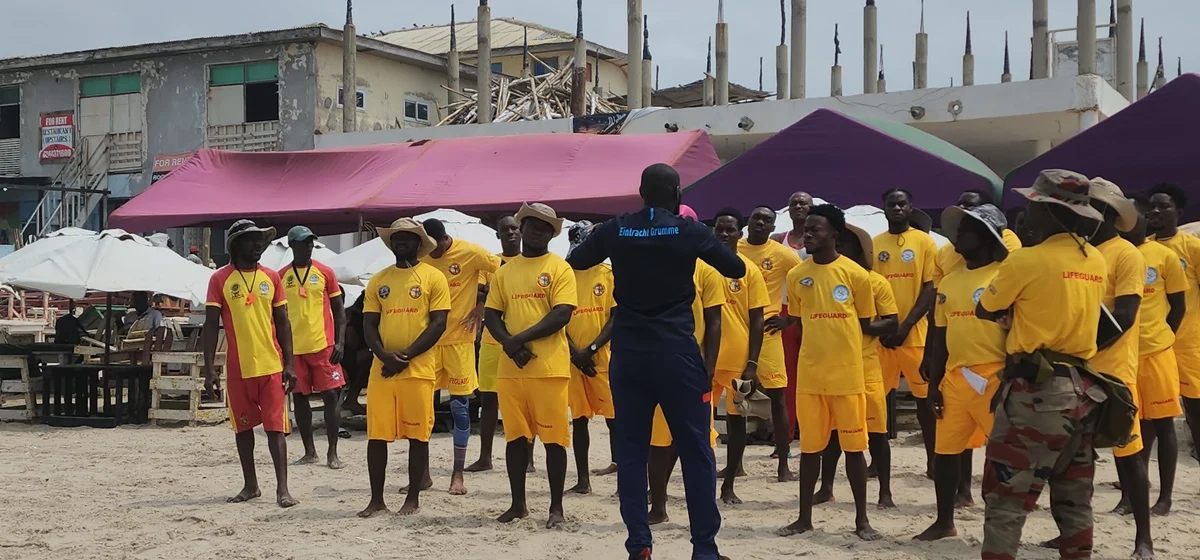
The launch of the PROTECT package is being spotlighted in Ghana, a nation demonstrating a growing political commitment to drowning prevention and actively working to enhance water safety measures. In Ghana, drowning is a significant public health concern, with an estimated 1,100 deaths occurring annually. This translates to an alarming rate of approximately three deaths per day, with children and young adults bearing a disproportionate burden of these fatalities. The choice of Ghana as a launch site underscores the country’s increasing leadership in tackling this preventable tragedy and serves as an inspiration for other governments to adopt similar evidence-based policies.
This initiative in Ghana builds upon more than a decade of collaborative efforts between the WHO, governments, and various partners aimed at advancing evidence-based drowning prevention strategies globally. The commitment from organizations like Bloomberg Philanthropies, a long-standing partner of the WHO in drowning prevention since 2014, is crucial for the successful implementation of these life-saving interventions.
Broader Impact and Future Outlook
The PROTECT technical package represents a significant step forward in the global fight against drowning. Dr. Kelly Henning, who leads the public health program at Bloomberg Philanthropies, lauded the WHO’s leadership, stating, "This framework will save lives while building on the progress governments around the world are making to prevent drowning deaths in their countries. Bloomberg Philanthropies has worked with governments worldwide to implement proven, effective strategies that reduce drowning deaths. We applaud the World Health Organization for its leadership on this issue and look forward to continuing to support it and local governments as they use the PROTECT technical package."
The broader implications of this initiative are far-reaching. By providing a standardized, evidence-based framework, the WHO aims to foster a more coordinated and effective global response to drowning. The package is expected to guide national policy development, inform resource allocation, and encourage cross-sectoral collaboration. The theme for this year’s World Drowning Prevention Day, "Unite to turn the tide," encapsulates the urgent need for collective action. This call to unity resonates across governments, communities, and various sectors, emphasizing that the eradication of drowning is a shared responsibility.
The success of the PROTECT package will ultimately depend on its widespread adoption and diligent implementation by national governments and local communities. As climate change continues to pose an existential threat, and with drowning remaining a leading cause of preventable death, this WHO initiative offers a beacon of hope and a tangible roadmap towards a safer future for all. The commitment of international partners, exemplified by Bloomberg Philanthropies, provides a critical foundation for scaling up these vital drowning prevention efforts. The ongoing collaboration between global health organizations, national governments, and local stakeholders is paramount in ensuring that the PROTECT framework translates into tangible reductions in drowning fatalities worldwide.