Confirmed measles cases in the United States have reached a 35-year high by mid-July, signaling a potentially prolonged period of resurgence for the highly contagious disease. The current year’s case count, combined with that of the previous year, has already surpassed the total number of cases reported over the preceding 25 years. This alarming trend is primarily driven by domestic outbreaks, fueled by declining vaccination rates, a stark departure from decades of progress in controlling the virus.
For the first time in a quarter of a century, the U.S. is no longer meeting a key criterion for having eliminated measles as a public health threat. This status is contingent on the ability to contain outbreaks, preventing them from persisting beyond a single year. However, an outbreak in Utah, which began in June 2025, has now extended well beyond this threshold, underscoring the severity of the current situation.
The human cost of this resurgence is significant. Nearly 400 individuals have been hospitalized with measles in the U.S. over the past two years. Tragically, three deaths have been reported, and at least three other individuals have suffered severe complications, including brain swelling, leading to lingering neurological symptoms.
In response to the escalating crisis, the Centers for Disease Control and Prevention (CDC) is finalizing a comprehensive study examining the nation’s measles situation, drawing data from January 2025 through June 2026. This in-depth analysis is expected to provide crucial insights into the drivers of the current outbreaks and inform future public health strategies.
A CDC scientist, who spoke on condition of anonymity due to concerns about potential retaliation, confirmed the ongoing transmission. "I don’t think we could say with a straight face that there hasn’t been transmission over the past 12 months," the researcher stated. This internal report will undergo review by a national committee of measles specialists before being submitted to the Pan American Health Organization (PAHO). PAHO plays a pivotal role in evaluating the measles elimination status of countries across the Americas.
While PAHO’s official decisions are scheduled for an annual meeting this fall, many public health experts believe the outcome is all but certain. "The assessment for elimination isn’t until November, but that is a scheduling issue, basically," commented Anne Schuchat, who formerly led the CDC’s immunization and respiratory disease group from 2006 to 2015. "It’s just so sad, because some people will get brutally ill," she added, characterizing the return of measles as a critical "wake-up call."
The Human Toll: Pediatricians on the Front Lines
Pediatricians across the United States, particularly in regions experiencing significant outbreaks like Utah, have found themselves on the front lines of this renewed public health challenge. Their firsthand accounts reveal the devastating impact of measles on children and the immense strain on healthcare systems.
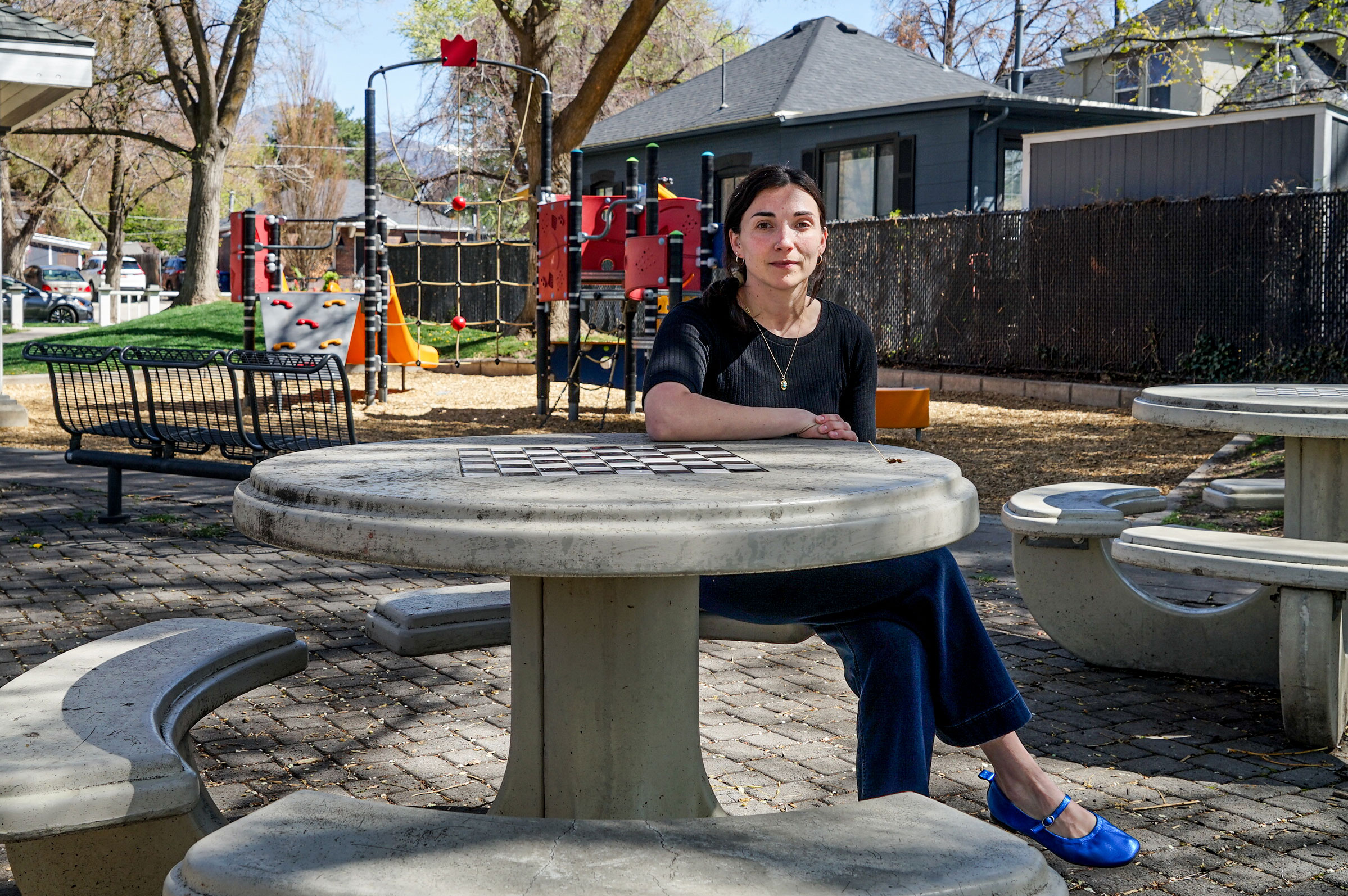
Emilie Morris, a hospital pediatrician serving Salt Lake and Utah Counties, described the harrowing symptoms of children admitted with measles. "When children come in, they’re often bent over," she explained. "We call it tripoding, which is particular to upper respiratory infections and airway swelling. They have a rash – viruses cause rashes all the time – but in this context, the kid is hunched over, mouth open, drooling, crying, maybe not even producing tears, because they’re so dehydrated. Really labored breathing, kind of tugging in their belly, tugging between their ribs. Their eyes look kind of glazed over. It’s like they’re seeing through you."
The medical approach to unvaccinated children with measles requires heightened vigilance. Nathan Money, also a hospital pediatrician in the same counties, emphasized the necessity of aggressive medical intervention. "If the child has a fever or trouble breathing, and they’re unvaccinated, I have to be way more aggressive from a medical standpoint, because they are at higher risk of having life-threatening illnesses," Dr. Money stated. "I have to do more blood work, or lumbar punctures to rule out meningitis. I have to do things which are painful, and it’s traumatic for the families." He often explains to parents, "Because your child doesn’t have vaccines, I have to be more worried about conditions like sepsis or meningitis, so therefore I need to do more workup. The last thing I want to do is miss something. These are parents who love their children. They always tell me, ‘Do what you need to do to make sure my child is safe.’"
The Cycle of Vaccine Hesitancy and Misinformation
The resurgence of measles is inextricably linked to a complex web of vaccine hesitancy, misinformation, and eroding trust in public health institutions. Pediatricians are grappling with parents who, often influenced by social media or anecdotal evidence, have become reluctant to vaccinate their children.
Trahern W. Jones, a pediatric infectious disease specialist in Salt Lake City, shared a poignant case involving a child with a severe cough. "I’m coming into a room and just hearing the most awful barking cough, just a cough and a high-pitch stridor as the child is trying to breathe," Dr. Jones recounted. "And he’s just coughing so hard it just makes you feel short of breath. He looks like he’s been beaten down for days, but he can’t rest, because the cough keeps him awake."
The parents in this instance claimed they were not "anti-vaccine" but had paused vaccinations due to a perceived negative reaction in someone they knew. They had intended to catch up later. In another disturbing account, a parent expressed shock at the severity of measles, admitting their only prior understanding of the disease came from their grandmother’s accounts of childhood measles decades ago. This highlights a generational disconnect and the diminishing of perceived risk associated with once-common, vaccine-preventable diseases.
The emotional and financial toll on families is also immense. Dr. Morris described a situation where an uninsured family faced significant healthcare costs for their hospitalized child. "One child was from a family that was uninsured because they didn’t feel that they would need to use the medical system," she said. "They were faced with the high burden of cost of our healthcare system. The cost was playing into the parents’ decision on whether or not their child should receive necessary medical care." Dr. Morris reassured the family, "Please don’t go home. Your child needs oxygen. She has pneumonia. We will figure out a way to pay for this, because we acknowledge what we do is expensive." This situation also led to recommendations for quarantine for the child’s unvaccinated siblings, emphasizing the broader community risk.
The breakdown in trust between physicians and families is a recurring theme. Dr. Morris observed, "It’s pretty indicative of the breakdown of trust between physicians and families. I say, ‘This is the gravity or severity of your child’s situation and how serious we need to be about protecting other people.’ It’s frustrating. How can I make people understand I have a very genuine concern for their child? And I know they share that concern, but maybe it’s not the same degree of concern, because they don’t understand the illness and how severe it can become."
Dr. Money echoed this sentiment, calling it "heartbreaking to see these children struggling to survive when measles could have been easily prevented by a safe mechanism that is readily available and well studied." He lamented, "These are well-meaning parents who love their children, who have gotten bad information from federal leadership or from online sources. The saddest part to me is when I am caring for a child and the parent says, ‘I didn’t know that this could get so bad.’"

Navigating Vaccine Hesitancy: Strategies and Challenges
Pediatricians are employing various strategies to engage with parents who express hesitancy about vaccinations. Tim Duffy, a pediatrician in Salt Lake County, noted that many families are not "aggressively anti-vax" but rather "hesitant," often influenced by information encountered online. "Younger parents who grew up in the digital age have done their research – ‘research’ in quotation marks – for months," he observed. "And they keep getting confirmation of their concerns on social media. They think they’re doing what’s best for their child."
Dr. Duffy employs a direct approach, contrasting individual choices with the collective impact. "I’ve told families: ‘You could do nothing I say as a pediatrician. You could sleep your child on their stomach. You could not put them in a car seat or, when they’re older, not use seat belts. You could do nothing I say, and for your individual child, they will probably be okay. But from my standpoint, where I’m taking care of thousands of kids, within a system that takes care of hundreds of thousands of kids, we will have bad outcomes. These children will show up at our facilities, and it’s so sad.’"
Common concerns cited by parents include the perceived link between vaccines and autism, and a desire for a "natural" lifestyle. A pediatrician in southern Utah, who requested anonymity due to past harassment from anti-vaccine activists, addressed the autism concern directly. "I’ve told them that I’d be very concerned if there was any evidence that what we’re doing is causing autism," they stated. "But if vaccines were causing autism, we should see more cases of autism in vaccinated kids compared to unvaccinated kids, and we’re just not seeing that." When asked if they vaccinated their own children, the pediatrician affirmed, "Knowing what I know, I’m confident giving this to my kids. They’re all vaccinated."
The Politicalization of Public Health
The increasingly politicized landscape surrounding public health interventions, particularly vaccines, has further complicated the efforts to combat preventable diseases. "Vaccines have become a political football," remarked Dr. Jones. "That wasn’t true 20 years ago. But now it’s used to drive a wedge between groups of people, which is unfortunate. Vaccines are one of the main reasons why we don’t have to worry about losing our kids."
The southern Utah pediatrician acknowledged the confusion among parents regarding conflicting information, especially after recent recommendations from federal bodies regarding vaccine schedules. "People don’t know who to believe," they said. "If politics comes up, I tell parents that my messaging on vaccines is not politically motivated." They further elaborated on concerns about the scientific process, noting that changes to vaccine recommendations had been made by a newly selected panel, bypassing established, evidence-based evaluation processes, a stance that has drawn criticism from professional medical organizations.
Ellie Brownstein, a pediatrician in Salt Lake County and president-elect of the Utah chapter of the American Academy of Pediatrics, highlighted the need to maintain open dialogue. "I avoid talking about politics, but what’s being said has added another layer to our work," she noted. When discussing vaccine schedules, Dr. Brownstein prioritizes explaining the scientific rationale and the trust placed in expert consensus. "I explain that I trust these experts over someone without a lot of experience."
Dr. Money emphasized the critical need for consistent, unified messaging from all levels of leadership. "People are not vaccinated, because they’ve lost trust in the medical community," he stated. "They’re placing trust elsewhere. Rebuilding trust is a complicated process, but it comes from consistent messaging at every level, from the pediatrician to local health departments to community leaders, city leadership, district leadership, religious leadership, educational leadership." He called for visible public health campaigns, such as TV commercials and billboards, promoting vaccine safety and the dangers of measles. "Right now, people have to go out of their way to find information from reputable sources."
Charting a Course Forward: Strategies for Rebuilding Trust and Promoting Vaccination
Addressing the resurgence of measles requires a multi-faceted approach focused on rebuilding trust and fostering informed decision-making. Experts advocate for compassionate communication and a commitment to maintaining relationships with families, even those who are hesitant about vaccination.
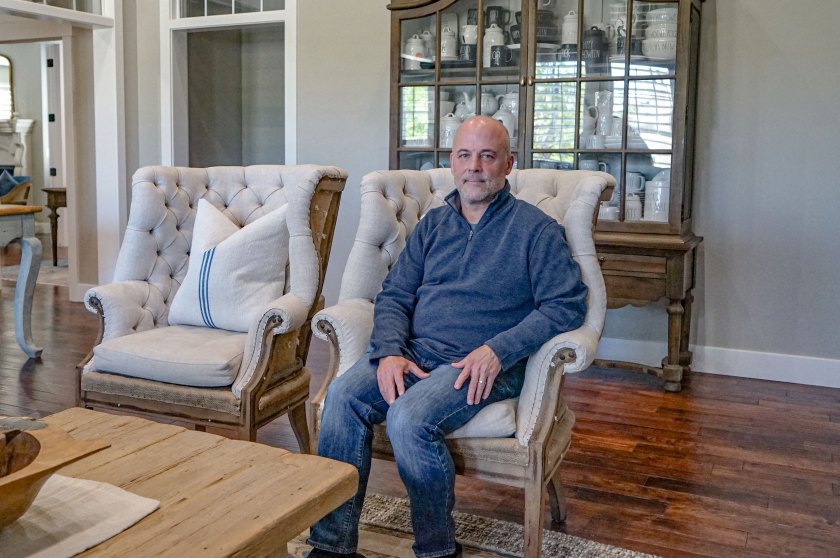
"Approach them with as much compassion as you possibly can," advised Dr. Jones. "Ask open-ended questions to learn about their experiences that led them to have these concerns. I think it’s really important to not come down on them, citing facts and figures and pointing to guidelines on why they need to get their kids vaccinated. But try to direct their attention to the fact that you’re a real person with your own real experiences and knowledge. I point out to families that I have my own kids, and I would never recommend something for your kids that I wouldn’t do for mine."
The southern Utah pediatrician stressed the importance of building bridges. "I’ve learned that if you come down hard, you’re going to lose people who need care," they said. "My number one goal now is to build bridges and maintain a relationship with families, because that’s what’s going to allow me to convince some of them." They described a strategy of gently probing parental reasoning and offering to share their own perspectives. For parents who are unsure, the focus is on addressing their specific concerns and openly discussing potential side effects, framing them within the context of the body’s immune response.
Dr. Brownstein, while acknowledging the challenges, prefers not to exclude unvaccinated children from her practice. "I don’t like the idea of excluding unvaccinated kids from my practice," she stated. "I know some do that. But what that does is it ends any future discussion. I can’t keep talking with parents about vaccines if I kick them out of my practice, and if these parents find like-minded doctors, this situation will get worse."
A Glimpse into the Future: The Return of Preventable Diseases
The experience of frontline pediatricians offers a sobering perspective on the potential for other vaccine-preventable diseases to make a comeback. Dr. Money shared his profound regret, "It’s heartbreaking as a pediatrician and as a father to know that the entire situation could have been easily prevented." He expressed a deep empathy for the terrified children and parents he encounters, struggling to breathe and fighting for survival.
Dr. Duffy carries the weight of responsibility. "Even though parents say vaccination is their choice, I still feel personally responsible if something bad happens that’s preventable, because I feel like I didn’t say the right thing, I didn’t ask the right questions. Maybe I let it drop because of the look on a parent’s face."
Dr. Morris voiced concerns about a broader trend. "I think we’ll see more diseases start coming back that we thought we had gotten rid of," she warned. "I think it’s going to take dramatic changes to actually prevent those outcomes. I’m not necessarily seeing those changes being done by those in power."
Drawing inspiration from literature, Dr. Jones concluded with a message of agency and determination. He finds solace in the understanding that while individuals cannot choose the era into which they are born, they can choose their response. "And if there’s any comfort that I have, it’s in knowing that there are right decisions to make and that I’m going to make them, and I’m going to help others make them, too." The current surge in measles cases serves as a stark reminder of the fragility of public health gains and the ongoing imperative to protect communities through robust vaccination efforts and sustained public trust.