The dining technology platform inKind has introduced a series of targeted "Welcome Back" promotional offers, providing existing users with the opportunity to secure up to $85 in cumulative savings across three distinct restaurant transactions. This development coincides with the return of a high-value partnership with Costco, which is once again offering a $100 inKind dining credit for $64.99. These dual initiatives represent a significant push by the digital hospitality company to incentivize repeat usage and expand its footprint in the competitive restaurant-technology sector.
The inKind platform operates as a digital wallet and payment processor specifically for the restaurant industry. Unlike traditional third-party delivery services, inKind functions as a direct payment portal: diners use the application to settle their bills at participating establishments, with the tip processed separately through a linked credit card. This model allows restaurants to secure capital upfront while providing users with promotional discounts to encourage loyalty to specific venues.
Chronology of the Current Promotions
The "Welcome Back" campaign is structured into three specific, tiered offers, each requiring a separate transaction to redeem. These offers include a $50 discount on bills of $100 or more, a $30 discount on bills of $60 or more, and a $5 discount on bills of $10 or more.
These promotional links are unique to the phone number associated with each user’s account. Following the activation of these links, users have a 30-day window to utilize the discount at an eligible participating restaurant. It is critical for users to note that these offers are not stackable; they must be applied to separate qualifying transactions. Furthermore, because these are re-engagement incentives, users who have previously redeemed these specific promotional codes are ineligible to claim them again.
Simultaneously, the partnership with Costco has been reactivated. Through September 13, 2026, Costco members can purchase $100 inKind digital credits for a discounted price of $64.99, representing an approximate 35% savings. Each member is limited to the purchase of five vouchers, allowing for a total of $500 in dining credit at a cost of $324.95.
Data Analysis and Economic Impact
The underlying mechanics of these promotions reveal a strategic approach to consumer spending. By requiring a minimum spend—for example, $100 to trigger the $50 discount—inKind ensures that the restaurant maintains a specific revenue floor. From a consumer perspective, the effective discount rate fluctuates depending on the total bill size. A $100 bill results in a 50% discount, whereas a $150 bill under the same $50-off offer results in a 33.3% savings.
The Costco credit program provides a different value proposition. By prepaying for credits at a 35% discount, consumers lock in a lower cost-per-dollar for future dining. This model is particularly effective for frequent patrons of the inKind network, as it lowers the barrier to entry for high-end dining experiences.
Historical data from the hospitality sector suggests that such discount programs are instrumental in driving traffic during non-peak hours and introducing customers to new restaurant concepts. For independent restaurants and smaller groups that utilize the inKind ecosystem, this allows for sophisticated revenue management that was previously only accessible to large national chains with dedicated marketing departments.
The Evolution of Stacking Policies
A significant change in the operating environment for inKind users is the tightening of terms and conditions regarding the combination of promotional offers and account balances. In previous iterations of the platform, some users were able to "stack" promotional discounts with pre-purchased credits to cover the entirety of a bill.
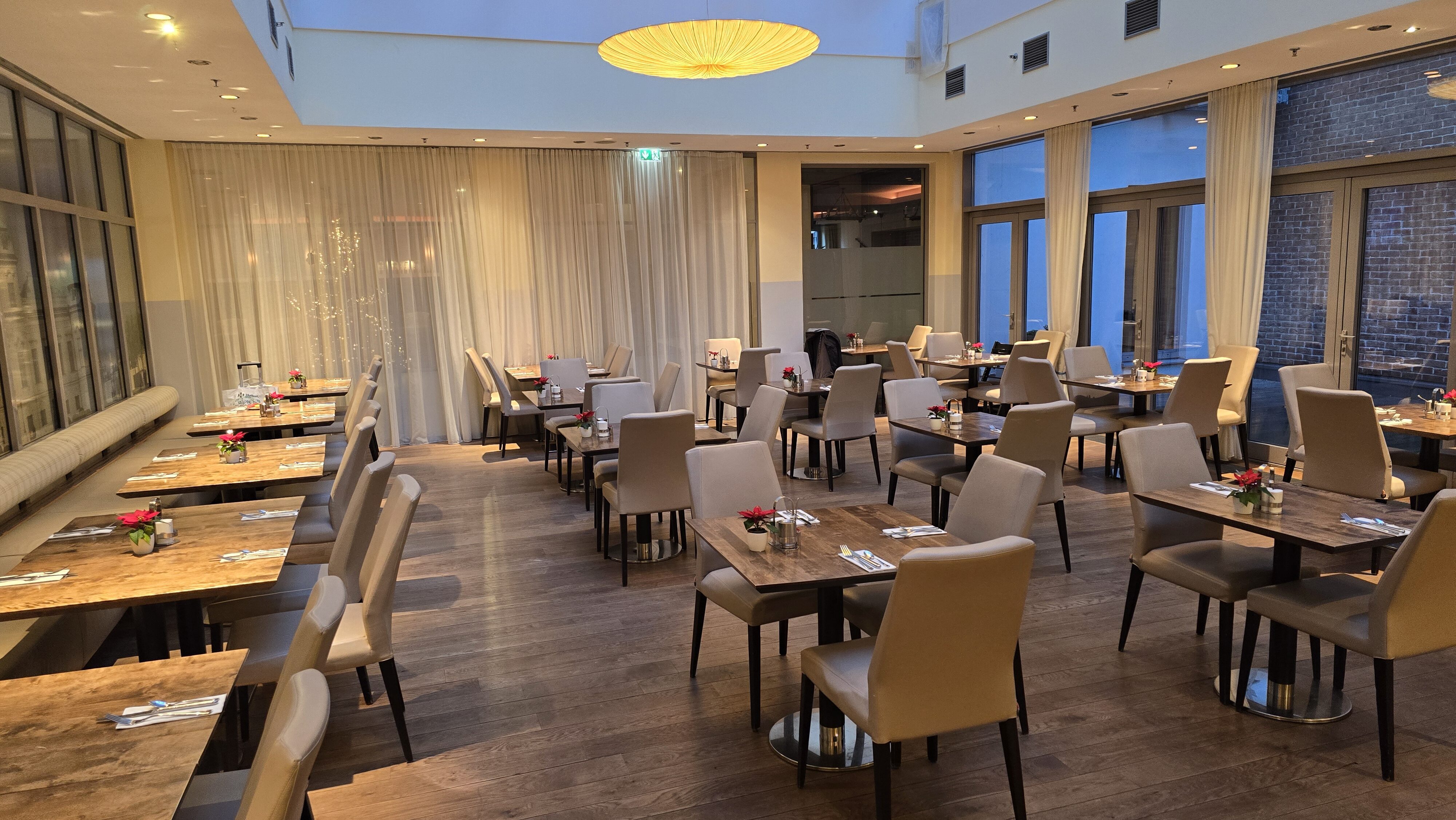
Current company policy explicitly prohibits the use of an inKind balance to pay for the remaining portion of a bill that has been discounted via a promotional offer. Furthermore, the platform mandates a "one offer per transaction" rule. Even in scenarios where a bill is split between two parties, the platform’s current terms of service dictate that only one promotion can be applied per check. This shift suggests an effort by the company to streamline its financial obligations and prevent the over-leveraging of promotional discounts.
Operational Context for Participating Restaurants
For restaurants, the integration of inKind requires a shift in traditional point-of-sale management. Because the app handles the payment processing directly, waitstaff must be trained to facilitate the specific "check-in" and "pay-by-phone" workflow.
Industry analysts observe that this technology is gaining traction primarily in urban centers, where a high concentration of participating restaurants allows for a network effect. In cities such as Austin, Texas, for example, the platform features a diverse range of establishments—from casual dining outlets with family-friendly amenities to higher-end culinary destinations. By diversifying its partner list, inKind has managed to maintain relevance across different consumer demographics.
Strategic Implications for the Dining Industry
The broader impact of these promotional activities is twofold. First, they provide a measurable mechanism for restaurants to track the conversion rate of their digital marketing efforts. By analyzing how many "Welcome Back" offers are redeemed, operators can estimate the customer lifetime value (CLV) and adjust their pricing strategies accordingly.
Second, the partnership with a retail giant like Costco signals a mainstreaming of digital dining credits. By treating dining credit similarly to gift cards for retail or entertainment services, inKind is positioning itself as a staple in the personal finance planning of the average consumer. This integration into the broader consumer retail ecosystem suggests that the platform intends to transition from a niche tech tool to a standard payment method.
Expert Fact-Based Analysis
The current promotional landscape for inKind serves as a case study in behavioral economics. By offering a variety of discounts, the platform is testing the price elasticity of its user base. The $50-off-100 offer is designed to capture high-ticket spenders, while the $5-off-10 offer is designed to capture lower-frequency users who may be testing the app for the first time.
However, the removal of stacking capabilities is a significant move that reduces the "arbitrage" opportunities previously enjoyed by power users. This indicates that inKind is moving toward a more sustainable, long-term business model that prioritizes profit margins over rapid, loss-leader growth.
For the average consumer, the current environment offers clear, albeit restrictive, advantages. To maximize the value of these promotions, users are advised to:
- Verify the participation of their preferred local restaurants within the app before finalizing a purchase.
- Prioritize the use of the Costco credit for large, recurring dining expenses, while reserving the "Welcome Back" promotions for specific, one-time promotional windows.
- Be cognizant of the 30-day expiration window, as failing to utilize a claimed promotion within this period renders the discount void.
As the dining sector continues to grapple with rising labor and food costs, the role of platforms like inKind will likely continue to evolve. Whether this model remains viable for restaurants in the long term remains a subject of ongoing industry debate. However, as of the current fiscal period, the platform’s aggressive promotional stance highlights a clear commitment to maintaining high user engagement through the strategic use of financial incentives.
In summary, the interplay between targeted digital promotions and retail-based credit sales provides a multifaceted benefit for the end-user, provided they navigate the platform’s updated terms with precision. As inKind continues to iterate on its service model, stakeholders—both restaurant operators and consumers—should monitor the platform for further adjustments to its promotion and stacking policies. For now, the combination of the "Welcome Back" campaign and the discounted Costco credits presents a tangible opportunity for significant savings in the dining sector, provided users align their spending with the platform’s strictly defined operational constraints.