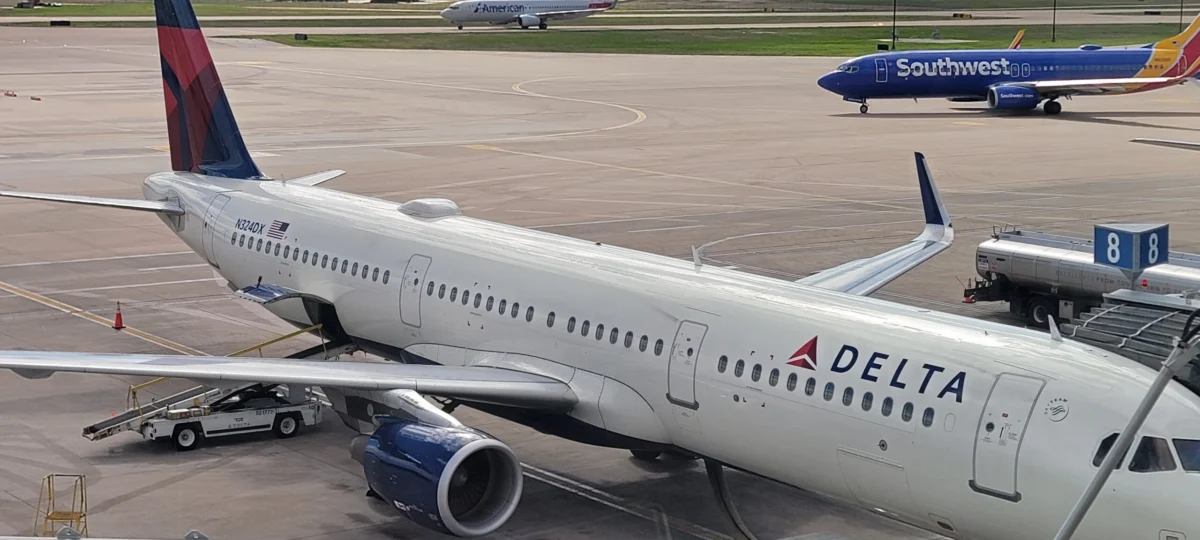
Hyatt Hotels Corporation and Delta Air Lines have officially announced a long-term, exclusive loyalty collaboration, signaling a significant shift in the travel rewards landscape. This partnership, set to launch in the coming months, will allow elite members of both loyalty programs—World of Hyatt and Delta SkyMiles—to earn reciprocal rewards on qualifying travel. The move comes immediately following the dissolution of Hyatt’s long-standing partnership with American Airlines, marking a strategic pivot for the hotel giant as it seeks to align its premium brand portfolio with Delta’s high-value customer base.
The Mechanics of the New Collaboration
The core of this new agreement focuses on a "double-earning" structure, a feature frequently cited as the most requested benefit among frequent travelers. Under the terms of the agreement, World of Hyatt elite members will earn Hyatt points on qualifying Delta airfare purchases, effectively supplementing the SkyMiles they already accrue through the airline’s own program. Conversely, Delta SkyMiles Medallion members will earn SkyMiles on qualifying stays at participating Hyatt properties, in addition to the standard World of Hyatt points they earn for their hotel stays.
This structure is designed to provide immediate, tangible value to travelers who regularly balance air travel and hotel accommodation. For the business traveler, this means accelerating progress toward free nights and flight redemptions simultaneously, without the need to choose between one currency or the other. Hyatt has indicated that while this earning structure is the foundation of the deal, further benefits and "exclusive experiences" are currently in development, with additional details expected to be unveiled later this year.
A Strategic Departure from American Airlines
The announcement follows the recent dissolution of the Hyatt and American Airlines partnership, which had been a staple for travelers since 2019. Under the previous arrangement, the programs offered various perks, including status matches and simplified point-earning milestones. However, both companies recently moved to eliminate the most popular features of that deal, such as the direct point-earning bonuses, citing a need to streamline costs and refocus on direct customer engagement.
Market analysts observe that the American-Hyatt partnership had arguably lost its incentive-driving power as both companies tightened their loyalty reward structures. By pivoting to Delta, Hyatt is aligning itself with an airline that consistently commands a premium in the domestic market. For Delta, the partnership serves to enhance the "stickiness" of its SkyMiles program, particularly among luxury-focused travelers who favor the Park Hyatt or Grand Hyatt brands. The move mirrors a broader industry trend where premium travel providers seek to create an ecosystem of benefits that keep high-spending customers within a closed-loop environment.
Historical Context: The Evolution of Travel Loyalty
The concept of cross-industry loyalty partnerships is not new, but its execution has evolved significantly over the past three decades. The gold standard for this model was arguably the 2013 "Crossover Rewards" program between Delta and Starwood Preferred Guest (SPG). That partnership allowed elites to enjoy reciprocal benefits such as late check-outs, preferred seating, and bonus point earning. When Marriott acquired Starwood in 2016, the Crossover Rewards program was eventually phased out, leaving a void in the market for a high-level hotel-airline synergy.
Historically, the industry has experimented with even deeper integration. In the mid-20th century, major airlines frequently owned hotel chains to ensure their passengers had reliable accommodations. Pan American World Airways established the InterContinental Hotels Group in 1946, and Trans World Airlines (TWA) once owned Hilton International. In the 1980s, United Airlines’ parent company, Allegis, attempted to consolidate the travel experience by owning Westin, Hilton International, and the car rental giant Hertz.
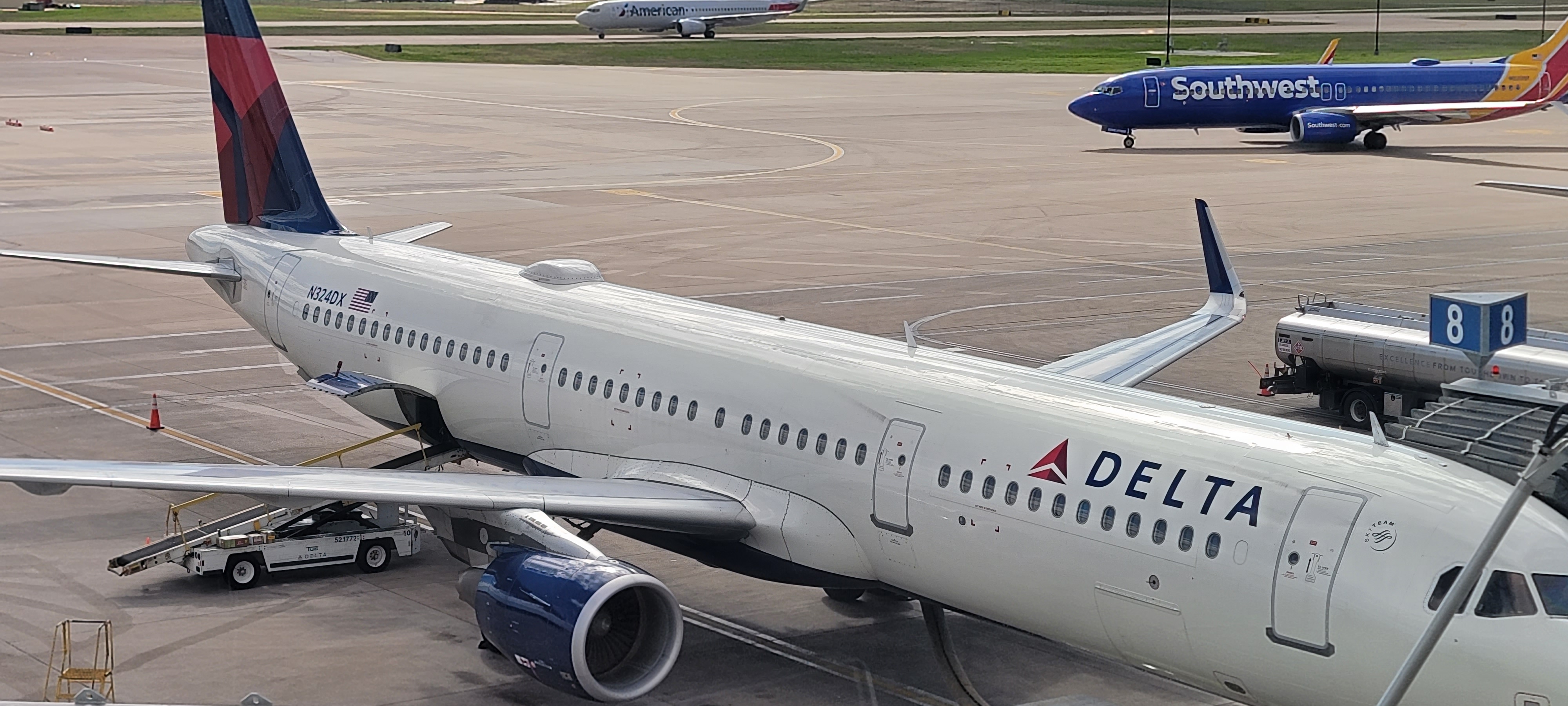
While those models of vertical integration largely failed due to the complexity of managing disparate business sectors, the modern loyalty partnership model—like this new Hyatt-Delta alliance—represents a digital-first iteration of that same goal. It allows companies to cross-sell to each other’s most profitable demographics without the capital expenditure of owning the assets themselves.
Market Implications and Competitive Landscape
Hyatt’s position in this partnership is particularly noteworthy given its scale compared to hospitality giants like Marriott International, Hilton Worldwide, and IHG. Despite having a smaller global footprint, Hyatt’s brand equity in the luxury and upper-upscale segments remains high. By partnering with Delta, Hyatt effectively secures access to a vast network of premium travelers who prioritize consistent service and reliability—the same values Hyatt emphasizes in its own portfolio.
For Delta, the partnership provides a competitive edge against United Airlines, which currently maintains a robust relationship with Marriott Bonvoy. By leveraging Hyatt’s reputation, Delta reinforces its status as the airline of choice for the premium business traveler.
Furthermore, the integration of Hyatt’s existing partnerships adds a layer of complexity to the ecosystem. For instance, Hyatt’s partnership with Air Canada’s Aeroplan remains active. Through the Aeroplan status challenge, travelers can earn Hyatt elite status through accelerated thresholds. In a potential scenario, an elite member of both Air Canada and Delta could theoretically optimize their earning potential across multiple carriers and hotel stays, provided they navigate the specific enrollment requirements of each program.
Maintaining Legacy Benefits
While the focus has shifted toward the future, the dissolution of the American Airlines partnership does not mean all benefits vanish overnight. Certain legacy perks for American’s top-tier flyers, specifically ConciergeKey members who have achieved Hyatt Globalist status, will remain in effect through February 2028. This transition period ensures that the most loyal customers of the previous regime are not immediately disenfranchised, providing a window for these travelers to re-align their loyalty to the new Hyatt-Delta framework.
Looking Ahead
As the travel industry continues to recover and evolve post-pandemic, loyalty programs have become the primary battleground for customer retention. The effectiveness of this new Hyatt-Delta partnership will likely be measured by the rate of cross-platform adoption. If the "double-earning" feature successfully drives a measurable increase in Hyatt bookings from Delta’s base, and vice versa, it may set a new standard for how premium travel brands structure their incentives.
Industry experts suggest that the next phase of this partnership will likely involve deeper, status-based perks—such as potential seat upgrades for high-level Hyatt elites or room upgrades for Delta Medallion members. While official details remain pending, the industry expects that the two companies will look to integrate their digital platforms more closely to make the experience of earning and redeeming points as seamless as possible.
In conclusion, the Hyatt-Delta partnership represents a strategic realignment that prioritizes the premium traveler. By focusing on tangible, cross-brand earning opportunities, both companies are signaling a return to the high-utility loyalty models that defined the early 2010s, albeit with modern technological enhancements. For the average consumer, this means the landscape of travel rewards is becoming more segmented, requiring a more proactive approach to managing memberships to ensure maximum value from every dollar spent on flights and hotel nights. As the integration rolls out in the coming months, both companies will be under pressure to demonstrate that this new collaboration is more than just a marketing arrangement, but a genuine enhancement to the travel experience for their most valued clientele.