The Evolution of the Southwest Experience
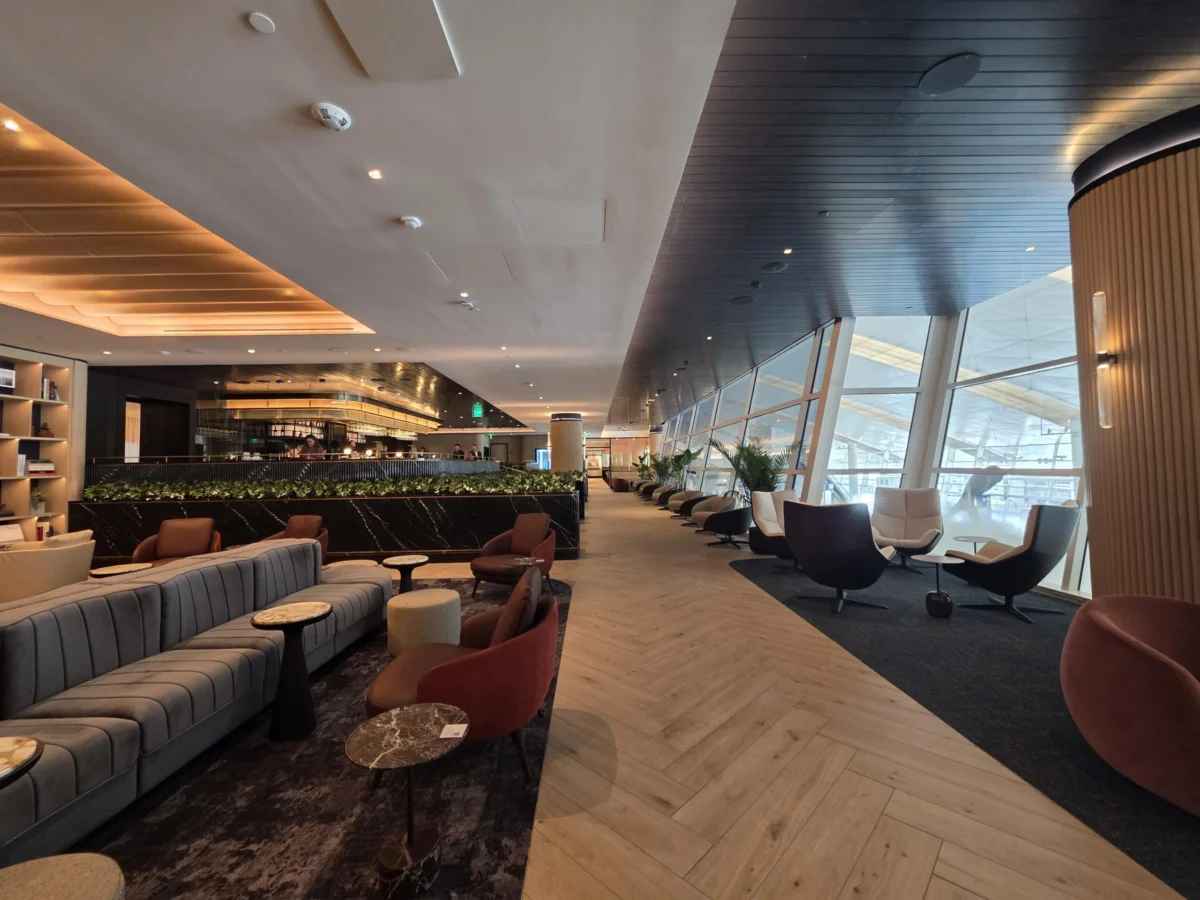
For decades, Southwest Airlines has prided itself on a low-cost, high-efficiency model that focused on point-to-point travel, open seating, and a simplified boarding process. However, the airline’s recent commitment to building at least 11 dedicated airport lounges signals a departure from its "no-frills" identity. According to early reports, these lounges are designed to mirror the caliber of the existing Chase Sapphire Lounge network, prioritizing locally inspired dining, high-end amenities, and a curated atmosphere that feels substantially more premium than the standard airline club.
The integration of Chase into this expansion is not merely a branding exercise. It is a strategic deployment of capital and customer loyalty infrastructure. Chase, which has successfully positioned its Sapphire brand as the gold standard for premium travel credit cards, brings the operational experience and the credit card ecosystem necessary to sustain these spaces. For travelers, this shift suggests that Southwest is moving away from its purely egalitarian roots toward a tiered model that rewards its most frequent and high-spending passengers.

Chronology of Development: The Austin Precedent
The rollout of these lounges did not happen overnight; rather, it follows a calculated series of real estate maneuvers. Austin-Bergstrom International Airport (AUS) has served as the primary testing ground for this transition.
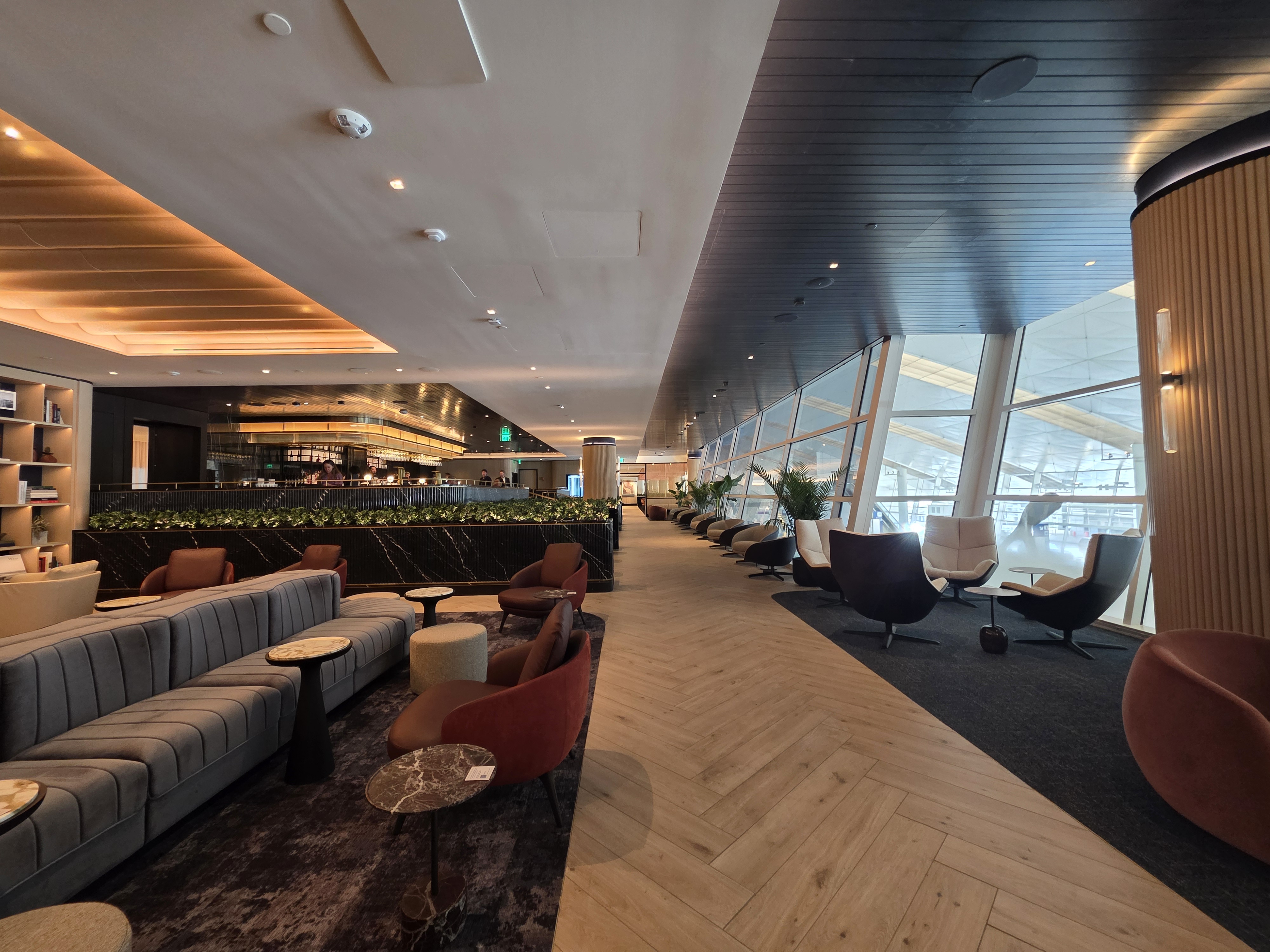
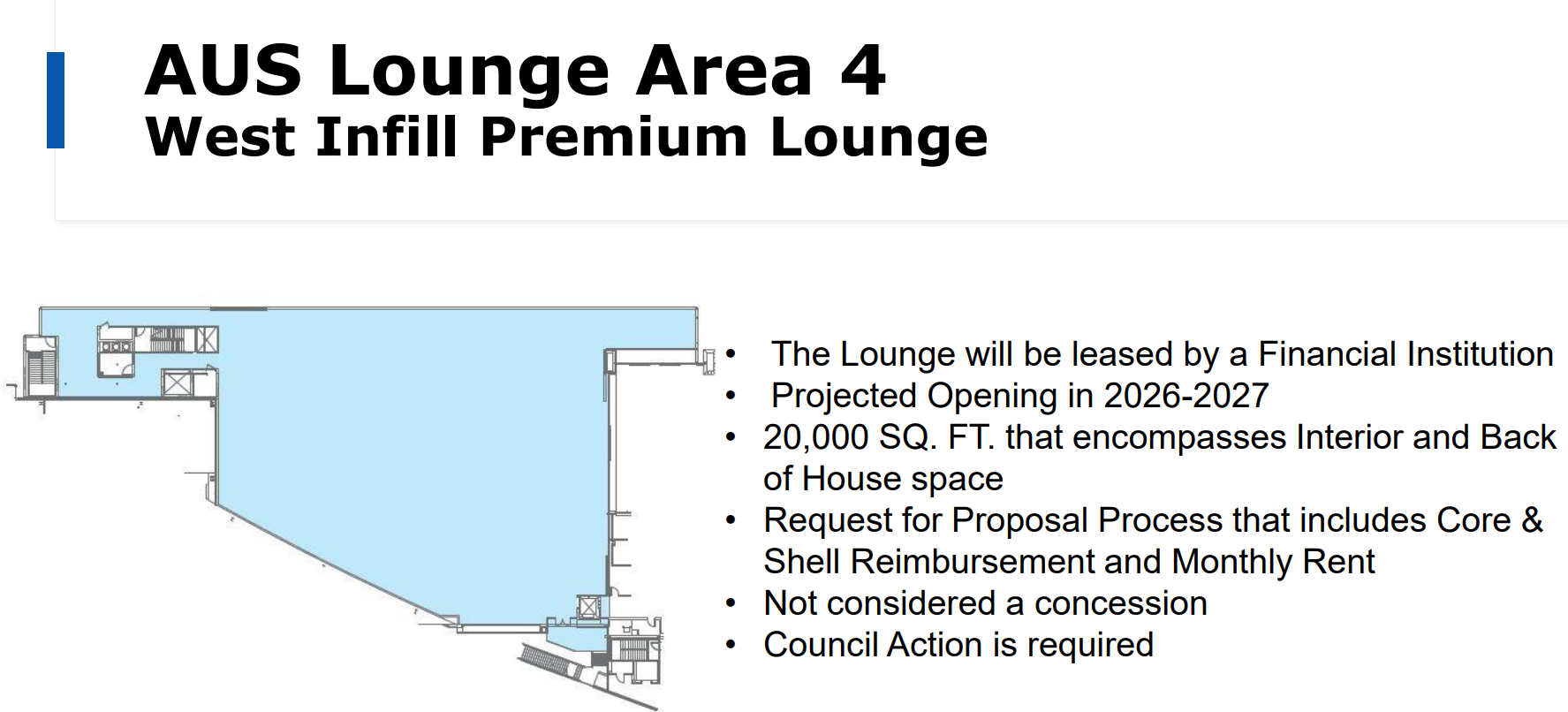
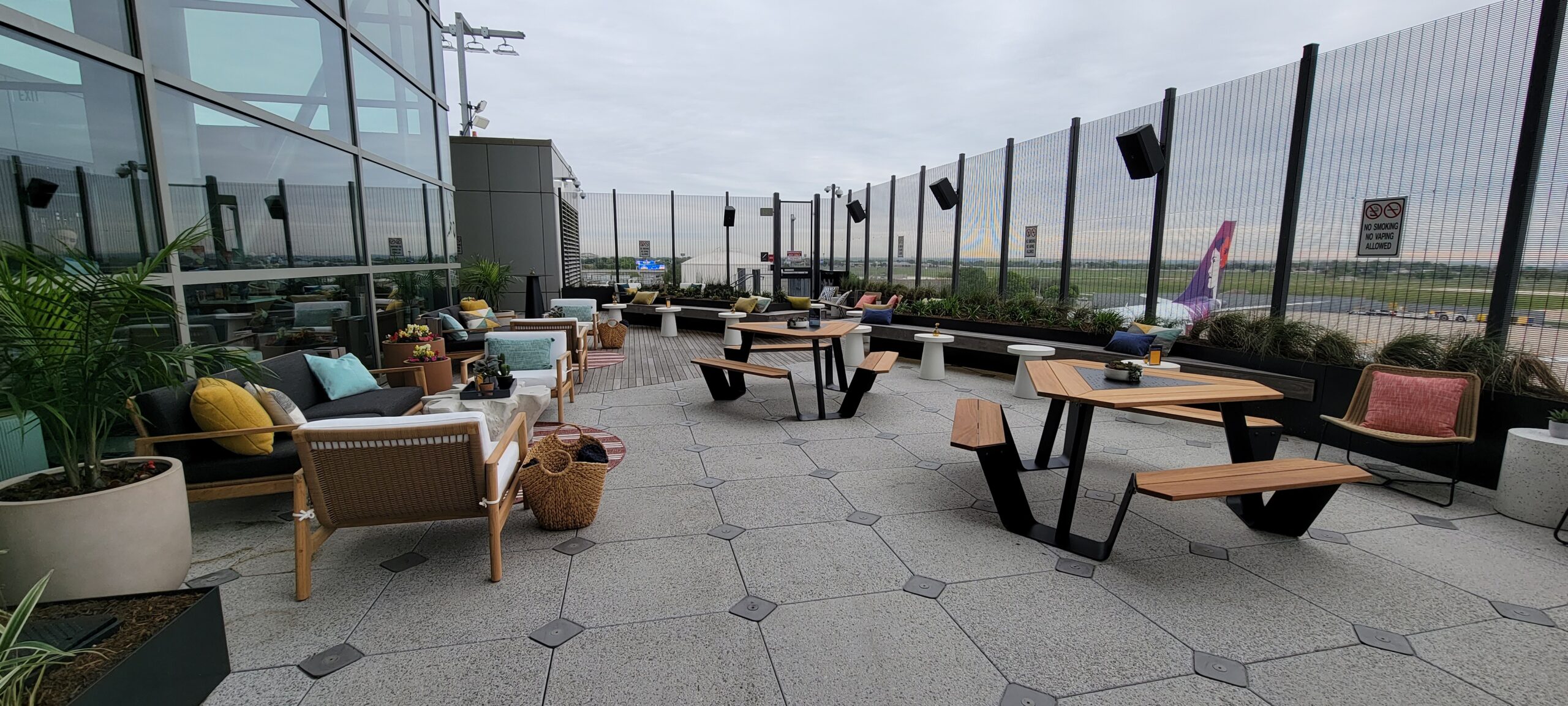
In recent years, the airport infrastructure in Austin underwent significant changes, including the closure of the Chase Sapphire Terrace in March 2024. This small, open-air lounge was a popular, albeit temporary, fixture for cardholders. Shortly after its closure, records surfaced indicating that Southwest had secured the rights to develop multiple spaces within the airport, including the "West Infill" area.
Analysis of airport lease agreements reveals that Southwest is currently in the process of developing two distinct lounge spaces at Austin-Bergstrom. Industry observers note that the airline’s aggressive acquisition of these spaces serves a dual purpose: it secures a foothold in one of the country’s fastest-growing markets while simultaneously providing a template for its broader national rollout. The prevailing industry consensus is that the West Infill lounge, while currently slated for Southwest, may eventually be rebranded or transitioned into a formal Chase Sapphire Lounge, aligning with the broader corporate strategy to consolidate premium lounge real estate under the Sapphire umbrella.
Strategic Implications for the Credit Card Market
The announcement of a new premium Southwest-Chase co-branded credit card is arguably the most significant aspect of this development. Currently, Southwest offers a suite of personal and business cards that provide benefits such as Rapid Rewards points, annual anniversary bonuses, and early-bird check-in credits. However, the existing portfolio lacks a "prestige" card capable of competing with the Chase Sapphire Reserve or the American Express Platinum Card.
By introducing a premium tier to the Southwest-Chase partnership, the airline is positioning itself to capture a larger share of the "wallet" of the high-net-worth traveler. If this new card offers direct, complimentary access to the new network of 11 lounges, it could fundamentally shift the loyalty dynamics of the domestic air travel market.
Financial analysts suggest that this move is a direct response to the saturation of the premium travel market. As legacy carriers like United and Delta have successfully utilized their lounges as "customer lock-in" mechanisms, Southwest’s move is a defensive and offensive measure to ensure that its most valuable customers are not lured away by the superior amenities of its competitors.
Analyzing the Competitive Landscape
To understand the significance of this move, one must examine the state of the current airport lounge market. For years, the industry has trended toward "club consolidation." Airlines are moving away from basic, coffee-and-cookie hospitality toward full-service dining, dedicated cocktail bars, and wellness areas.
Southwest’s entry into this space is notable because of the airline’s sheer volume of passengers. In cities like Austin, where Southwest often controls more than 40% of seat capacity, the introduction of a premium lounge could disrupt the local competitive balance. If a passenger is choosing between a carrier that offers a standard gate experience and a carrier that offers a high-end lounge with curated dining, the latter holds a distinct competitive advantage, even if the base airfare is slightly higher.
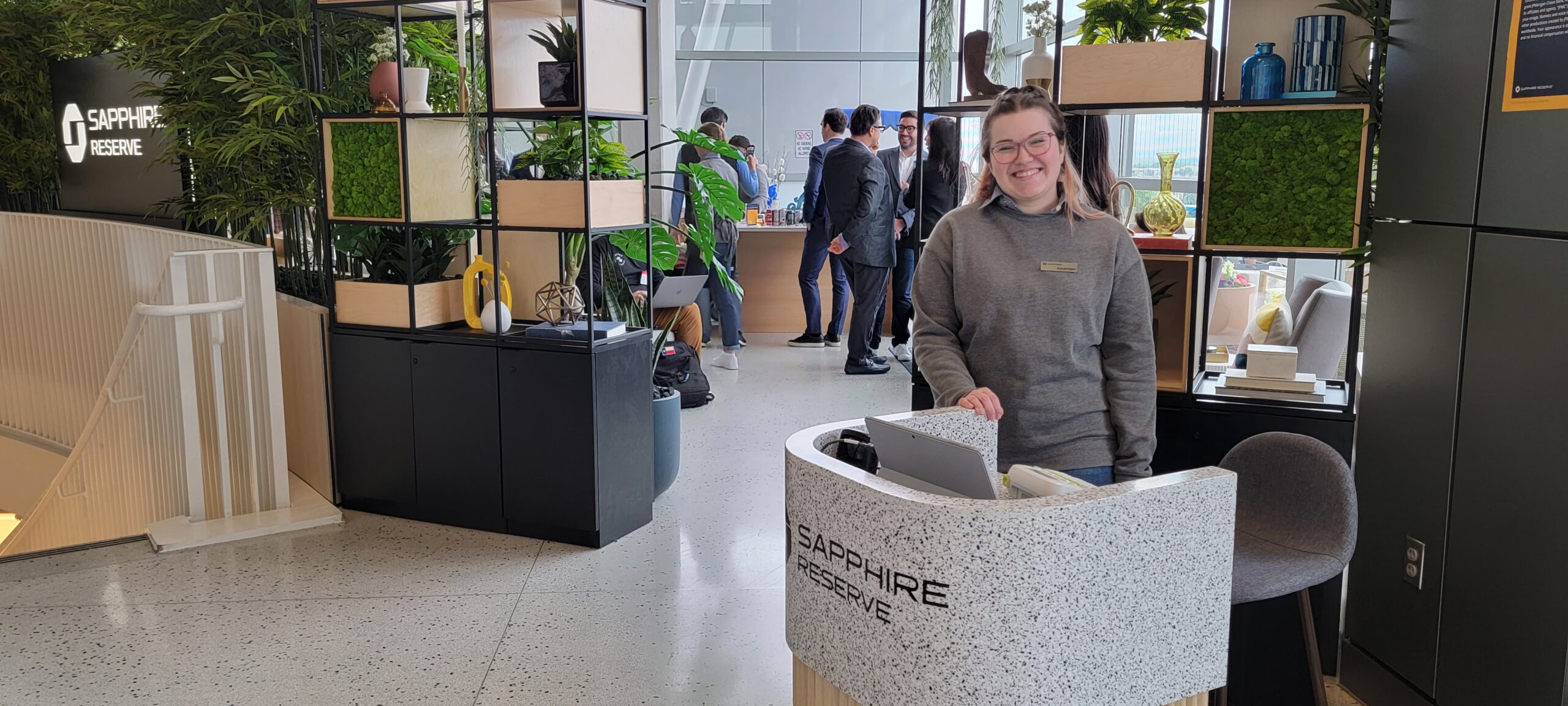
Furthermore, the "Sapphire quality" branding is a deliberate choice. The Chase Sapphire Lounge network is widely regarded for its modern design and superior food and beverage programs. By aligning its own lounges with this brand, Southwest is attempting to "import" prestige, effectively bypassing the years of brand development it would have taken to create its own standalone lounge identity.
Operational Challenges and Future Outlook
Despite the promise of a more elevated experience, Southwest faces significant operational hurdles. Building and maintaining lounges is an capital-intensive endeavor that requires complex agreements with airport authorities, as well as the implementation of hospitality staffing and supply chains.
The primary question remains: who gets in? Access models typically fall into one of three categories:
- Status-based: Reserved for top-tier loyalty program members.
- Class-based: Reserved for passengers flying in premium cabins (a model Southwest would have to adapt significantly given its single-cabin configuration).
- Credit Card-based: Reserved for holders of specific, high-fee co-branded credit cards.
It is highly probable that Southwest will opt for a hybrid model that heavily incentivizes credit card acquisition. This would allow the airline to generate significant upfront revenue through the card issuer (Chase) while simultaneously offloading the long-term maintenance costs of the lounges to the card program’s ecosystem.
Broader Impact on the Aviation Industry
The move toward 11 lounges is just the beginning. As Southwest continues to expand its footprint, the industry will likely see a push toward more standardized luxury across regional airports. If the Austin model is successfully replicated in other high-traffic Southwest hubs—such as Dallas Love Field, Denver, or Phoenix—the carrier will have effectively transformed itself into a hybrid airline.
For the average consumer, this means the end of the "one-size-fits-all" Southwest experience. While the core promise of low fares and generous baggage policies will likely remain, the introduction of a tiered experience creates a new layer of competition. Travelers who once viewed Southwest solely as a utility provider for A-to-B travel may soon find themselves weighing the value of a premium Chase-Southwest credit card against the benefits of status with traditional legacy carriers.
Ultimately, this development confirms that the airline industry is entering a new phase of maturity. As competition for the "premium traveler" intensifies, even a carrier as historically distinct as Southwest must adapt. By leveraging the financial muscle of Chase and the operational discipline of a large-scale lounge rollout, Southwest is signaling that it is prepared to compete on every front, from the economy seat to the premium lounge chair. Whether this evolution will dilute the brand’s populist appeal remains to be seen, but the intent is clear: Southwest is no longer content to simply fly people; it now wants to host them.