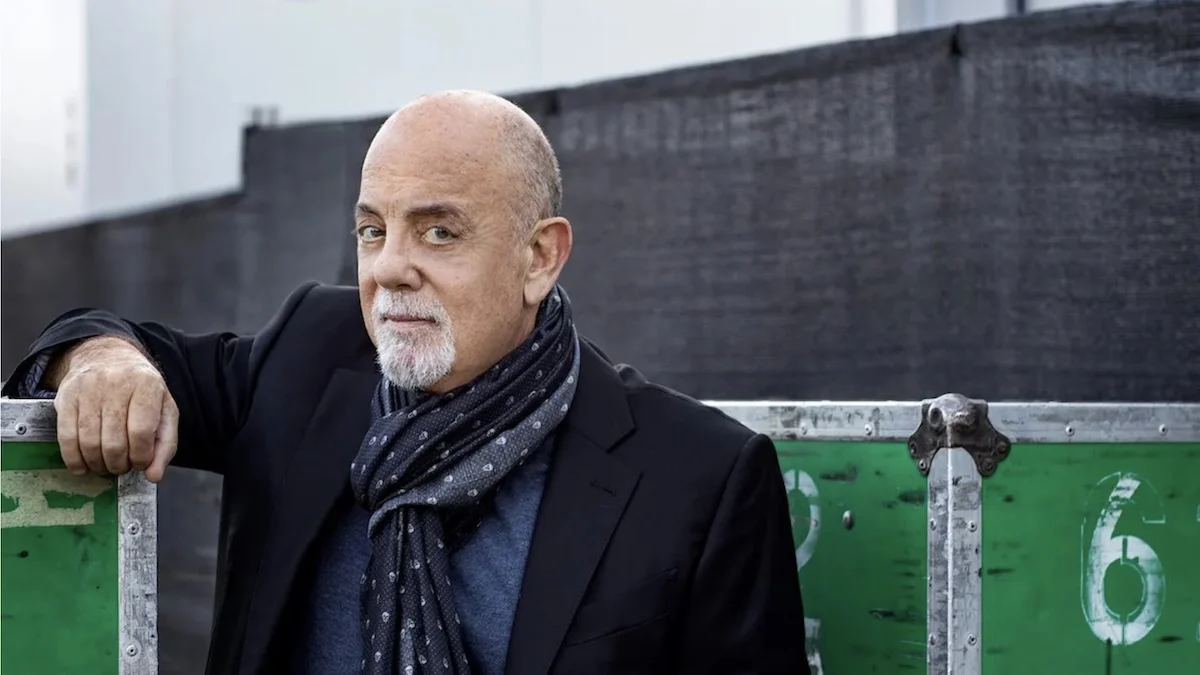
The legendary singer-songwriter Billy Joel has provided a candid update regarding his ongoing health struggles, revealing that the professional necessity of performing high-decibel rock and roll concerts played a significant role in exacerbating his diagnosis of Normal Pressure Hydrocephalus (NPH). At 77 years old, the "Piano Man" singer, who has long been a fixture of the global touring circuit, has been absent from the stage for the majority of the past two years following a series of health complications that ultimately led to the cancellation of his remaining tour dates in mid-2025.
In a recent, deeply personal interview with SiriusXM’s Billy Joel Channel, the artist detailed the medical advice that forced him to step away from the limelight. According to Joel, his physicians determined that the physical and sonic intensity of his live performances acted as a recurring trauma to his neurological system. The vibrations and the sheer volume of his stage production were identified as factors that were, in effect, delivering the impact of a concussion with each passing performance.
The Medical Context of Normal Pressure Hydrocephalus
Normal Pressure Hydrocephalus is a condition characterized by an abnormal accumulation of cerebrospinal fluid (CSF) in the brain’s ventricles. While the fluid pressure within the brain often remains within a "normal" range, the buildup can cause the ventricles to enlarge, placing undue pressure on surrounding brain tissue. This condition is frequently misdiagnosed in older adults, often mistaken for Alzheimer’s disease or Parkinson’s due to the shared symptoms of cognitive decline, gait instability, and urinary incontinence.
For a performer like Joel, whose career relies on physical stamina, coordination, and rapid-fire recall of complex musical compositions, the symptoms of NPH were particularly debilitating. The medical team’s assessment that his career was causing "damage to my brain nerves" highlights the precarious intersection of long-term high-performance athletics—or in this case, the rigors of rock touring—and neurological health. Joel noted that the accumulation of these "concussion-like" events was not merely a matter of fatigue but a tangible loss of brain cells, necessitating an immediate cessation of his touring schedule to prioritize neurological stabilization.
A Chronology of Health Complications
The trajectory of Joel’s health challenges began to manifest visibly in early 2025. A key turning point occurred on February 22, 2025, during a concert where the artist suffered a fall on stage. This incident served as a wake-up call regarding the severity of his balance issues, a hallmark symptom of NPH. By May 2025, the gravity of his diagnosis became public, leading to the difficult decision to cancel all pending tour dates.
The silence that followed was broken only by occasional updates from his management team. However, the road to recovery was not immediate. In January 2026, Joel made a tentative return to the public eye, surprising fans by joining a local cover band for a brief two-song set. While the appearance was limited, it provided a necessary signal that the artist was in the process of rehabilitation. Throughout this period, the medical focus remained on the installation and calibration of a brain shunt—a surgical procedure that allows excess CSF to be drained and redirected to another part of the body, usually the abdomen, where it can be safely absorbed.
Surgical Intervention and Recovery
Joel’s initial apprehension toward undergoing brain surgery was typical of many patients facing invasive neurological procedures. However, after conducting his own research into the efficacy of shunts for NPH patients, he opted for the intervention. The results, as he described them, have been markedly positive.
"I don’t want to lose my marbles," Joel told his listeners, noting the difficulty in distinguishing between the natural effects of aging and the specific neurological deterioration caused by his condition. Post-surgery, the improvement in his quality of life has been tangible. He reports that his cognitive clarity, memory recall, and, most importantly, his physical equilibrium have seen significant recovery. This medical milestone marks the first step toward a potential, though currently unscheduled, return to the stage.
Broader Implications for the Touring Industry
The case of Billy Joel raises broader questions about the physical toll of decades-long touring careers on veteran musicians. The "rock and roll lifestyle," often romanticized, involves rigorous travel schedules, sleep deprivation, and sustained exposure to high decibel levels. When combined with the natural aging process, the cumulative effect of these stresses can result in severe health consequences.
Medical professionals in the field of audiology and neurology have long warned about the dangers of sound-induced damage, but Joel’s specific revelation regarding the mechanical impact of sound waves on brain health adds a new dimension to the discussion. While most touring artists prioritize hearing protection, the physical impact of low-frequency vibrations and high-decibel sound on the brain itself is a subject that may warrant further study within the entertainment industry.
The Future of the Piano Man
As of late 2026, there is no official timetable for Joel to resume a full-scale touring schedule. His management has maintained a stance of caution, emphasizing that his recovery remains the primary objective. The complexity of managing NPH, even after a successful shunt procedure, requires ongoing monitoring and rehabilitation to ensure that the patient’s cognitive and physical functions remain at an optimal level.
Despite the uncertainty surrounding his future live performances, Joel has been emphatic in his messaging to his global fanbase. His recent comments serve as both an assurance and a testament to his resilience. By stating, "I’m not going anywhere. I’m here. I’m still here," Joel has moved to quash rumors of permanent retirement, instead framing his hiatus as a necessary period of convalescence rather than an end to his creative output.
Fact-Based Analysis and Industry Response
The music industry has reacted with widespread support for the artist, with many peers citing the grueling nature of the industry as a cautionary tale. Analysis of the situation suggests that the decision to prioritize long-term neurological health over the immediate commercial pressures of touring was the correct, albeit difficult, choice. In an era where legacy acts often feel the pressure to maintain non-stop touring schedules to satisfy high demand, Joel’s transparency serves as a rare example of a high-profile artist placing health at the forefront of their professional decision-making.
Furthermore, the public discussion surrounding his diagnosis has likely raised awareness for NPH, a condition that remains under-diagnosed in the general population. By sharing his experience with the shunt procedure and his subsequent improvements, Joel has inadvertently contributed to a better understanding of how treatable this condition can be when addressed with proper medical intervention.
As the industry looks toward 2027, the focus remains on Joel’s steady improvement. While the spectacle of a stadium-sized Billy Joel concert may be on indefinite hold, the priority remains the continued neurological stability of one of popular music’s most enduring icons. The artist’s ability to navigate this period with transparency has not only preserved his legacy but has also provided a blueprint for how aging performers might address significant health crises while maintaining a connection with their audience.
For now, the focus is on the long-term benefits of the shunt surgery and the slow, deliberate process of returning to a lifestyle that, while likely less physically taxing than in decades past, remains intrinsically tied to his identity as a performer. Fans and industry experts alike are watching, not for the next tour announcement, but for the continued recovery of a man who has provided the soundtrack to multiple generations.