The "Surprise and Shine" event held this past Wednesday at Apple Park marked a significant inflection point for the Cupertino-based tech giant. With the official unveiling of the iPhone 18 Pro, the highly anticipated iPhone Duo foldable, the fifth generation of AirPods, and the dual-launch of the Apple Watch Series 12 and Apple Watch Ultra 4, Apple has effectively refreshed its core mobile and wearable ecosystems for the upcoming fiscal year. However, historical data and recent industry reports indicate that Apple’s hardware cycle is far from complete for 2026. As the company pivots toward the holiday shopping season, market analysts are closely monitoring a secondary wave of product launches intended to fortify the Mac and Smart Home divisions.
A Strategic Shift in Product Cycles
Apple’s traditional product cadence has evolved significantly over the last decade. Historically, the company focused on a singular, massive late-year keynote to drive holiday revenue. Recent strategies, however, favor a bifurcated approach: a primary hardware showcase in early autumn followed by a "second act" of product releases in late October or November. This strategy serves two purposes: it sustains consumer interest throughout the critical Q4 period and prevents supply chain bottlenecks that might occur if every major product were launched simultaneously.
Industry observers suggest that the current 2026 roadmap is designed to address specific market gaps. While the iPhone 18 Pro and the iPhone Duo represent the pinnacle of mobile innovation, the Mac and Home categories have seen relatively stagnant growth over the past 18 months. By layering these releases, Apple aims to maintain steady pressure on competitors like Samsung and Google, both of whom have ramped up their own smart home and laptop development cycles.
The Evolution of the Mac Lineup: Touchscreen Integration
The most significant anticipated development for the remainder of the year involves the MacBook product line. According to supply chain analysts and reports from Bloomberg, Apple is preparing two distinct laptops to round out the 2026 portfolio.
The first is a iterative update to the MacBook Pro, slated to feature the M6 silicon architecture. While Apple has not provided official performance benchmarks, the transition from the M5 to the M6 is expected to prioritize neural engine throughput and power efficiency. For professional users—developers, video editors, and creative directors—the M6 chip is anticipated to offer a 15% to 20% increase in multi-core performance compared to its predecessor. This iteration is expected to be a "steady-state" upgrade, focusing on internal refinement rather than a radical chassis redesign.
More experimental, however, is the rumored "MacBook Ultra." This device represents a long-awaited shift in Apple’s interface philosophy. For years, the company maintained a strict separation between the touch-centric iPad ecosystem and the pointer-driven macOS. The introduction of a touchscreen MacBook—likely featuring an OLED display with an integrated Dynamic Island notification hub—suggests that Apple is finally prepared to bridge this divide. Integrating a touch interface into a thin-chassis laptop requires a sophisticated overhaul of macOS to ensure that UI elements remain functional for both trackpad and finger input. If this product launches before the end of the year, it will mark the most significant design departure for the MacBook since the introduction of the Touch Bar in 2016.
Revitalizing the Smart Home: Apple TV 4K and HomePod Mini
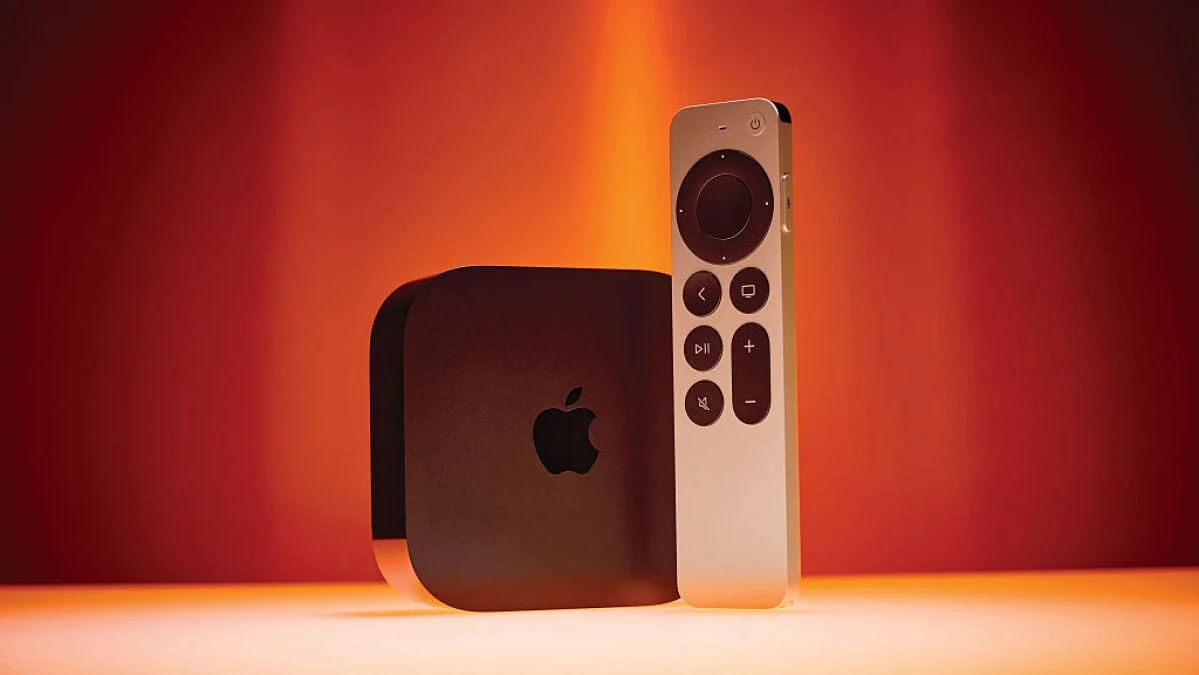
Apple’s ambitions in the living room have been characterized by a measured, if slow, rollout of hardware. The Apple TV 4K, which has not seen a major hardware revision since 2022, is reportedly set for an update. Current information suggests the device will incorporate Apple’s proprietary N1 connectivity chip, a component designed to streamline local network handoffs between Apple devices and reduce latency in high-bandwidth streaming environments.
Furthermore, the integration of "Siri AI" into the Apple TV platform is expected to transform the user experience from a static content-delivery system into a proactive, intelligent hub. With advanced natural language processing, the new Apple TV 4K could potentially analyze viewing habits to offer granular, cross-platform recommendations, a move intended to reclaim market share from Amazon’s Fire TV and Roku’s increasingly sophisticated OS.
Parallel to this, the HomePod Mini is also due for a refresh. Despite its popularity, the current model relies on aging architecture that limits its ability to participate in complex smart home automation. By migrating the HomePod Mini to the N1 chip and incorporating Siri AI, Apple aims to position the device as a low-latency "anchor" for home automation, capable of handling local data processing rather than relying exclusively on cloud-based requests.
The Home Hub: A New Product Category
Perhaps the most intriguing prospect for the remainder of 2026 is the emergence of the "Home Hub." Unlike the HomePod, which is primarily audio-focused, the Home Hub is expected to be a command center featuring a 7-inch display. This device would effectively function as a wall-mounted or tabletop interface for the Apple Home ecosystem.
The inclusion of facial recognition technology—likely powered by a variant of the FaceID sensor—implies a high level of personalization. The device could theoretically detect which family member is approaching and display their specific calendar, photo galleries, or smart home controls automatically. The software layer, rumored to be a hybrid of homeOS and tvOS, represents an attempt by Apple to standardize the smart home experience. By creating a dedicated interface, Apple is moving to compete directly with devices like the Google Nest Hub or the Amazon Echo Show, which have dominated the market for smart displays for several years.
The "Missing" iPhone 18
A point of confusion for many consumers remains the absence of the standard "iPhone 18" from the recent keynote. While the Pro and the foldable Duo have captured the spotlight, the entry-level device remains absent. Industry experts suggest that this is a deliberate move to avoid market cannibalization. By pushing the standard iPhone 18 to a spring 2027 release, Apple allows the high-margin premium models to capture the initial surge of holiday spending. Furthermore, a spring release provides a "mid-cycle" boost to sales, ensuring that Apple’s hardware revenue does not suffer the traditional post-holiday slump that many technology firms experience in Q1 and Q2.
Broader Economic and Competitive Implications
The decision to spread these releases across the remainder of the calendar year reflects a maturation of Apple’s supply chain management. By diversifying the launch schedule, the company can better manage logistics and labor demand at its manufacturing sites in Asia.
From a competitive standpoint, Apple’s strategy is clear: it intends to dominate not just the mobile space, but the entire digital environment surrounding the consumer. The integration of Siri AI across the Apple TV, HomePod, and MacBook lineups suggests that Apple is banking on software-driven intelligence to lock users into its ecosystem. While competitors have been aggressive in their own AI deployments, Apple’s strength lies in the vertical integration of its hardware and software.
Looking Forward
While some of these devices—particularly the MacBook Ultra—may face production hurdles that could push their retail debut into early 2027, the current signals from the supply chain are overwhelmingly positive. As 2026 draws to a close, the tech industry is watching closely to see if Apple can successfully execute this second phase of its product rollout. If successful, the remainder of the year will solidify Apple’s dominance in the smart home and laptop markets, proving that the company’s innovation cycle is far more dynamic than a single event might suggest.
Investors and consumers alike should remain alert for potential announcement dates in late November, which historically align with the start of the holiday shopping rush. Whether these products meet the high expectations set by the iPhone 18 Pro launch remains to be seen, but the intent behind them is undeniably clear: Apple is working to ensure that its presence in the home and office is as ubiquitous as it is in the pocket.