
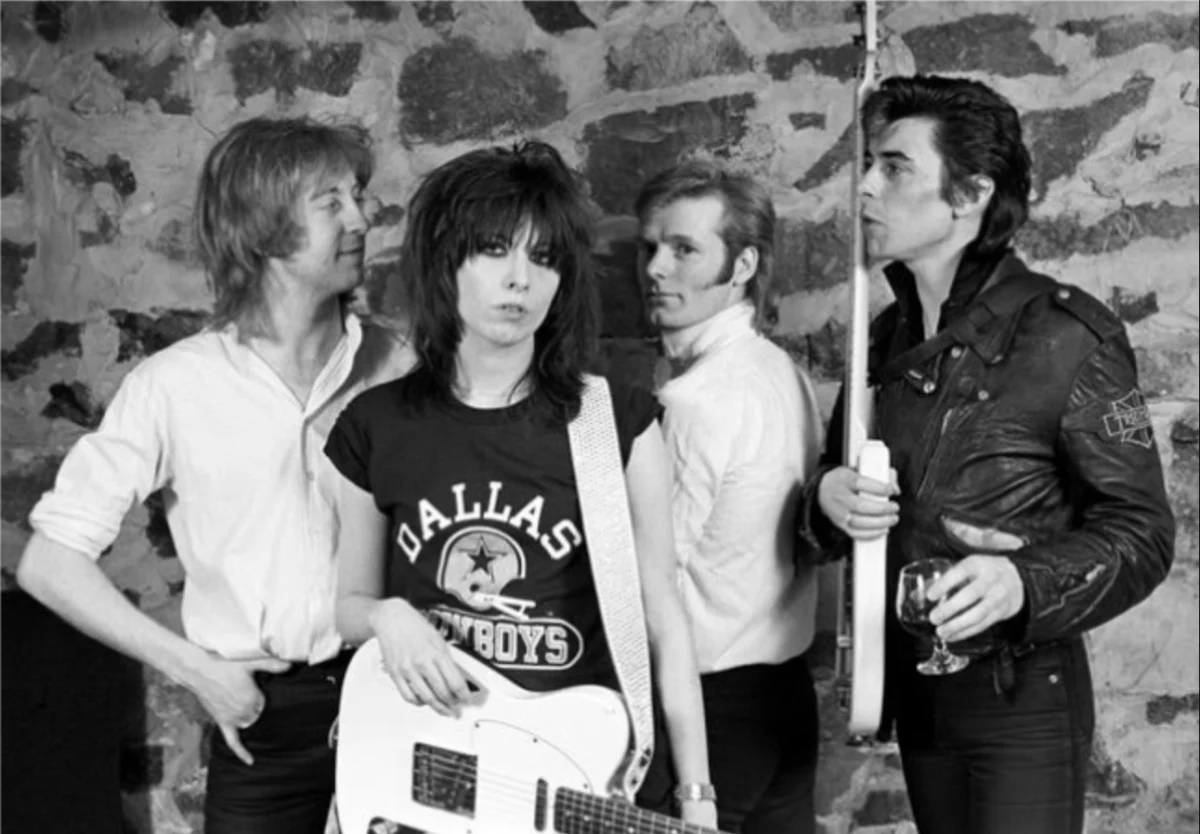
The history of The Pretenders is a saga defined by raw talent, rapid ascent, and profound tragedy, yet it has remained largely unchronicled on film for over four decades. That narrative void is finally being filled with the premiere of "The Pretenders," a feature-length documentary directed by Joss Crowley. The film makes its debut this Sunday at the Toronto International Film Festival (TIFF), offering an intimate, authorized look at the band’s formation, the explosive success of their 1980 self-titled debut, and the subsequent years of turbulence that reshaped the music landscape.
A Definitive Chronicle of Rock History
At the heart of the documentary is Chrissie Hynde, the band’s enigmatic frontwoman. While the film covers the band’s broader trajectory, its primary focus rests on the critical five-year period between the late 1970s and the early 1980s. This era saw the group transition from a collection of misfits in the U.K. to one of the most influential acts in rock history. The film captures the creative peak that produced timeless anthems while simultaneously navigating the internal fractures, dismissals, and tragic deaths that nearly derailed the band’s existence.
For Crowley, the challenge was twofold: gaining the trust of a notoriously camera-shy icon and locating archival material that had long been considered lost or non-existent. The documentary succeeds in part by resisting the conventional tropes of the "rock star biopic." Instead of a polished, retrospective celebration, the film relies on raw, unearthed footage and, notably, the candid, off-camera reflections of Hynde herself.
The Genesis of an Iconic Sound
To understand the weight of this documentary, one must consider the impact of the band’s 1980 debut album. Often cited by music critics as one of the greatest rock and roll records ever recorded, Pretenders set a new standard for post-punk and new wave integration. It was a project defined by the guitar work of James Honeyman-Scott, a musician whose contribution to the band’s sound remains a cornerstone of its legacy.
The film provides a poignant tribute to Honeyman-Scott, who passed away in 1982, mere days after the firing of bassist Pete Farndon. For Hynde, the documentary serves as a vessel to ensure Honeyman-Scott receives the recognition he was denied during his lifetime. "Over the years when I see lists of the greatest 100 rock guitar players, I never see Jimmy’s name," Hynde noted in an interview preceding the premiere. "He’s not here, so I thought I could do it for him."
Archival Breakthroughs and Lost Tapes
The production faced significant hurdles regarding visual documentation. Because the band emerged in an era preceding ubiquitous digital capture, and because access to the band was frequently restricted, the production team had to go to extraordinary lengths to secure footage. A major breakthrough occurred when the team discovered lost tapes filmed by Andy Watt, a cameraman who joined the group during their 1982 North American tour.
The 20 tapes, which had been stored in poor conditions for decades, were rescued by a retired audio-visual engineer. This restoration allowed the film to feature previously unseen, high-stakes footage of the band at a pivotal crossroads. Further adding to the documentary’s historical integrity are the recovered audio diaries of former tour manager Stan Tippins. His firsthand accounts of the band’s early rehearsals and internal dynamics provide a grounded, "boots-on-the-ground" perspective that elevates the narrative from a standard biography to a primary source document of rock history.

The Artistic Philosophy of Chrissie Hynde
Despite the industry’s penchant for commodifying the lives of performers, Hynde has maintained a steadfast rejection of the "rock goddess" persona. Her participation in the documentary was predicated on strict boundaries: the film had to focus on the band rather than her personal life, and it had to avoid the exhausted narratives often associated with gender-based music journalism.
"I think I represent just ordinary people, and that’s how I feel and that’s how I go through my life," Hynde explained. Her desire to maintain a level of normalcy—taking public transport, avoiding the trappings of gated communities, and prioritizing the music over the image—is a recurring theme in the film. This philosophy is shared by peers she admires, such as Neil Young and the late Lemmy Kilmister, both of whom are cited in the film as archetypes of artistic integrity who refused to mold themselves for public consumption.
Broader Industry Implications
The documentary arrives at a time when the music industry is experiencing a surge in high-profile retrospectives, often produced as promotional tools for catalogs or legacy tours. "The Pretenders" stands apart by intentionally subverting these expectations. By choosing not to watch the final cut and maintaining an arms-length relationship with the production’s promotional machinery, Hynde reinforces her commitment to the work as a product of the past, rather than a vehicle for modern relevance.
Joss Crowley’s decision to keep his own interview questions in the final edit—including those that Hynde initially deflected—provides a rare level of transparency. It allows the audience to witness the friction between the subject and the storyteller, offering a more nuanced portrait of Hynde than a heavily edited, promotional-style interview could provide.
Cultural Legacy and Future Reception
As the film makes its debut at TIFF, it serves as a reminder of the power of the "classic" rock era to bridge generational gaps. While younger audiences may know The Pretenders for their enduring hits, the documentary provides the necessary context for the band’s survival against the odds. It is a story of resilience—a testament to a group that, despite losing key members, continued to function as a cohesive musical entity for decades.
The film’s reception in Toronto will likely be influenced by its honesty regarding the "grisly" realities of the early 1980s. By refusing to sanitize the band’s history or gloss over the personal costs of fame, the documentary offers a sobering look at the reality behind the music. Whether it succeeds in shifting the public perception of the band remains to be seen, but its value as a historical archive is already secured.
In the final assessment, the documentary serves its purpose by humanizing the icons. As Hynde reflects on her career, she remains consistent in her objective: "I’ve offered some music, and that’s all I’m offering." By documenting the band’s origins, the trials of the road, and the lasting impact of their sound, "The Pretenders" does exactly that—it captures the essence of a group that changed the trajectory of rock, while leaving the myth-making to others. The film will serve as the definitive record for future generations, preserving not just the songs, but the spirit of the individuals who wrote them.







Leave a Reply