
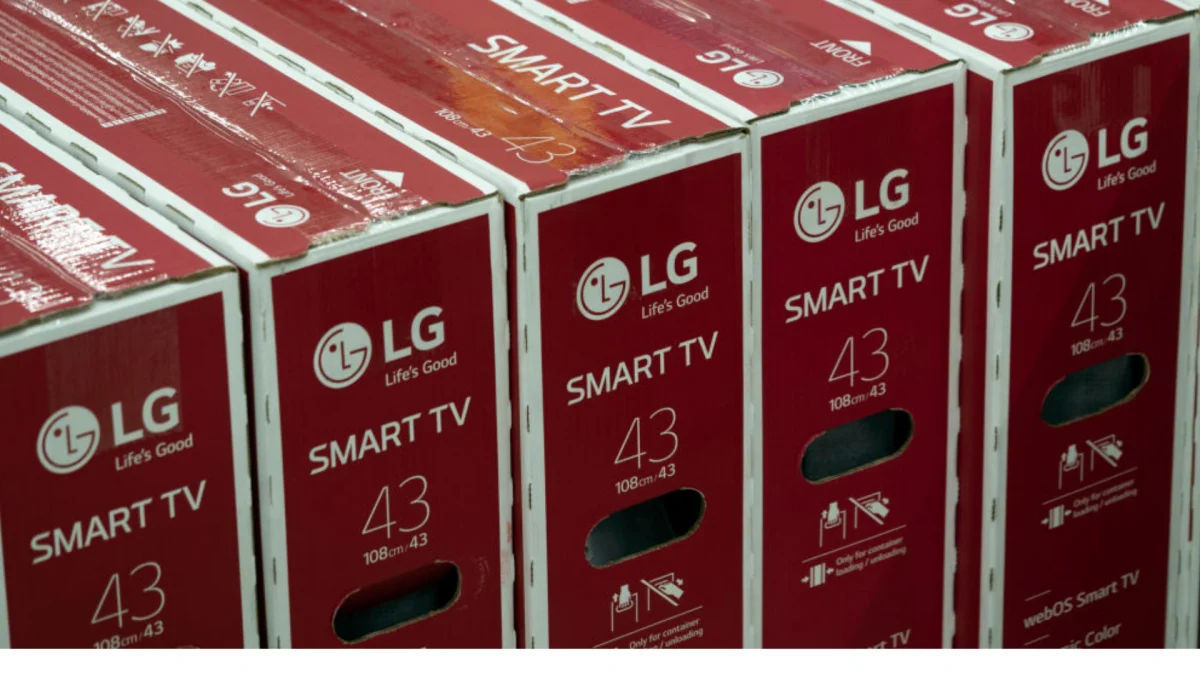
The landscape of modern home entertainment has shifted dramatically over the last decade, transitioning from passive broadcast receivers to sophisticated, internet-connected computing devices. This transformation, however, has brought the electronics industry into a contentious collision course with privacy advocates and cybersecurity experts. Electronics giant LG is currently at the center of a significant public relations and technical firestorm following a viral, two-hour investigative report published by the technology hardware analysis outlet Gamers Nexus. The video alleges that LG’s smart television ecosystem is surreptitiously capturing audio data, cataloging network-connected devices, and harvesting location information, even when the devices are ostensibly powered down or in standby mode.
The report has ignited a wildfire of skepticism across the tech industry, triggering a cascade of secondary investigations from influential channels such as Linus Tech Tips and the benchmarking experts at RTINGS. These follow-up reports have amplified the concerns raised by Gamers Nexus, questioning not only the specific practices of LG but the broader industry-wide trend of data harvesting within the Internet of Things (IoT) sector.
A Chronology of the Surveillance Allegations
The controversy began in earnest following the release of the exhaustive technical analysis by Gamers Nexus. The investigators utilized network traffic monitoring tools to observe the behavior of LG smart TVs in a controlled lab environment. According to their findings, the televisions were initiating data transmission cycles that appeared to circumvent standard user expectations of "off" or "standby" states.
Within 48 hours of the video’s publication, the tech community moved to verify these claims. Influential creators and technical reviewers began releasing guides on how to disable smart features, such as Automatic Content Recognition (ACR) and telemetry reporting, often under titles such as "How to Stop Smart TV Spying." By the third day, the narrative had expanded beyond LG, with analysts suggesting that the data-hungry nature of modern smart TVs is a systemic issue inherent in the current revenue models of television manufacturers.
LG’s response was swift. By the fourth day, the company issued a formal statement on its global newsroom portal, titled "Understanding Privacy on LG Smart TVs," while simultaneously dispatching representatives to major news outlets to refute the accusations. The company characterized the allegations as a misunderstanding of how voice-recognition features and telemetry logs function within their operating system.
Decoding the LG Privacy Defense
The core of the dispute lies in the technical definition of "recording." In their official statement, LG asserted, "LG smart TVs do not continuously record or transmit users’ conversations." The company outlined a specific protocol for how voice data is handled, noting that speech-to-text processing is triggered only by a verified wake-word or a physical interaction with the remote control’s microphone button.
According to LG, any audio captured for the purpose of wake-word detection is processed locally on the television’s hardware. The company claims that if no wake word is detected, the audio buffer is not converted to text, stored, or transmitted to external servers. Furthermore, LG noted that while voice-recognition logs are generated, they are inextricably linked to specific, user-initiated commands and do not constitute a continuous surveillance feed.
However, industry analysts remain skeptical of the nuances in this statement. The phrase "do not continuously record" has been scrutinized by cybersecurity experts who point out that "discontinuous" or "intermittent" recording is not explicitly ruled out by the company’s phrasing. If a device records in short, repeated bursts, it may technically satisfy the manufacturer’s claim of not being "continuous" while still effectively monitoring a household’s environment.
Supporting Data and the Rise of ACR
At the heart of the debate is a feature known as Automatic Content Recognition (ACR). ACR technology is designed to identify what a user is watching—whether through an HDMI input, a cable box, or a built-in streaming app—to provide real-time content recommendations and targeted advertising. While ACR is ostensibly a convenience feature, it is also a primary mechanism for data collection.
Data from recent privacy audits of the smart TV market indicate that ACR services frequently collect metadata regarding viewing habits, frequency of use, and even the unique hardware IDs of devices connected to the same local area network (LAN). For the average consumer, this data is often buried deep within "Terms of Service" agreements that are presented during the initial device setup. Many users, seeking to access the TV’s primary functions quickly, opt into these data-sharing agreements without realizing the extent of the information being funneled back to the manufacturer and, by extension, to third-party data brokers.
The Broader Implications for IoT Privacy
This incident highlights a growing tension between the convenience of "smart" features and the fundamental right to privacy. In the past, a television was a peripheral device with a simple purpose: to display an image. Today, a television is a data-collection node. The implications of this shift are profound:
- The Normalization of Surveillance: The industry has moved toward a model where hardware is sold at thin margins, and profits are instead realized through the sale of user data and targeted advertising slots.
- The "Consent" Fallacy: Privacy advocates argue that the current model of "informed consent" is broken. When a user is presented with a 50-page legal document during a high-excitement device setup, the ability to make an informed choice is functionally non-existent.
- Security Risks: Beyond the privacy concerns, there is the issue of cybersecurity. If a television is constantly transmitting data to a server, it creates an open pathway into a private home network. If those transmission protocols are not robustly encrypted, they could theoretically be intercepted by malicious actors to map a user’s network or gain unauthorized access to other connected devices.
Industry-Wide Scrutiny
The Gamers Nexus report has acted as a catalyst for a broader investigation into the smart TV sector. RTINGS, a well-known resource for consumer electronics testing, has begun incorporating more rigorous privacy audits into their review process. Their initial findings suggest that the data collection practices criticized at LG are, to varying degrees, present across multiple major brands, including Samsung, Sony, and Vizio.
The common denominator appears to be the reliance on cloud-based telemetry. Manufacturers argue that this data is essential for "optimizing performance," "diagnosing technical issues," and "personalizing the user experience." However, critics argue that the volume of data being collected far exceeds what is necessary for these functions.
The Path Forward: Regulation vs. Transparency
As the outcry continues, the conversation is shifting from individual company blame to the need for regulatory oversight. Policymakers in the European Union, under the General Data Protection Regulation (GDPR), and in various U.S. states, such as California with the CCPA, have begun to tighten the reins on how IoT devices handle personal information.
There is a growing call for "Privacy by Design" in the manufacturing process. This approach would require that:
- Opt-in by Default: Advanced data-collection features like ACR should be disabled by default, requiring an affirmative, clear action from the user to enable them.
- Data Minimization: Manufacturers should be legally obligated to collect only the minimum amount of data required for the device to function.
- Granular Controls: Users should have the ability to review and delete specific data logs held by the manufacturer.
- Transparency Reports: Companies should provide clear, understandable summaries of exactly what data is being transmitted, to whom, and for what purpose.
Conclusion
The controversy surrounding LG’s data practices is far from resolved. While the company has taken steps to reassure its customer base through formal statements and explanations of its technical architecture, the level of public trust remains fractured. The situation serves as a stark reminder to consumers that in the modern age, connectivity often comes at the cost of visibility.
As smart home devices become increasingly ubiquitous, the need for an honest, transparent, and legally enforced dialogue between manufacturers and consumers is paramount. The current incident may eventually be seen as a turning point—the moment when the industry was forced to pivot away from silent, aggressive data harvesting and toward a more respectful, transparent model of consumer engagement. Until that shift occurs, the onus remains on the consumer to navigate the complex privacy settings of their devices, remaining vigilant about what their screens might be listening to, even when the lights are turned off.









Leave a Reply