
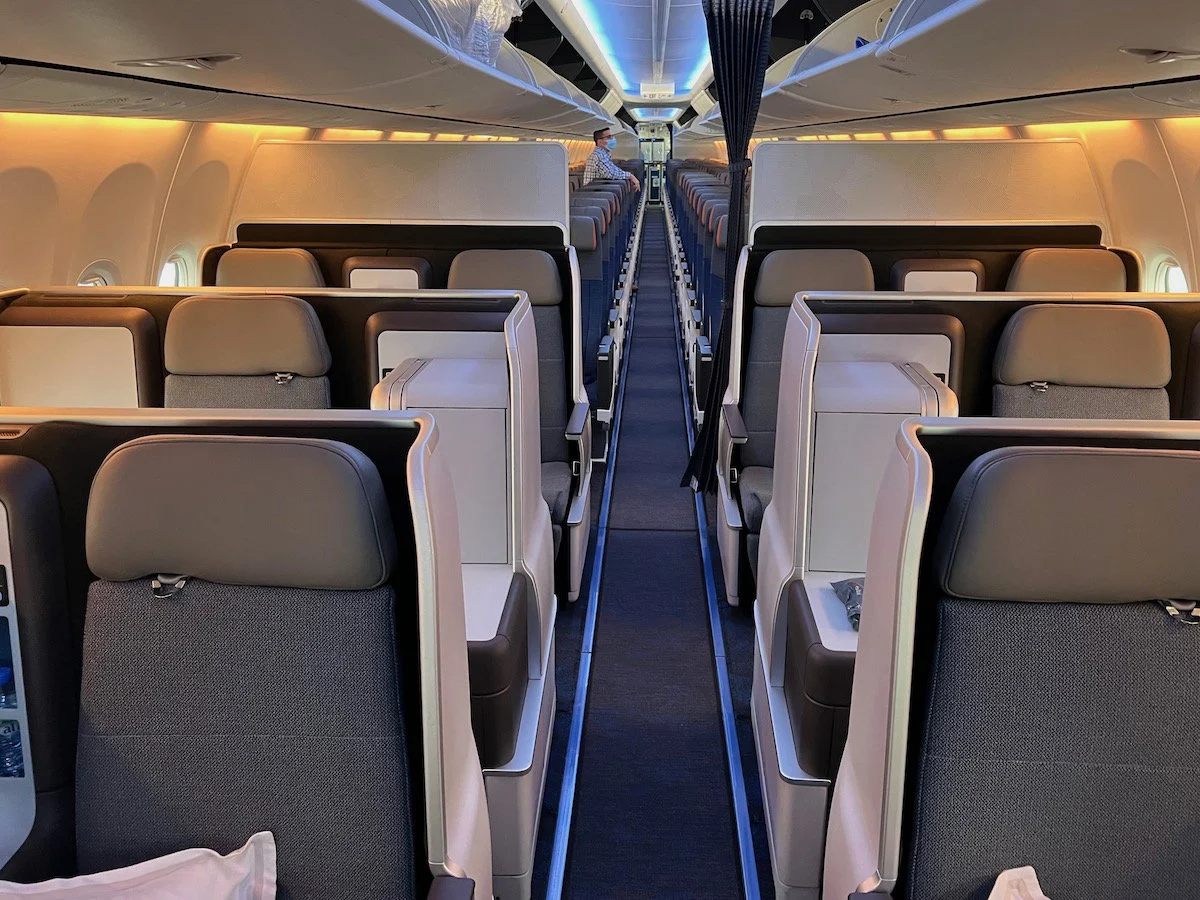
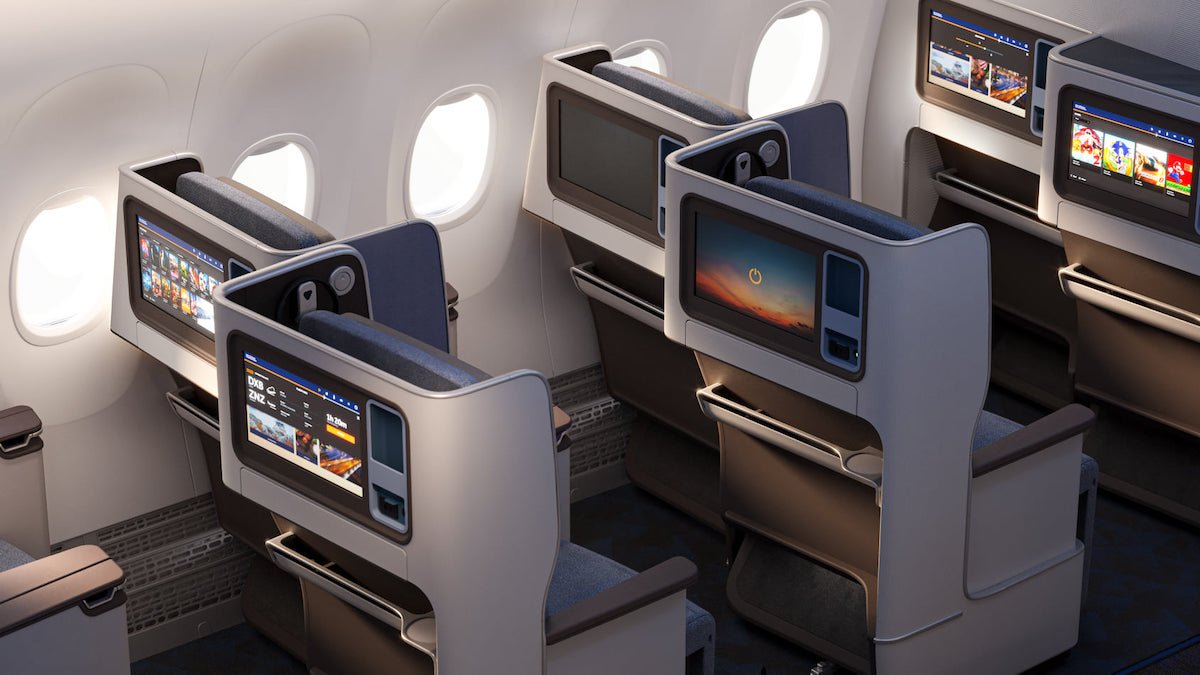
Dubai-based carrier Flydubai has officially announced a sweeping cabin retrofit initiative targeting 21 of its existing Boeing 737 MAX 8 aircraft. This strategic overhaul will see the removal of the airline’s regional-style business class seats in favor of full lie-flat beds. The ambitious project, scheduled for completion by late 2027, marks a major milestone in the airline’s ongoing evolution from a hybrid low-cost carrier into a more premium regional network operator. Once the refit is finalized, Flydubai will achieve absolute product consistency across its entire business-class-equipped fleet, resolving years of fragmented cabin configurations.
Background and Evolution of Flydubai’s Business Class Strategy
Founded by the Government of Dubai in 2008, Flydubai was initially conceived to complement the operations of its sister airline, Emirates. While Emirates focuses on widebody long-haul operations, Flydubai operates a narrowbody fleet to serve regional routes, secondary cities, and destinations that cannot economically or logistically support larger aircraft.
In its early years of operation, Flydubai relied entirely on Boeing 737-800 aircraft featuring standard recliner seats in business class. While adequate for short-hop regional flights, these seats fell short of the luxury standards synonymous with the broader Dubai aviation hub.
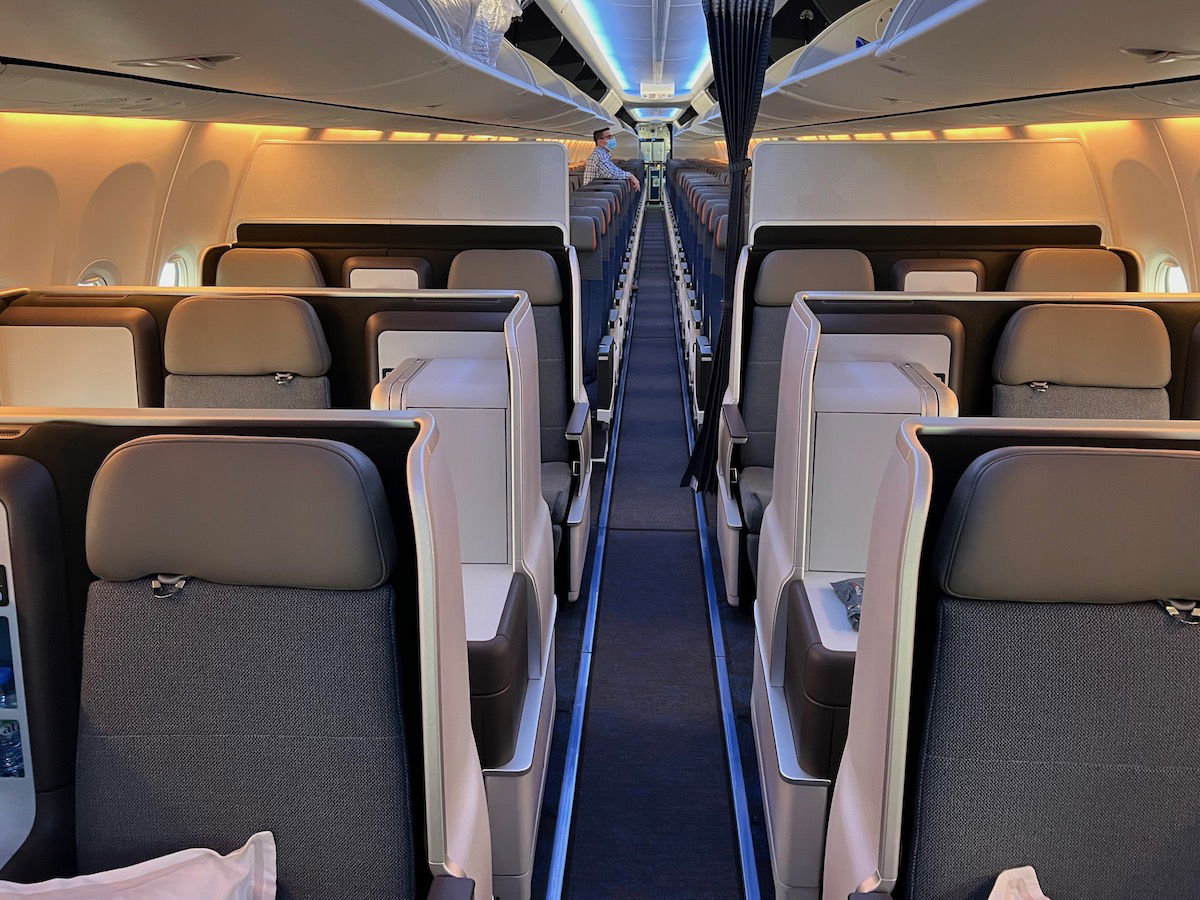
A significant turning point occurred in 2017 when Flydubai introduced its first lie-flat business class product to coincide with the delivery of its inaugural Boeing 737 MAX 8 aircraft. This move signaled the airline’s gradual pivot upmarket, catering to passengers demanding long-haul comfort on medium-haul routes spanning the Middle East, Europe, Africa, and South Asia.
However, the airline briefly reversed its standardization trajectory in 2023. Facing changing market dynamics and a growing demand for higher-density seating on shorter routes, Flydubai took delivery of several Boeing 737 MAX 8 aircraft outfitted with a newly designed, more compact regional business class product. This introduction created a fragmented passenger experience, dividing the fleet between legacy recliners, lie-flat suites, and the newer regional seats.
Chronology of Fleet Standardization
The announcement of the upcoming retrofit program is the culmination of a multi-year effort to streamline onboard product offerings. The timeline of Flydubai’s cabin evolution highlights this gradual progression toward uniformity:
- 2008 to 2016: Exclusive operation of Boeing 737-800 aircraft featuring regional recliner business class seats.
- 2017: Introduction of lie-flat beds on newly delivered Boeing 737 MAX 8 aircraft, substantially elevating the premium passenger experience.
- 2023: Delivery of select Boeing 737 MAX 8 aircraft featuring a specialized, quirky regional business class product intended for shorter sectors.
- 2024 to 2025: Progressive retrofitting of older Boeing 737-800 aircraft to equip them with the standard lie-flat bed product found on the majority of MAX aircraft.
- Late 2027 (Projected Completion): Finalization of the 21-aircraft Boeing 737 MAX 8 retrofit program, eliminating regional business class seats and establishing a single, uniform lie-flat product across all business-class-configured aircraft.
Details of the Upcoming Cabin Retrofit
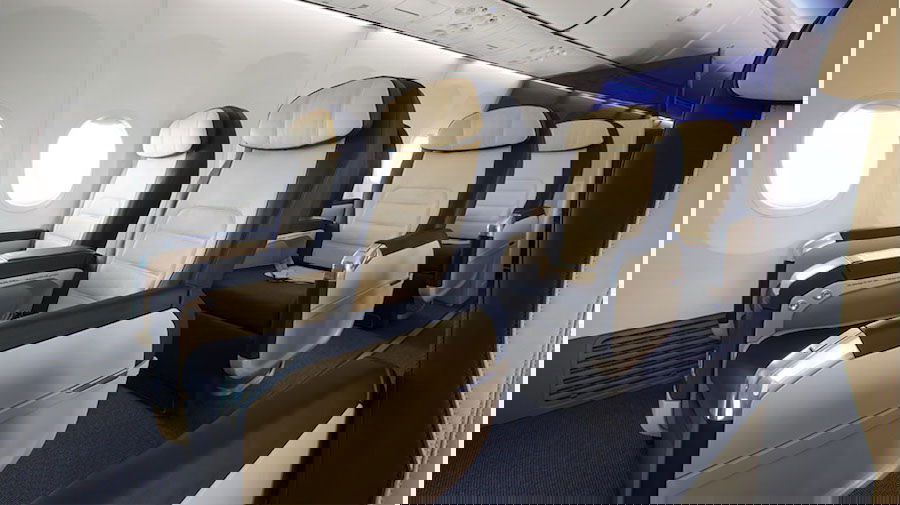
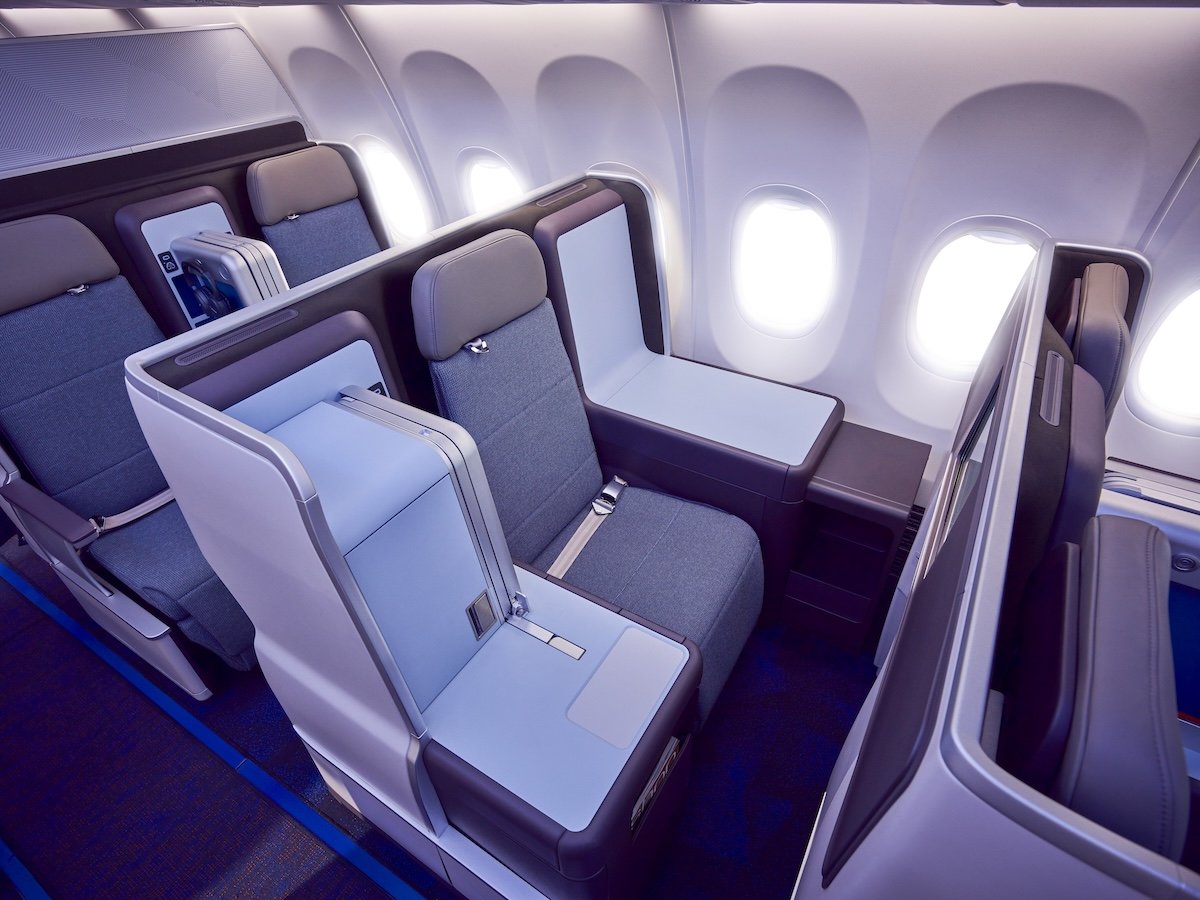
Under the newly announced program, 21 operational Boeing 737 MAX 8 aircraft will undergo intensive internal overhauls. Technicians will strip the regional business-class cabins and install the carrier’s flagship lie-flat bed seats.
When the project reaches completion in late 2027, every single aircraft in Flydubai’s fleet equipped with a business class cabin will feature identical seating. The only exceptions within the carrier’s fleet will be a small subset of aircraft operating in an all-economy configuration, typically deployed on high-density regional routes where premium demand is negligible.
Industry analysts note that fleet commonality delivers substantial operational and financial advantages. Standardized cabins simplify maintenance procedures, reduce spare parts inventory requirements, and streamline crew training. Furthermore, a consistent passenger experience eliminates booking friction, ensuring that travelers paying for a premium ticket receive the exact product they expect, regardless of last-minute aircraft swaps.
Broader Upmarket Strategy and Economy Class Enhancements
The cabin retrofit initiative is just one pillar of Flydubai’s broader strategy to redefine its market positioning. Long viewed as a hybrid carrier—bridging the gap between low-cost airlines and traditional network flag carriers—Flydubai has systematically introduced premium amenities across its network.
In recent months, the airline announced upgrades to its economy class product, including the introduction of complimentary hot meals and expanded inflight entertainment options on select routes. These enhancements are designed to harmonize the passenger journey for travelers connecting seamlessly between Flydubai and Emirates flights under their extensive codeshare agreement.
Looking toward the next decade, Flydubai is preparing for a monumental operational shift. Having already placed orders for widebody Boeing 787-9 Dreamliner aircraft and Airbus A321neo jets, the airline is poised to enter the true long-haul market. These upcoming widebody deliveries will enable Flydubai to launch direct flights to farther destinations in Europe, Asia, and potentially the Americas, pushing the boundaries of its current narrowbody capabilities.
Implications for the Emirates-Flydubai Partnership
Flydubai’s ongoing modernization naturally brings renewed attention to its unique relationship with Emirates. Both airlines are wholly owned by the Investment Corporation of Dubai (ICD) and operate a deeply integrated codeshare network that funnels traffic through Dubai International Airport (DXB).
Despite their close commercial ties, joint network planning, and aligned loyalty programs (such as Emirates Skywards), the two carriers maintain distinct brand identities. Passengers booking through Emirates can frequently find themselves flying on a Flydubai-operated aircraft for regional legs of their journey. Industry observers have long debated the long-term logic of maintaining two separate brands when their operational cooperation is so deeply intertwined.
Critics of the current dual-brand model argue that maintaining the Flydubai brand can occasionally cause confusion among international travelers who may be unfamiliar with the regional carrier when purchasing itineraries through Emirates channels. Conversely, proponents of the status quo emphasize that Flydubai provides essential operational flexibility, allowing the aviation hub to service smaller secondary airports that cannot accommodate Emirates’ larger widebody fleet.
As Flydubai continues to elevate its hard product—culminating in a fleet-wide lie-flat business class standard by 2027 and the impending arrival of widebody Boeing Dreamliners—the operational gap between the two sibling airlines continues to narrow.
Conclusion and Outlook
Flydubai’s decision to retrofit 21 Boeing 737 MAX 8 aircraft marks a definitive step toward product maturity. By eliminating regional business class configurations in favor of universal lie-flat seating, the airline is addressing historical inconsistencies and responding to growing consumer demand for elevated comfort on medium-haul routes.
As the aviation industry in the Middle East navigates complex regional dynamics and shifting passenger expectations, Flydubai’s capital investment in fleet standardization underscores its commitment to long-term quality and operational efficiency. With the retrofit program slated for completion in late 2027, the airline is positioning itself as a formidable, highly polished competitor in the global aviation landscape.









Leave a Reply