
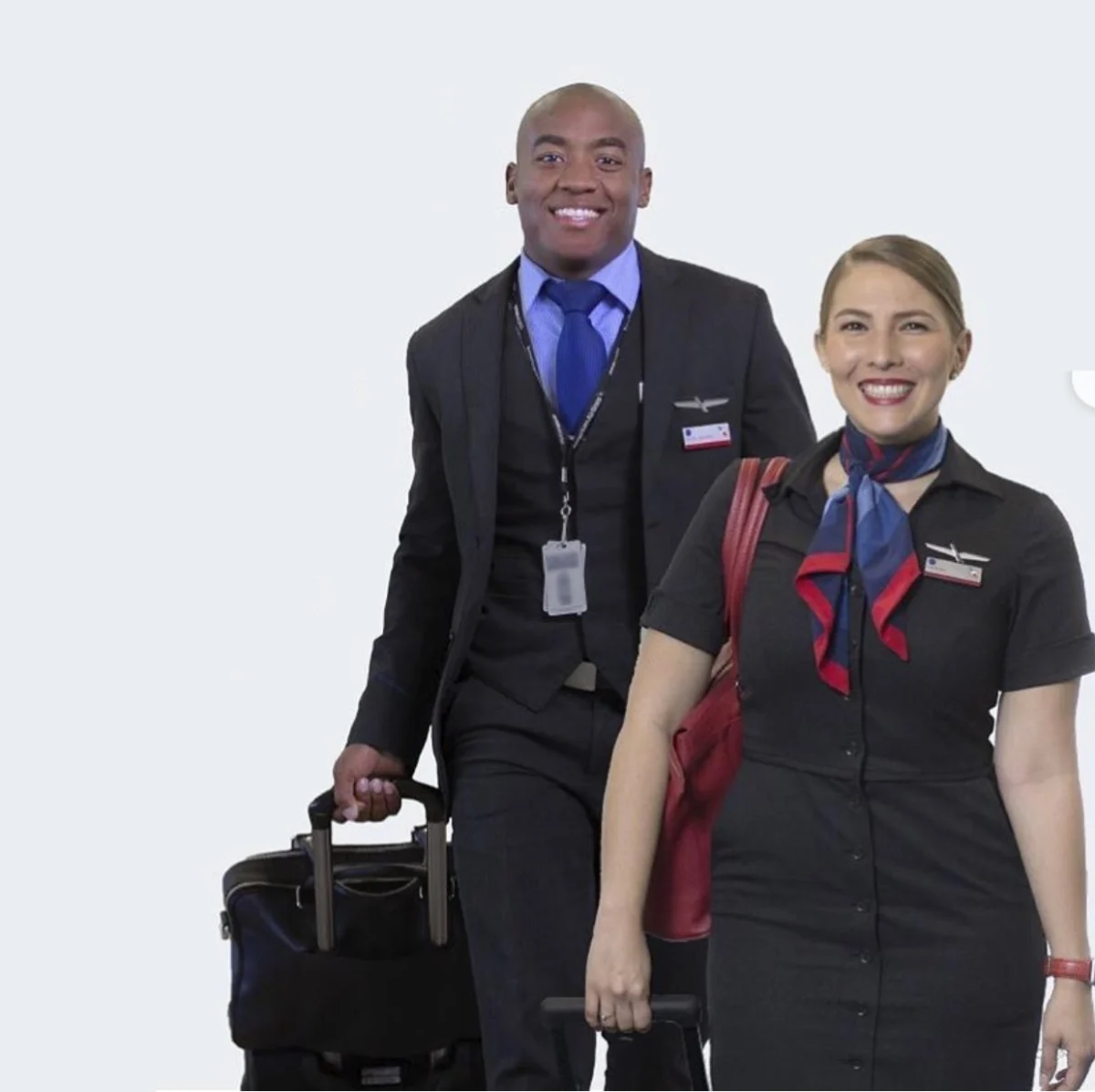
For over two decades, Gary Leff has established himself as a central figure in the specialized niche of travel loyalty programs, miles, and points. His career, which began in 2002, coincides with a period of profound transformation in the aviation industry, where frequent flyer programs evolved from simple marketing incentives into sophisticated, multi-billion-dollar financial assets for major global airlines. As an expert frequently cited by publications such as Conde’ Nast Traveler and a recurring voice in major news media, Leff’s trajectory offers a lens through which to view the maturation of consumer loyalty strategies in the 21st century.
The Rise of Loyalty Economics
To understand the professional significance of figures like Gary Leff, one must analyze the economic landscape of the airline industry at the turn of the millennium. In 2002, the travel sector was grappling with the aftershocks of the September 11 attacks, leading airlines to lean heavily on loyalty programs to ensure customer retention and generate non-ticket revenue.
During this era, programs like American Airlines AAdvantage and United MileagePlus transitioned from mere incentive tools to complex financial products. Banks began purchasing billions of miles to award as credit card perks, turning these loyalty programs into the most profitable segments of the airlines themselves. Leff, who co-founded the community InsideFlyer.com, entered the space precisely as the "points and miles" economy began its rapid expansion. His role as the emcee of the Freddie Awards—the travel industry’s equivalent of the Oscars for loyalty programs—further solidified his position as an authority on how these programs are structured, valued, and redeemed by consumers.
Chronology of Influence: Two Decades of Travel Analysis
The following timeline highlights key moments in the evolution of the loyalty landscape that Leff has covered throughout his career:
- 2002: The launch of early dedicated travel advice platforms, marking the transition from informal message boards to professionalized travel journalism.
- 2008-2009: The Great Recession forces airlines to rely more heavily on credit card partnerships as a hedge against decreased passenger volume, shifting the focus of loyalty programs toward high-spending cardholders.
- 2010: Gary Leff is recognized by Conde’ Nast Traveler as one of the "World’s Top Travel Experts," a designation he has maintained consistently over the following decade.
- 2015-2018: The industry shifts toward revenue-based earning models rather than distance-based models. This era saw a fundamental change in how "value" is defined for the average traveler.
- 2020-2022: The COVID-19 pandemic presents an unprecedented crisis for the industry. Loyalty programs become the primary liquidity source for airlines, with major carriers leveraging their loyalty programs as collateral for government-backed loans.
- 2023-Present: The post-pandemic landscape sees record-breaking demand for travel, with loyalty programs becoming more gamified and integrated into broader digital lifestyle ecosystems.
Supporting Data: The Value of Loyalty
The importance of the expertise provided by analysts like Leff is underscored by the sheer scale of the industry. According to industry reports from 2023, the loyalty program market is valued at over $150 billion globally. Major U.S. airlines now report that their loyalty programs contribute significantly to their operating margins. For instance, the valuation of some individual airline loyalty programs has at times exceeded the market capitalization of the airlines themselves.
Consumer participation has similarly spiked. In the United States, over 70% of frequent travelers hold at least one co-branded airline credit card. The complexity of these programs—involving dynamic pricing, multi-tier status requirements, and complex transfer partnerships—has created a demand for high-level analytical journalism. Consumers are no longer just looking for flight deals; they are looking for strategies to maximize the "earn-and-burn" cycle of points, a field where Leff has provided guidance for over twenty years.
Industry Perspective and Institutional Response
While airlines often maintain strict control over their program terms and conditions, they have increasingly engaged with industry experts to help bridge the gap between complex policy changes and consumer perception. Organizations like the Freddie Awards serve as a neutral ground where airline executives and consumer advocates converge.
Industry analysts note that the "democratization" of travel advice—moving from word-of-mouth to expert-led digital platforms—has forced airlines to be more transparent, or at least more strategic, in how they communicate program changes. When airlines announce "devaluations"—the industry term for when points become worth less—experts like Leff are often the first to interpret these changes for the public, providing the context that airlines rarely include in their press releases.
Implications for the Future of Travel
The implications of the loyalty-driven model are far-reaching. As airlines continue to prioritize premium travelers and high-spending cardholders, the nature of travel itself is changing. The "frequent business traveler," once the sole focus of these programs, now shares the ecosystem with "points hackers" and casual credit card users, all of whom are vying for the same limited supply of airline seats.
The analysis provided by Leff and his peers highlights a central tension: the trade-off between accessibility and exclusivity. As loyalty programs become more profitable, the barrier to entry for elite status has risen, and the ease of redeeming miles for premium cabins has decreased. This shift has turned the mastery of these programs into a skill set that requires constant monitoring and adaptation.
Analytical Outlook
Looking forward, the role of the travel expert is likely to become even more critical as artificial intelligence and automated booking platforms enter the space. While technology can aggregate prices, it often fails to account for the nuance of loyalty program rules, hidden transfer partners, and the "sweet spots" that experts have identified through years of trial and error.
The career path of experts like Gary Leff reflects a broader trend: the professionalization of consumer hobbyism. What was once considered a niche interest for frequent flyers has become a mainstream financial strategy for millions of households looking to offset the rising cost of travel. By maintaining a consistent presence in both media and industry events, Leff has helped define the standards of transparency and depth expected in this field.
Ultimately, the ecosystem of miles and points is no longer a peripheral marketing tactic; it is the engine room of the modern aviation industry. The continued demand for expert analysis in this area suggests that as long as airlines maintain these complex, multi-tiered loyalty architectures, there will be a need for independent voices to interpret, critique, and guide the consumer through the intricate, high-stakes world of modern frequent travel. As the sector continues to evolve toward more personalized and data-driven engagement, the foundational work done by those who began covering the industry in the early 2000s remains the benchmark for current and future analysts.








Leave a Reply