
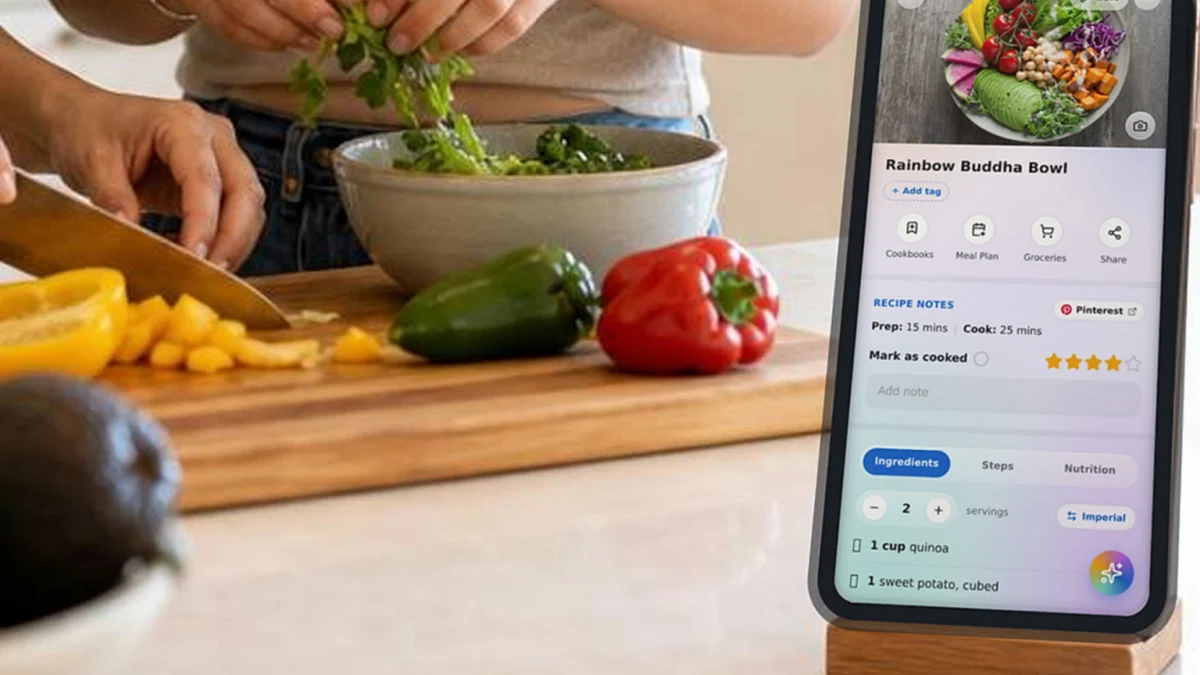
The modern home cook faces a paradoxical dilemma: never before has there been more access to culinary inspiration, yet the process of translating that inspiration into a tangible meal remains fraught with friction. Between the infinite scroll of TikTok, the static pins on Pinterest, the scattered screenshots on smartphones, and the physical clutter of legacy cookbooks, home cooks often find themselves paralyzed by an overwhelming abundance of unorganized data. Market research into consumer behavior suggests that while the average household saves dozens of recipes per month, the conversion rate from a "saved" status to an actual home-cooked meal is disproportionately low, often hampered by the lack of a centralized management system.
Addressing this digital fragmentation, the AI-powered platform ReciBites has emerged as a comprehensive solution designed to ingest disparate culinary data and synthesize it into actionable meal plans. For a limited time, the platform is offering lifetime access to its premium tier, ReciBites Plus, for $39.99—a significant reduction from its standard retail valuation of $360.
The Evolution of Recipe Management
The shift toward digital recipe management has evolved rapidly over the last decade. Early adopters relied on primitive digital scrapbooks or basic bookmarking tools. However, as social media platforms pivoted toward short-form video content—where recipes are often presented without standardized measurements or ingredient lists—the need for intelligent parsing software became apparent.
ReciBites operates by acting as a digital ingestion engine. Users can import content from virtually any source, including social media platforms like Instagram, Facebook, and YouTube, as well as traditional websites and even non-digital media. Through optical character recognition (OCR) and AI-driven analysis, the platform converts images of handwritten recipe cards or printed cookbook pages into structured, editable digital formats. This process solves the primary pain point of "recipe clutter" by establishing a unified, searchable database that removes the need to switch between half a dozen apps to find a specific cooking method.
Chronology of AI Integration in Home Cooking
The integration of artificial intelligence into the kitchen is a relatively recent development, marking a shift from passive recipe storage to active culinary assistance.
- 2018–2020: The rise of "food influencer" culture led to an explosion of recipe content. During this period, users primarily relied on platform-specific "saves" or screenshots, leading to fragmented databases and poor accessibility.
- 2021–2022: The emergence of AI-parsing tools began to allow for the automated extraction of ingredient lists from unstructured text, though these tools were often inaccurate or required significant manual input.
- 2023–2024: The current era, exemplified by platforms like ReciBites, focuses on holistic integration. Modern AI now performs complex tasks, including nutritional breakdown, macro-nutrient calculation, and the identification of dietary allergens, effectively acting as a personal nutritionist and executive chef.
Analytical Breakdown: Why Centralization Matters
The value proposition of a centralized platform extends beyond mere organization. Data suggests that food waste is a significant issue in the average household, often exacerbated by a lack of cohesive grocery planning. By analyzing the ingredients required for a week’s worth of planned meals, ReciBites is capable of merging redundant requirements into a single, aisle-organized grocery list.
From a behavioral perspective, this creates a "closed-loop" system. When a user selects a series of recipes for a weekly meal plan, the software automatically cross-references these with existing inventory and current grocery needs. This minimizes the risk of over-purchasing perishable goods, which is a major contributor to food waste and unnecessary household expenditure. Furthermore, the platform’s ability to scale servings—automatically adjusting ingredient measurements based on the number of diners—eliminates the mathematical guesswork that often leads to cooking errors.
Dietary Personalization and Health Insights
One of the most robust features of the ReciBites Plus offering is its ability to provide real-time nutritional analysis. For individuals managing chronic health conditions, allergies, or specific fitness goals, manual calorie and nutrient tracking can be an exhausting endeavor.
The platform’s AI engine parses the ingredient list of any imported recipe to generate a detailed breakdown of calories, macros (proteins, fats, and carbohydrates), and micronutrients. If a recipe contains an ingredient that conflicts with a user’s saved dietary profile—such as an allergen or an ingredient that exceeds a sugar threshold—the system triggers an alert. Moreover, the AI suggests intelligent substitutions, such as recommending a high-protein swap or a gluten-free alternative, without compromising the integrity of the original dish. This functionality essentially democratizes access to personalized nutrition, a service that previously required expensive professional consultations.
The Social Component and Future Implications
While the platform is primarily a tool for individual organization, it has introduced a social layer designed to foster community engagement. By allowing users to connect with friends and family within the app, the platform creates a "trusted network" of recipes. This shifts the focus away from the generic, algorithm-driven recommendations of social media feeds and toward curated, peer-verified culinary ideas.
From an industry standpoint, the move toward such platforms represents a broader trend in the "Smart Home" sector. As kitchens become increasingly digitized, software that bridges the gap between digital content and physical execution is likely to see increased adoption. The ability to generate a recipe based on the specific "leftovers" currently sitting in a user’s refrigerator—a feature integrated into the ReciBites AI Cooking Assistant—demonstrates how AI is moving from a novelty to a practical tool for daily living.
Strategic Implications for Consumers
The lifetime access offer serves as a strategic entry point for users looking to consolidate their digital footprint. Given the high retail cost of $360, the $39.99 price point represents a significant incentive for long-term usage. For the average user, the time saved in manual data entry, grocery list consolidation, and nutritional calculation over the course of a single year likely outweighs the initial investment.
As software-as-a-service (SaaS) models continue to dominate the consumer app landscape, lifetime licenses provide a hedge against the rising tide of subscription fatigue. By securing access now, users can insulate themselves from future price hikes while benefiting from the platform’s ongoing AI model updates.
Conclusion: From Information Overload to Action
The transition from having a "recipe collection" to actually having a "meal plan" is the final frontier for the modern home cook. By automating the ingestion of diverse media and providing the tools to manage that content through AI, ReciBites addresses the core issues of efficiency and organization that have plagued home cooks in the digital age.
As the industry continues to refine how artificial intelligence interprets human culinary needs, the barrier between a photo on a smartphone and a meal on the table will continue to shrink. For those currently struggling with a disorganized collection of digital recipe clippings, the platform offers a robust, data-driven methodology to streamline the cooking process, reduce food waste, and improve nutritional outcomes, all within a singular, accessible interface.
Note: The pricing and availability mentioned are provided via StackSocial and are subject to change based on market demand and promotional windows.










Leave a Reply