
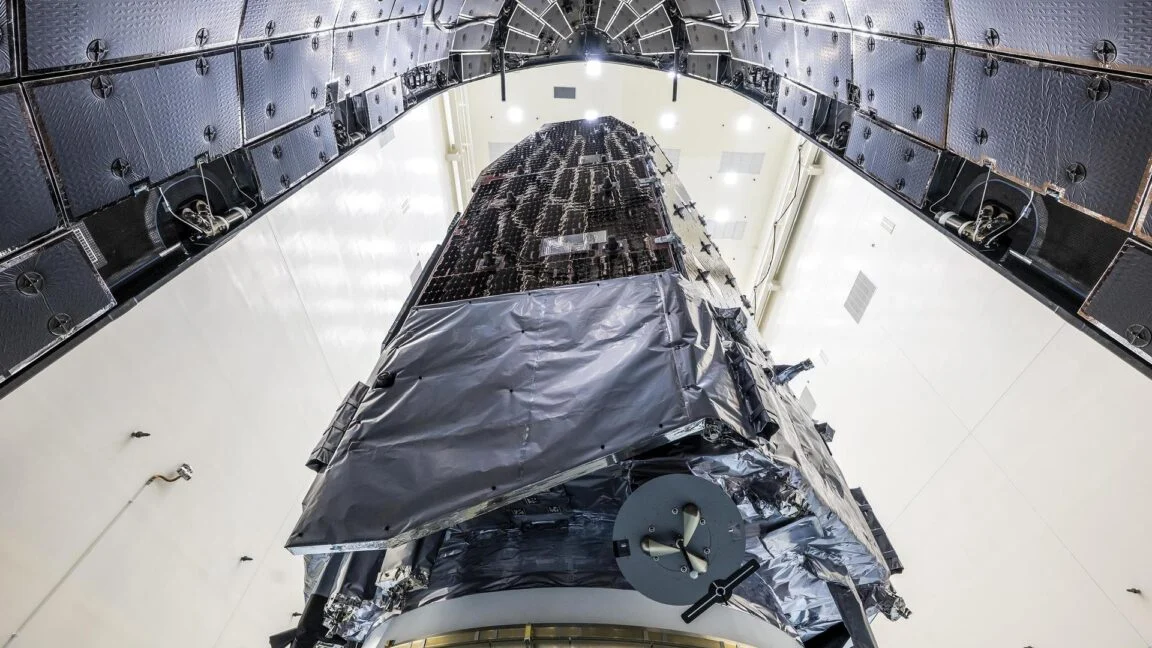
Glide paths through the cosmos rarely align with the meticulous precision engineers script on paper, yet NASA’s newly deployed $4.3 billion Nancy Grace Roman Space Telescope has achieved an orbital insertion so remarkably accurate that its operational lifespan has effectively doubled. Initially slated for a baseline mission of five years—with a potential five-year extension—the high-powered observatory now carries a propellant reserve robust enough to sustain at least 22 years of continuous scientific operations.
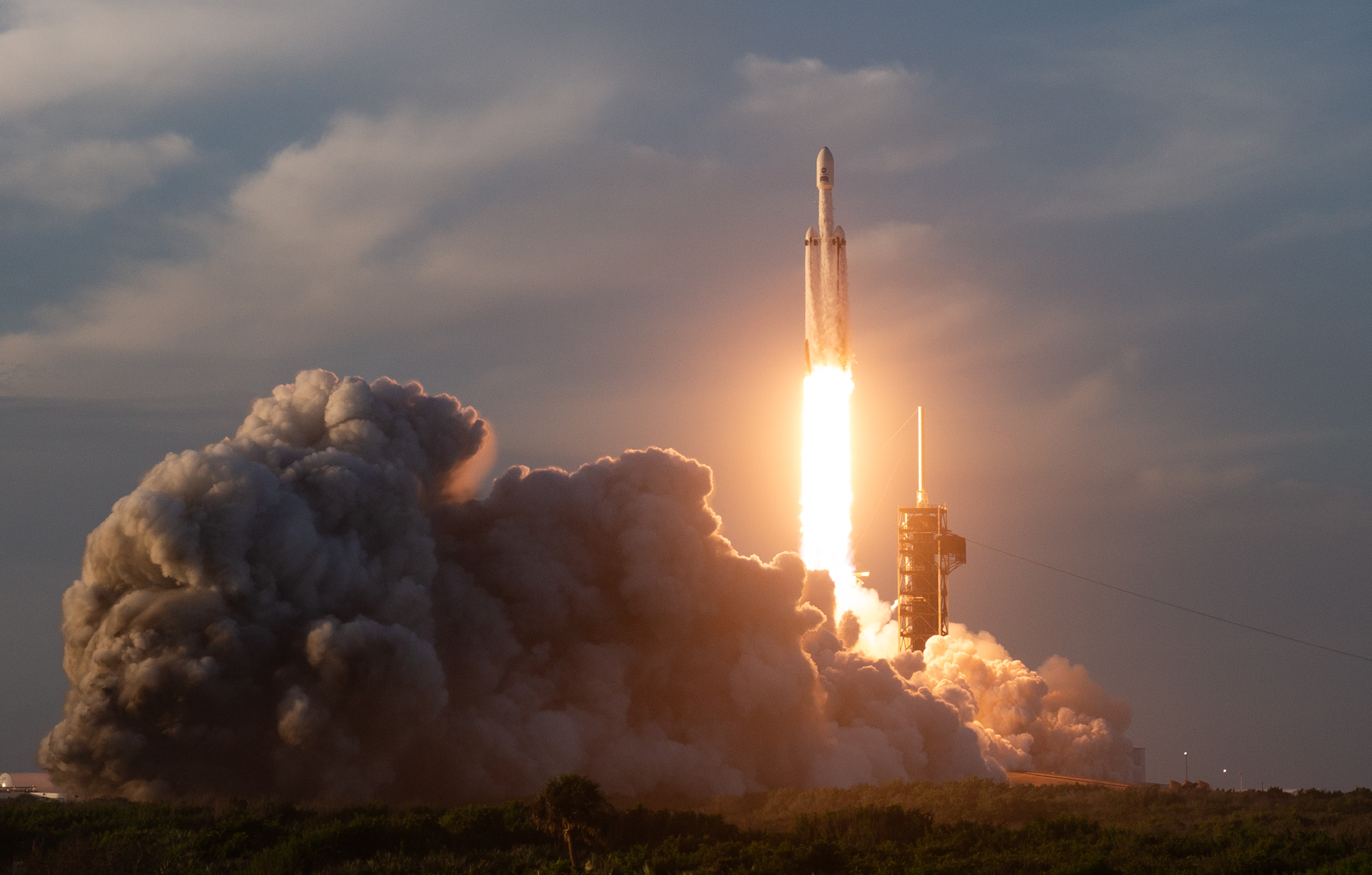
Launched on August 30 from the Kennedy Space Center in Florida aboard a SpaceX Falcon Heavy rocket, the observatory is currently journeying toward its permanent observation post a million miles from Earth. The mission, designed to vastly expand humanity’s understanding of cosmic structures, dark energy, and exoplanets, represents a milestone not only in astronomical instrumentation but also in orbital mechanics and launch vehicle accuracy.
The anatomy of this unexpected windfall lies in a combination of meticulous preflight mass management, a lighter-than-expected final spacecraft assembly, and an exceptionally clean trajectory delivered by SpaceX.
A Masterclass in Orbital Mechanics and Mass Budgets
When NASA confirmed the mission baseline in 2020, mission architects projected a conservative timeline. Spacecraft mass invariably fluctuates throughout the design, integration, and testing phases. To guard against running short of fuel during its decades-long tenure, propulsion teams base their calculations on a maximum allowable wet mass value.
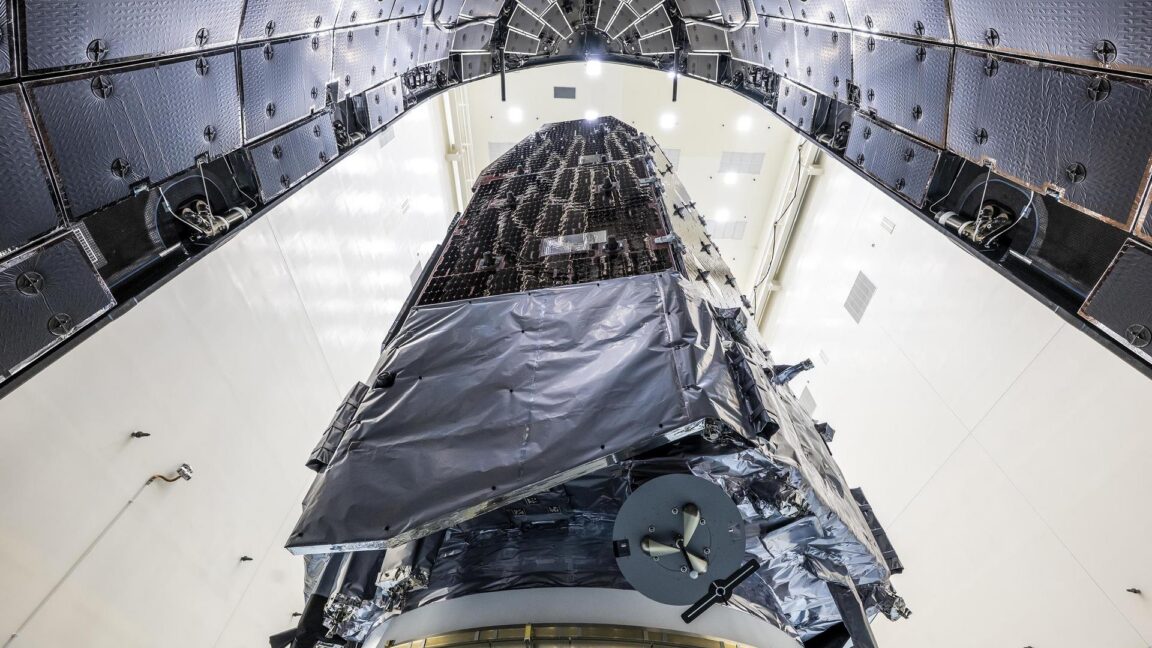
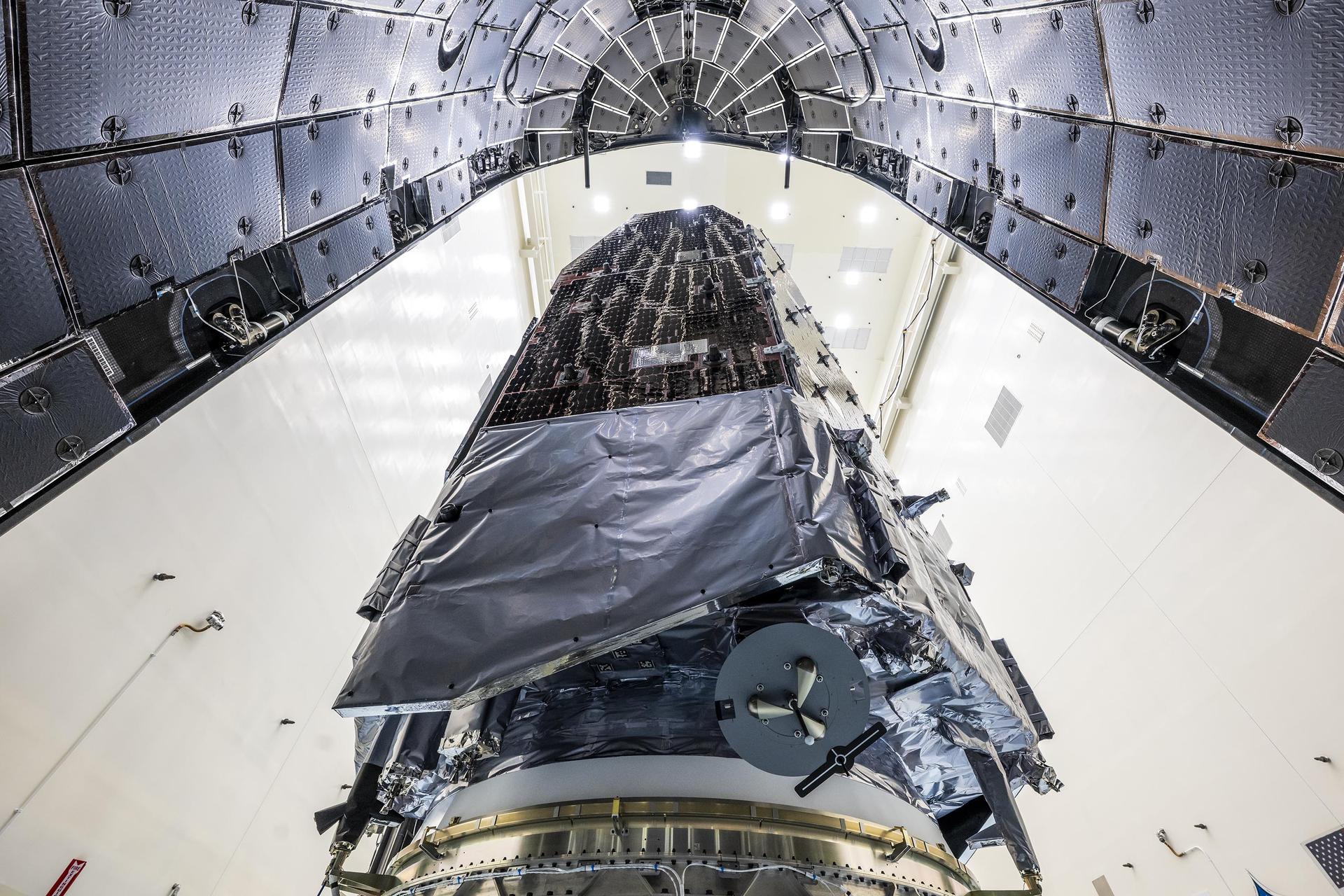
However, as integration wrapped up, the Roman Space Telescope tipped the scales at 17,760 pounds (8,056 kilograms)—approximately two tons under its maximum allowable limit. This unexpected mass savings granted ground crews at Kennedy Space Center the flexibility to load 290 gallons (1,100 liters) of hydrazine propellant into the observatory’s four fuel tanks, reaching total capacity rather than capping it at the baseline requirement.
At liftoff, the fully fueled observatory weighed 20,224 pounds (9,173.5 kilograms), remaining a comfortable half-ton below its structural limit. This lower mass proved advantageous immediately following separation. During the spacecraft’s first major course-correction maneuver executed one day into flight, Roman’s 24 control thrusters consumed a mere 40 pounds (18 kilograms) of hydrazine, a sharp drop from the preflight allocation of 441 pounds (200 kilograms).
Jamie Dunn, center director at NASA’s Goddard Space Flight Center, praised the cooperative triumph of the launch and flight operations teams. "As a result of exquisite planning by our orbital dynamics team, brilliant execution by the operations team, and a precise launch from SpaceX, Roman has fuel for at least 22 years of potential science operations," Dunn noted in a statement.
Amit Kshatriya, NASA’s associate administrator, echoed these sentiments during a presentation at the American Astronautical Society’s Glenn Space Technology Symposium, thanking SpaceX for "putting us down the middle" of the target trajectory, which optimizes long-duration performance and station-keeping longevity.
Journey to the Lagrange Point
The Falcon Heavy launch injected the observatory onto a trajectory directed toward the Sun-Earth L2 Lagrange point, a gravitational sweet spot located approximately one million miles (1.5 million kilometers) from Earth. This location offers a stable thermal environment and an unobstructed view of deep space, making it an ideal real estate for premier space telescopes, including the James Webb Space Telescope, which similarly benefited from an exceptionally precise Ariane 5 launch in 2021.
It will take Roman approximately three months to navigate this path, culminating in a final insertion maneuver scheduled for early December. A secondary course correction later in the month will provide a minor velocity adjustment, which mission controllers project will consume less propellant than originally modeled, preserving even more reserves for future use.
Once safely ensconced in its quasi-halo orbit around L2, Roman will execute routine station-keeping burns roughly every 28 days. The propulsion system will also be utilized periodically to unload momentum from the spacecraft’s six reaction wheels, which manage its pointing and orientation.
Engineering for Future Interventions
Despite the extraordinary fuel windfall, NASA engineers designed the Roman Space Telescope with contingency features in mind from its inception. The primary factor limiting the lifespan of deep-space observatories is invariably propellant depletion. Recognizing this, NASA established a mandate that Roman must be capable of in-space refueling—a first for a NASA scientific observatory.
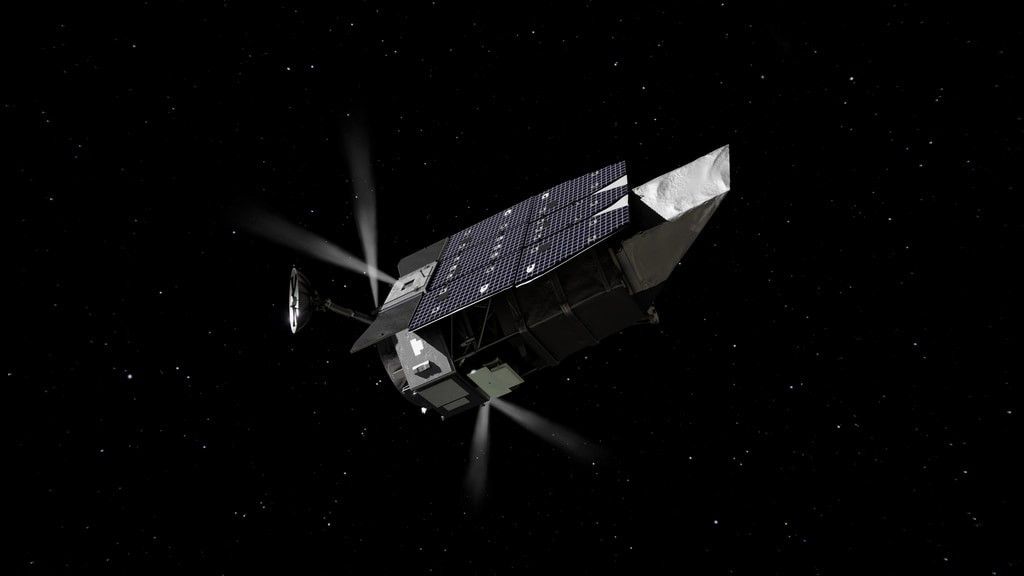
Unlike the Hubble Space Telescope, which was serviced five times by astronauts aboard the Space Shuttle for repairs, optical upgrades, and orbital boosts, Roman is stationed a million miles away, rendering human-crewed maintenance unfeasible with current technology. Instead, engineers equipped the observatory’s underside with a standardized grapple fixture, alongside optical navigation aids such as a retroreflector and external reference points. These fixtures are tailored to assist an uncrewed, robotic servicing vehicle during rendezvous and docking maneuvers.
Jackie Townsend, Roman’s project manager at NASA Goddard, emphasized the forethought embedded in the spacecraft’s design. "While Roman is nowhere near as serviceable as the Hubble Space Telescope was, we do have everything that’s necessary to enable the rendezvous and capture and docking with a hypothetical servicer; that’s the point of the grapple fixture," Townsend explained.
Furthermore, the thermal blanketing surrounding Roman’s fueling port features a specialized magnetic closure, engineered specifically to simplify the process for a robotic arm to peel back, attach a fuel line, and reseal the port. While commercial and defense sectors are actively developing satellite refueling capabilities in low-Earth and geosynchronous orbits, no current spacecraft possesses the delta-V capability required to reach L2. Nevertheless, the presence of these mechanical hooks and magnetic blankets ensures that if deep-space logistics mature over the next two decades, Roman can be topped off.
Scientific Horizons and Instrument Checkout
With the spacecraft’s mechanical and propulsion systems performing exceptionally well, the scientific community is shifting its attention toward the observatory’s payload. On September 1, ground controllers successfully opened Roman’s aperture cover, allowing starlight to strike the primary mirror for the first time.
Preliminary checkouts have yielded overwhelmingly positive results. Telemetry data from the spacecraft’s Wide Field Instrument—fitted with 18 near-infrared detectors capable of producing 300-megapixel-equivalent images—indicates that all mirrors and charge-coupled devices (CCDs) are cooling down correctly. Connectivity and false current tests have returned green lights across all detectors.
Roman’s secondary instrument, a specialized coronagraph designed for the direct imaging and spectroscopic characterization of exoplanets, has also functioned smoothly during early diagnostics.
The scientific scope of the mission is immense. Operating at a resolution comparable to the Hubble Space Telescope but boasting a field of view 100 times larger, Roman is designed to survey vast swaths of the cosmos at unprecedented speeds. Astronomers estimate that observations requiring a century under Hubble’s configuration can be accomplished by Roman in a single month.

By mapping expansive galactic clusters and the intricate cosmic webs of matter and dark matter, researchers hope to constrain the properties of dark energy—the mysterious, repulsive force driving the accelerated expansion of the universe. Additionally, Roman’s microlensing survey will hunt for elusive exoplanets hidden deep within the Milky Way, expanding the census of alien worlds.
As the spacecraft continues its steady cruise toward L2, the combination of conservative initial budgeting, a featherlight final mass, and a pristine launch profile has transformed a robust decade-long observatory into a potential multi-decade scientific powerhouse. If current operational trajectories hold, the Nancy Grace Roman Space Telescope will spend the entirety of the 2030s—and potentially well into the 2040s—rewriting our understanding of the cosmos.










Leave a Reply