
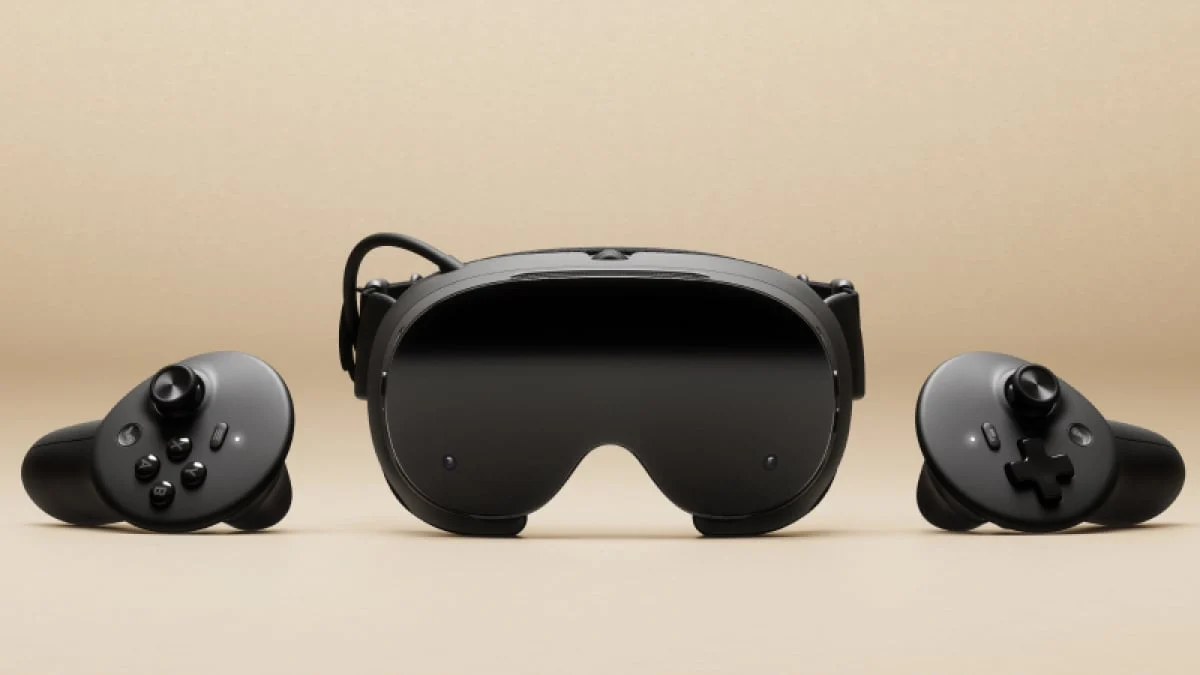
After years of intense speculation, industry rumors, and anticipation from the gaming community, Valve has officially launched the Steam Frame. Released on September 18, 2026, the device marks the company’s most significant foray into virtual reality hardware since the Valve Index, which debuted in 2019. By bridging the gap between high-fidelity VR experiences and the portability of the Steam Deck, Valve has attempted to redefine the expectations for the medium. However, early reviews and market analysis suggest that while the technology is a triumph of engineering, it faces a steep uphill battle in a cooling VR market.
A Chronology of Anticipation
The narrative of the Steam Frame began long before its formal announcement in November 2025. Following the massive success of the Steam Deck, which revitalized the handheld gaming market, industry analysts began predicting that Valve would inevitably seek to capitalize on that momentum with a standalone VR solution. For years, the "Deckard"—a codename whispered in enthusiast forums—was the subject of patent filings and supply chain leaks.
When Valve finally broke its silence in November 2025, the announcement served as a strategic signal that the company was not ceding the VR space to competitors like Meta or Apple. The interim months between the reveal and the September 18, 2026, launch were characterized by rigorous beta testing and developer outreach. During this time, Valve aimed to ensure that its "SteamOS for VR" ecosystem was robust enough to handle both the demanding graphical requirements of VR titles and the latency-sensitive streaming required for non-VR, desktop-based applications.
Technical Prowess: A New Benchmark for Convenience
The most consistent praise for the Steam Frame lies in its design philosophy, which prioritizes user experience over raw, tethered power. Critics from major outlets, including PC Gamer, have lauded the device for its "plug-and-play" nature. By removing the need for external base stations or cumbersome cables, Valve has significantly lowered the barrier to entry for casual users.
Jacob Ridley, writing for PC Gamer, emphasized that the Steam Frame effectively eliminates the "friction" that has long plagued the VR industry. This sentiment is shared by users who appreciate the device’s ability to act as a wireless, high-fidelity monitor. The versatility of the headset—which allows users to project their entire Steam library onto a virtual, customizable screen—positions the device not just as a gaming tool, but as a potential replacement for a primary multi-monitor desktop setup.
Furthermore, the wireless performance of the device has surprised even the most cynical reviewers. Zack Zwiezen of Kotaku noted that the streaming capabilities of the Steam Frame were "seamless and perfect," marking a significant departure from the stuttering, lag-prone experiences common in early wireless VR prototypes. This technical achievement suggests that Valve’s proprietary streaming protocols have matured to a level where the distinction between local and remote processing is nearly imperceptible to the average gamer.
The "Steam Deck" Effect
The Steam Frame is effectively the spiritual successor to the Steam Deck, utilizing a refined version of the same operating system architecture. This allows for a unified library where users can move from handheld play to a virtual cinema environment without rebuying software or struggling with compatibility layers. Chris Person of Aftermath highlighted this, describing the device as an effort to "unify several different use cases into a single open platform."
This ecosystem approach is the backbone of Valve’s strategy. By leveraging the massive install base of the Steam platform, the company hopes to bypass the "walled garden" approach favored by its competitors. By keeping the hardware open and compatible with existing PC libraries, Valve is betting that consumers will value platform freedom over the platform-exclusive models that have defined the VR landscape for the last decade.
Economic and Market Challenges
Despite the technical accolades, the Steam Frame faces a harsh economic reality. Priced at $1,059 for the 256GB entry-level model and escalating to $1,299 for the 1TB version, the headset sits at the premium end of the consumer electronics spectrum. This price point, combined with a volatile global economy, has sparked debate regarding the target demographic.
Critics have pointed out that the current state of VR software development is at its lowest point in years. While the hardware is highly capable, the library of "killer apps" required to justify such a high investment is sparse. James Archer of Rock Paper Shotgun noted that the supply of original, high-budget VR games has slowed to a "dribble," leaving early adopters with little to play beyond existing titles that have been ported or patched for VR.
This issue is compounded by the "VR fatigue" currently felt across the industry. After the initial hype cycle of 2016–2020, many consumers and developers shifted their focus toward AR or traditional console gaming. Devindra Hardawar of Engadget suggested that the Steam Frame may simply be "arriving too late" to reverse the downward trend in VR interest, noting that the device is a "solid standalone experience" struggling to justify its existence in a market that has moved on.
Performance and Reliability Issues
While the hardware design is praised, the initial launch has not been without technical turbulence. CNET’s Scott Stein highlighted significant concerns regarding battery life, which remains a limiting factor for extended play sessions. Furthermore, reports of buggy firmware and software instability at launch have tempered the excitement. These issues are common for first-generation hardware, yet they are particularly damaging for a product priced well over $1,000.
Valve has acknowledged these concerns through a series of rapid-fire software updates, reflecting the company’s "continuous improvement" philosophy. However, the optics of a $1,000-plus device shipping with "buggy performance" have led many reviewers to recommend that the average consumer wait for hardware revisions or a more mature software ecosystem before committing their capital.
The Broader Implications for Virtual Reality
The release of the Steam Frame acts as a litmus test for the industry. If the device succeeds despite the current lack of software, it may prove that there is a long-term demand for high-end, PC-tethered VR hardware. Conversely, if the device fails to gain traction, it may signify the end of the "enthusiast-grade" standalone VR experiment for the near future.
Valve’s approach is fundamentally different from the Meta Quest model, which relies on mobile-chipset-based games and social integration. By contrast, the Steam Frame leans heavily into the PC master-race ethos, assuming the user already owns a capable gaming computer to drive the high-fidelity experiences. This strategy risks alienating the mass market in favor of the hardcore enthusiast, a segment that, while loyal, is limited in size.
Future Outlook
As the dust settles on the September 2026 launch, the consensus remains that the Steam Frame is a brilliant piece of engineering trapped in an awkward market cycle. Its success will likely hinge on three factors:
- Software Support: Whether developers see enough value in the platform to commit to exclusive VR titles or high-quality VR ports.
- Hardware Revisions: How quickly Valve can address the battery life and stability concerns that have plagued the initial units.
- Price Adjustments: Whether the company will consider aggressive discounts or "Steam-backed" subsidies to bring the price closer to the psychological $700–$800 range.
For now, the Steam Frame stands as a testament to what is possible when a company prioritizes user control and open ecosystems. It is a "fascinating piece of hardware," as noted by IGN’s Jacqueline Thomas, but it is currently an experimental journey. For those who want the absolute pinnacle of wireless VR, it is an essential purchase; for everyone else, the current consensus is to wait and see if the software ecosystem can catch up to the hardware’s potential.
In the final analysis, Valve has succeeded in creating a superior device, but in the fast-moving world of gaming technology, excellence is only one half of the equation. The other half is timing, and whether the market is ready to embrace a new vision for VR remains the most significant question of the year.










Leave a Reply