
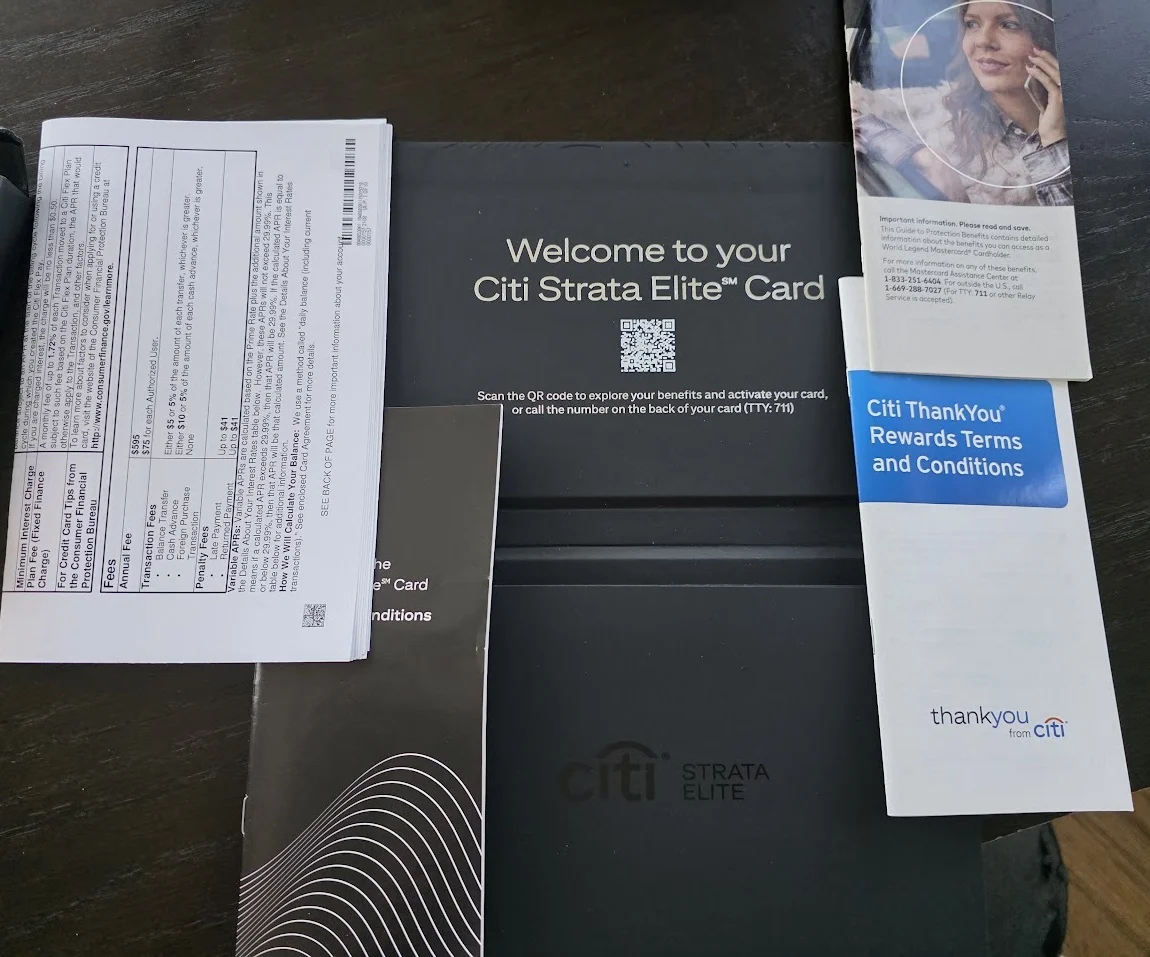
The financial services landscape for premium travel credit cards continues to evolve, with Citibank recently updating its flagship offerings to capture a larger share of the affluent travel market. Central to this strategy is the Citi Strata Elite card, which has launched a significant acquisition campaign featuring a 75,000-point bonus after a qualifying spend of $6,000 within the first three months of account opening. This development is particularly notable for its inclusivity, as current holders of the Citi Strata Premier and Citi Prestige cards remain eligible for the offer, marking a departure from more restrictive industry standards that often exclude existing customers from new product bonuses.
The Anatomy of the New Offer
The current promotional structure for the Citi Strata Elite is designed to provide immediate value to cardholders who frequently engage in air travel and luxury hotel stays. With a $595 annual fee, the card is positioned squarely in the "premium" segment, competing directly with high-end travel cards such as the American Express Platinum and the Chase Sapphire Reserve.
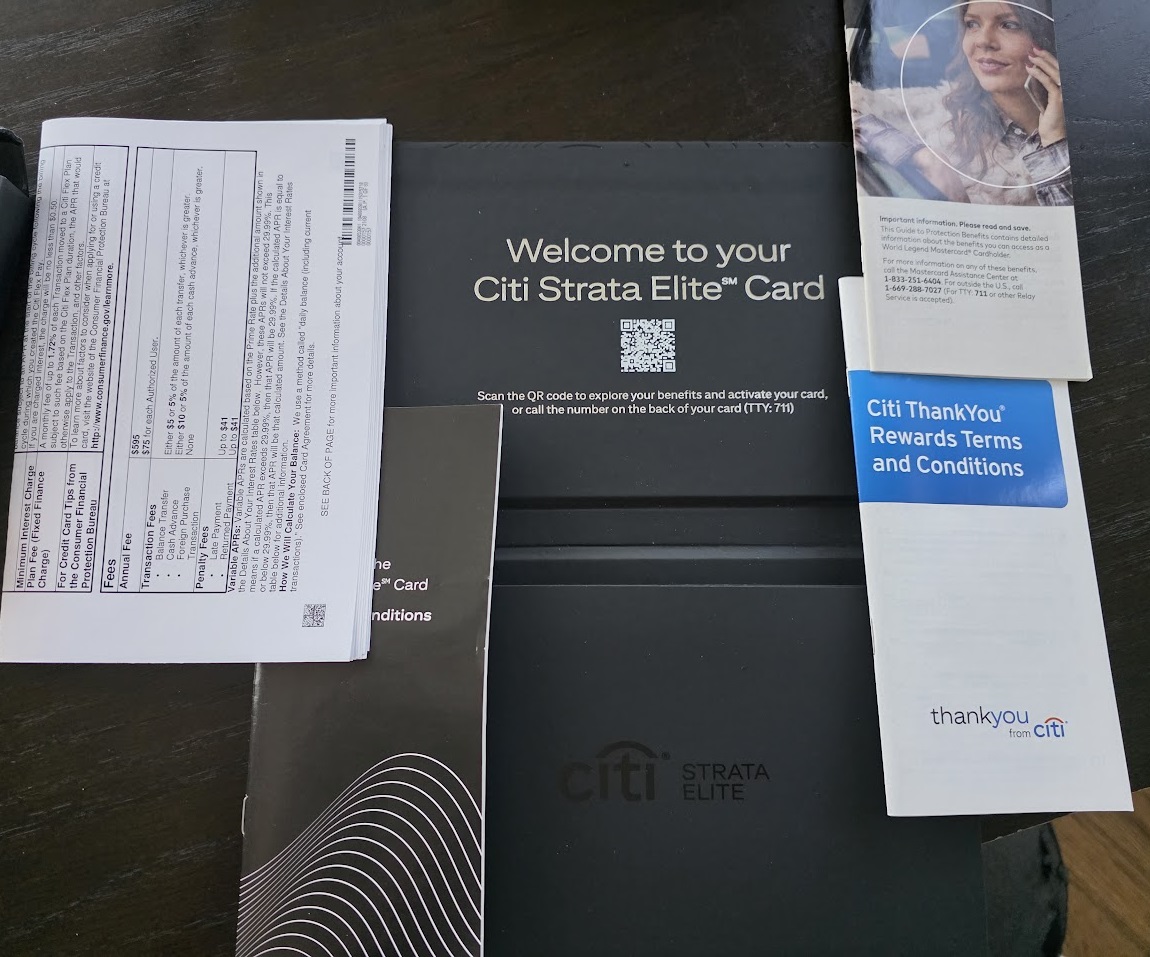
The core value proposition relies on a combination of substantial upfront points and recurring annual credits. The 75,000-point bonus, which independent valuation experts generally estimate to be worth approximately $1,125 when redeemed for travel through transfer partners, serves as the primary incentive. When coupled with the card’s integrated travel credits—which can provide up to $1,200 in annual value through various reimbursements—the total potential first-year value exceeds $2,300. This calculation excludes the secondary market value of benefits such as Priority Pass memberships for the primary and authorized cardholders, as well as the provision of four American Airlines Admirals Club passes per year.
Strategic Market Positioning
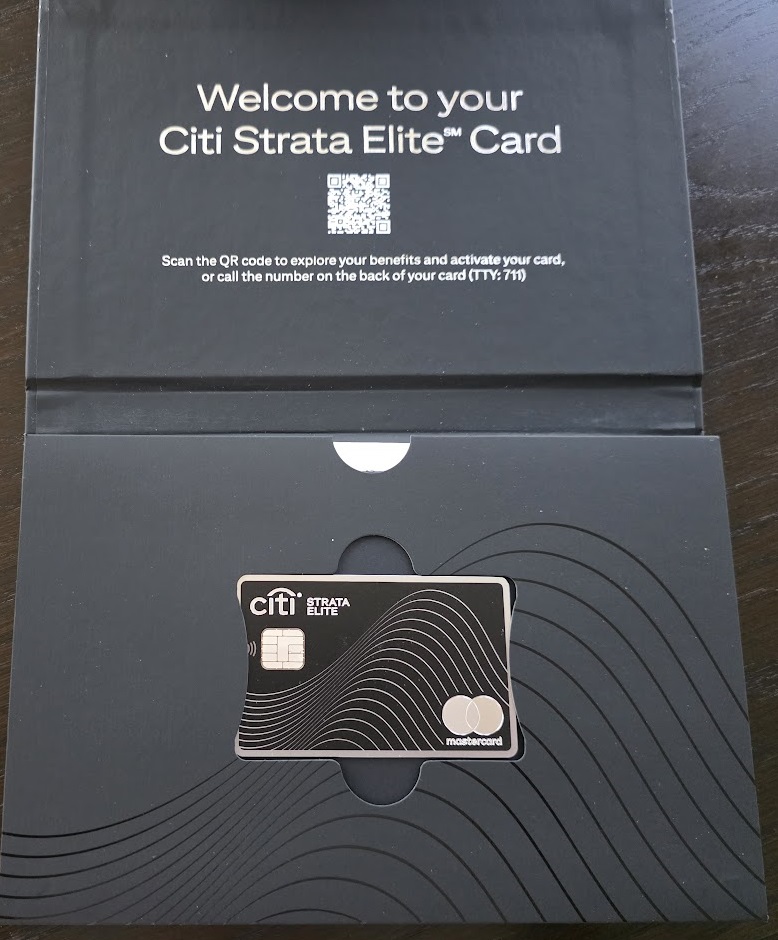
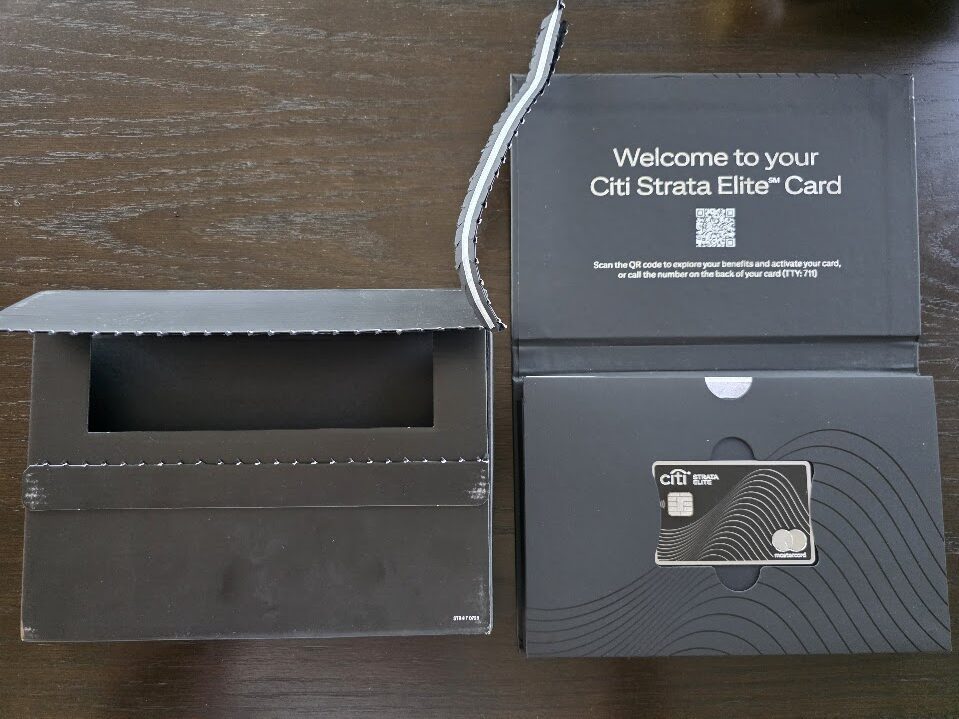
Citibank’s decision to launch the Strata Elite with such robust benefits represents a broader trend of banks attempting to solidify brand loyalty among high-net-worth individuals. By emphasizing a premium user experience—including high-end presentation of the physical card and a focus on exclusive travel perks—Citibank is signaling its intent to capture a larger share of the "lifestyle traveler" demographic.
Historically, credit card issuers have relied on tiered reward structures to segment their customer base. The Strata Elite differentiates itself by integrating specific travel-focused credits, such as a "Splurge" credit and a dedicated $300 hotel credit. While the hotel credit is limited to bookings made through the Citi travel portal, it offers a tangible offset to the annual fee for users who prioritize convenience over the direct booking benefits typically associated with hotel loyalty programs.
Chronology of Product Development
The transition toward the "Strata" branding follows a series of shifts within the Citi credit card portfolio. For years, the Citi Prestige card served as the primary premium offering, but as the travel industry rebounded following the pandemic, consumer demand shifted toward more versatile, flexible rewards programs. The introduction of the Strata series reflects an effort to streamline the user experience while maintaining high-value point accrual.
In early 2025, Citibank began rolling out the Strata Elite to compete with the changing landscape of travel rewards. The rollout included a strategic focus on American Airlines, the primary hub carrier for many major U.S. airports, by including Admirals Club passes as a key differentiator. This specific benefit addresses a common consumer demand for lounge access that does not require membership in a specific airline program, providing cardholders with a degree of flexibility that is highly valued in the current travel environment.
Supporting Data and Financial Analysis
When analyzing the return on investment for the cardholder, the math is dependent on the ability of the user to maximize the provided credits. The $595 annual fee is a significant barrier to entry, but the $1,200 in potential credits effectively turns the card into a net-positive product for frequent travelers.
| Benefit Category | Estimated Value (Annual) |
|---|---|
| Initial Bonus Points | ~$1,125 |
| Travel/Splurge Credits | ~$600 – $900 |
| Hotel Portal Credit | $300 |
| Total Potential Value | ~$2,025 – $2,325 |
The ability to transfer points to a variety of airline and hotel partners remains the most significant advantage for advanced users. By focusing on transferable currencies, Citibank ensures that the points earned through the Strata Elite are insulated against devaluations within a single loyalty program, offering a degree of stability that is attractive to sophisticated consumers.
Industry Implications and Consumer Impact
The decision to allow existing Citi customers to apply for the Strata Elite and receive the bonus is a significant move. Many issuers, such as American Express, have implemented "lifetime" language that restricts applicants from receiving bonuses on products if they have held similar cards in the past. By opting for a more open approach, Citibank is essentially inviting its most loyal customers to upgrade their relationship with the bank.
This strategy serves two purposes: first, it prevents customer attrition to competing banks; second, it provides Citibank with a wealth of data regarding the spending habits of its most valuable users. As the bank gathers information on how these customers utilize the travel portal and the various credits, it can refine future offerings to be even more targeted.

Operational Challenges and Best Practices
For prospective cardholders, the key to maximizing the Citi Strata Elite lies in the operational execution of the benefits. For instance, while the hotel credit is easy to redeem via the travel portal, consumers must be aware of the trade-off regarding loyalty program status. Generally, bookings made through third-party portals do not qualify for hotel elite status recognition or point accrual within the hotel’s own loyalty program. Consequently, the card is best suited for independent hotel stays or boutique properties where brand-specific loyalty benefits are less critical.
Furthermore, the requirement to spend $6,000 in three months represents a monthly spend of $2,000. For households with high recurring travel or business expenses, this is a manageable threshold, but it necessitates a disciplined approach to ensure the bonus is triggered within the required timeframe.
Broader Market Context
The competitive environment for travel credit cards remains fierce. As of mid-2025, issuers are increasingly pivoting away from generic cash-back models toward experiential benefits. Features like the four annual Admirals Club passes, the comprehensive trip cancellation and interruption coverage, and the inclusion of primary rental car insurance are now considered table stakes for the premium segment.
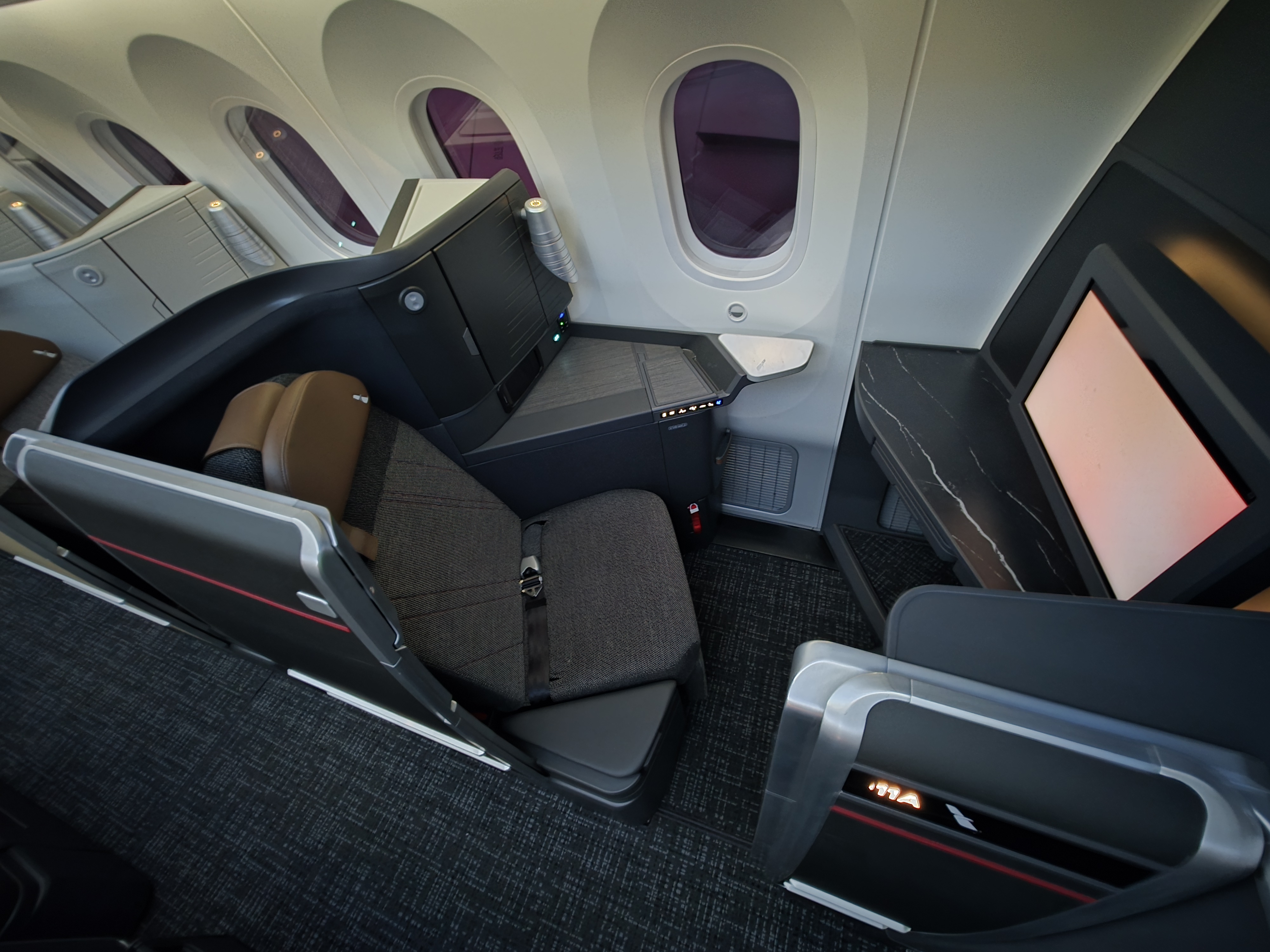
The Citi Strata Elite’s entry into this space indicates that the premium travel segment is not yet saturated. Despite economic fluctuations, the demand for travel-related financial products remains resilient. Consumers continue to prioritize experiences, and the credit card industry is responding by offering products that act as an extension of the travel experience itself—not just as a payment mechanism.
As the industry moves forward, observers expect further integration of digital concierge services and more personalized redemption options. The Citi Strata Elite represents a refined, albeit traditional, approach to this trend, prioritizing high-value bonuses and tangible travel credits over more experimental or obscure benefits. For the consumer, the immediate implication is a robust, well-defined path to value, provided they are capable of utilizing the card’s specific travel-centric features.
Ultimately, the card’s success will hinge on the satisfaction of its early adopters and the bank’s ability to maintain the perceived value of its point transfers. As the competitive landscape continues to shift, Citibank appears to be positioning the Strata Elite as a foundational tool for the modern, high-frequency traveler.









Leave a Reply