
The automotive landscape in Australia is undergoing a significant transformation, driven not only by government policy and infrastructure investment but by the visceral, practical experiences of everyday motorists. For many, the transition from an internal combustion engine (ICE) vehicle to a battery electric vehicle (BEV) is triggered by the abrupt, often costly, mechanical failure of a long-term reliable car. This transition, while born of necessity, highlights the shifting consumer sentiment regarding vehicle longevity, maintenance, and the total cost of ownership in an era of increasing environmental awareness and economic volatility.
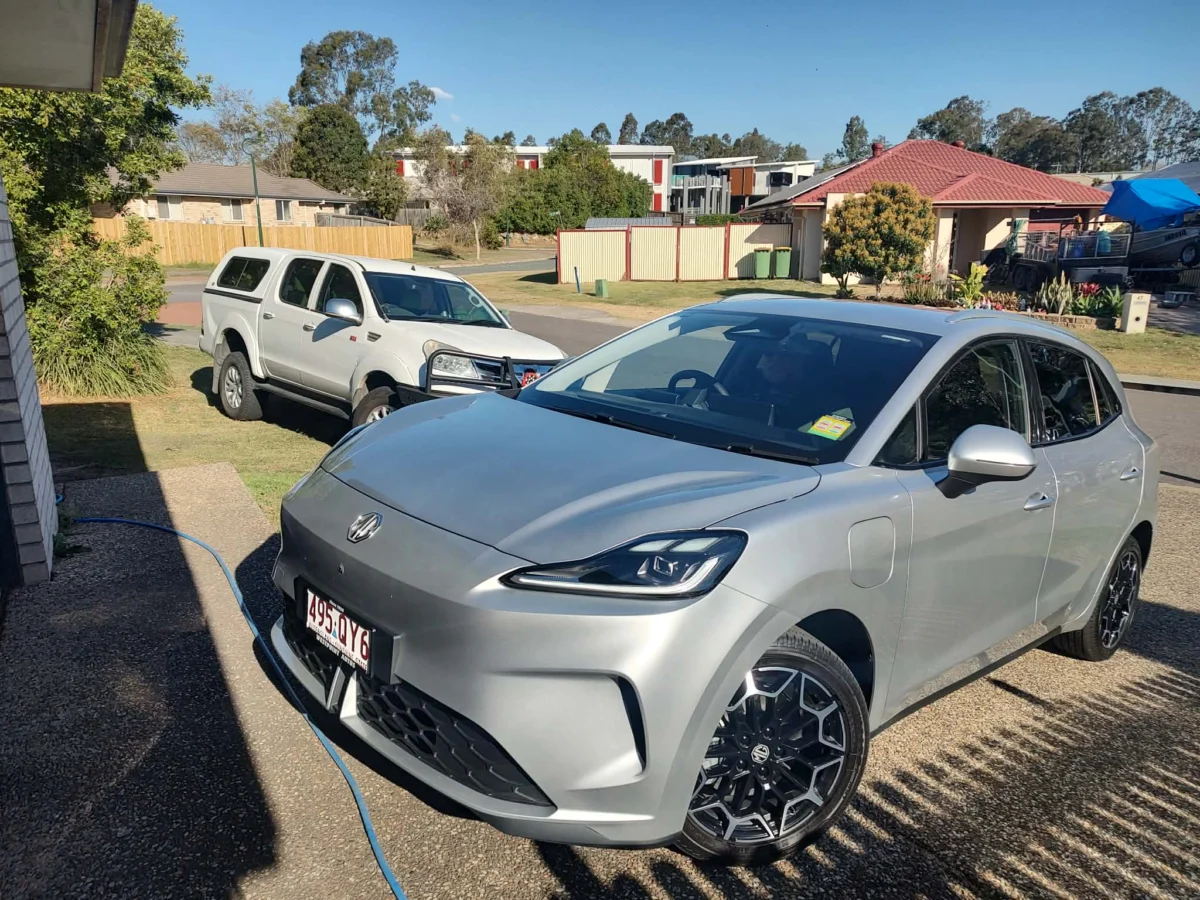
The recent experience of a family in Australia, who replaced a two-decade-old Suzuki Swift with an MG4 Urban, serves as a microcosm for the broader trends currently defining the Australian EV market. This case study underscores the intersection of mechanical frustration, the evolving standards of vehicle sales, and the practical integration of home solar energy systems with personal transport.
The Anatomy of a Mechanical Collapse
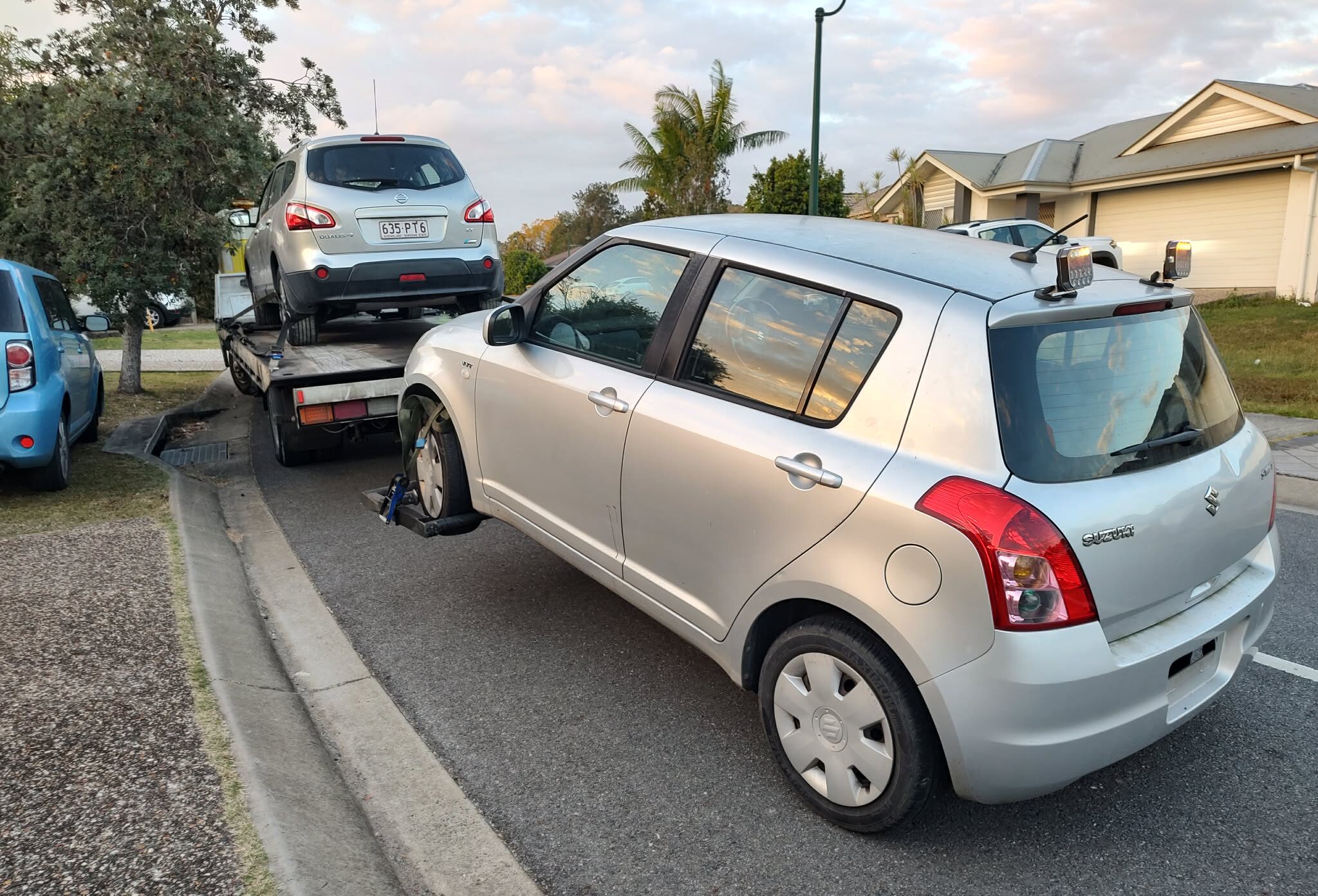
The decline of the family’s 20-year-old Suzuki Swift, affectionately known as "Swifty," was not an overnight occurrence but rather a prolonged period of mechanical degradation. The vehicle had been exhibiting signs of engine distress, characterized by a persistent "rattling can" sound. In traditional automotive parlance, this "pinging" is often symptomatic of pre-ignition, where the air-fuel mixture in the cylinder ignites prematurely.
The failure culminated on a Thursday, when the vehicle, while being operated by a learner driver, suffered a catastrophic loss of power on a highway. The subsequent overheating of the engine block—likely due to a coolant failure—led to a blown head gasket and a warped cylinder head. This series of events highlights the inherent vulnerabilities of aging ICE vehicles: as components wear down, the cost of repair eventually eclipses the residual value of the car.
For the owners, the choice was binary: invest in a prohibitively expensive engine rebuild or pivot to a more modern, efficient, and reliable alternative. The decision to move away from ICE vehicles was influenced by the desire to escape the cycle of recurring maintenance costs and the volatility of fuel prices.
The Search for a Modern Replacement
The market search for a replacement vehicle revealed the current challenges facing Australian consumers, particularly those looking for a compact car that balances affordability with physical comfort. The family’s requirements were specific: a vehicle with dimensions similar to the Suzuki Swift that could accommodate taller, broad-shouldered passengers.
Initial investigations into the entry-level EV segment provided a candid look at the ergonomic limitations of various models. The BYD Atto 1 and Atto 2, for instance, presented challenges regarding the placement of the B-pillar, which restricted shoulder room for the front-seat occupants. Similarly, while the Chery and MG ZS EV models were evaluated, the family encountered issues with seat ergonomics and interior packaging.
These trials illustrate a critical factor in the mass adoption of electric vehicles: physical comfort and interior design are as significant as range or battery chemistry. As the EV market matures, manufacturers are increasingly forced to optimize interior ergonomics to compete with the established comfort of legacy vehicles.
The Evolving Dealership Experience
The search for the right vehicle also exposed a gap in the preparedness of traditional car dealerships to sell electric vehicles. A notable encounter with a salesperson who demonstrated a lack of familiarity with battery state-of-health reports highlighted a lingering "legacy mindset."
In the automotive industry, the transition to EVs requires a fundamental shift in sales expertise. Consumers are no longer asking about displacement, transmission types, or oil change intervals; they are inquiring about state-of-health (SoH) percentages, charging curves, and regenerative braking profiles. Dealerships that fail to provide this level of technical transparency risk alienating an increasingly informed demographic.
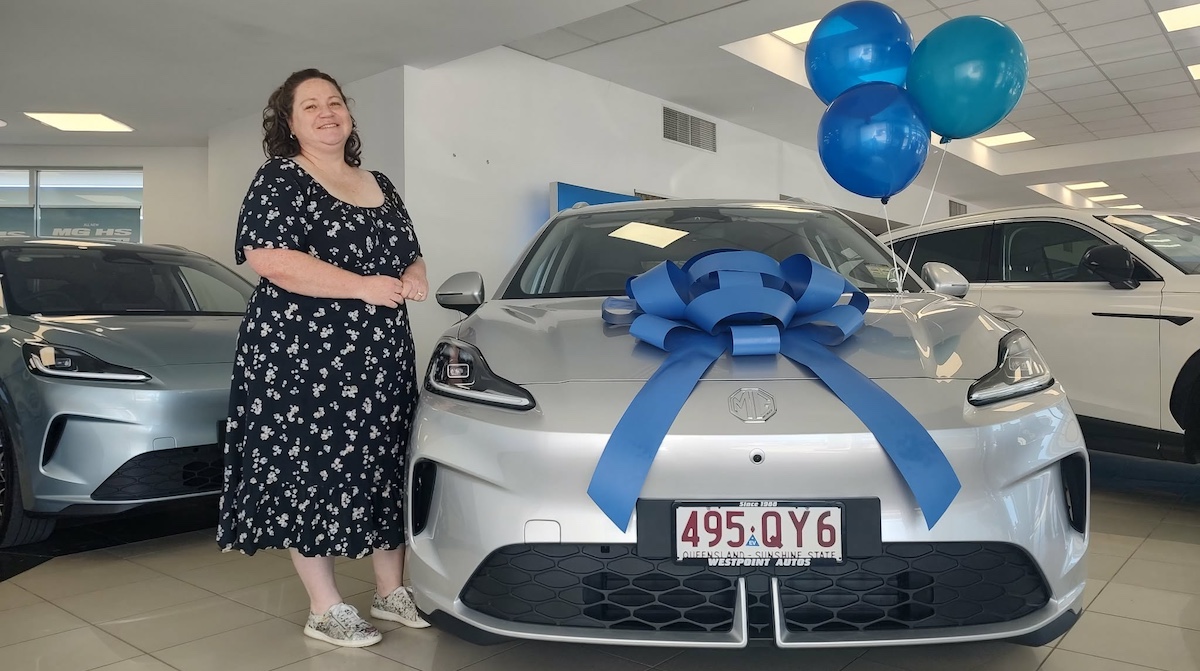
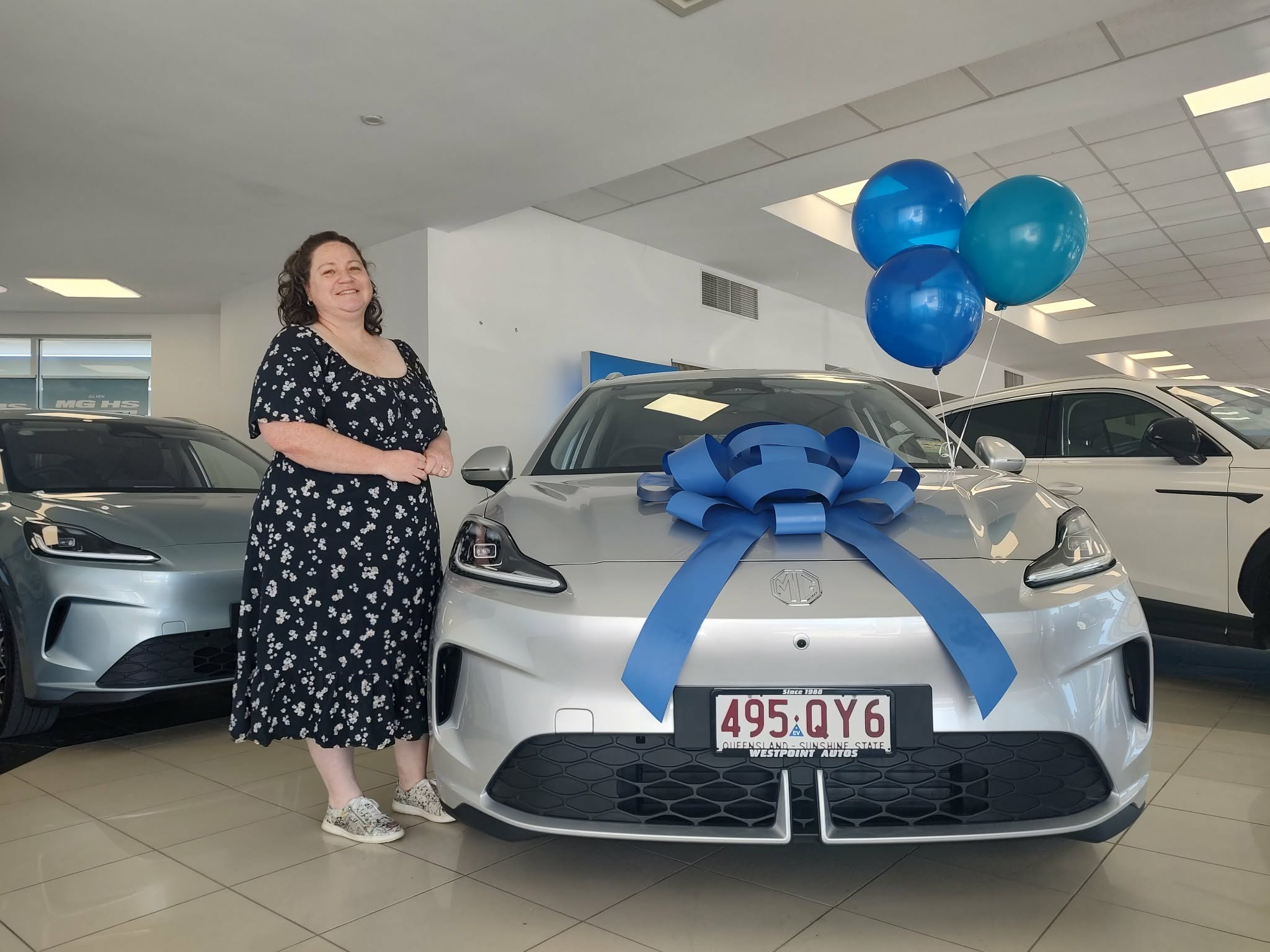
Ultimately, the family’s purchase of an MG4 Urban from a dealership that specialized in EV education underscores the importance of the retail experience. Jeremy at Hillcrest MG exemplified the shift toward a consultative sales approach, wherein the buyer is educated on the mechanical and operational differences of the vehicle before purchase, effectively bridging the knowledge gap.
Economic and Environmental Implications
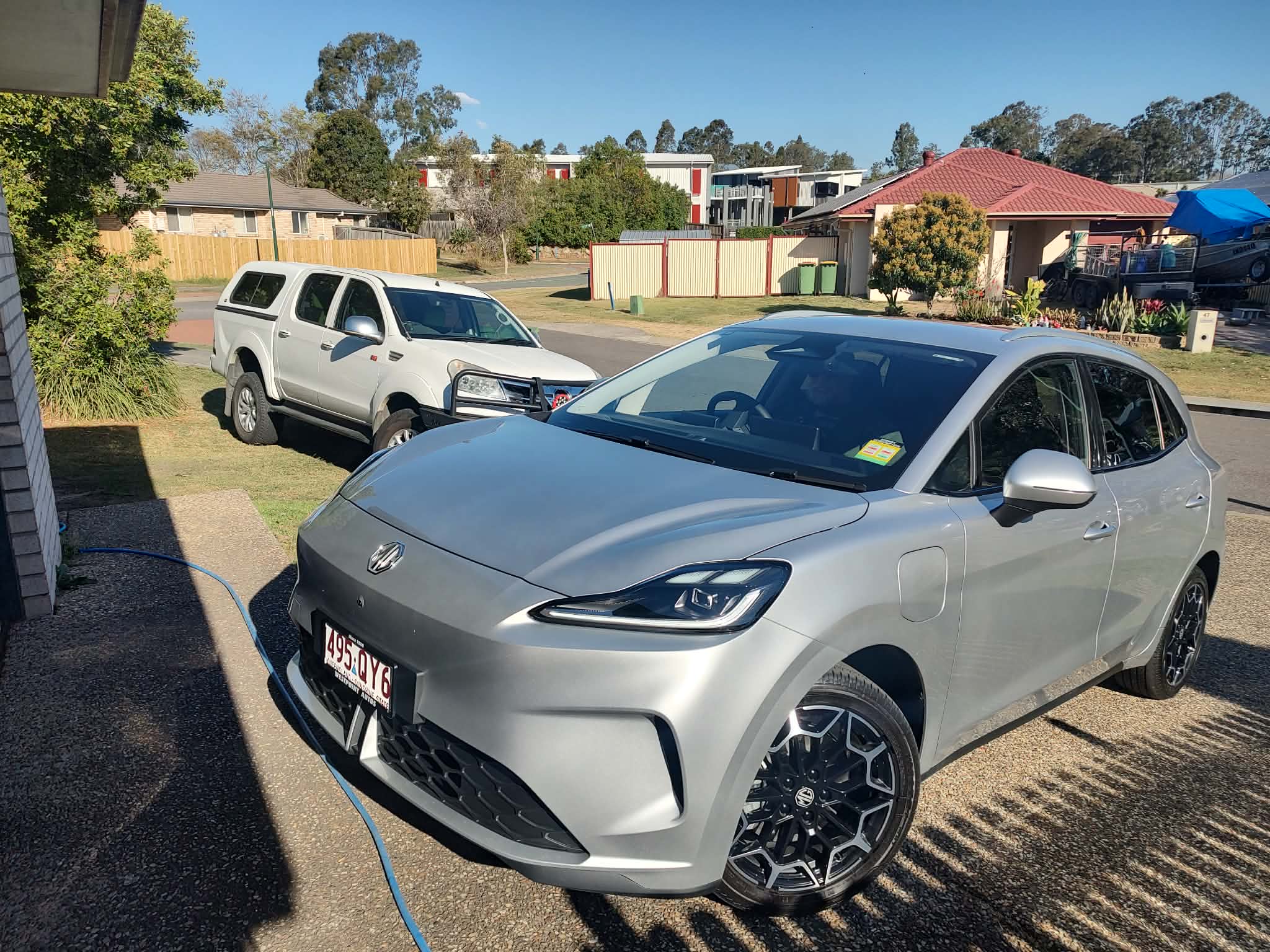
The acquisition of the MG4 Urban, purchased as an ex-demo model for $29,990, reflects a strategic approach to consumerism. By selecting a nearly new vehicle rather than a brand-new unit, the buyers avoided contributing to the "throwaway" economic model that often characterizes the modern automotive industry.
Furthermore, the integration of the vehicle into the family’s home energy ecosystem serves as a testament to the viability of solar-powered mobility in Australia. By charging the vehicle during peak solar production hours (8:00 AM to 3:00 PM), the owners are effectively utilizing their rooftop solar array to offset their transportation costs. This practice turns the vehicle into a productive asset rather than a pure expense, aligning household energy generation with consumption.
Data from the Australian automotive sector supports this trend. In August, the MG4 recorded 514 sales, cementing its position as a top-tier contender in the national market. The success of the MG4 is representative of a broader surge in EV adoption, with many dealerships reporting that electric vehicles now account for more than 50% of their total monthly sales volume.
Technological Shifts and Driver Experience
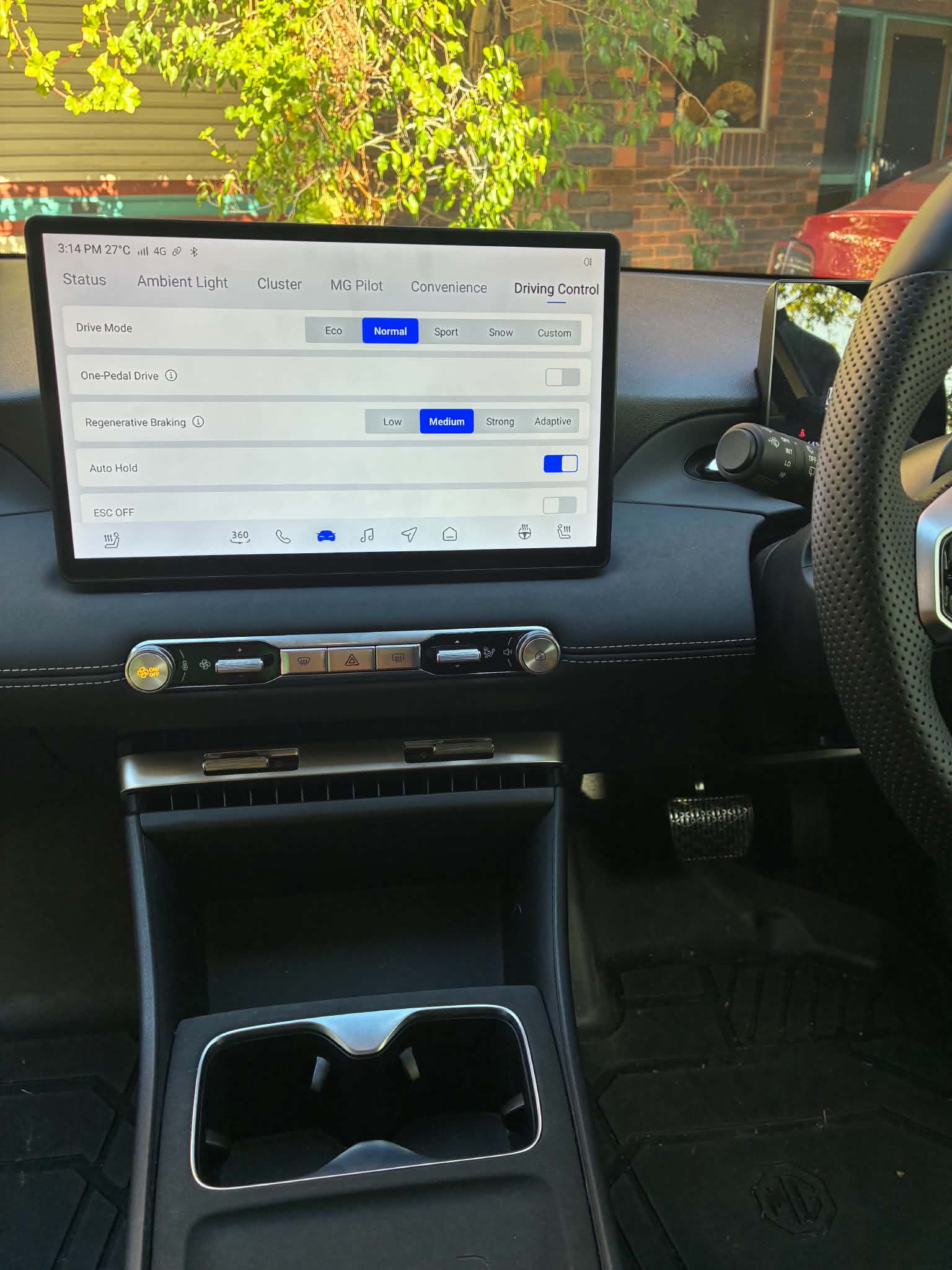
Beyond the environmental and economic benefits, the transition to the MG4 Urban introduced the family to the distinct driving characteristics of a modern EV. The reduction in "sensory input"—notably the lack of engine noise and the decoupling of the steering column from the traditional feedback loops of an ICE vehicle—has contributed to a smoother, less fatiguing driving experience.
The absence of a multi-speed transmission has also been cited as a major operational advantage. The instant torque provided by the electric motor ensures that acceleration is linear and responsive, a significant improvement over the lag associated with traditional automatic gearboxes. Additionally, the adoption of digital key technology, which allows the family to share access via a smartphone application, represents the increasing digitization of vehicle ownership. This shift not only reduces the cost associated with physical key replacements—often exceeding $700—but also enhances the flexibility of vehicle usage among multiple drivers.
Looking Toward the Future
The automotive industry is at a crossroads, with the Australian market increasingly favoring electric solutions that address both domestic transport needs and global sustainability goals. The trajectory is clear: manufacturers are expanding their portfolios to include not just compact hatchbacks, but also utility vehicles. The upcoming introduction of the MG U9 electric ute to the Australian market suggests that the industry is preparing to capture the heart of the Australian automotive identity—the workhorse vehicle.
The experience of this family serves as a case study for the average Australian motorist: the shift to electric is not merely a political or abstract trend, but a practical evolution. As battery technology improves, price points stabilize, and dealerships adapt their service models, the barriers to entry continue to fall. For the thousands of households currently navigating the end-of-life cycle for their aging ICE vehicles, the path forward is increasingly paved with lithium-ion, solar-charged energy.
The transition from the "rattling can" of an old engine to the near-silent, responsive operation of an electric motor is more than a change in hardware; it is a fundamental shift in how Australians interact with their environment and manage their household economies. As the market continues to expand, the focus will likely shift from the "novelty" of electric transport to the normalization of an electrified, efficient, and technologically integrated future.







Leave a Reply