

Public health challenges ranging from escalating cancer rates and the emerging biological risks of artificial intelligence to persistent regional healthcare costs, gun violence, and pediatric safety have taken center stage in national and regional media discussions. In a series of recent broadcast appearances, journalists and medical analysts from KFF Health News provided critical insights into these multifaceted crises, emphasizing the urgent need for comprehensive policy interventions, technological safeguards, and targeted public health initiatives.
The media engagements, spanning mid-September, brought to light the complex intersection of modern technology and biosecurity, the socio-political dynamics influencing healthcare affordability in rural and conservative districts, and the harrowing toll of firearm injuries on children in vulnerable communities. As public health agencies grapple with these overlapping emergencies, the commentary underscores the vital role of investigative journalism and expert analysis in shaping public awareness and policy discourse.
Emerging Biosecurity Threats: Artificial Intelligence and Pathogen Design
On September 11, Dr. Céline Gounder, editor-at-large for public health at KFF Health News, appeared on CBS Mornings to address a rapidly evolving and alarming frontier in national security and public health: the potential weaponization of artificial intelligence. While generative AI and machine learning models have accelerated breakthroughs in pharmacology, diagnostics, and structural biology, security experts and medical ethicists have grown increasingly concerned about their dual-use nature.
During her segment, Dr. Gounder discussed how sophisticated language models and biological design software could theoretically be manipulated by malicious actors to design, synthesize, or optimize biological weapons and dangerous pathogens. The lowered technical barriers to creating novel toxins or enhancing the transmissibility of existing viruses represent a profound paradigm shift in biodefense.
Federal agencies, academic institutions, and international bodies have increasingly called for stricter guardrails on open-source biological databases and advanced AI algorithms. Regulators are currently debating frameworks that would require cloud providers and AI developers to implement robust "know-your-customer" protocols and sequence-screening mechanisms to prevent the unauthorized synthesis of dangerous genetic material. Dr. Gounder’s analysis highlighted the urgent necessity for proactive governance, ensuring that the scientific community harnesses the immense therapeutic potential of AI while erecting robust defenses against catastrophic misuse.
National Cancer Report Findings and Public Health Implications
Just days later, on September 16, Dr. Gounder returned to the airwaves on CBS News 24/7 Mornings to dissect the findings of a major new cancer report. The comprehensive assessment sheds light on shifting epidemiological trends, incidence rates, and survival outcomes across diverse demographic groups in the United States.
Cancer remains the second-leading cause of death nationwide, surpassed only by heart disease, yet recent data reveals a nuanced landscape of progress and persistent disparity. While advancements in targeted therapies, immunotherapies, and early screening technologies have driven down mortality rates for certain malignancies—such as lung cancer and melanoma—other forms of the disease, including early-onset colorectal cancer, continue to rise at concerning rates among younger populations.
Dr. Gounder emphasized that these epidemiological shifts are not occurring in a vacuum. Socioeconomic factors, geographic disparities in access to specialized oncology care, environmental exposures, and lifestyle elements heavily dictate cancer outcomes. Furthermore, the financial toxicity associated with modern cancer treatments places an immense burden on patients and their families, often leading to medical debt or delayed care. The report’s findings serve as a clarion call for policymakers to expand preventive health measures, increase funding for oncological research, and address the systemic barriers that prevent marginalized populations from receiving timely, high-quality cancer screenings and treatments.
Healthcare Costs and Political Loyalty in Rural Georgia
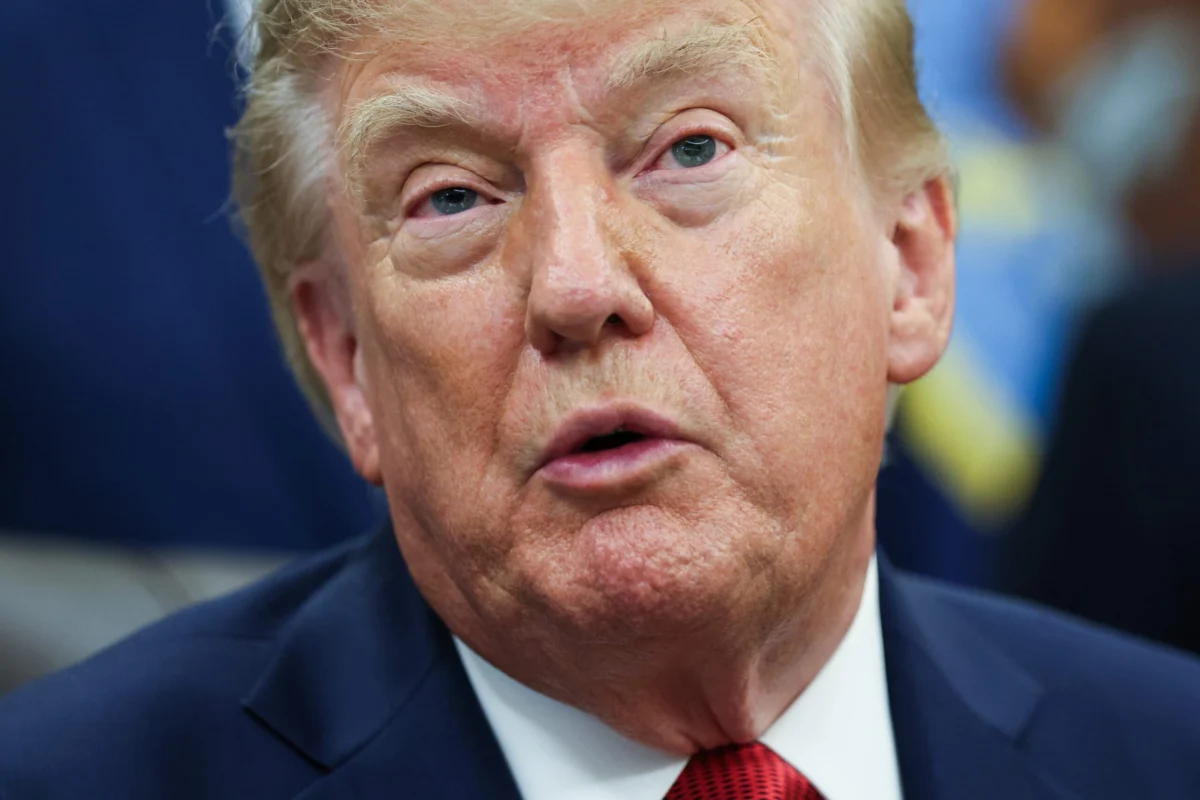
Shifting from national policy to regional dynamics, KFF Health News Georgia correspondent Briah Lumpkins appeared on WUGA’s The Georgia Health Report on September 11 to discuss a compelling political and economic paradox: a conservative congressional district in Georgia that remains staunchly supportive of Donald Trump despite grappling with severe, rising healthcare costs.
The intersection of partisan politics and economic hardship has become a defining characteristic of rural healthcare reporting in the American South. Many rural hospitals in Georgia have faced severe financial distress or closure in recent years, driven by uncompensated care, low Medicaid reimbursement rates, and a workforce shortage. Despite these acute pressures—and the ongoing debate surrounding Medicaid expansion, which state leadership has continuously resisted—voters in the district continue to prioritize broader cultural and political alignments over localized healthcare policy debates.
Lumpkins’ reporting illuminated the complex motivations driving rural electorate loyalty. For many residents, systemic frustrations with inflation, cultural preservation, and national political identity overshadow the immediate economic impacts of high insurance premiums and out-of-pocket medical expenses. Public health advocates argue that until healthcare access and affordability are decoupled from partisan fault lines, vulnerable rural communities will continue to suffer disproportionately from preventable health conditions and financial instability.
The Devastating Impact of Gun Violence on Children in Florida
Addressing a deeply entrenched public health crisis with profound humanitarian consequences, KFF Health News Florida correspondent Daniel Chang discussed the devastating impact of gun violence on children in Florida during an interview on Radio Bilingüe’s Línea Abierta on September 10. Conducted entirely in Spanish, the segment aimed to reach Hispanic and immigrant communities disproportionately affected by community violence and systemic safety gaps.
Gun violence has been a leading cause of death for children and adolescents in the United States, surpassing motor vehicle accidents and illnesses in recent years. In Florida, the interplay between permissive firearm laws, population growth, and urban-suburban disparities has created a complex landscape for pediatric safety. Chang discussed the multifaceted nature of the crisis, which encompasses mass casualty incidents, neighborhood homicides, accidental discharges in the home, and youth suicide.
Beyond the immediate physical trauma, pediatric gun violence leaves a legacy of profound psychological scars on surviving children, families, and communities. Post-traumatic stress disorder, anxiety, academic disruption, and long-term mental health challenges frequently afflict young witnesses and victims. Public health researchers have increasingly classified firearm violence not merely as a criminal justice issue, but as a preventable epidemic requiring evidence-based interventions, such as safe storage education, community-based violence interruption programs, and common-sense firearm regulations. Chang’s bilingual reporting underscored the vital importance of disseminating these critical public health messages to diverse linguistic communities that may experience unique barriers to accessing safety resources and support services.
Broader Impact and Implications of Contemporary Public Health Crises
The convergence of issues highlighted by KFF Health News journalists underscores the interconnected nature of modern American public health. Whether examining the theoretical biosecurity risks posed by artificial intelligence, the epidemiological data shaping cancer care, the stubborn economic realities of rural healthcare in Georgia, or the heartbreaking pediatric toll of gun violence in Florida, common themes emerge: systemic vulnerability, the necessity of proactive regulation, and the profound impact of socioeconomic disparities on health outcomes.
As policymakers, researchers, and healthcare providers navigate these challenges, the insights provided by public health journalists serve an indispensable function. By translating complex data into accessible narratives, media platforms empower communities to engage with the policies and systemic reforms necessary to build a healthier, more resilient society. The ongoing dialogue surrounding these critical issues signals an increasing awareness that public health is not merely a clinical concern, but a fundamental pillar of national security, economic stability, and social well-being.







Leave a Reply