
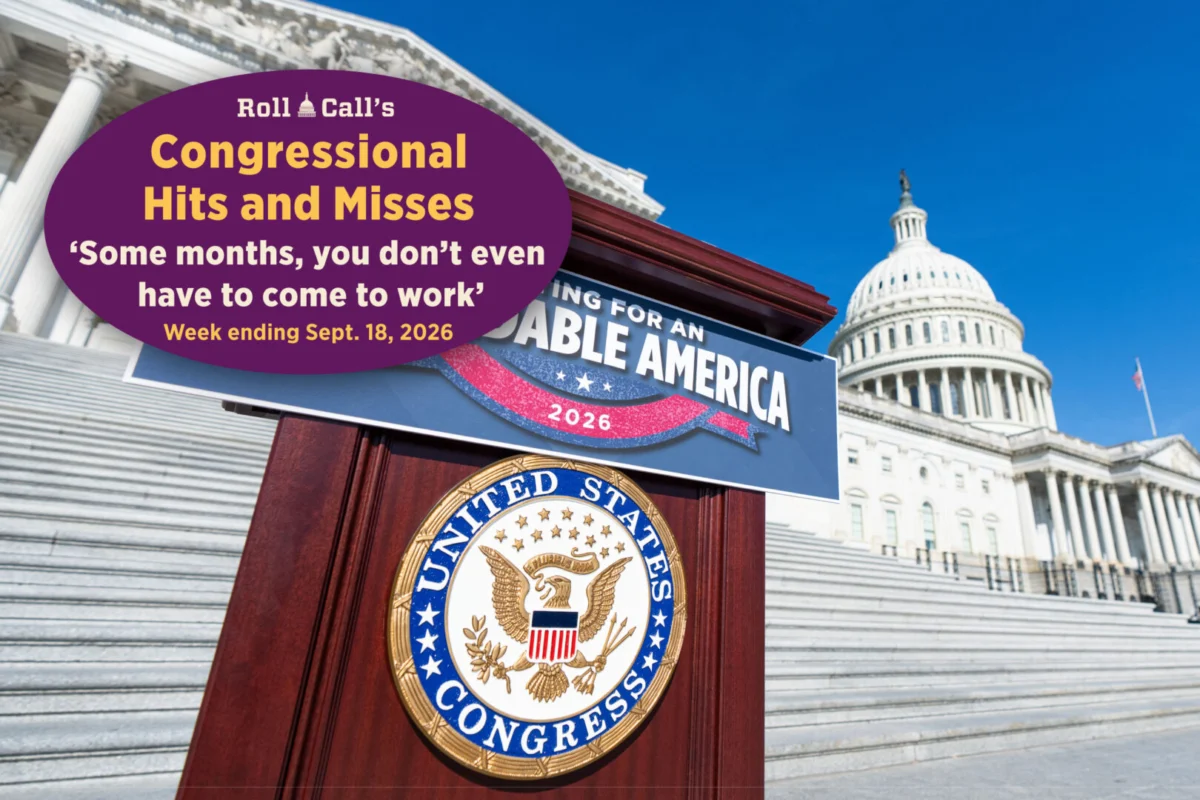
The final days of the legislative session leading up to the 2026 midterm elections have concluded with a flurry of activity, political theater, and a definitive shift toward campaign mode as both the House and Senate effectively shuttered operations. The legislative calendar for the week ending September 18, 2026, was marked by high-profile committee confrontations and the strategic maneuvering of lawmakers looking to secure their electoral footing. While the Senate remains in a state of operational capacity to address potential nominations and urgent business, the House of Representatives has adjourned, signaling the start of a six-week sprint to the November polls.
A Legislative Exodus and the Midterm Pivot
The abrupt departure of the House of Representatives has become a focal point of criticism and debate within the Capitol. By closing shop well ahead of the traditional end-of-year legislative cycle, leadership has prioritized the electoral imperatives of the midterm cycle over pending fiscal negotiations and administrative oversight. Historically, the period immediately preceding a midterm election is characterized by a "wait-and-see" approach, but the decision to vacate the chamber this early has left several key appropriations bills and procedural resolutions in limbo.
Congressional aides suggest that the decision was driven by the tight margins in key swing districts, where every day spent in Washington is viewed as a day lost in the field. For the majority party, the goal is to consolidate their hold on the chamber; for the minority, the mission is to leverage the lack of legislative output as a campaign talking point regarding congressional efficacy.
Highlights from the Senate Judiciary Committee
While the House focused on the exit, the Senate Judiciary Committee provided the week’s most volatile moments. Central to the drama was a contentious hearing featuring Kash Patel, whose testimony served as a lightning rod for broader debates regarding institutional oversight and executive branch authority.
The hearing, which examined the intersection of federal law enforcement and political appointments, saw senators engage in sharp exchanges regarding the limits of executive privilege and the integrity of administrative vetting processes. Observers noted that the intensity of the questioning reflected the deepening polarization of the judiciary process. The "Kash clash," as it has been dubbed by staff, underscores the broader tension currently permeating the Senate, where the confirmation process has increasingly become a proxy for the wider ideological battle between the executive and legislative branches.
Tensions Over Party Affiliation and Loyalty
Adding to the week’s combustible atmosphere was a notable incident involving a senator who became visibly agitated during questioning regarding potential party switching. In an era where legislative majorities are razor-thin, the prospect of a lawmaker changing their caucus affiliation carries massive implications for committee chairmanships and the legislative agenda.
The senator in question, who had been the subject of persistent rumors regarding a potential shift in partisan allegiance, responded to media inquiries with uncharacteristic testiness. This reaction has sparked a renewed round of speculation among political analysts. When a single vote can dictate the passage or failure of a party-line bill, the internal cohesion of each caucus becomes a matter of national importance. The incident serves as a bellwether for the internal instability that often plagues parties during the final stretch of a midterm cycle, as members weigh their personal political survival against the broader goals of their respective party leadership.
Chronology of the Final Legislative Week
The progression of the week followed a predictable, albeit accelerated, trajectory:
- Monday, September 14: Both chambers reconvened following the weekend, with leadership setting an ambitious agenda for the week. Expectations for substantive legislative progress were high, despite the looming election.
- Tuesday, September 15: The Senate Judiciary Committee convened for its high-stakes hearing. The session drew significant media attention, setting the tone for a week of adversarial committee work.
- Wednesday, September 16: Tensions regarding party loyalty boiled over in the Senate hallways. Simultaneously, House leadership began signaling that the legislative schedule would be truncated to accommodate early departures for campaign events.
- Thursday, September 17: The House of Representatives finalized its floor schedule, opting to expedite pending business. The motion to adjourn for the remainder of the session was carried by voice vote.
- Friday, September 18: The legislative branch effectively transitioned to campaign status. While the Senate maintains a skeleton crew for urgent judicial or administrative confirmation, the legislative machinery has largely ground to a halt.
Data and Legislative Context
The 119th Congress has been characterized by its narrow margins, with the House majority sitting at just a handful of seats. According to internal congressional data, the 2026 session has seen a lower volume of enacted legislation compared to the 2024 session, a trend attributed to the gridlock that has persisted since the start of the year.
Furthermore, polling data from late summer 2026 indicates that voters are increasingly focused on economic stability and national security—topics that were at the forefront of the week’s committee hearings. The legislative output, or lack thereof, during this final week reflects a conscious decision by lawmakers to avoid high-risk votes that could be weaponized in campaign advertisements.
Official Responses and Political Implications
While official statements from leadership have been measured, the undercurrent of the week was undeniably political. A spokesperson for the House majority leadership noted that the decision to adjourn was "in the best interest of the American people, allowing members to engage directly with their constituents during the critical final weeks of the campaign." Conversely, a member of the minority leadership characterized the move as an "abdication of duty," arguing that the failure to pass a comprehensive fiscal package leaves the country vulnerable to a shutdown in the next fiscal year.
The implication for the remainder of 2026 is clear: the focus of the American political apparatus has shifted from the Capitol to the campaign trail. The unresolved issues—ranging from budgetary constraints to judicial oversight—are now deferred until the post-election "lame duck" session. This session, often viewed as the final opportunity for outgoing members to cement their legacy, will now be burdened by the unfinished business of this week.
Analytical Outlook
The events of the week ending September 18, 2026, serve as a microcosm of the current state of American governance. The intersection of electoral pressure and legislative responsibility has tilted heavily toward the former. By prioritizing the campaign cycle, members of Congress have signaled that the electoral result is the primary concern for the immediate future.
The "Kash clash" and the frustration over party-switching rumors are symptomatic of a political environment that is increasingly performative. As voters head to the polls, the lack of legislative resolution will likely serve as a central theme in the final debates of the campaign. Whether this strategy of early adjournment pays off for the incumbents remains to be seen, but the institutional impact of a truncated legislative calendar is likely to be felt well into the next year.
As the dust settles on the final week of full legislative activity, the focus of the public and the media will shift toward the outcome of the midterms. With both chambers effectively in a state of suspended animation, the legislative branch has handed the reins of national discourse over to the candidates, setting the stage for a high-stakes conclusion to the 2026 election cycle. The coming weeks will determine not only the makeup of the next Congress but also the legislative priority list for the remainder of the decade. The window for consensus has closed, and the era of pure political competition has begun.






Leave a Reply