
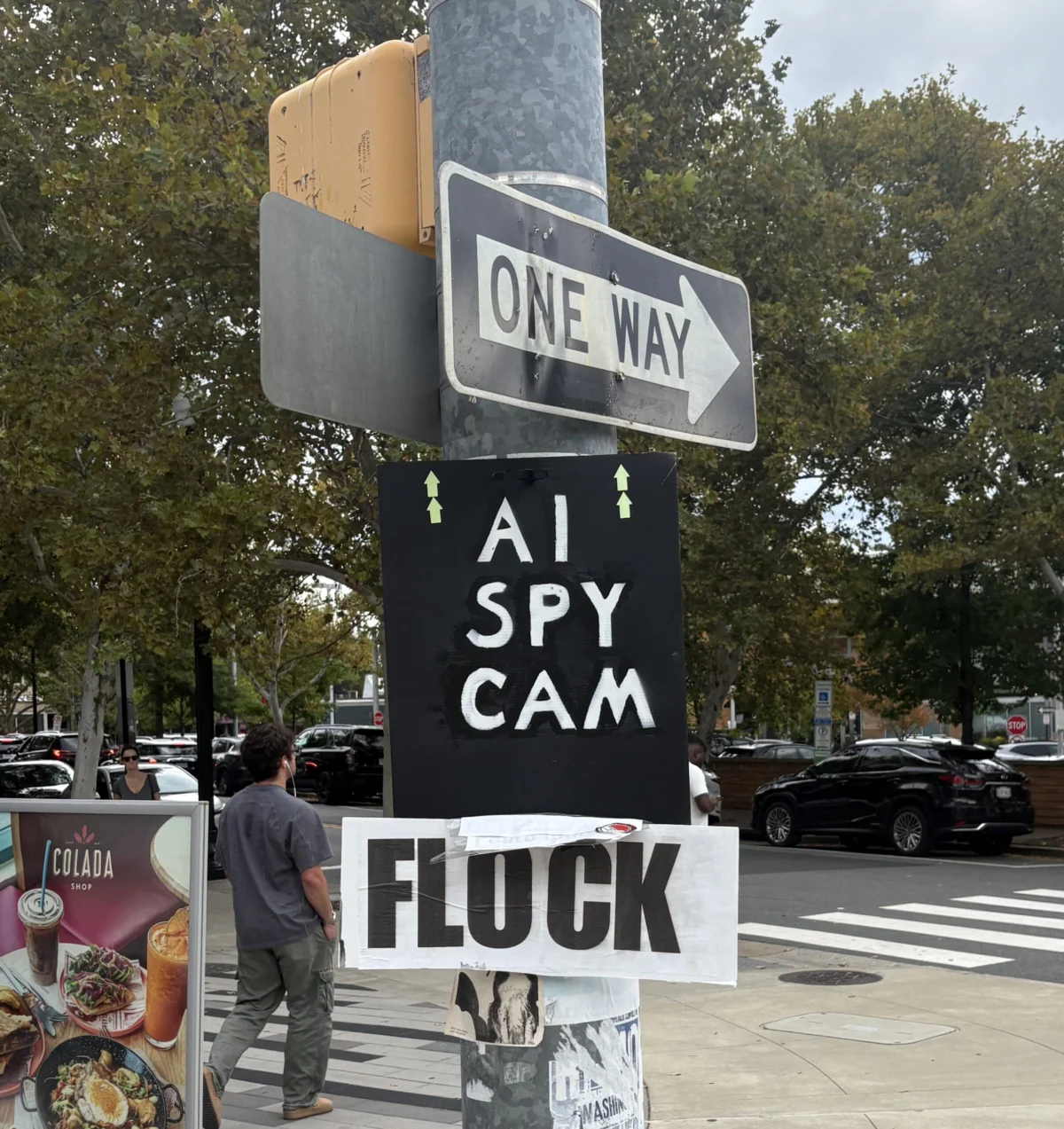
The surveillance technology firm Flock Safety, which has long positioned its automated license plate recognition (ALPR) systems as a critical tool for law enforcement, is currently navigating a period of unprecedented institutional crisis. On Friday, September 19, 2026, internal documents revealed that the company has opened a voluntary severance program for its 1,500-person workforce. Described by management as the most generous separation package in the company’s history, the move is widely interpreted as a strategic effort to streamline operations and address the severe morale issues stemming from a series of high-profile public and legal controversies.
The decision to offer buyouts arrives at a time when the startup, once a darling of the venture capital world, faces a rapid erosion of its client base. Reports from industry observers and internal communications suggest that without this voluntary reduction in force, the company would likely have been forced to implement involuntary layoffs to maintain financial viability. The offer effectively allows employees who are disillusioned by the company’s current trajectory to exit with significant compensation, while simultaneously allowing the company to right-size its workforce in an environment where contracts are being terminated at record speed.
A Summer of Escalating Scandal
The turmoil at Flock Safety did not occur in a vacuum; it is the culmination of a summer marked by intense scrutiny regarding the privacy implications of its technology. The company’s primary offering consists of a vast network of motion-activated cameras that capture high-resolution images of license plates and vehicle characteristics, which are then processed by AI algorithms and compared against law enforcement databases. While proponents argue this system is essential for solving crimes, critics have long warned of the potential for mission creep and the normalization of mass surveillance.
These warnings materialized into a national scandal in early August 2026, when an investigative report by The Washington Post exposed systemic misuse of the technology. The investigation identified at least 46 distinct cases in which police officers utilized the vast network of cameras to conduct unauthorized surveillance. The report detailed chilling instances of officers using the system to stalk former partners, wives, and girlfriends, highlighting a dangerous vulnerability in the software’s access protocols.
Following these revelations, public trust in the company’s safety measures plummeted. Municipalities across the United States, previously enthusiastic about the promise of "neighborhood safety," began to reconsider their reliance on the platform. The shift in sentiment was swift and categorical: an anti-surveillance advocacy group tracking the industry reported that 90 cities terminated their contracts with Flock in August alone. This figure represents a fourfold increase in contract cancellations compared to the previous month, signaling a broader movement of local governments distancing themselves from the potential legal and ethical liabilities associated with the technology.
Regional Policy Shifts and Regulatory Pressure
The backlash has moved beyond individual city councils to the state level. Florida and Texas, two states that had previously been significant markets for the company, moved to restrict or outright block the use of Flock’s technology in September. These legislative and executive actions underscore a growing consensus among lawmakers that the privacy risks inherent in persistent, pervasive surveillance outweigh the perceived security benefits.
The loss of these major state-level contracts has put intense pressure on the company’s bottom line. Investors who once backed the startup with hundreds of millions in capital are now watching as the regulatory landscape becomes increasingly hostile. Analysts note that when state agencies pull back, it creates a "domino effect," emboldening smaller municipal governments to perform their own internal audits and eventually follow suit to avoid being the next subject of a privacy lawsuit or a damaging investigative report.
Corporate Strategy and Internal Morale
Garrett Langley, the CEO of Flock Safety, has been largely defensive in his public appearances regarding the ongoing crisis. In a recent interview on the "All-In" podcast, Langley acknowledged that the "biggest damage" the company has sustained is not necessarily financial, but rather to the internal morale of its staff. The culture at a company built on the premise of "solving crime" has been tested by the reality that the technology is, in some instances, being used to facilitate stalking and harassment.

The voluntary buyout program is a direct response to this internal fracture. By allowing those who are no longer aligned with the company’s mission—or who have been demoralized by the negative press—to leave voluntarily, management hopes to stabilize the remaining team. The "generous" nature of the severance package is intended to prevent further public whistleblowing or legal action from departing employees, keeping the terms of their exit private and ensuring a smoother transition for the remaining workforce.
Broader Implications for the Surveillance Industry
The situation at Flock Safety serves as a bellwether for the broader surveillance technology sector. For years, the industry operated with minimal oversight, benefiting from the urgency of local law enforcement seeking modern tools to combat rising crime rates. However, the events of 2026 suggest that the "honeymoon period" for AI-powered surveillance is effectively over.
The industry is now facing a "maturity crisis." This phase is characterized by:
- Heightened Scrutiny: Public awareness of AI and camera networks has reached an all-time high, leading to more aggressive demands for transparency.
- Regulatory Tightening: States are no longer waiting for federal guidance; they are enacting localized bans or strict usage requirements for biometric and ALPR data.
- Liability Concerns: Municipalities are increasingly wary of the legal costs associated with defending surveillance practices that lead to privacy violations.
The fallout from these developments will likely force other companies in the sector to rethink their data handling, access controls, and auditing procedures. The model of "capture everything, store everything, and let the user decide" is proving to be a legal and reputational liability that is increasingly difficult to defend in a court of public opinion.
Future Outlook and Next Steps
As Flock Safety moves forward, the company faces a precarious road. The success of the voluntary buyout program will determine whether the company can maintain a core of dedicated staff to attempt a pivot in its business model. Some market experts suggest that for Flock to survive, it must transition from a pure surveillance provider to a company that focuses on strict, verifiable data security and rigorous third-party auditing.
However, the reputation damage may be difficult to reverse. When a technology becomes synonymous with the misuse of power—such as the stalking incidents reported by the Washington Post—it becomes a "political hot potato." For many local officials, the easiest path forward is to cancel the contract and avoid the potential for future scandal.
Industry analysts continue to monitor the company’s financial filings and official announcements for signs of stabilization. The immediate future will depend on whether the remaining 1,500-person staff can regain their footing and whether the company can convince remaining law enforcement partners that it has implemented sufficient safeguards to prevent further abuses of its camera network. Until then, the voluntary severance program remains the most visible symbol of a company in retreat, forced to reckon with the consequences of its rapid, and perhaps unchecked, expansion into the American public square.
The story remains fluid, and as further details emerge regarding the number of employees who take the buyout, the full impact on the company’s operational capacity will become clearer. For now, the tech industry is watching closely, recognizing that the decline of a major player like Flock could herald a significant shift in how surveillance technology is deployed, regulated, and perceived in the years to come.









Leave a Reply