
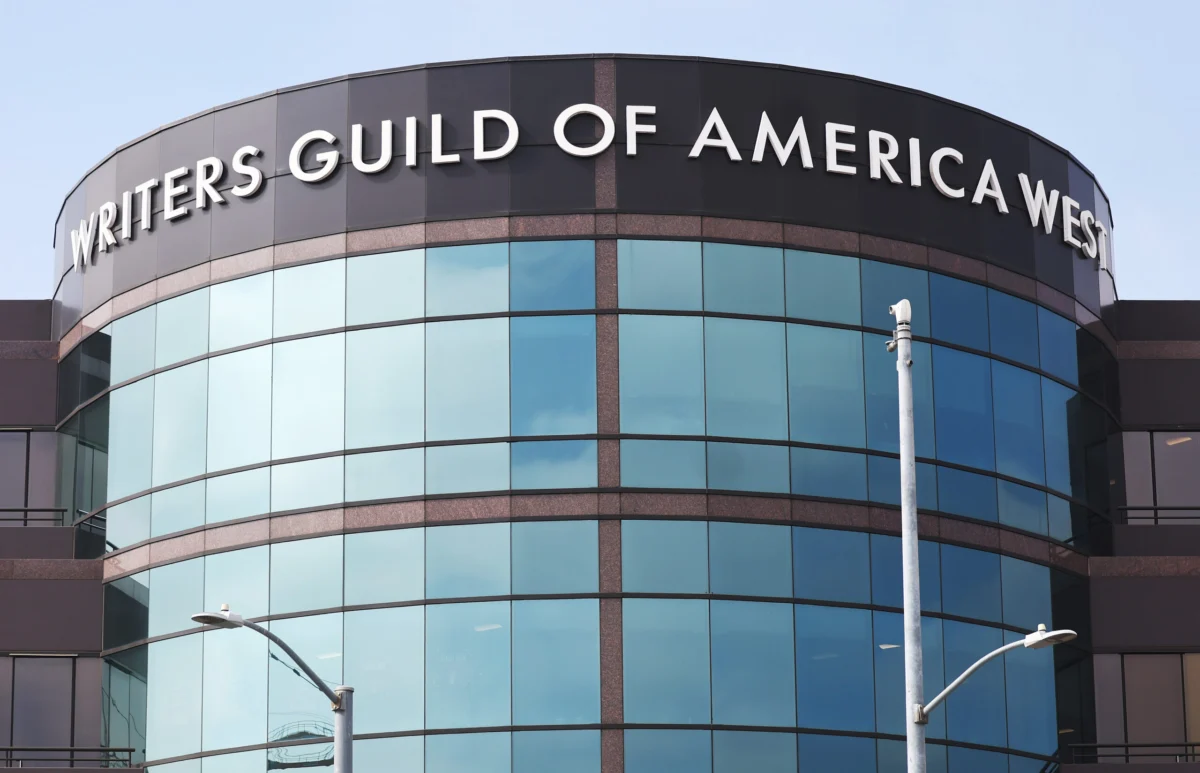
The Writers Guild of America (WGA), representing both its East and West branches, has officially moved to drop its antitrust lawsuit against the proposed $111 billion merger of Paramount Skydance and Warner Bros. Discovery. This decision, announced in a formal statement on Monday, marks a pivotal shift in the legal landscape surrounding one of the largest media consolidations in history. The move follows a critical turning point last week when Paramount reached a settlement with a coalition of 12 state attorneys general, effectively removing the primary regulatory hurdles that had previously stalled the massive acquisition.
While the union maintains that the merger remains fundamentally detrimental to the creative workforce and the broader entertainment ecosystem, the withdrawal signifies a pragmatic retreat. Faced with the reality of pursuing an expensive, high-stakes antitrust trial without the support of government regulators, the guild has opted to secure tangible protections for its members rather than risk a multi-million-dollar legal defeat.
Chronology of the Legal Conflict
The tension surrounding the merger began to escalate significantly in July 2026, when the WGA filed its lawsuit in federal court. The guild’s legal complaint argued that the combination of two major industry pillars—Paramount Skydance and Warner Bros. Discovery—would create a monolith with undue market power. The union contended that this concentration would lead to significant harm for writers, specifically by reducing the number of competitive buyers for content and creating an environment ripe for wage suppression.
This legal maneuver by the WGA mirrored a parallel action taken by 12 Democratic state attorneys general, who had filed their own suit arguing that the merger violated federal antitrust laws. The state officials highlighted concerns regarding the entity’s dominance in the theatrical film market and the basic cable television landscape, asserting that such a deal would stifle competition and limit consumer choice.
The legal momentum shifted decisively when Paramount successfully negotiated a settlement with the state attorneys general. By resolving the state-level litigation, the companies involved—Paramount and Warner Bros. Discovery—cleared a path toward closing the acquisition. With the state regulators no longer pursuing the matter, the WGA found itself standing alone against a combined corporate entity with vast resources, prompting the guild’s leadership to reassess the viability of their own litigation.
Terms of the Settlement
The WGA’s decision to settle was not made without extracting specific concessions. According to the terms of the agreement, Paramount has committed to a series of protections for WGA members. Most notably, the company has agreed to a five-year moratorium on writer layoffs specifically within the CBS News Broadcast division. This provision serves as a hedge against the immediate post-merger downsizing that often characterizes such massive corporate integrations.
Furthermore, the settlement includes a direct financial component: a $17.5 million payment to the WGA health fund, in addition to the coverage of the guild’s legal fees incurred during the litigation. While the union admitted it failed to halt the merger, these terms represent a tactical effort to mitigate the immediate economic impacts on the labor force.
Industry Context and Economic Implications
The merger of Paramount Skydance and Warner Bros. Discovery represents the latest chapter in a long-standing trend of media consolidation that has reshaped Hollywood over the past decade. The industry has seen a rapid shift away from traditional broadcast and cable models toward streaming-centric architectures, forcing studios to aggressively seek scale to compete with technology-based giants like Netflix, Amazon, and Apple.
However, the WGA has long been a vocal critic of this consolidation. In their original complaint, the guild noted, "With fewer competitors, the merged Paramount-Warner Bros. entity would have both the incentive and the ability to lower costs by suppressing writers’ wages and reducing output. Writers will be paid less and have fewer employment opportunities."
Data regarding the media landscape supports the WGA’s concerns regarding market concentration. When major production entities merge, the "buyer pool" for scripts, treatments, and series pitches shrinks. Historically, when the number of major studios decreases, the bargaining power of creative labor unions is diluted. With fewer entities competing to acquire the highest-quality projects, there is a measurable risk that the floor for compensation may be lowered, and the diversity of stories greenlit for production may decrease in favor of safer, high-return franchise content.
The Search for Structural Reform
The WGA’s statement following the settlement went beyond the specifics of the Paramount deal, signaling a broader legislative and policy-driven agenda for the future. The union explicitly called for a return to industry-wide structural separation, comparing the current environment to the era of the Financial Interest and Syndication Rules (Fin-Syn).
The Fin-Syn rules, which were in place from the 1970s until the 1990s, prevented television networks from owning the programs they aired, thereby fostering a vibrant, independent production market. The WGA argued that in the current streaming-dominated era, such a "firewall" between studios and distribution platforms is necessary to restore competitive balance.
"As the number of outlets to sell our work to and the corresponding diversity of programming shrinks, we need industry-wide structural separation between streamers and studios in order to promote competition in programming," the union stated. This sentiment underscores a growing belief among labor organizations that individual antitrust lawsuits, while necessary, are insufficient to address the systemic incentives driving media conglomerates toward excessive size.
Analysis of Future Challenges
For the entertainment industry, the closing of this merger will likely trigger a period of intense organizational restructuring. Analysts predict that the combined entity will look to achieve "synergies"—a corporate euphemism that frequently involves consolidating departments, streamlining development pipelines, and reducing overhead. For writers, this period of transition is often fraught with uncertainty regarding contract renewals and the stability of long-term development deals.
The WGA’s strategy of pivoting from litigation to securing specific workplace protections suggests a maturation in how labor unions handle corporate mergers. By recognizing the limitations of federal antitrust enforcement in the current political climate, the guild has demonstrated an ability to cut losses and pivot to protecting its members’ immediate financial interests.
However, the question of whether this settlement sets a precedent remains. If other media companies continue to merge, the WGA and other Hollywood guilds—such as the Directors Guild of America (DGA) and the Screen Actors Guild-American Federation of Television and Radio Artists (SAG-AFTRA)—may find themselves forced to adopt a similar strategy of "defensive bargaining." Instead of attempting to block the merger, these organizations may increasingly focus on negotiating labor-specific safeguards directly into the merger agreements to protect against layoffs, wage stagnation, and the dilution of creative opportunities.
Conclusion
The WGA’s decision to drop the lawsuit is a stark illustration of the power dynamics currently at play in the media industry. While the guild succeeded in elevating the public discourse surrounding the dangers of consolidation, the overwhelming momentum of the $111 billion transaction ultimately proved too difficult to stop through judicial intervention alone.
Moving forward, the WGA has signaled that its fight is far from over. By shifting its focus from the courtroom to the legislative and regulatory arenas, the union aims to influence the long-term structural integrity of the media market. Whether policymakers will entertain the guild’s call for new versions of the Financial Interest and Syndication Rules remains to be seen. In the meantime, the creative workforce will be closely monitoring the integration of Paramount and Warner Bros. Discovery, watching to see how the guaranteed protections hold up against the inevitable pressures of corporate consolidation and the demands of a changing entertainment market.









Leave a Reply