
The global conservation sector has long operated on a transactional framework defined by rigid metrics, extensive reporting requirements, and top-down management structures. For decades, traditional Western philanthropic organizations have dictated environmental interventions from afar, often channeling funds through complex bureaucratic layers that leave local and Indigenous communities with minimal agency. However, a growing movement is challenging this conventional model. At the forefront of this shift is the Home Planet Fund, an independent, Indigenous-led public charity that is redefining how climate and biodiversity funding is distributed. Founded five years ago and anchored by a philosophy of trust-based philanthropy, the organization bypasses traditional grant proposals and bureaucratic checkpoints, choosing instead to invest directly in local knowledge systems, grassroots leadership, and long-term ecological resilience.
A New Paradigm in Trust-Based Philanthropy
The operational architecture of the Home Planet Fund is built on a fundamental critique of traditional international aid. In typical philanthropic funding pipelines, capital raised in Western nations flows through multiple intermediary offices—spanning national headquarters, regional hubs, and local branches—before finally reaching communities on the ground. By the time resources arrive, local stakeholders often receive only a fraction of the original allocation, accompanied by pre-determined timelines, strict deliverables, and rigid oversight mechanisms.
Dilafruz Khonikboyeva, the founding executive director of the Home Planet Fund, argues that this approach fundamentally misunderstands the complexities of grassroots conservation. Khonikboyeva brings a unique perspective to the philanthropic sector, shaped by her upbringing in the Pamir Mountains of Tajikistan during the final years of the Soviet Union and the subsequent civil war of the 1990s. Witnessing firsthand how communities band together under extreme resource scarcity, she developed a deep skepticism of transactional incentives and top-down interventions.
According to Khonikboyeva, traditional philanthropy often operates on a fear-based model, where donors demand exhaustive paperwork and stringent oversight to protect against perceived risks of misuse. In contrast, the Home Planet Fund relies on unrestricted, trust-based funding. Rather than cutting ties once a check is issued, the organization maintains continuous engagement, allowing local partners the flexibility to adapt their strategies when faced with unforeseen environmental disasters, political instability, or shifting community needs. This flexibility treats trust as a currency rather than a compliance metric.
Targeting Critical Global Ecologies
Unlike charitable organizations that spread resources thinly across thousands of disparate projects, the Home Planet Fund concentrates its efforts on four distinct ecologies identified by international scientific research as critical for global climate stability and biodiversity preservation. These regions—the Tongass Rainforest of Alaska; the high-altitude glaciers of the Hindu Kush, Himalayas, and Pamir Mountains (collectively known as the "Third Pole"); the grasslands of East Africa; and the island nations of the South Pacific—represent vital planetary lifelines.
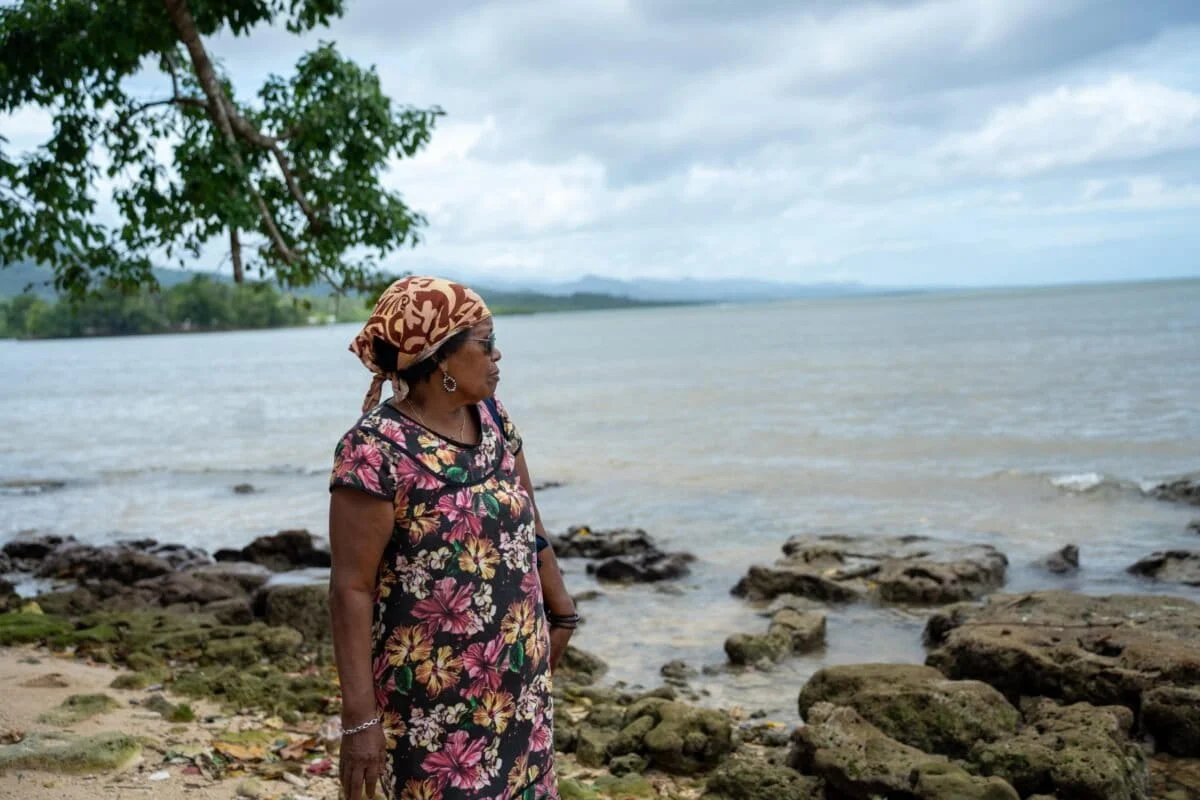
In the Third Pole region, which spans Kyrgyzstan, Tajikistan, Afghanistan, Pakistan, India, and Nepal, massive glacial systems regulate weather patterns and sustain billions of people through downstream monsoons. In the South Pacific, where Polynesian societies have traditionally maintained matrilineal structures, the fund directs resources specifically toward women’s collectives. These groups utilize intergenerational knowledge transfer to drive community planning, food sovereignty initiatives, mangrove restoration, and marine conservation.
Rather than issuing open calls for grant proposals—a process that often favors organizations with advanced grant-writing capabilities, internet access, and fluency in English—the Home Planet Fund utilizes trusted regional networks. The organization works directly with existing community structures, including tribal councils, village elders, women’s groups, and youth organizations, ensuring that interventions are co-built with the people who inhabit the land.
Navigating Conflict Zones and Systemic Fragility
A distinguishing characteristic of the fund’s methodology is its willingness to operate in regions experiencing active conflict or political fragility. Mainstream conservation funding frequently avoids unstable or inaccessible areas due to perceived security risks and administrative difficulties. However, Khonikboyeva notes that areas with weak or shifting central governments often harbor the strongest community infrastructures.
Because state institutions have historically lacked reach in these remote regions, local populations have maintained autonomous systems of land stewardship and resource management for generations. By channeling resources directly into these decentralized structures, the Home Planet Fund supports conservation efforts in marginalized areas such as Badakhshan Province in northern Afghanistan, where women farmers implement regenerative agriculture along glacial watersheds. These projects simultaneously improve local food security, mitigate flood risks, and restore native ecosystems.
This approach aligns with a broader academic consensus regarding nature-based solutions. Empirical studies increasingly demonstrate that human stewardship, particularly by Indigenous and local communities, is essential for maintaining biodiversity and enhancing carbon sequestration. Far from viewing human populations as threats to ecological health, modern conservation frameworks increasingly recognize that centuries of traditional land management have created some of the most resilient ecosystems on Earth.
Broader Implications for Global Conservation
The operational model championed by the Home Planet Fund arrives at a critical juncture for international environmental policy. As global temperatures rise and the frequency of climate-induced disasters accelerates, the limitations of rigid, bureaucratic aid become increasingly apparent. Traditional reporting metrics and fixed timelines often break down when confronted with sudden ecological disruptions, such as earthquakes, severe droughts, or political upheaval.
By demonstrating that trust-based, unrestricted funding can yield measurable conservation outcomes without imposing administrative burdens on local partners, the organization offers a scalable alternative for mainstream philanthropy. The fund’s ongoing transition toward a collaborative framework aims to invite additional donors into a shared learning ecosystem—one that prioritizes holistic community health, economic dignity, and long-term ecological durability over short-term data reporting.
Ultimately, Khonikboyeva’s philosophy extends beyond environmental restoration to address the psychological toll of historical and ongoing crises. By framing conservation as an act of mutual healing rather than an exercise in ecological control, the Home Planet Fund challenges donors and practitioners to look beyond immediate risk management. In doing so, it presents a compelling case for a more equitable, empathetic, and flexible approach to safeguarding the planet’s most critical landscapes.







Leave a Reply