The digital landscape of art history has undergone a transformative shift with the launch and expansion of The Last Museum, a comprehensive digital archive and search engine that has successfully indexed approximately 5.8 million artworks. Positioned as the largest search engine for museum-based art, the platform serves as a centralized gateway for both scholars and the general public to access high-resolution images and historical records from thousands of global institutions. Unlike traditional museum databases that are often restricted to a single institution’s holdings, The Last Museum functions as a meta-aggregator, pulling together disparate collections that range from ancient civilizations to contemporary digital media.
The platform’s mission is rooted in the democratization of art, utilizing advanced search algorithms to bridge the gap between fragmented institutional archives. By indexing works that are either in the public domain or covered under fair use policies, the archive provides an unprecedented level of access to human creativity spanning five millennia. The repository includes everything from the foundational masterpieces of the Old Masters and the intricate sculptures of Ancient Egypt to modern Japanese woodblock prints and vintage comic book art.
The Architecture of a Global Digital Repository
The Last Museum does not operate as a museum in the physical or traditional sense; rather, it is a sophisticated indexing tool that organizes publicly available collection records. This architectural approach allows the platform to bypass the logistical constraints of physical storage and conservation, focusing instead on the visibility and searchability of cultural heritage. The database aggregates images and metadata from world-renowned institutions such as the British Museum, the Rijksmuseum, and the Metropolitan Museum of Art, alongside specialized and niche collections like the Turin National University Library and the Bath Postal Museum.
This aggregation strategy addresses a long-standing issue in the digital humanities: the "siloing" of data. Previously, a researcher looking for a specific motif across different cultures would have to navigate dozens of individual museum websites, each with its own interface and search parameters. The Last Museum standardizes these records, allowing for cross-institutional queries that reveal thematic and stylistic connections that were previously difficult to identify.
Semantic Search and the Evolution of Discovery
One of the most significant technological advancements featured in the archive is its search functionality. Moving beyond simple keyword matching, the platform utilizes semantic search capabilities. This allows visitors to search by themes, moods, colors, or descriptive phrases. For instance, a user can enter a query like "melancholy blue landscapes" or "industrial machinery in the early 20th century" without needing to know specific titles or artist names.
The system is designed to identify related concepts and return results that are visually and thematically connected. This "discovery-oriented" search model encourages serendipity, leading users to encounter unexpected pieces across different time periods and cultures. This shift from "efficiency-based" search to "surprise-based" exploration reflects a broader trend in digital curation where the goal is to replicate the experience of wandering through a physical gallery while leveraging the power of big data.
A Chronological Journey Through Human Creativity
The archive offers a robust temporal navigation system, allowing users to filter results across a timeline that begins in 3000 BC and extends to the present day. This historical breadth provides a comprehensive overview of the evolution of artistic techniques, materials, and subjects.
- Ancient Era (3000 BC – 500 AD): The archive contains extensive records of Egyptian funerary art, Roman statuary, and Mesopotamian artifacts.
- Medieval and Renaissance (500 AD – 1600 AD): Users can explore the transition from Byzantine iconography to the humanism of the High Renaissance.
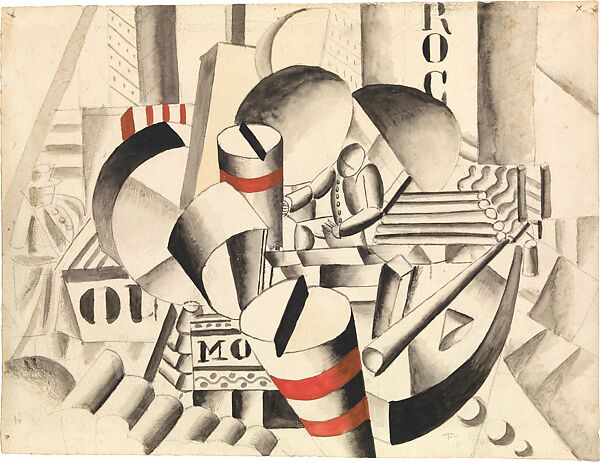
- Modern and Contemporary (1800 AD – Present): The collection includes significant holdings of Impressionism, Cubism, and the rise of mass-produced art forms like comics and posters.
By dragging a blue timeline interface, users can isolate specific eras, making it a valuable tool for historians looking to study the development of specific artistic movements or the global state of art during a particular century.
Cultural Diversity and the Global Scope
While many digital archives have historically leaned toward Western European and North American collections, The Last Museum has made a concerted effort to include a diverse array of global cultures. The platform categorizes works into specific cultural groups, ranging from well-documented traditions like French, Roman, and Japanese art to less represented groups such as the Champa (modern-day Vietnam), Tajik, and Basque cultures.
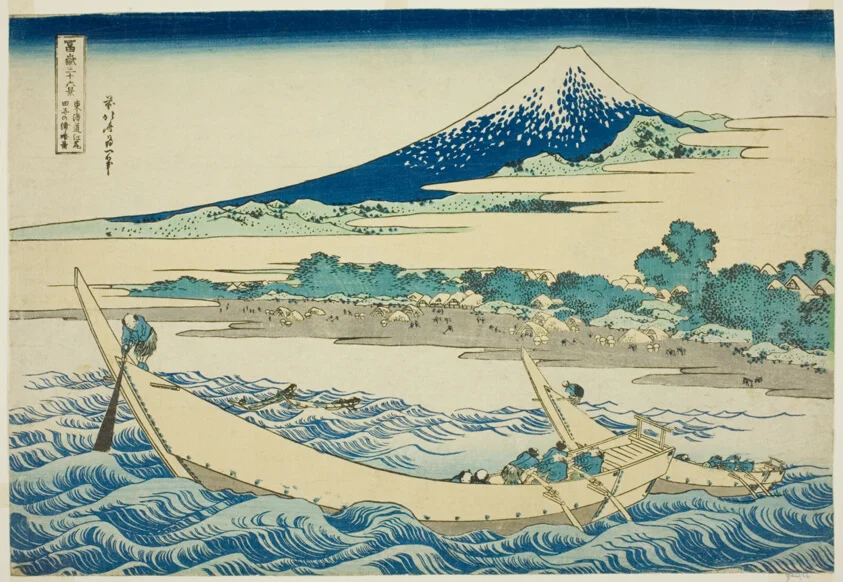
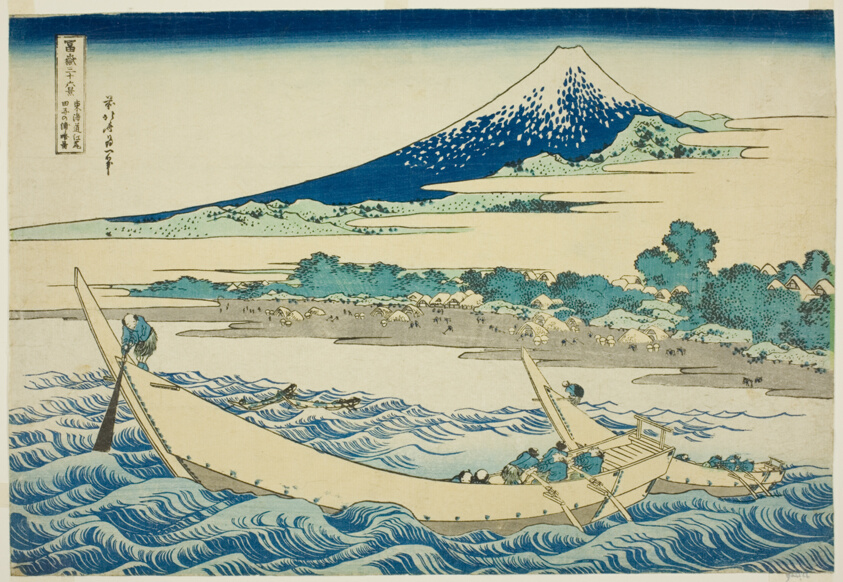
The Japanese section is particularly robust, featuring a vast selection of ukiyo-e woodblock prints, including works from Katsushika Hokusai’s "Thirty-Six Views of Mount Fuji." Similarly, the inclusion of the Champa culture provides visibility to the intricate sandstone sculptures and architectural reliefs of Southeast Asia, which are often underrepresented in generalist art search engines.
The Legal Framework: Public Domain and Open Access
The expansion of The Last Museum is closely tied to the "Open Access" movement that has gained momentum among cultural institutions over the last decade. Many of the works indexed are in the public domain, meaning their copyright has expired or they were never eligible for it. This allows users to download and, in many cases, reuse the images for educational or creative purposes.
The platform also navigates the complexities of "Fair Use," indexing works that are still under copyright but are presented in a transformative, educational, or low-resolution context that complies with international intellectual property standards. This dual approach ensures that the archive remains as comprehensive as possible while respecting the legal rights of contemporary artists and estates.
Institutional Collaboration and Data Integration
The success of such a massive undertaking depends on the cooperation of thousands of museums and libraries. In recent years, institutions like the Getty and the Smithsonian have led the way by releasing tens of thousands of high-resolution images into the public domain. The Last Museum builds upon these initiatives by providing a single point of entry.
Data integration involves sophisticated web-scraping and API (Application Programming Interface) utilization. When a museum updates its digital catalog, the search engine’s crawlers detect the changes, ensuring that the archive remains current. This real-time or near-real-time synchronization is crucial for maintaining the accuracy of provenance records and exhibition histories.
Educational and Research Implications
The availability of 5.8 million artworks in a searchable format has profound implications for education and academic research. In the classroom, educators can use the platform to create comparative visual essays, showing how different cultures approached the same subject matter—such as the depiction of the sun or the portrayal of motherhood—side by side.
For researchers, the archive facilitates quantitative analysis of art history. By analyzing millions of records, scholars can track the prevalence of certain pigments, the geographic spread of specific styles, or the historical fluctuations in the market for different types of media. This "distant reading" of art history, a term borrowed from literary studies, allows for a macro-level understanding of cultural trends that would be impossible through the study of individual masterpieces alone.
Broader Impact and Future Outlook
The naming of the platform, "The Last Museum," suggests a sense of finality or ultimate scale. As the curators of the project note, the term "ultimate" can refer to the last in a series or the most extreme of its kind. In this context, it represents the ambition to create a definitive, all-encompassing digital record of human artistic output.
As technology continues to evolve, the platform is expected to integrate more advanced features, such as augmented reality (AR) viewing and AI-driven stylistic analysis. The integration of 3D scans of sculptures and architectural sites is also a likely next step, moving the archive beyond two-dimensional images.
The broader impact of The Last Museum lies in its ability to preserve cultural heritage in a digital format that is immune to the physical threats of war, climate change, or natural disasters. While a digital image can never replace the experience of standing before a physical canvas or sculpture, the existence of a high-fidelity digital surrogate ensures that the knowledge and aesthetic value of the work are preserved for future generations.
The archive is now open to the public, providing a free and accessible resource for anyone with an internet connection. As the "digital net" of the platform continues to widen, it stands as a testament to the enduring power of art and the technological possibilities of the 21st century to organize and share the collective memory of humanity.