
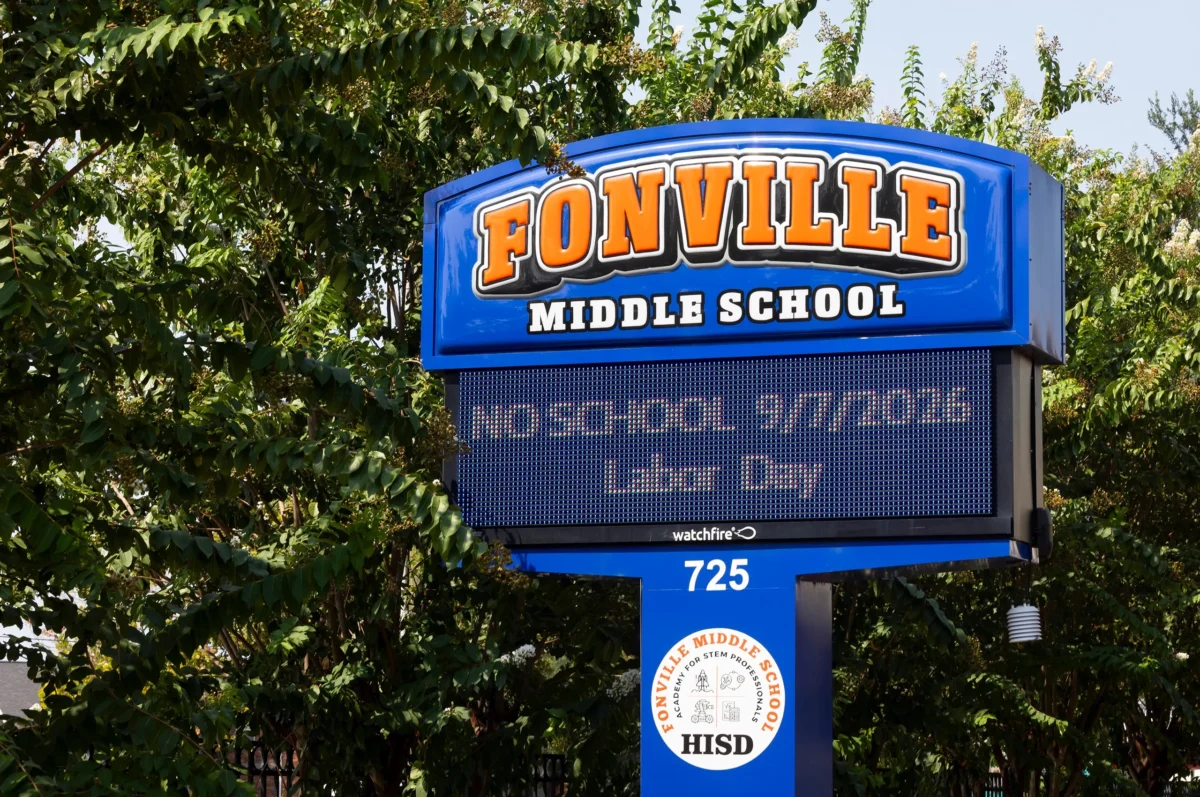
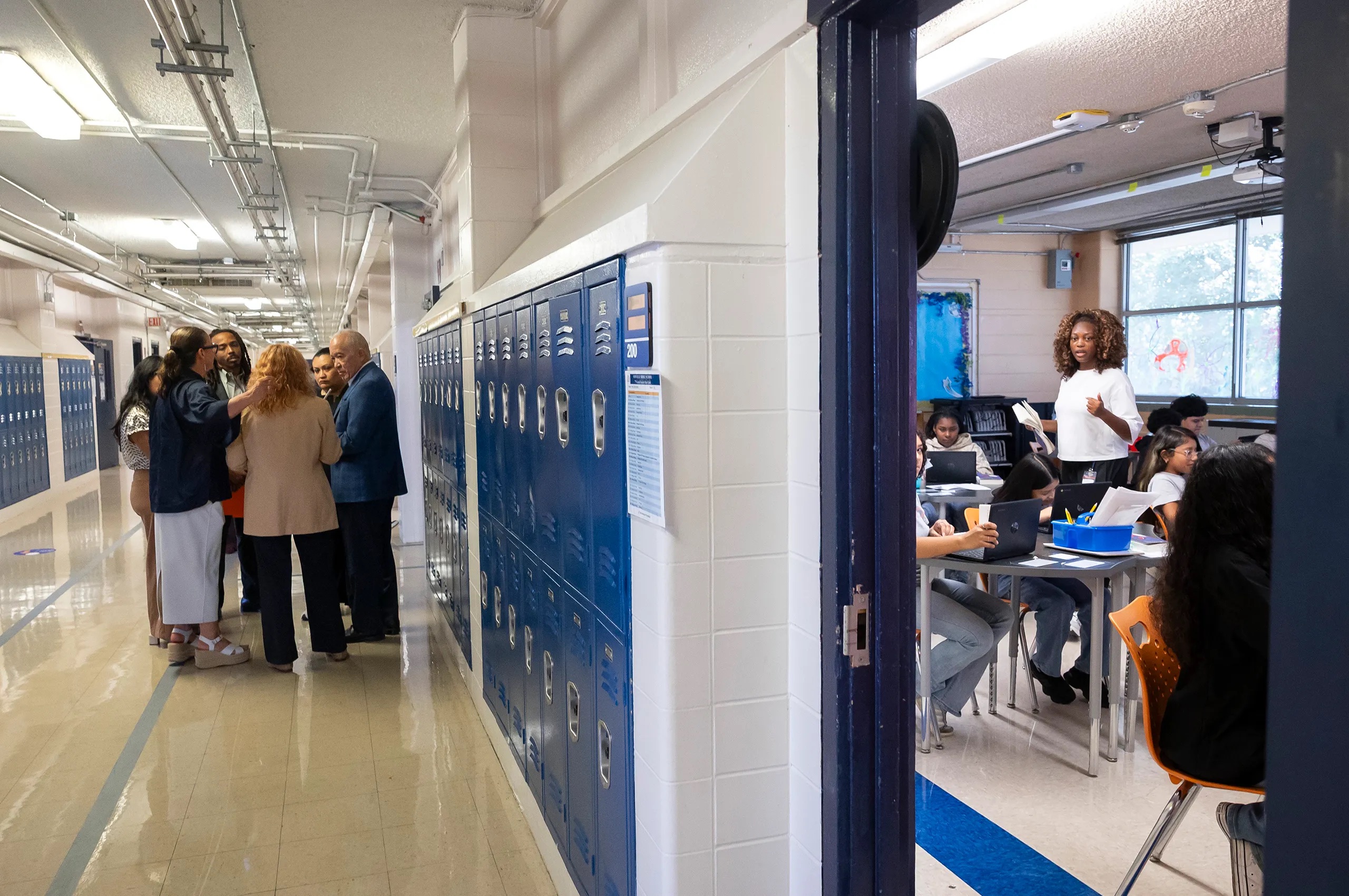
At Fonville Middle School, the transformation is palpable. Learning coaches circulate among students, smart boards glow with interactive lessons, and the school day has been extended to maximize instructional time. These aggressive changes—part of the New Education System (NES) implemented by state-appointed Houston ISD Superintendent Mike Miles—have yielded the school’s first-ever A rating, a dramatic pivot from the scarlet F it received just three years ago when the state seized control of the district. Yet, this academic resurgence has arrived with a staggering financial price tag, prompting a fierce debate over whether the Houston model is a sustainable blueprint for struggling districts or a fiscal gamble that threatens the long-term stability of public education in Texas.
The Anatomy of the Takeover and the NES Model
The state’s intervention in Houston ISD began in 2023, sparked by years of chronic academic underperformance at several campuses. The Texas Education Agency (TEA) ousted the locally elected board of trustees and replaced them with a board of managers, who in turn appointed Mike Miles to lead the district. Miles, a former superintendent in Dallas, brought with him a controversial, high-intensity reform package designed to supercharge standardized test scores.
The NES model centralizes curriculum, enforces strict timing on lessons, and utilizes "Demonstrations of Learning" (DOLs)—timed quizzes administered midway through classes to gauge immediate student understanding. To staff these classrooms, the district has poured tens of millions into hiring additional support staff, including learning coaches and teacher apprentices, while offering higher base salaries to attract talent to schools facing the most significant academic hurdles. According to district budget documents, the inaugural cost to implement these reforms was approximately $700,000 per NES school, with recurring costs estimated at $2,200 more per student annually than at non-NES campuses.

A Chronology of Fiscal Strain and Enrollment Decline
The financial reality of the takeover has been complicated by a sharp, consistent decline in student enrollment. Since the 2023 takeover, Houston ISD has lost roughly 21,000 students—a rate of attrition that outpaces almost every other urban district in the state. This exodus is not merely a matter of demographics; it is, for many families, a direct reaction to the district’s new pedagogical environment.
- 2023-2024: The takeover begins. The district begins draining its massive rainy-day fund to cover the initial, high-cost implementation of the NES model.
- 2024-2025: Enrollment losses accelerate. The district reports a $311 million budget shortfall—the first in a decade. A proposed $4.4 billion bond, aimed at upgrading aging infrastructure and technology, is rejected by voters in an unprecedented landslide, signaling deep public distrust in the administration’s spending priorities.
- 2025-2026: The district moves to liquidate assets, putting nearly 30 properties and plots of land on the market. Operational reserves, which once covered seven months of spending, are whittled down to a three-month buffer.
As enrollment drops, so does state funding, which is tied directly to student attendance. A Texas Tribune analysis estimates the district has lost roughly $190 million in state funding due to the student exodus since the intervention began.

The Debate Over Sustainability and "The Playbook"
To proponents of the takeover, such as Texas Education Commissioner Mike Morath, the results justify the costs. The number of F-rated campuses in Houston has plummeted from 56 to five, and the number of NES campuses achieving A or B ratings has increased eightfold since 2023. Morath argues that Houston operates under the same finance system as every other district, implying that if other districts struggle, it is a matter of administrative will rather than a lack of resources.
Eric Hanushek, a prominent education economist at Stanford University, supports this view, arguing that the academic gains are significant enough to warrant the reallocation of funds. "You can’t just add on a new system and do everything you were doing before," Hanushek noted, suggesting that districts must be willing to make painful cuts to non-essential programs to prioritize classroom instruction.

However, school finance experts like Jonathan Travers, CEO of Education Resource Strategies, warn that Houston is essentially "gambling" on its future. By drawing down reserves to cover recurring salary and staffing costs, the district is burning through a safety net intended for emergencies, not as a permanent budget balancer. "Once those reserves are gone, they’re gone," says Lori Taylor, a researcher at Texas A&M. "You cannot run a school district as a short-term business strategy indefinitely."
The Human and Community Cost of Reform
For parents like Angie Kemp, the shift has been traumatic. Her daughter, a six-year-old at the time, began suffering from sleep-related anxiety caused by the constant pressure of timed assessments. "She’s a rule follower," Kemp explained. "We didn’t want to leave, but we saw the effect it was having on her." Like many other parents who have pulled their children out of HISD, the Kemps moved to a different district, effectively removing their tax contributions from the Houston system.

The impact of these departures is compounded by the loss of wraparound services. In an effort to close budget gaps, Miles cut roughly 200 positions for wraparound specialists—professionals tasked with connecting students in high-poverty areas with essential services like food and healthcare. Additionally, the reduction of 85 bus routes has disproportionately affected lower-income families who rely on public transportation.
Implications for the Future of Texas Schools
The Houston model is now being exported. With roughly a dozen other Texas districts at risk of state takeovers due to poor performance, the TEA is looking to replicate the Houston blueprint. Former Houston administrators have been placed in leadership roles in Beaumont, Lake Worth, and Fort Worth, the latter of which has already begun rebranding NES-style practices as "ELEVATE."

In Fort Worth, the results are mirroring Houston’s initial turbulence. The district is facing an exodus of nearly 800 teachers and is currently grappling with a budget deficit as it attempts to fund the expensive new reform measures. Superintendent Peter Licata has openly acknowledged the difficulty, stating, "We are still spending more money than we get in… it’s just bad math."
Research from other states, such as Tennessee and Colorado, offers a cautionary tale. In those instances, early academic gains from aggressive, high-intervention reforms often proved fragile, stalling or dissipating once leadership turned over or funding sources became unreliable. The challenge for Houston—and for any district following in its footsteps—is to determine whether the "stickiness" of these policies can survive the return of local control.

As the state prepares for the eventual transition back to an elected board, the district faces an uncertain financial horizon. Whether the next board will be able to maintain these academic gains without the massive, one-time cash reserves that sustained the takeover remains the central question. For now, parents like Heather Golden remain skeptical: "It will be almost impossible to maintain these results because we don’t have a financial cushion anymore, especially with all the students leaving. It feels a little bit like a death spiral."
The final verdict on the Houston intervention will not be found in the current A-F report cards, but in the long-term fiscal health of the district and its ability to re-engage the thousands of families who have walked away. If the "playbook" requires the permanent sacrifice of community services and the depletion of all liquid assets, the true cost of these academic gains may ultimately prove to be the sustainability of the public school system itself.










Leave a Reply