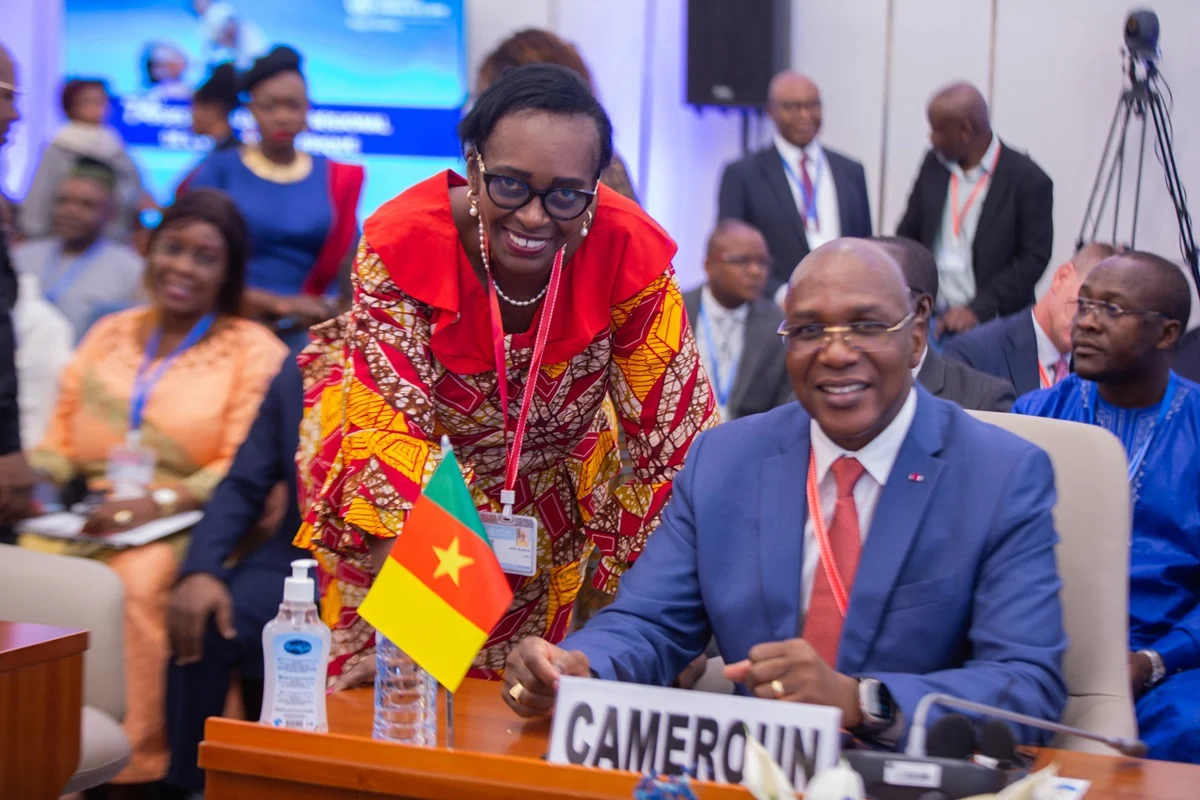
In a landmark display of solidarity and regional commitment to global health security, 14 African nations alongside an influential coalition of international philanthropic foundations and development banks have pledged more than US$ 45 million in support of the World Health Organization (WHO) Investment Round. This historic financial commitment was officially unveiled during the Seventy-fourth session of the WHO Regional Committee for Africa, bringing together heads of state, ministers of health, and international development partners to secure the long-term, sustainable financial architecture necessary for the world’s leading public health agency.
The multi-million-dollar pledges mark a pivotal milestone in a three-month-old global campaign designed to overhaul how the WHO is funded. Historically, the organization has relied heavily on tightly earmarked voluntary contributions, which often restrict where and how funds can be spent during health emergencies. The new Investment Round seeks to fundamentally shift this dynamic by mobilizing flexible, predictable, and resilient resources. By securing these funds at the outset of a four-year budget cycle, the WHO aims to optimize strategic decision-making, enhance crisis responsiveness, and support low- and middle-income countries in strengthening their domestic health systems.
The overwhelming response from the African continent underscores a growing recognition among developing economies that regional health security is inextricably linked to sustainable, independent institutional funding. As the global health landscape navigates the complex aftermath of recent pandemics and faces compounding threats from climate-sensitive diseases, antimicrobial resistance, and chronic health burdens, the need for a fortified global health architecture has never been more urgent.
Chronology of the WHO Investment Round: From Conception to Regional Triumph
To fully understand the significance of the US$ 45 million injection from the African region, it is essential to examine the chronological evolution of the WHO Investment Round initiative. The journey toward this novel financial model began years prior, driven by recommendations from the WHO Member States Working Group on Sustainable Financing, which highlighted the structural vulnerabilities of an organization funded primarily by short-term, earmarked grants.
The formal genesis of the campaign occurred in May 2024 during the Seventy-seventh World Health Assembly in Geneva, Switzerland. There, global health leaders officially launched the Investment Round as a multi-year mechanism to broaden the donor base, engage non-traditional contributors, and secure predictable funding streams aligned directly with the Fourteenth General Programme of Work (GPW 14)—the WHO’s overarching strategic plan for 2025–2028.
Following its global rollout, the campaign quickly moved into regional phases to garner localized buy-in. The pivotal moment for the African continent arrived during the WHO Regional Committee for Africa meetings. Rather than treating fundraising as a passive administrative task, African heads of state and government transformed the regional assembly into an active pledging forum. Over the course of the high-level deliberations, 14 nations stepped forward with concrete financial commitments, proving that African nations are not merely beneficiaries of international aid, but active co-investors in global public health architecture.
This regional milestone serves as a crucial stepping stone in the broader global timeline of the Investment Round. The campaign is scheduled to feature a series of high-profile pledging moments culminating in late 2024, where global leaders, private sector entities, and philanthropic organizations will gather to close remaining funding gaps and secure the resources required to protect vulnerable populations worldwide.
An Expanding Coalition: Member States and Strategic Partners
The success of the regional pledging event hinged on a powerful convergence of state leadership and strategic international partnerships. The roster of participating African member states reflects a geographically diverse and politically unified coalition committed to institutional strengthening. The 14 nations that formally pledged financial support during the committee meetings include Botswana, Cabo Verde, Chad, the Republic of the Congo, Ethiopia, the Gambia, Mauritius, Namibia, Niger, Rwanda, Senegal, Seychelles, South Africa, and the United Republic of Tanzania.
This group spans diverse regions of the continent, uniting nations with varying economic capacities under a shared vision of health sovereignty and regional resilience. For many of these countries, contributing to the WHO Investment Round—even amidst domestic fiscal pressures—sends a powerful signal about the value they place on multilateral health cooperation.
Complementing the sovereign commitments was a formidable cohort of international development partners, philanthropic foundations, and specialized funds. Organizations such as the Helmsley Charitable Trust, the World Diabetes Foundation, pharmaceutical leader Roche, the Kuwait Fund for Arab Economic Development, the Bill & Melinda Gates Foundation, the African Development Bank, and the dedicated WHO Foundation all joined Member States in making immediate commitments while signaling intentions for subsequent contributions later in the year.
This public-private synergy is a cornerstone of the Investment Round philosophy. By pooling resources from sovereign governments, private philanthropy, and development finance institutions, the WHO can leverage diverse streams of capital to address systemic health challenges that transcend national borders.
Official Responses and Statements from Global Health Leadership
The historic mobilization elicited widespread acclaim from the highest echelons of global and regional public health administration, underscoring the profound strategic implications of the event.
Dr. Tedros Adhanom Ghebreyesus, Director-General of the World Health Organization, expressed profound gratitude to the African leadership during his address to the Regional Committee. "I thank our African Region Member States for actively supporting WHO’s first Investment Round to mobilize predictable and flexible resources needed for our core work over the next four years," Dr. Tedros stated. He emphasized that the transition toward sustainable funding is not merely an accounting adjustment, but a fundamental operational enabler. "Full, sustainable funding will enable WHO to support countries better in their work to build healthier, more resilient, and more prosperous populations."
Echoing these sentiments, Dr. Matshidiso Moeti, WHO Regional Director for Africa, highlighted the regional imperative for a robust and autonomous global health agency. "A strong, predictable and sustainably financed WHO is essential for our region and the world to meet the multiple health threats we face; and support the prevention of disease based on the vast evidence at our disposal," Dr. Moeti remarked. She further emphasized the inclusive nature of the campaign, noting, "Every pledge and every partnership counts. Together, we can achieve a future where health and well-being are accessible to all."
Representatives from the partner organizations similarly voiced their endorsement of the Investment Round framework. Spokespersons from the Bill & Melinda Gates Foundation and the African Development Bank reiterated that predictable financing models reduce administrative burdens on the WHO, allowing technical experts to deploy rapidly during disease outbreaks rather than spending critical weeks mobilizing emergency funds.
Supporting Data and the Mechanics of Sustainable Financing
To appreciate the gravity of the US$ 45 million pledge, it is necessary to examine the financial mechanics and historical data governing the WHO’s operational budget. For decades, the organization has operated under a funding imbalance known colloquially as the "assessed vs. voluntary contribution dilemma."
Historically, assessed contributions—the mandatory dues paid by member states based on their wealth and population—have accounted for less than 20% of the WHO’s total budget. The remaining 80% or more has relied on voluntary contributions. Crucially, the vast majority of these voluntary funds have been heavily earmarked by donors for specific programs, such as polio eradication or malaria control. While these disease-specific campaigns are vital, severe earmarking leaves the WHO with very little discretionary "core" funding to invest in overarching public health infrastructure, health workforce training, normative standard-setting, and emergency preparedness.
The WHO Investment Round was conceived precisely to correct this structural deficit. The initiative is built upon three core financial principles:
- Flexibility: Contributions are unearmarked or softly earmarked, allowing the WHO to allocate funds dynamically according to the priorities outlined in GPW 14 and approved by the collective membership.
- Predictability: By securing multi-year pledges at the start of the budget cycle, the organization can engage in long-term strategic planning, secure better procurement pricing for medical supplies, and retain top-tier scientific talent.
- Resilience: By expanding the donor base to include non-traditional state actors, regional development banks, and philanthropic foundations, the WHO diversifies its financial risk, insulating itself against sudden economic downturns or shifts in foreign policy priorities of individual traditional donor nations.
The US$ 45 million raised by the 14 African nations and their partners represents a tangible down payment on this new funding model. While the global Investment Round targets billions of dollars to fully fund the quadrennial budget, the African regional contribution is disproportionately significant because it originates from nations that face acute domestic development demands. Their willingness to invest in a global public good demonstrates a mature understanding of collective security.
Broader Impact, Implications, and Fact-Based Analysis
The success of the African regional pledging event carries profound implications for the future of multilateralism and global health security. As geopolitical tensions strain traditional international alliances, the active participation of developing nations in funding global institutions signals a vital decentralization and democratization of global health governance.
Historically, global health agendas were largely drafted by wealthy donor nations in the Global North and implemented in the Global South with minimal local ownership. The proactive financial engagement of African heads of state in the WHO Investment Round inverts this dynamic, asserting a stronger voice for the continent in shaping international health priorities, resource allocation, and research agendas.
Furthermore, the operational implications for disease surveillance and outbreak response cannot be overstated. A sustainably financed WHO is better equipped to implement the International Health Regulations (IHR), support member states in establishing robust genomic sequencing laboratories, train frontline healthcare workers, and maintain emergency supply chains. In the wake of recent global health emergencies—including the COVID-19 pandemic and ongoing outbreaks of mpox and viral hemorrhagic fevers—the cost of prevention and preparedness has been proven to be exponentially lower than the economic and human toll of reactive crisis management.
By locking in flexible financing through the Investment Round, the WHO can invest proactively in primary health care systems, which serve as the first line of defense against both localized epidemics and global pandemics. The commitment from African nations ensures that regional health priorities, ranging from maternal and child mortality reduction to the management of non-communicable diseases, remain central to the global health discourse.
Looking Ahead: The Global Road to 2025 and Beyond
As the WHO Regional Committee for Africa concludes its historic sessions, the momentum generated by the US$ 45 million in pledges serves as a powerful catalyst for the remainder of the global Investment Round campaign. In the coming months, the WHO will host subsequent pledging moments across other regions, engaging member states from the Americas, Europe, the Eastern Mediterranean, South-East Asia, and the Western Pacific.
The ultimate success of the Investment Round will be measured not only by the total volume of capital mobilized, but by the degree to which funding becomes more sustainable, flexible, and equitable. For the 14 African nations that took the bold step of formalizing their commitments, the investment is a strategic bet on a stronger, more independent, and more accountable global health architecture.
As the international community watches these developments unfold, the message from the African continent is unequivocal: sustainable global health security is a shared responsibility, requiring unwavering solidarity, innovative financing, and a collective commitment to protecting the health and well-being of all populations, everywhere.