While the historical origins of Halloween trace back over 2,000 years to the ancient Celtic festival of Samhain—a period marked by the lighting of bonfires and the wearing of costumes to ward off ghosts—the modern iteration of the holiday has shifted significantly toward aesthetic performance and digital documentation. No longer relegated to the neighborhood trick-or-treat circuit, Halloween has evolved into a premier cultural event for adults, characterized by sophisticated costume design, pop-culture meta-commentary, and global engagement through social media platforms. In 2024, the landscape of Halloween is as much about the "reveal" on a smartphone screen as it is about the physical event itself.
The Economic and Cultural Significance of Modern Halloween
The commercial impact of Halloween remains one of the most consistent indicators of consumer behavior in the United States. According to the National Retail Federation (NRF), annual spending on Halloween-related goods—including costumes, candy, and home decorations—consistently trends upward, often exceeding $10 billion annually. This expenditure reflects a broader demographic shift: adults are increasingly becoming the primary drivers of costume innovation. Unlike the mid-20th-century model, where costumes were primarily store-bought masks for children, the contemporary trend favors "DIY" (Do-It-Yourself) aesthetics, high-production cosplay, and satirical ensembles that require significant time and financial investment.
The rise of the "creator economy" has accelerated this trend. Platforms like TikTok, Instagram, and X (formerly Twitter) act as virtual runways, where individuals compete for viral validation. This year, the focus has shifted toward hyper-specific cultural references—ranging from niche animated series characters to homages to legendary cinematic icons. The transition from communal, neighborhood-based celebration to individualistic, performance-based expression is a direct consequence of the internet’s ability to turn a singular, clever costume into a global talking point within hours.
Chronology of the Modern Costume Trend
The timeline of costume evolution can be categorized into three distinct phases. The first phase, spanning the late 20th century, was defined by mass-market manufacturing and recognizable, generic tropes—witches, ghosts, and movie monsters. The second phase, emerging in the mid-2000s with the advent of early social media, saw a shift toward "ironic" costumes, where the humor was derived from the costume’s low-effort or self-deprecating nature.
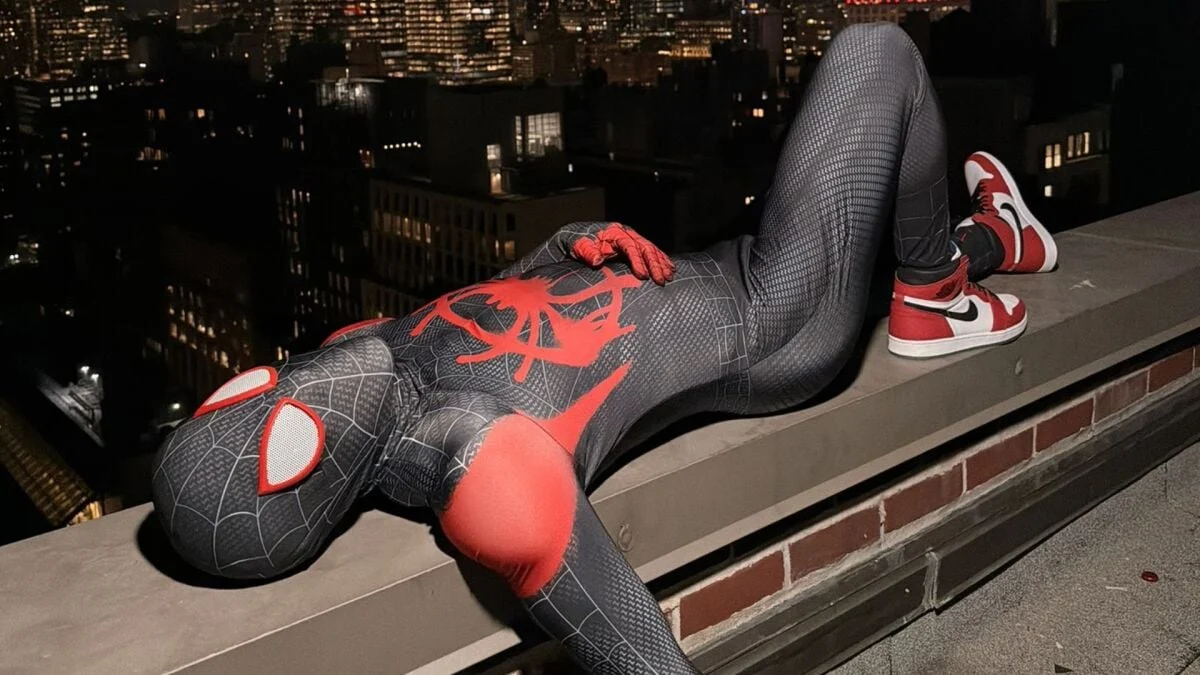
The current, third phase is defined by "high-fidelity" costume design. This movement is characterized by three key elements: technical precision, deep-cut pop-culture knowledge, and the integration of digital media. For instance, the recent surge in costumes inspired by obscure television programs—such as early 2000s children’s programming or niche anime—serves as a bridge between the nostalgia of Generation Z and the creative capabilities of the current workforce.
In October 2024, data from social media analytics platforms indicated a record-high volume of posts tagged under "HalloweenDIY" and "CosplayEvolution," suggesting that the average time spent preparing for the holiday has increased by nearly 40% over the last decade. This suggests that the holiday is no longer a one-night affair but a season-long commitment to creative output.
The Role of Social Media in Cultural Homage
The digital age has fundamentally altered how we interpret the "classic" costume. When individuals choose to dress as historical figures, such as James Brown, or iconic cinematic entities, such as the Silver Surfer, the intent is often to trigger a collective recognition among their digital peers.
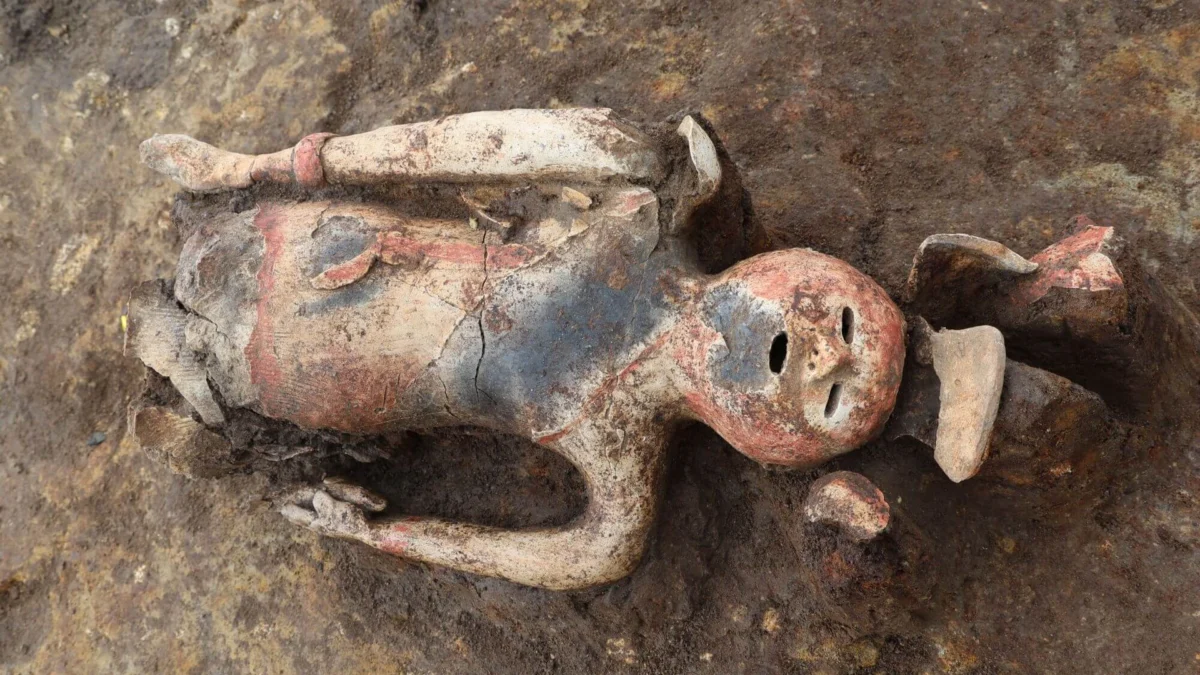
For example, the choice to recreate looks from early 2000s animation—such as Total Drama Island—is a calculated effort to appeal to the "nostalgia economy." By selecting characters that resonate with the collective memory of a specific age demographic, individuals establish immediate social currency. The same applies to tributes paid to cinema legends like Willem Dafoe. These costumes are not mere disguises; they are statements of appreciation and creative capability. The act of documenting these costumes on platforms like X and Instagram serves as a validation loop, where the quality of the execution is measured by the frequency and nature of the online engagement.
Analysis of the "Streamer" Influence
One of the most notable shifts in 2024 has been the influence of live-streaming personalities on costume trends. Streamers, who possess direct lines of communication with millions of followers, are increasingly using Halloween as a mechanism for brand integration and audience interaction. When a major creator adopts a specific costume, it often dictates the trends for the entire season. This "top-down" influence is a departure from the traditional grassroots origins of Halloween costumes, suggesting that cultural icons now serve as the primary influencers for holiday fashion.
The implications of this shift are twofold. First, it creates a standardized expectation for what a "good" costume looks like, pushing everyday individuals to strive for higher production values. Second, it creates a sense of global unity; a costume designed in a living room in one country can be analyzed and replicated by someone on the other side of the world within minutes.
The Psychological and Social Implications
Psychologically, the act of dressing up provides an outlet for identity exploration. In a world where digital personas are carefully curated, Halloween offers a rare, sanctioned space to abandon one’s professional or daily identity in favor of something more fantastical or exaggerated.
Sociologically, the focus on costume precision serves as a form of "cultural capital." The ability to construct a costume that is both aesthetically impressive and culturally relevant requires a specific set of skills: resourcefulness, knowledge of media history, and the dexterity to manipulate materials. This has turned the act of costume-making into a legitimate hobby, with communities forming around specialized skills like foam-smithing, prop making, and prosthetic makeup application.
Looking Toward the Future
As we look toward future iterations of the holiday, it is likely that the integration of technology will continue to deepen. The incorporation of augmented reality (AR) filters, LED integration, and even 3D-printed costume components is already becoming more common. Furthermore, as the barrier between "online" and "offline" life continues to blur, the distinction between a costume meant to be viewed in person and one meant to be viewed on a screen will vanish entirely.
The data supports a continued trajectory of growth in both interest and investment. With the holiday increasingly occupying a space in the professional and adult social calendar, the stakes for costume design will continue to rise. What began as an ancient tradition of protection against the unseen has transformed into a modern celebration of visibility, creativity, and the power of shared digital narratives.
Ultimately, whether one chooses to dress as a nostalgic icon or a contemporary cinematic figure, the spirit of the holiday remains unchanged in its core purpose: to challenge the mundane. In 2024, this challenge is met with a level of dedication and technical sophistication that proves Halloween has transitioned from a seasonal celebration to a permanent fixture of our cultural identity. The images and performances shared across social media this year are not just snapshots of a night, but part of a living archive of popular culture that will continue to influence and inspire in the years to come.