
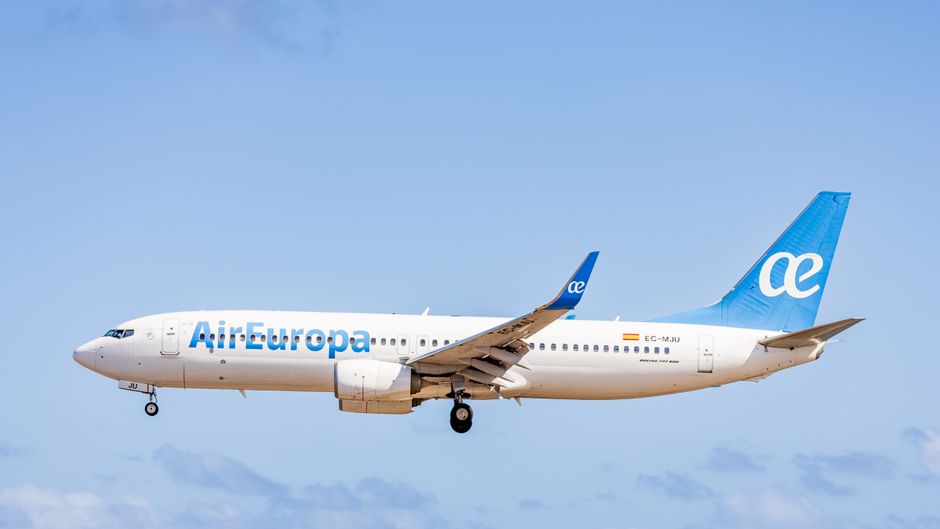
Air Europa Warns: Navigating Potential Disruptions and Passenger Rights
Air Europa, a prominent Spanish airline, periodically issues warnings to its passengers concerning potential disruptions to their travel plans. These warnings, often stemming from a variety of factors including industrial action, operational challenges, or external events, serve as crucial communication to mitigate passenger inconvenience and to inform them of their rights and available options. Understanding these warnings and the underlying causes is paramount for any traveler booked with Air Europa, as it empowers them to make informed decisions and to advocate effectively for their entitlements. This comprehensive overview delves into the typical scenarios that trigger Air Europa’s advisories, the information passengers can expect to receive, and the crucial passenger rights that come into play during such disruptions, with a particular focus on European Union (EU) regulations.
Industrial Action and Its Ramifications: A Frequent Concern for Air Europa Passengers
One of the most recurring reasons for Air Europa to issue warnings is industrial action, commonly known as strikes. These strikes can be initiated by various employee groups within the airline, such as pilots, cabin crew, ground staff, or baggage handlers. The immediate impact of a strike is often a significant reduction in flight schedules, leading to cancellations and delays. Air Europa’s warnings in such instances are typically issued with as much advance notice as possible, though the nature of industrial disputes can sometimes lead to last-minute developments. Passengers are advised to monitor the airline’s official website, their booking confirmation emails, and dedicated passenger information pages for the most up-to-date information regarding their specific flight. The airline will usually provide information on whether their flight is operating as scheduled, has been delayed, or has been cancelled altogether. In the event of cancellation, Air Europa is obligated to offer passengers a choice between a full refund of their ticket, rebooking on the next available flight with Air Europa or another airline (if feasible), or alternative transport arrangements. The specific details of these options will be communicated in the warning or subsequent advisories.
Operational Challenges and Unforeseen Circumstances Affecting Air Europa Flights
Beyond industrial action, Air Europa may also issue warnings due to a range of operational challenges and unforeseen circumstances. These can encompass a wide spectrum of issues, including but not limited to: adverse weather conditions (such as storms, fog, or snow), air traffic control restrictions, technical malfunctions with aircraft, airport infrastructure problems, or even geopolitical events that impact airspace. For instance, severe weather across Europe can ground flights not only at Air Europa’s hubs but also at destination airports, creating a domino effect of delays and cancellations. Similarly, unexpected technical issues requiring urgent maintenance can lead to flight cancellations. In such scenarios, Air Europa’s warnings will aim to provide clarity on the affected routes, estimated durations of disruption, and any immediate passenger guidance. The airline’s priority is to ensure safety, and thus operational issues that compromise safety will always take precedence. Passengers are encouraged to maintain a flexible mindset and be prepared for potential schedule changes, especially during periods of known meteorological instability or heightened air traffic congestion. The airline will strive to rebook affected passengers as quickly as possible, though the availability of alternative flights can be influenced by the scale of the disruption and the overall capacity of the aviation network.
Understanding Your Passenger Rights Under EU Regulation 261/2004
When Air Europa issues warnings about flight disruptions, especially those involving cancellations or significant delays, passengers are protected by EU Regulation 261/2004. This regulation establishes a set of passenger rights concerning denied boarding, flight cancellations, and long delays. It’s crucial for Air Europa passengers to familiarize themselves with these rights to ensure they receive the appropriate compensation and assistance.
For flight cancellations, if the cancellation is not due to "extraordinary circumstances," passengers are entitled to:
- Right to reimbursement, re-routing, or rebooking: Air Europa must offer the choice between a full refund of the ticket price within seven days, or re-routing to their final destination at the earliest opportunity, or re-routing at a later date at the passenger’s convenience.
- Right to care: If re-routing is offered, passengers are entitled to care, which includes:
- Meals and refreshments in reasonable relation to the waiting time.
- Hotel accommodation if an overnight stay becomes necessary.
- Transport between the airport and the place of accommodation.
- Two free telephone calls, telex or fax messages, or e-mails.
- Right to compensation: In addition to the above, passengers may be entitled to compensation, unless the cancellation was due to "extraordinary circumstances" such as severe weather, political instability, or security risks. The amount of compensation depends on the distance of the flight:
- €250 for all flights of 1,500 km or less.
- €400 for all flights between 1,500 km and 3,500 km, and for all flights within the EU of more than 1,500 km.
- €600 for all other flights.
For significant delays, EU Regulation 261/2004 also outlines passenger rights. While there isn’t direct compensation for delays as there is for cancellations, passengers are entitled to the "right to care" (as detailed above) if the delay is substantial. The definition of a "significant delay" can vary, but typically it refers to a delay of:
- Two hours or more for flights of 1,500 km or less.
- Three hours or more for all flights between 1,500 km and 3,500 km, and for all flights within the EU of more than 1,500 km.
- Four hours or more for all other flights.
If a delay exceeds five hours, passengers have the right to abandon their journey and receive a refund for the unused part of their ticket.
It is crucial to note that the definition of "extraordinary circumstances" is key. These are events that are not inherent in the normal exercise of the activity of the air carrier and are beyond its actual control. Examples include air traffic control strikes (but not airline staff strikes), unforeseen flight safety shortcomings, and adverse weather conditions. If a disruption is deemed an extraordinary circumstance, Air Europa may be exempt from paying compensation, but they are still obligated to provide care and re-routing options.
Communicating Effectively with Air Europa During Disruptions
When Air Europa issues a warning, proactive and clear communication from both the airline and the passenger is vital. Passengers should:
- Stay Informed: Regularly check Air Europa’s official website, particularly the flight status or disruptions section. Sign up for flight alerts if available.
- Review Your Booking: Have your booking reference number readily available.
- Understand Your Options: Familiarize yourself with the choices Air Europa offers: refund, rebooking, or alternative transport.
- Contact Air Europa: If your flight is affected, contact Air Europa’s customer service. Be prepared for longer waiting times during widespread disruptions. Utilize their online chat, social media support, or phone lines.
- Document Everything: Keep records of all communication, including emails, screenshots, and notes of phone conversations, along with dates and times. This documentation is invaluable if you need to make a claim for compensation or reimbursement.
- Know Your Rights: As outlined in EU Regulation 261/2004, understand what you are entitled to in terms of care, re-routing, and potential compensation.
Repercussions of "Extraordinary Circumstances" on Compensation
The distinction between circumstances within an airline’s control and "extraordinary circumstances" significantly impacts passenger compensation claims. Air Europa, like all airlines operating within the EU, will assess each disruption against this criteria. If a strike is by Air Europa’s own staff, it is generally considered within the airline’s control, and compensation is likely payable. However, a strike by air traffic controllers at a specific airport, or widespread weather phenomena affecting multiple airlines, would typically be classified as extraordinary. Passengers should be aware that airlines may initially cite extraordinary circumstances to avoid immediate compensation payouts, and it may require passengers to pursue claims further if they believe the circumstances were not truly extraordinary. The European Court of Justice has provided interpretations on what constitutes extraordinary circumstances, and these rulings can be a basis for passenger appeals.
Navigating Rebooking and Alternative Travel
When Air Europa’s warnings indicate a need for rebooking, the process can vary. In cases of cancellation due to industrial action or operational issues within the airline’s control, passengers have a right to be rebooked on the next available flight. This may involve a flight with Air Europa on a different route or at a later time, or, in some instances, on a flight operated by a partner airline, depending on the agreements in place. The airline’s obligation is to get you to your final destination with minimal disruption. If the rebooked flight significantly alters the nature of your trip or purpose (e.g., missing a crucial business meeting or a pre-paid event), this could also be grounds for a full refund. Passengers should be clear about their needs and any subsequent losses when discussing rebooking options with Air Europa.
The Role of Travel Insurance
For Air Europa passengers, particularly those traveling internationally or during periods of potential volatility, comprehensive travel insurance can provide an invaluable safety net. While EU Regulation 261/2004 covers specific entitlements, travel insurance can extend coverage to areas not addressed by the regulation, such as:
- Loss of accommodation or pre-paid excursions due to flight cancellations or significant delays.
- Additional expenses incurred due to extended stays abroad, such as meals and hotel costs beyond what the airline is obligated to provide.
- Cover for missed connections with other transport providers not covered by the airline.
- Reimbursement for non-refundable tickets if the flight is cancelled for reasons not covered by EU 261/2004.
It is imperative for passengers to carefully review their travel insurance policy wording to understand the specific coverage provided for flight disruptions and to ensure it aligns with their travel plans and potential risks.
Conclusion: Proactive Planning and Asserting Rights
Air Europa’s warnings are not just notifications of potential inconvenience; they are signals to passengers to engage proactively with their travel plans. By understanding the common causes of disruption, knowing their passenger rights under EU Regulation 261/2004, and maintaining clear communication with the airline, passengers can significantly mitigate the impact of unforeseen events. The right to care, re-routing, and compensation are fundamental entitlements, and passengers should not hesitate to assert them. In an era of increasingly interconnected travel, staying informed and prepared is the most effective strategy for navigating the complexities of modern air travel, especially when airlines like Air Europa issue necessary advisories regarding their operations.





Leave a Reply