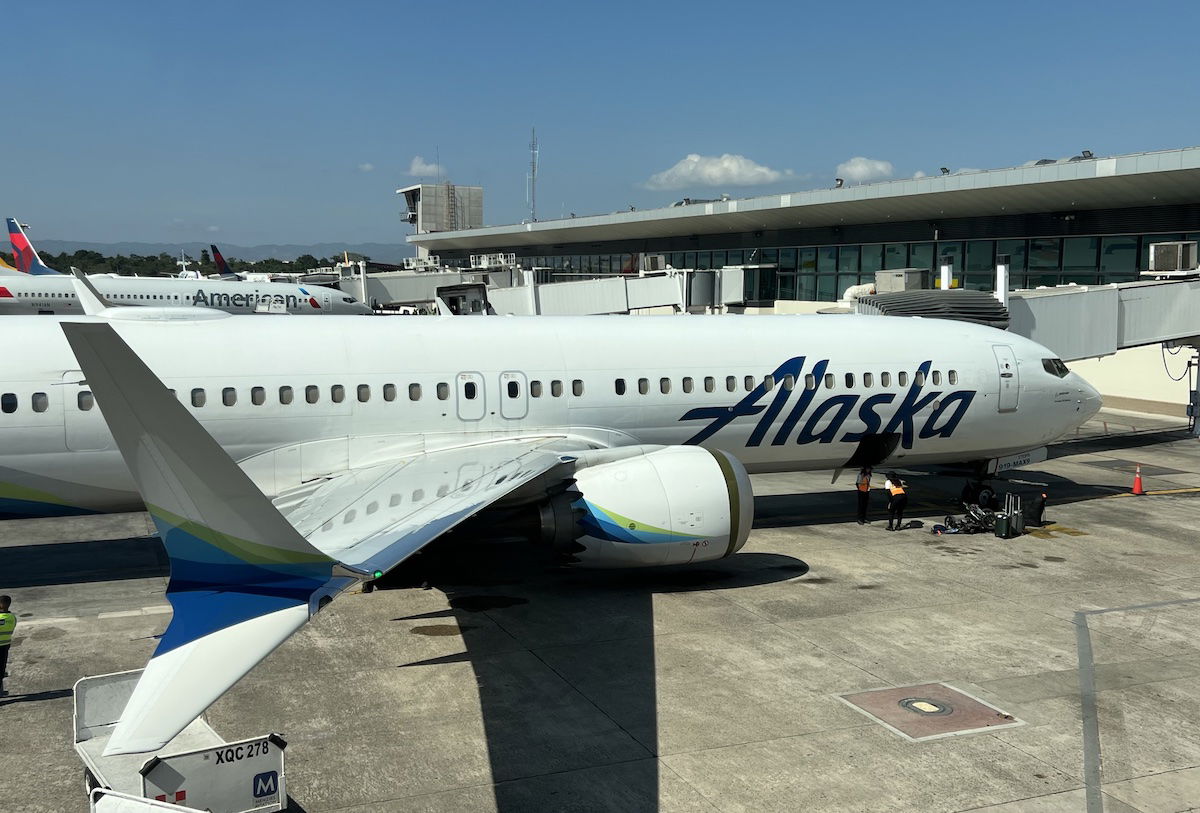
Alaska Airlines and its regional subsidiary, Horizon Air, have concluded a multi-week internal investigation into a series of service failures that resulted in a family being denied boarding on one flight and subsequently removed from another. The incident, which took place at Missoula Montana Airport (MSO), has drawn significant attention to the complexities of international document verification systems and the broad discretionary power granted to flight crews under federal aviation regulations. Following a formal complaint process involving both the U.S. Department of Transportation (DOT) and the Canadian Transportation Agency (CTA), the carrier has issued a detailed response and offered a compensation package totaling several thousand dollars, while simultaneously defending the legal validity of its crew’s actions.
The dispute began when a passenger, identified as Christophe, attempted to travel from Missoula to Vancouver with his family. The journey was marred by two distinct failures: an initial technical glitch that prevented the family from boarding their first scheduled flight, and a "clash of personalities" on the second flight that led to their involuntary removal from the aircraft. The resolution of this case provides a rare window into how airlines navigate the intersection of passenger rights, technical liability, and the "Contract of Carriage."
A Chronology of Operational and Interpersonal Failures
The sequence of events began at the check-in counter in Missoula. Despite possessing valid travel documentation for international transit to Canada, the family encountered a persistent error within Alaska Airlines’ information technology infrastructure. Airport personnel and centralized support resources reportedly spent significant time attempting to override a system-processing issue related to document verification. Because the software could not clear the family’s credentials before the departure gate closed, they were unable to board their original flight.
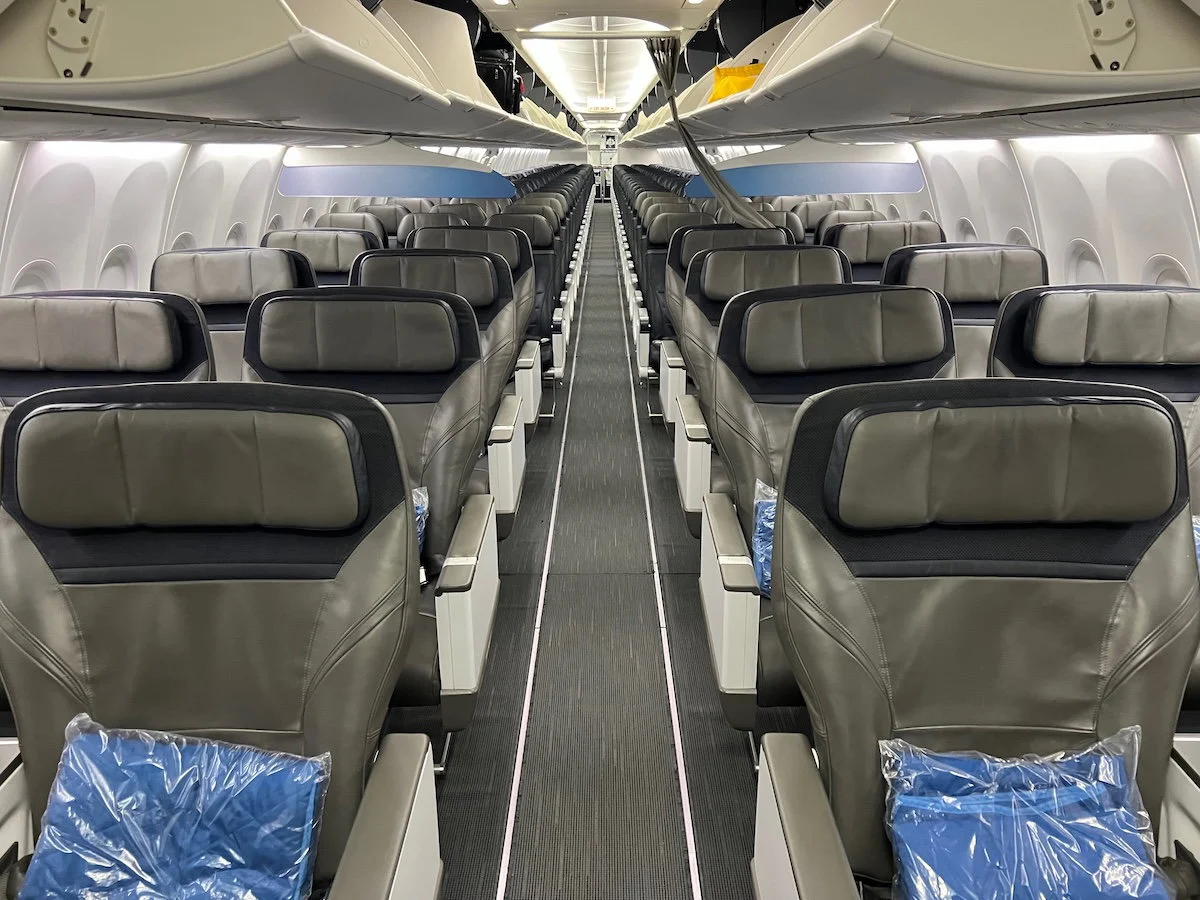
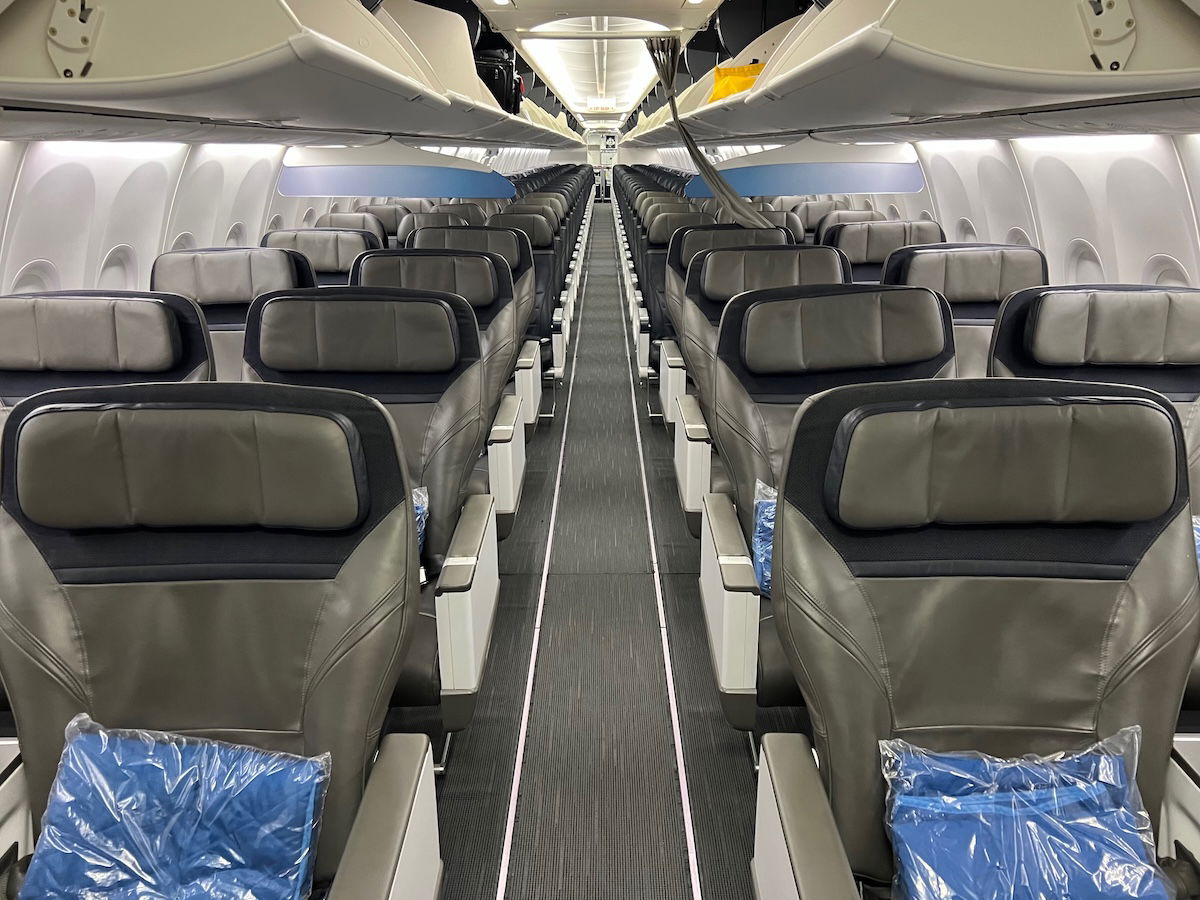
Following this initial disruption, the family was rebooked on a later flight. However, this transition introduced further complications. The family had originally purchased First Class accommodations, but due to limited availability on the replacement flight, they were downgraded to the main cabin. When the time came to board the second aircraft, the family was issued boarding passes that allegedly contained outdated seat assignments, a byproduct of the ongoing synchronization issues within the airline’s passenger service system.
Upon boarding the second aircraft, a dispute arose regarding seating. According to the family’s account, a commuting crew member—an off-duty employee traveling on the flight—intervened in a manner the family perceived as confrontational. The situation escalated when the family requested the employee’s name to file a formal complaint. Shortly thereafter, the captain of the flight exercised his authority to remove the family from the aircraft, citing concerns over "compliance with crew instructions" and potential safety disruptions. Left with no further options on Alaska Airlines, the family was forced to purchase last-minute tickets on Delta Air Lines to complete their journey.
Regulatory Interpretations: 14 C.F.R. Part 250 and the APPR
A central point of contention in the aftermath of the event was whether the family was entitled to mandatory compensation under U.S. or Canadian law. Under 14 C.F.R. Part 250, U.S. airlines are required to pay "Denied Boarding Compensation" (DBC) if a passenger is bumped from a flight. However, Alaska Airlines’ legal team argued that these regulations apply strictly to "oversales"—situations where an airline sells more tickets than there are seats available. Because the family was prevented from boarding due to a technical document-processing error rather than an oversold cabin, the carrier maintained that U.S. federal compensation mandates did not apply.
The family also invoked the Canadian Air Passenger Protection Regulations (APPR), which offer broader protections for flights arriving in or departing from Canada. The APPR distinguishes between delays within a carrier’s control, those within a carrier’s control but required for safety, and those outside a carrier’s control. Alaska Airlines contended that the document verification issue and the subsequent removal by the captain did not meet the threshold for a compensable event under the APPR. The airline argued that the captain’s decision to remove passengers is a safety-related determination, which typically exempts carriers from certain compensation requirements under Canadian law.
Despite these legal assertions, the airline’s Customer Advocacy Specialist admitted that the "distinction between a regulatory determination and a customer experience may be of little practical significance from [the passenger’s] perspective." This admission signaled a shift from a purely legal defense to a customer-recovery strategy.
Internal Investigation and Corporate Response
The investigation into the incident was elevated to the highest levels of Horizon Air management, including the subsidiary’s CEO. The airline eventually admitted to a significant internal breakdown in communication, noting that while an investigation was launched promptly, several leaders mistakenly believed that others had already contacted the family. This resulted in a three-week silence that further exacerbated the family’s frustration.
In its final correspondence, Alaska Airlines provided a detailed rebuttal to the family’s claim that their removal from the second flight was retaliatory. The airline stated that its interviews with the working flight attendants, the commuting crew member, and the captain suggested the crew was attempting to resolve seating confusion. The carrier emphasized that under the "Contract of Carriage," the captain has the ultimate authority to refuse transportation to any passenger whose conduct may, in the crew’s judgment, interfere with flight duties or affect the safety and comfort of others.
Crucially, the airline acknowledged that it could not point to a specific instruction that the family had disobeyed. Instead, it defended the removal based on the "potential for further escalation." This highlights a significant area of friction in modern aviation: the "Captain’s Authority," which is often absolute in the moment and difficult to challenge after the fact, even when no specific safety violation has occurred.
Financial Settlement and "Goodwill" Gestures
While maintaining that it was not legally obligated to provide compensation under DOT or APPR guidelines, Alaska Airlines issued a substantial financial settlement as a "gesture of goodwill." The package included several components designed to reimburse the family for both their lost points and their out-of-pocket expenses:
- Points Restoration: The airline redeposited the full amount of loyalty points used for the original First Class reservations.
- Tax Refunds: All taxes and fees associated with the unused Alaska tickets were refunded to the original form of payment.
- Fare Difference Reimbursement: The family spent $2,538 on replacement Delta Air Lines tickets. Alaska calculated the monetary value of the unused Alaska tickets at $1,908 and provided a cash payment of $630 to cover the difference.
- APPR-Equivalent Payment: In a notable move, the airline provided a payment of $400 per passenger ($1,600 total), equivalent to what would have been required under the APPR for a controllable delay, despite their legal stance that the regulation did not apply.
- Future Travel Credits: The airline issued four discount codes for future travel to each member of the party.
The total cash payment provided to the family amounted to $2,230, in addition to the returned points and future discounts.
Broader Implications for the Aviation Industry
This case underscores several systemic issues within the airline industry, particularly regarding the reliability of IT infrastructure and the limits of crew discretion.
The Fragility of Legacy IT Systems
The initial failure in Missoula highlights how legacy airline systems often struggle with real-time international document verification. As airlines move toward more automated check-in processes, the "human in the loop" becomes critical when software fails. In this instance, even the diligent efforts of local airport staff were insufficient to overcome a centralized database error, suggesting a need for more robust override protocols in airline IT architecture.
Crew Authority vs. Passenger Rights
The removal of the family from the second flight brings the "Contract of Carriage" into sharp focus. Most airlines have broad language allowing them to remove passengers for "disturbances." This case is particularly illustrative because the airline admitted that no specific order was defied, yet the removal was still deemed "consistent with established safety procedures." This suggests that the threshold for removal is subjective and heavily weighted in favor of the crew’s perception of a "potential" escalation.
The Role of Regulatory Oversight
The involvement of the U.S. DOT and the Canadian CTA was likely a catalyst for Alaska Airlines’ thorough investigation. While the airline successfully argued that the letter of the law did not mandate compensation, the pressure of regulatory scrutiny often forces carriers to provide "goodwill" settlements to avoid more formal sanctions or negative precedents.
Conclusion and Ethical Resolution
In a final development, the passenger, Christophe, informed the airline that he had donated the entirety of the $2,230 compensation to the charity "Save the Children." In his closing correspondence, he maintained his rejection of the airline’s version of events on the aircraft but expressed a desire to move past the incident.
The resolution of this dispute serves as a landmark example of the "customer advocacy" process in the airline industry. While Alaska Airlines protected its legal position regarding crew authority and technical liability, the substantial financial settlement reflects an acknowledgment that the "total experience" was a failure of service. For the broader traveling public, the case highlights the importance of formal complaints and the necessity of documented evidence when navigating the complex landscape of modern air travel.