
A Strategic Evolution for Phoenix Sky Harbor
The development of the West Terminal is a centerpiece of the airport’s "Destination PHX 2050" master plan, a comprehensive initiative designed to accommodate a projected surge in passenger volume to 90 million annual travelers. For American Airlines, the move involves relocating its operations from the existing Terminal 4 to a state-of-the-art facility specifically engineered to manage larger, wide-body aircraft and facilitate more efficient international travel.
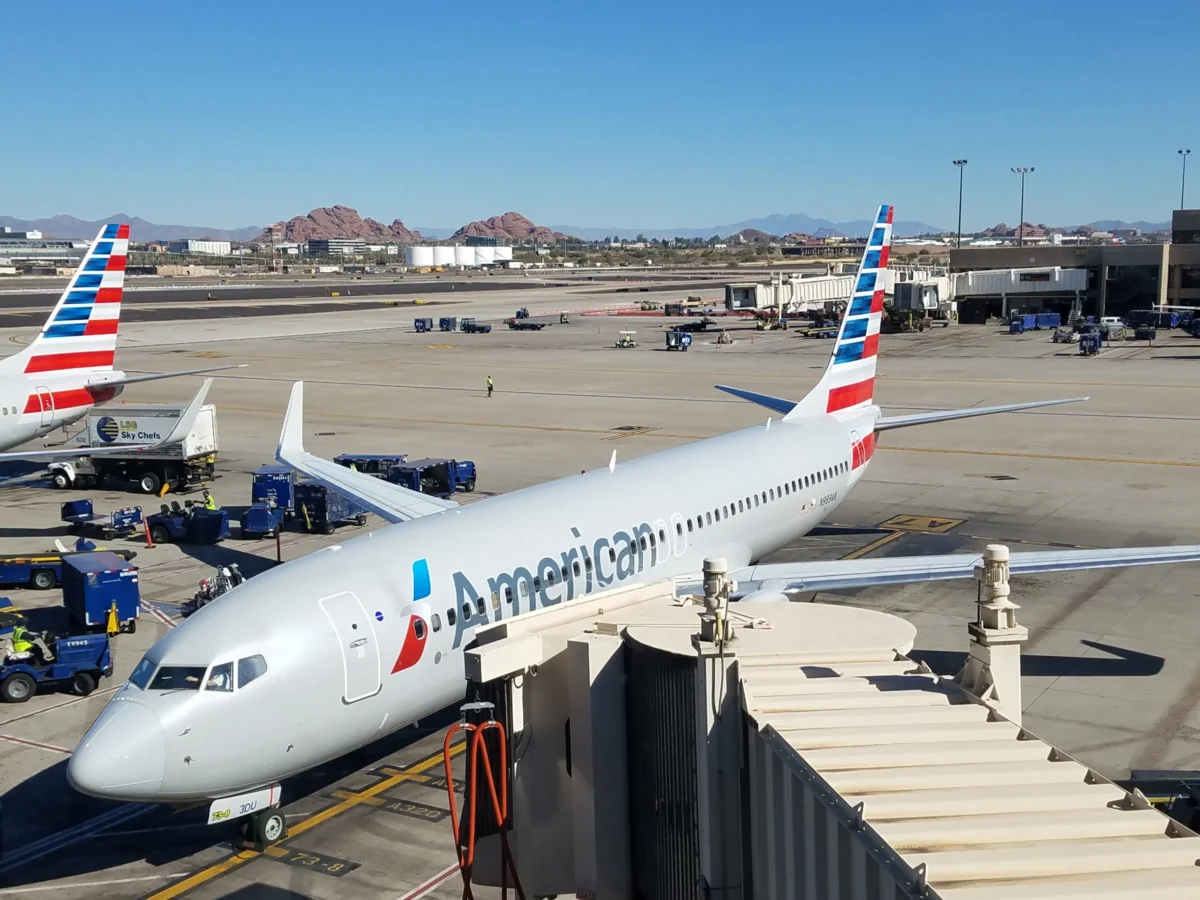
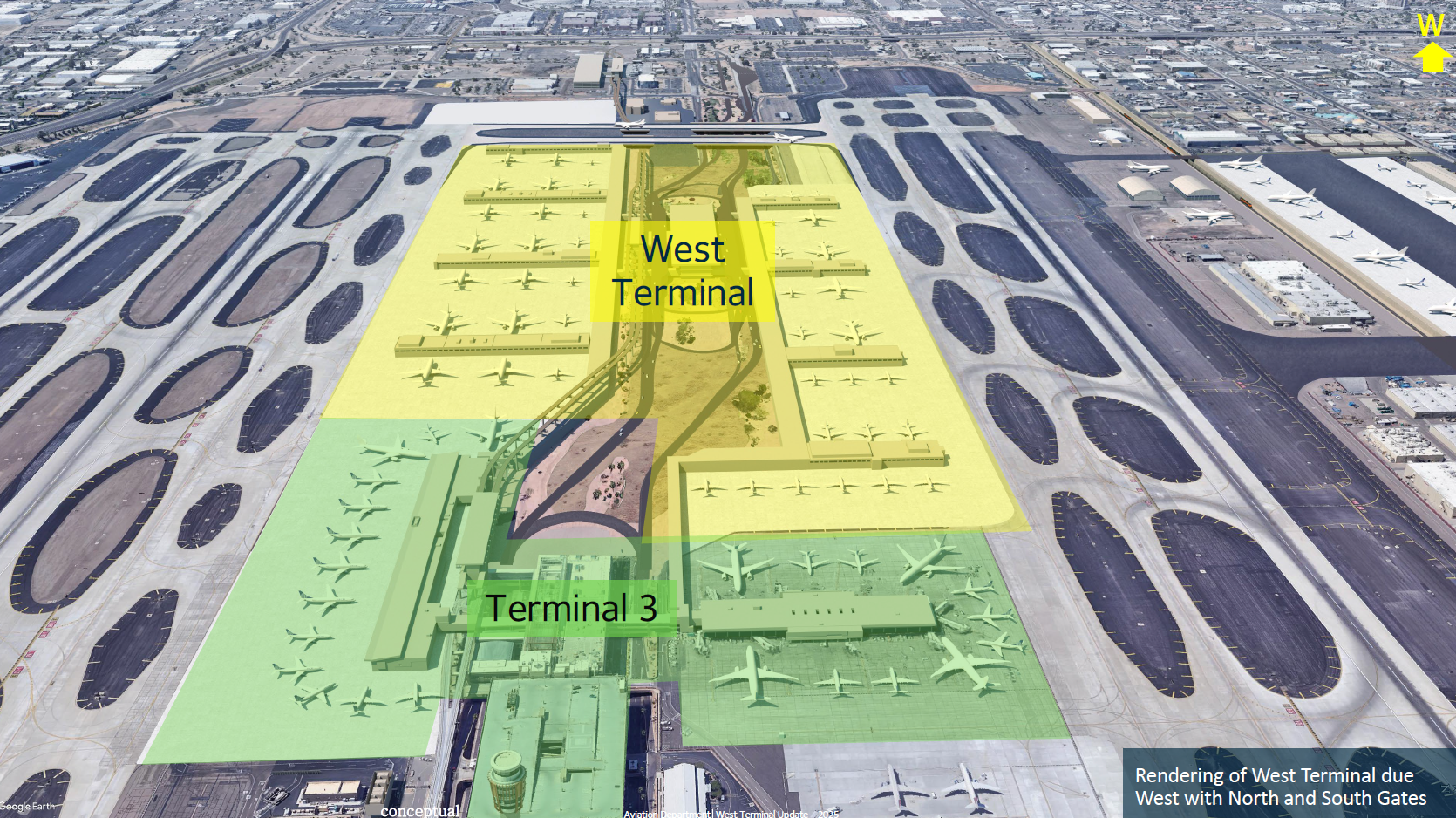
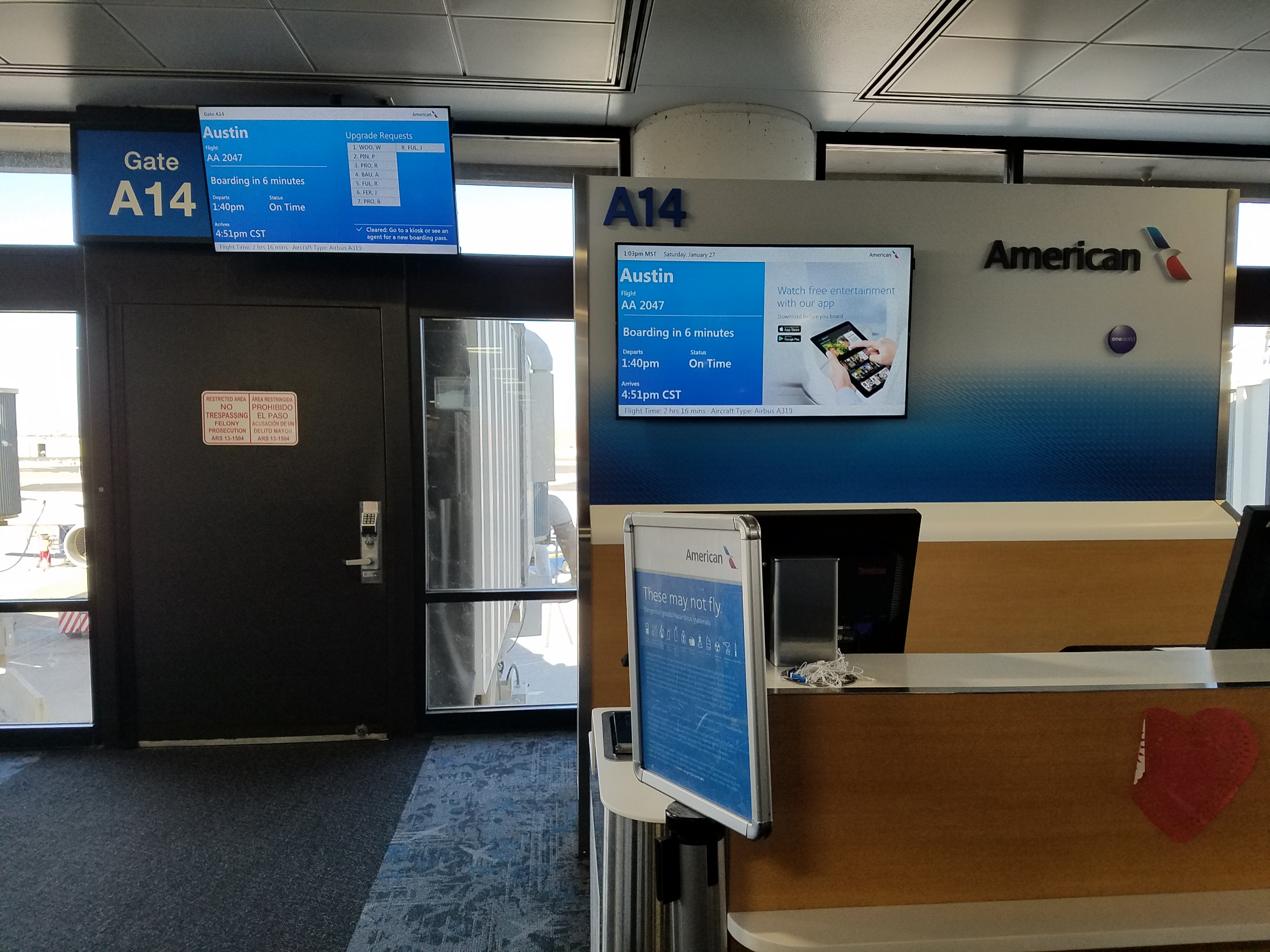
The shift is as much about infrastructure as it is about efficiency. Currently, American Airlines handles a significant portion of its traffic through constrained gate areas in Terminal 4. By moving to the West Terminal—situated strategically between Terminal 3 and the newly developed Taxiway U—the airline aims to resolve longstanding bottlenecks. The current facility has struggled with tight connection windows, often forcing passengers to navigate congested corridors within minutes to reach their next flight. A modular design for the new terminal, which allows for the phased addition of concourses as demand dictates, is expected to offer the scalability necessary to manage the hub’s future growth.
Passenger Traffic and Market Dynamics
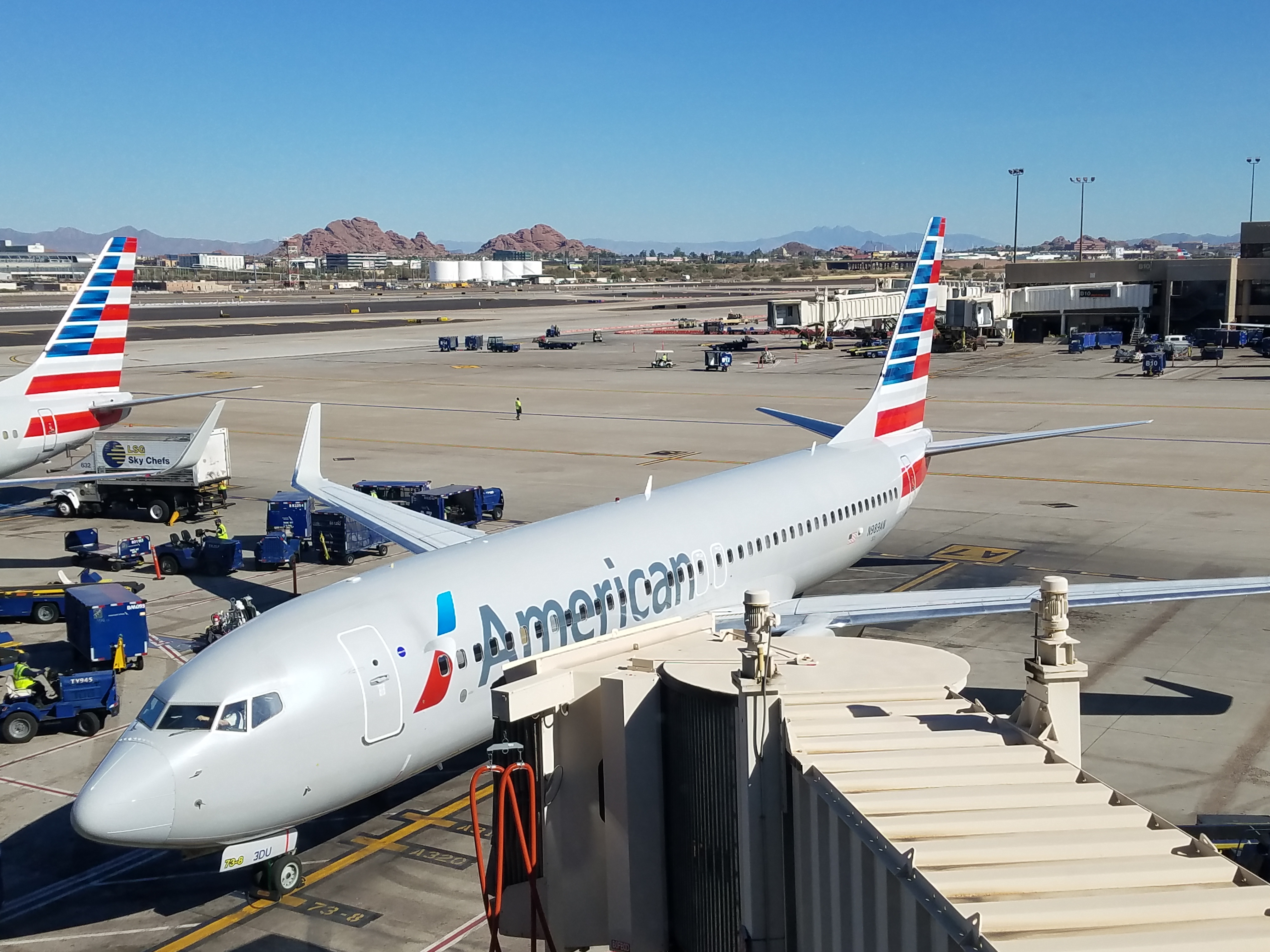
The competitive environment at Phoenix Sky Harbor remains intense, dominated by the rivalry between American Airlines and Southwest Airlines. Data from the full-year 2025 performance reports highlights this concentration. American Airlines accounted for approximately 20.9 million passengers, representing a 40.5% share of the airport’s total traffic. Southwest followed closely with 17.2 million passengers, or 33.3% of the total. Combined, the two carriers account for nearly 74% of all airport throughput, creating a unique duopoly that dictates much of the airport’s operational focus.
The importance of this hub for American cannot be overstated. The carrier’s presence in Phoenix is a legacy of its acquisition of America West and subsequent merger with US Airways. According to recent airport bond disclosures, American manages 71% of all connecting passenger traffic at the airport, compared to 27% for Southwest. This high volume of connecting traffic underscores the necessity of a terminal optimized for transit, rather than just origin-and-destination travel.
The changing nature of the passenger base is also driving this development. In 2009, approximately 60% of passengers were either starting or ending their journey in Phoenix. By 2025, that figure rose to 72%. This shift necessitates a broader rethink of land-side infrastructure, including enhanced curb space, modernized check-in technology, automated security screening, and more robust baggage handling systems to accommodate a population that increasingly views Phoenix as a destination rather than a waypoint.
Timeline and Implementation Strategy
The roadmap to 2033 is complex and requires significant preliminary work. The airport has outlined a rigorous schedule that prioritizes operational continuity:
- 2025–2026: Planning and feasibility studies.
- 2027: Design procurement and selection of architectural and engineering partners.
- 2028–2030: Final architectural design and site preparation.
- 2029–2033: Main construction phase, with the potential to break ground in late 2029.
- Late 2033: Targeted opening of the West Terminal.
Before the first foundation for the terminal is poured, the airport must relocate existing cargo facilities, parking infrastructure, and maintenance operations. On November 4, officials are expected to release detailed phasing plans, followed by a formal terminal program definition document in December, which will provide more clarity on gate allocations and specific amenity layouts.
Enhancing the Premium Experience
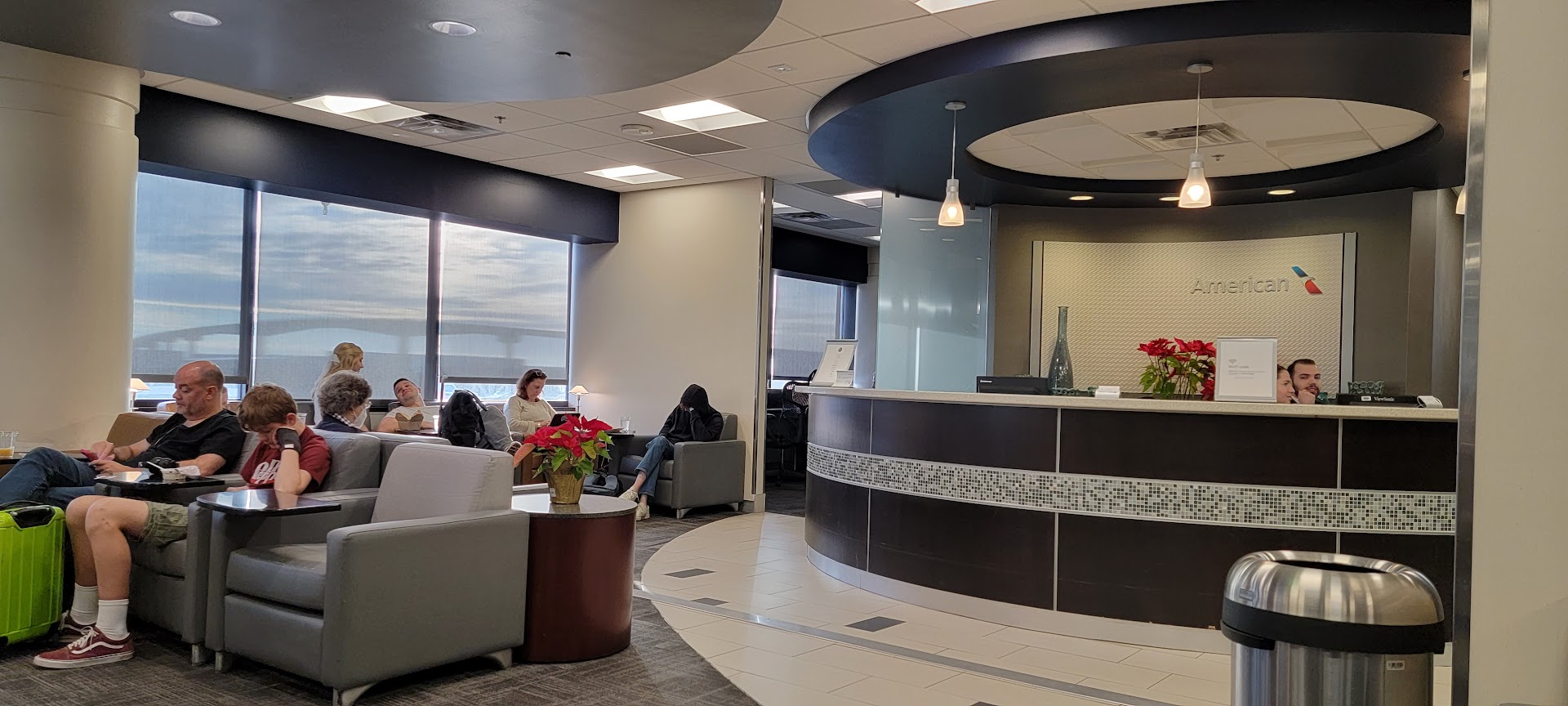
A primary driver for American Airlines’ investment is the modernization of its premium offerings. Currently, American operates three Admirals Clubs in Terminal 4, all of which are considered undersized and outdated. The airline has notably lacked a dedicated Flagship Lounge in Phoenix, a gap that the new terminal is expected to fill.
CEO Robert Isom has been vocal about the need for "much-needed new premium spaces" to support the airline’s high-value customers. While the exact square footage and amenity mix for the new lounges remain under wraps, the industry expects a significant leap in quality, potentially including dedicated transit lounges, dining options, and business centers that rival the newer facilities found in cities like Dallas/Fort Worth or Los Angeles.
The move also raises questions about third-party lounge access. Terminal 4 currently hosts popular options such as the American Express Centurion Lounge, the Escape Lounge, and the Chase Sapphire Lounge. It remains unclear whether the West Terminal will integrate similar third-party facilities or if the airport will favor exclusive airline-run lounges. The outcome will be critical for high-status frequent flyers who have grown accustomed to the current lounge ecosystem in Terminal 4.
The Ripple Effect: Growth Opportunities for Competitors
The departure of American Airlines from Terminal 4 will create a significant vacuum in terms of gate space. While the airport has not officially announced how these gates will be redistributed, it is widely anticipated that Southwest Airlines will be the primary beneficiary. Southwest’s footprint at Sky Harbor has grown steadily, and the vacated gates in Terminal 4 would allow the carrier to expand its operations without requiring entirely new terminal construction.
Meanwhile, the airport continues to invest in other areas of the campus, most notably the six-gate expansion at Terminal 3. This project will feature a 10,000-square-foot lounge with an outdoor terrace and panoramic views of Camelback Mountain, signaling the airport’s commitment to improving the passenger experience across all terminals, regardless of the flagship West Terminal project.
Broader Economic and Global Implications
The "Destination PHX 2050" plan is not merely an airport project; it is an economic engine for the state of Arizona. With American Airlines employing roughly 8,000 team members across the region, the construction of the West Terminal is expected to create thousands of temporary construction jobs and long-term positions in hospitality, logistics, and airport operations.
Furthermore, the emphasis on international infrastructure is a strategic play for Phoenix to attract more long-haul, non-stop international flights. By providing the facilities necessary for modern wide-body aircraft—such as the Boeing 787 or Airbus A350—the airport is positioning itself as a more competitive global gateway. This could lead to an increase in trans-Pacific and trans-Atlantic connections, further integrating Phoenix into the global business and tourism network.
The decision to anchor the terminal with American Airlines reflects a broader trend among major U.S. carriers to consolidate their hubs into modern, high-efficiency facilities. As the aviation industry grapples with aging infrastructure, the collaborative effort between the City of Phoenix and American Airlines serves as a template for how municipal governments and private corporations can work together to modernize critical public utilities.
While the 2033 completion date is still years away, the momentum behind the project is clear. As the airport moves from the planning phase to execution, the focus will shift toward balancing the needs of a growing city with the logistical realities of managing a massive, active construction site. The successful delivery of the West Terminal will likely define the future of air travel in the Southwest for decades to come, ensuring that Phoenix remains a vital, efficient, and welcoming point of entry for millions of travelers.










Leave a Reply