
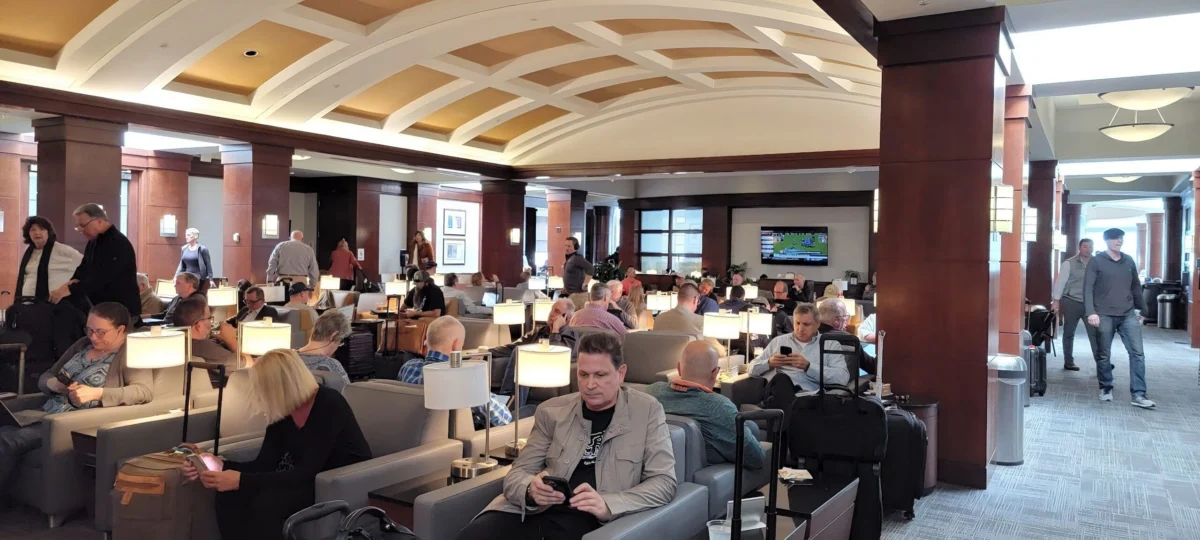
The landscape of modern commercial aviation continues to undergo significant shifts, particularly regarding passenger amenities and airport lounge access. In recent weeks, social media channels and frequent flyer forums have seen an influx of traveler complaints detailing denied entry to airline lounges, specifically highlighting strict enforcement of day-pass restrictions at major hubs like Chicago O’Hare International Airport (ORD) and San Francisco International Airport (SFO).
As airlines grapple with unprecedented passenger volumes, overcrowding in premium lounges has become a critical operational challenge. This ongoing friction between carriers and loyalty program members underscores a broader industry dilemma: how to balance the commercial success of co-branded credit cards and day-pass sales with the promise of an exclusive, stress-free airport experience.
Main Facts and Current Landscape
At the center of the recent discourse are firsthand accounts from travelers holding single-visit lounge passes or promotional entry vouchers earned through credit card sign-up bonuses. Despite possessing valid documentation, passengers at key domestic hubs have increasingly been turned away at the door due to capacity constraints.
For instance, recent social media documentation from Chicago O’Hare highlighted frustrated passengers encountering locked doors or capacity-hold signs at American Airlines facilities. Similar incidents reported at San Francisco International Airport involving United Airlines customers illustrate that the issue is not isolated to a single carrier. Travelers who arrived early specifically to utilize lounge benefits—often acquired as a perk of holding a premium travel credit card—found themselves relegated to the main terminal concourses.
While airlines typically include fine print noting that day-pass entry is subject to capacity limits, the frequency of these denials has intensified passenger dissatisfaction. Industry analysts note that the proliferation of credit card-based lounge access has inadvertently saturated the market, leading to the very overcrowding that carriers are now attempting to mitigate through temporary restrictions.
Chronology of the Lounge Overcrowding Crisis
The evolution of airport lounge access from a quiet sanctuary for first-class passengers into a bustling hub of activity spans over a decade, accelerating rapidly in the post-pandemic travel boom.
Pre-2020: Traditionally, airline lounges were reserved primarily for international business-class passengers, top-tier elite frequent flyers, and individuals who paid for an annual membership. Capacity was rarely an issue, and day passes were readily available for purchase at the door.
2021–2023: As travel demand rebounded aggressively following pandemic-era restrictions, airlines and credit card issuers aggressively marketed travel rewards cards featuring complimentary lounge access and guest passes. This strategy successfully drove new card acquisitions but drastically increased the volume of eligible cardholders.
2024–Present: Major U.S. carriers began implementing stricter access rules, including lifetime restrictions on guest counts, higher spending thresholds for elite status, and frequent suspensions of single-use day passes during peak travel windows. The recent reports from O’Hare and San Francisco represent the current peak of this enforcement phase, where even promotional passes tied to credit card sign-ups are regularly being dishonored due to terminal congestion.
Supporting Data and Industry Metrics
To understand the scale of the current lounge capacity issue, one must examine the broader trends in domestic and international air travel. According to data from the Transportation Security Administration (TSA), passenger checkpoint throughput regularly shatters historical records, with daily totals frequently surpassing 2.5 to 3 million travelers nationwide.
Simultaneously, financial reports from major U.S. airlines indicate that loyalty programs and co-branded credit card partnerships generate billions of dollars in annual revenue. These partnerships rely heavily on lifestyle perks—chief among them being airport lounge access—to entice consumers paying annual fees ranging from $95 to $695 or more.
However, physical infrastructure has failed to scale at the same pace as loyalty program membership. While airlines have expanded and renovated select flagship lounges, the square footage available in major hubs like ORD, SFO, and JFK remains finite. Consequently, peak-hour demand routinely exceeds capacity by 30 to 50 percent, forcing lounge managers to prioritize annual members and high-tier elites over day-pass holders and credit card promotional voucher users.
Official Responses and Corporate Strategy
Major airlines, including American Airlines, United Airlines, and Delta Air Lines, have maintained a consistent corporate stance regarding lounge capacity management. Representatives for these carriers emphasize that the primary goal during high-traffic periods is to ensure a comfortable experience for members who have purchased annual memberships or hold high-status elite tiers.
In official policy statements, airlines reiterate that single-use passes—whether purchased directly, redeemed via loyalty miles, or issued as credit card sign-up incentives—are explicitly subject to availability. When a lounge reaches fire-code capacity or operational thresholds that compromise service standards, agents are instructed to suspend all day-pass entries temporarily.
Behind closed doors, industry insiders suggest that airlines are walking a fine line. On one hand, they rely heavily on the lucrative revenue streams provided by credit card issuers. On the other hand, they face mounting pressure from premium travelers who complain that lounges have become as crowded as the boarding gates outside. To resolve this, several carriers are exploring tiered access models, higher pricing for day passes, and dedicated spaces exclusively reserved for top-tier frequent flyers.
Broader Impact and Economic Implications
The ongoing friction surrounding airport lounge access carries significant implications for both consumers and the aviation sector as a whole.
For the consumer, the perceived value of travel rewards credit cards is diminishing. When a cardholder pays a substantial annual fee specifically for lounge access, only to be repeatedly denied entry due to overcrowding, customer loyalty is eroded. This dynamic may eventually lead to a decline in co-branded card sign-ups or prompt consumers to seek alternative credit products with more reliable perks.
For the airlines and financial institutions, managing expectations is paramount. Issuers must communicate clearly that promotional day passes do not guarantee entry during peak travel times. Failure to manage these expectations transparently risks damaging brand reputation across both the aviation and financial sectors.
Looking forward, the solution to the lounge overcrowding crisis will likely require substantial capital investment in expanded lounge real estate, alongside continued refinement of access policies. Until new facilities are completed at major hubs like Chicago O’Hare and San Francisco, travelers are advised to monitor lounge capacity via airline mobile applications, arrive at airports with alternative plans for terminal dwell time, and understand the conditional nature of single-use entry passes.








Leave a Reply