The intersection of artificial intelligence and consumer travel has introduced both innovative efficiencies and complex policy challenges, culminating in a recent viral demonstration that has sparked debate among aviation experts. A prominent social media influencer with a following of 1.5 million recently published a video detailing how an AI agent purportedly secured a first-class upgrade on a commercial flight. While the video was presented as a revolutionary breakthrough in travel hacking, a closer examination by aviation analysts reveals that the automated tool merely executed standard, publicly available booking procedures while failing to provide optimal financial advice. This incident underscores a broader conversation regarding the capabilities, limitations, and regulatory hurdles of integrating autonomous AI agents into the commercial aviation sector.
The event in question centered on an American Airlines itinerary from Los Angeles International Airport (LAX) to London Heathrow (LHR). The traveler, known for producing content centered on mastering artificial intelligence technologies, documented a multi-step process utilizing a conversational AI platform. According to the published workflow, the user prompted the AI to analyze their personal credit card portfolios, frequent flyer miles, and loyalty memberships to identify potential upgrade currencies for the specific flight. Subsequently, the user instructed the model to evaluate the availability within the first-class cabin and determine the most cost-effective method to secure a seat, culminating in a prompt directing the AI to execute the upgrade autonomously via the airline’s digital platform.
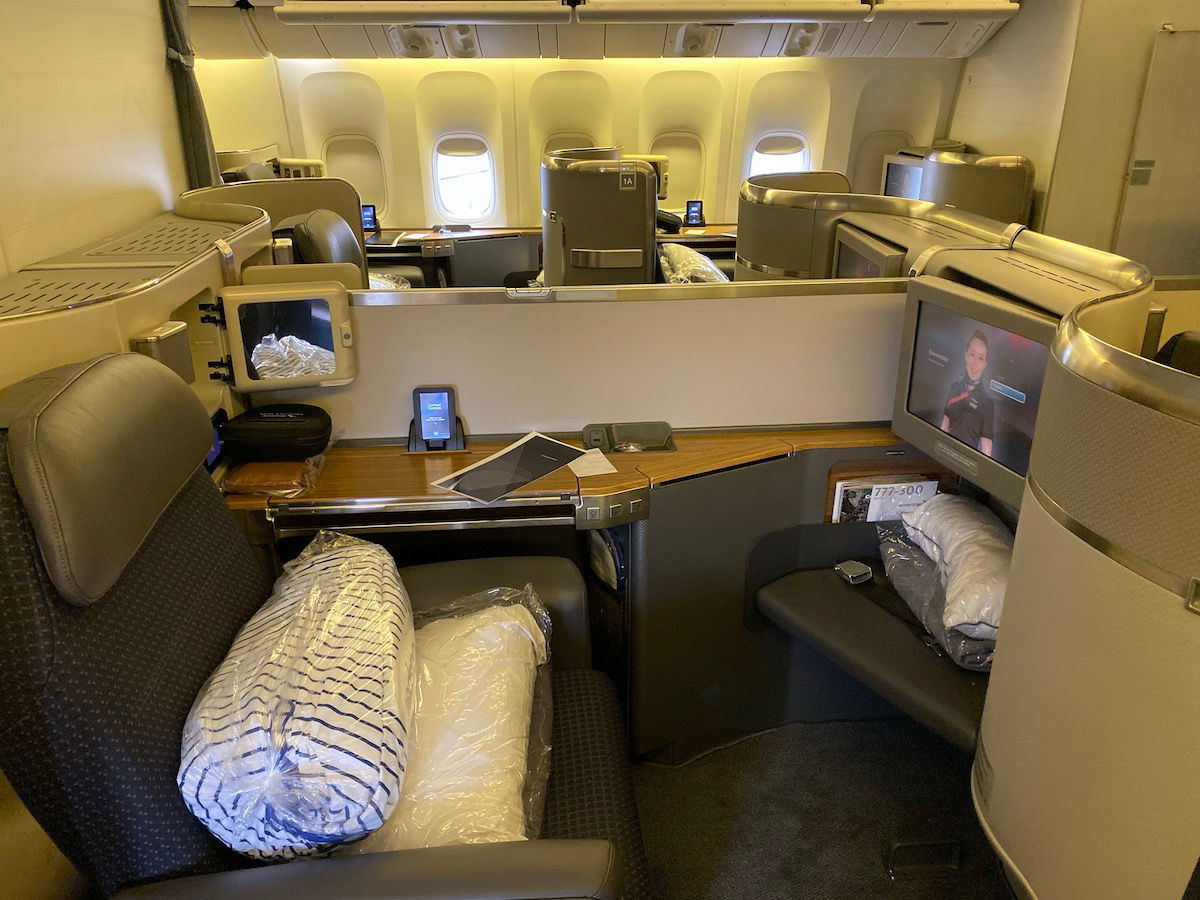
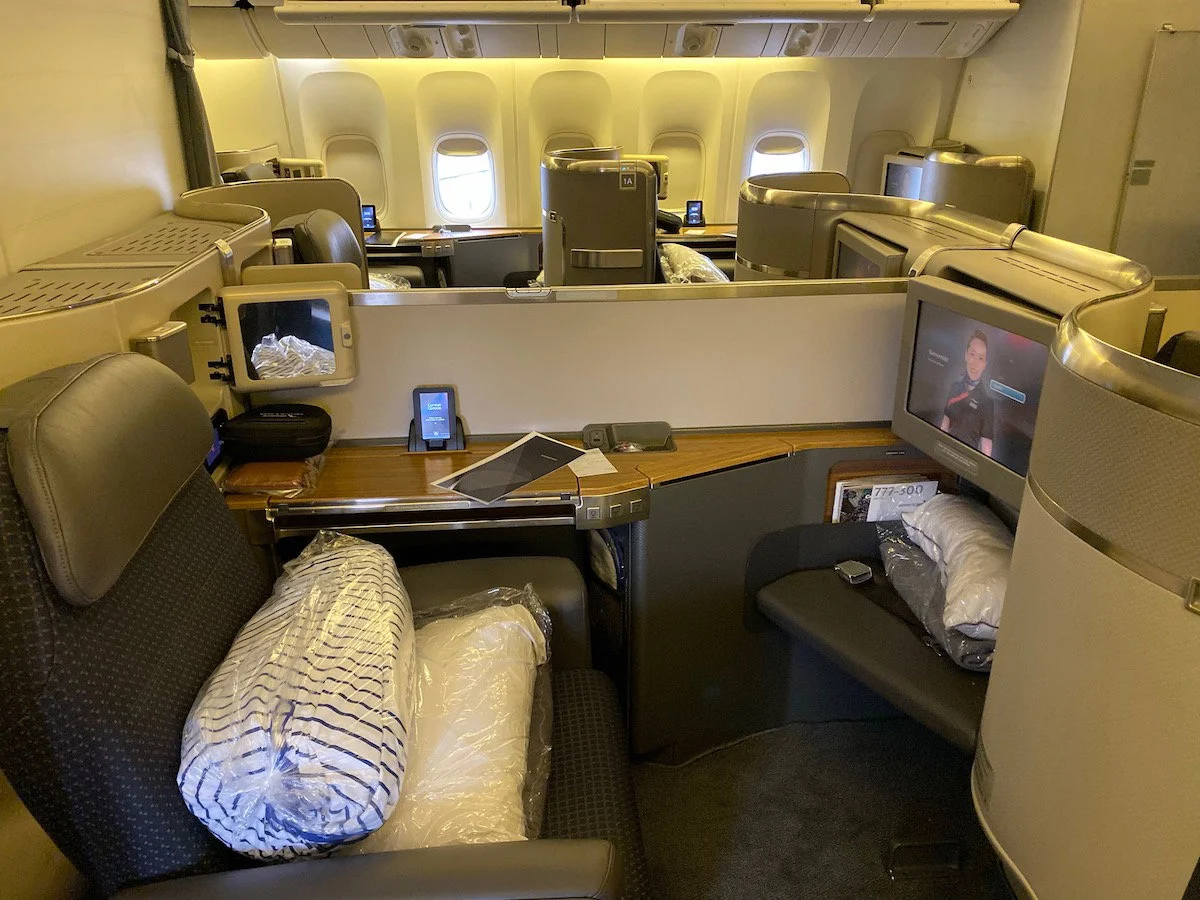
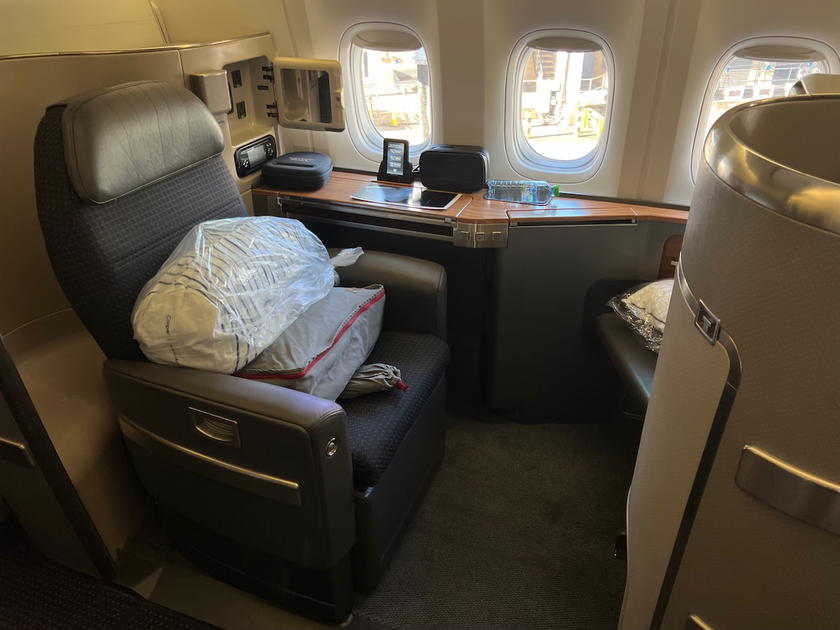
The resulting transaction secured an upgrade from business class to first class on an American Airlines Boeing 777. However, aviation specialists who reviewed the methodology quickly pointed out that the process was fundamentally routine. Rather than utilizing proprietary algorithms or uncovering hidden loopholes, the AI simply navigated the standard instant upgrade offers provided directly on the carrier’s public reservation interface. Consequently, the traveler expended 70,000 miles for an upgrade that industry veterans argue may not have constituted the best value for the currency spent.
From a strategic standpoint, frequent flyer experts contend that the AI failed to deliver sophisticated advisory insights. A truly optimized travel management tool, analysts note, would have factored in qualitative reviews of the specific hard and soft product offerings associated with the route. In the case of American Airlines’ legacy Boeing 777 first class, many experienced travelers consider the product comparable to modern business class offerings, making a 70,000-mile outlay a questionable investment when alternative methods, such as waitlisting via systemwide upgrade certificates, were readily available. By failing to advise the user to conserve their mileage balances for higher-value redemptions, the automated agent demonstrated a significant gap in contextual consumer advocacy.
The viral nature of this event highlights the rapid adoption of generative AI tools for itinerary planning, reward tracking, and customer service navigation. Consumers are increasingly turning to large language models to streamline tedious administrative tasks, such as comparing fare classes, tracking loyalty point balances, and monitoring seat maps. The appeal is straightforward: automated systems can theoretically synthesize vast amounts of fragmented data faster than a human user, potentially identifying fare sales, optimal transfer partners, and routing options in a fraction of the time.
However, the aviation industry is simultaneously moving to establish strict boundaries regarding automated interactions with proprietary reservation systems. The deployment of autonomous AI agents—software programs designed to navigate websites, log into user accounts, and execute transactions on behalf of a human—presents significant operational and security concerns for commercial airlines. Automated scripts can increase server loads, complicate identity verification, and introduce liabilities if a transaction fails or violates specific contract of carriage provisions.
In response to these emerging technologies, major carriers have begun updating their legal frameworks. Notably, United Airlines recently revised its contract of carriage to explicitly prohibit the use of AI agents for servicing reservations. Under these updated guidelines, passengers utilizing unauthorized automated software to manage, modify, or interact with their bookings risk punitive measures, up to and including the cancellation of their tickets. While enforcement mechanisms and detection capabilities across the broader airline industry remain in early stages, these regulatory shifts signal a growing institutional resistance to fully autonomous third-party software interfacing with critical infrastructure.
The broader implications of this trend extend to cybersecurity, data privacy, and consumer protection. When individuals grant conversational AI platforms access to sensitive travel documents, frequent flyer credentials, and financial accounts, they expose themselves to potential data security risks, particularly if the platform relies on third-party integrations or cloud environments with vulnerable logging protocols. Furthermore, as airlines tighten their automated defenses against bot traffic and unauthorized scraping, travelers utilizing aggressive AI agents may find their accounts flagged for suspicious activity, leading to unexpected customer service hurdles at the airport.
As artificial intelligence continues to evolve, its role in the travel ecosystem will undoubtedly expand, necessitating clearer guidelines from both technology developers and transportation providers. While tools equipped to summarize terms, conditions, and basic reward structures offer genuine utility to the casual traveler, fully autonomous booking agents currently lack the nuance, strategic foresight, and regulatory compliance required to consistently deliver superior financial outcomes. For now, frequent flyers navigating the complexities of award charts, cabin configurations, and loyalty tiers may find that human expertise and careful manual research remain more reliable than automated promises of first-class luxury.