
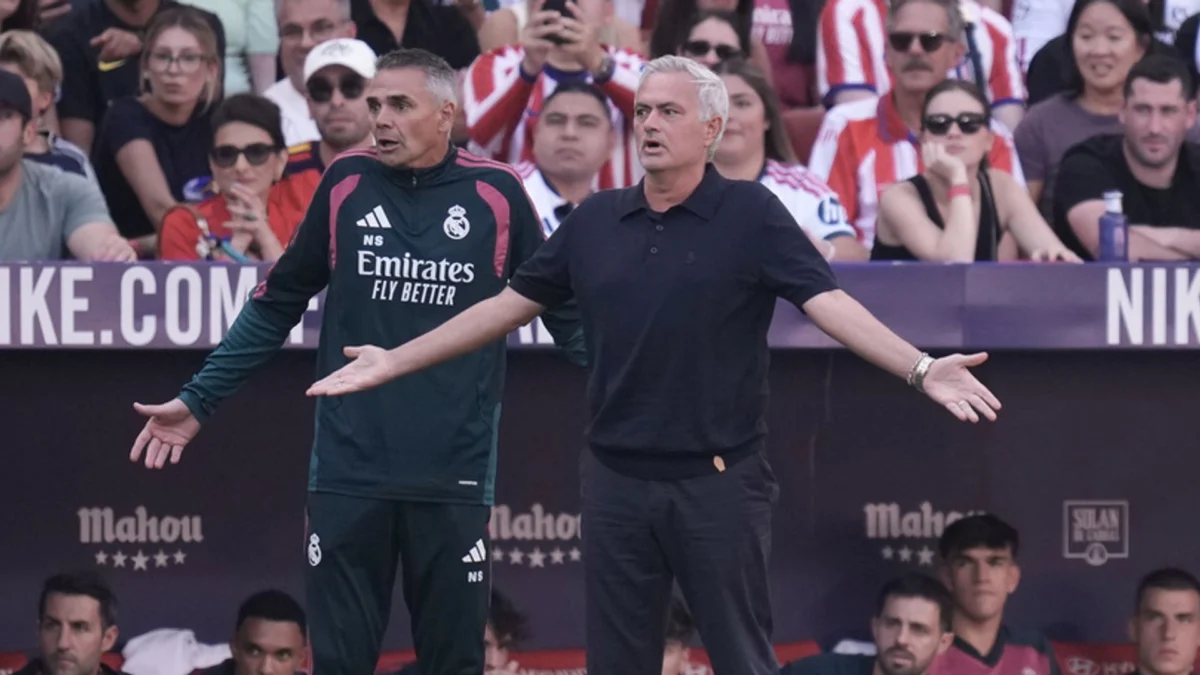
The fallout from Sunday’s high-stakes Madrid derby has transcended the pitch, evolving into a bitter institutional dispute between Atletico Madrid and Real Madrid. Following a 2-1 defeat at the Metropolitano, Real Madrid manager Jose Mourinho launched a scathing critique of the officiating performance of Miguel Angel Ortiz Arias, prompting an equally pointed rebuttal from the Atletico Madrid social media team. The incident has reignited long-standing debates regarding the consistency of VAR intervention and the pressures placed upon match officials in high-intensity La Liga fixtures.
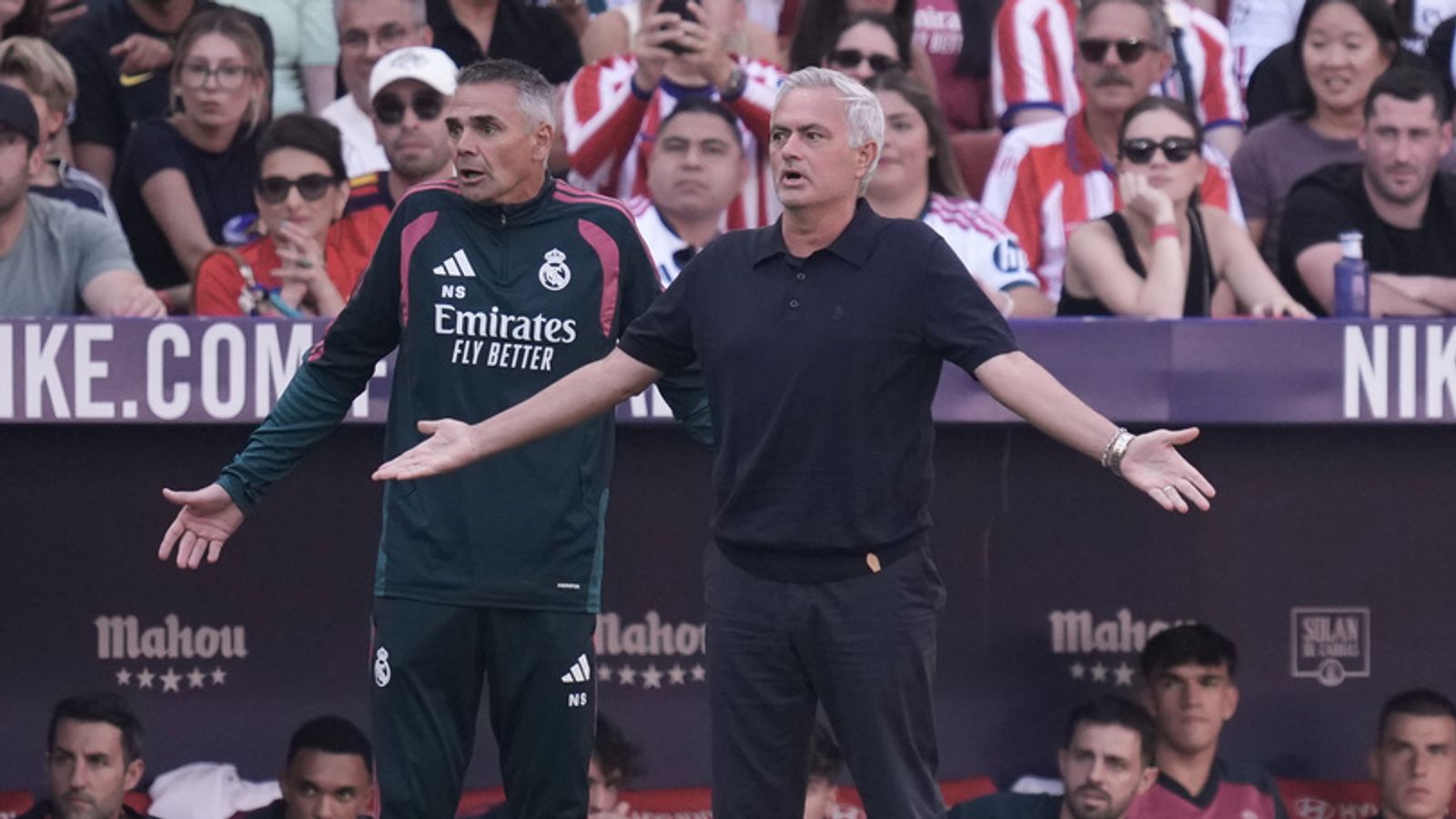
The match, which saw Atletico secure three vital points, was defined by a series of contentious moments that Real Madrid officials argue directly influenced the final scoreline. The tension, which was palpable throughout the 90 minutes, culminated in a post-match press conference where Mourinho, typically known for his combative rhetoric, bypassed standard analysis to present photographic evidence of what he deemed to be officiating failures.
A Chronology of Controversy
The controversy began in the 35th minute of the match. With the score deadlocked at 0-0, Jude Bellingham contested a loose ball with Atletico defender Cristian Romero. Replays indicated that Romero planted his studs into the left knee of the Real Madrid midfielder. While referee Ortiz Arias initially cautioned Bellingham, a subsequent intervention from the Video Assistant Referee (VAR), Trujillo Suarez, prompted an on-field review. Upon visiting the pitch-side monitor, the referee rescinded the card for Bellingham but issued only a yellow card to Romero, a decision that has since become the focal point of Real Madrid’s formal grievances.
The situation further deteriorated in the 44th minute. Federico Valverde was subjected to a challenge by Lee Kang-in, who appeared to strike the Uruguayan midfielder’s left ankle with his studs. Despite the proximity of the referee, no disciplinary action was taken, and the VAR team did not signal for a review. This omission, coupled with the earlier decision regarding Romero, left the Real Madrid technical staff visibly incensed.
The defining moment of the match arrived shortly after the half-time interval. Real Madrid defender Dean Huijsen was shown a red card for a foul on Giuliano Simeone inside the penalty area. The resulting spot-kick was converted by Alejandro Grimaldo, handing Atletico a 1-0 lead. Six minutes later, Jonathan David doubled the advantage, effectively putting the game beyond reach. Antonio Rudiger managed to pull a goal back for the visitors in the closing stages, but the momentum had already swung decisively in favor of the hosts.
Institutional Responses and the #StopAcosoArbitralYA Campaign
The reaction from the clubs began in earnest on Monday morning. Atletico Madrid utilized their official X (formerly Twitter) account to address the criticism, posting a video featuring a sheet of paper being printed with the hashtag #StopAcosoArbitralYA, translated as "stop referee harassment now." A follow-up post displayed an image of Mourinho during his press conference, accompanied by the same hashtag. This digital campaign served as a direct rebuke to Mourinho’s claims, suggesting that the pressure exerted by high-profile managers on referees has become a form of harassment that undermines the integrity of the sport.
Real Madrid’s response was more formal. In a rare move, the club released an official match report on their website, providing a detailed breakdown of the incidents they believed were mishandled. The statement explicitly criticized Ortiz Arias, stating that the match was "marked by poor officiating" and alleging that the failure to dismiss both Romero and Lee Kang-in fundamentally altered the competitive balance of the contest.
Data and Historical Context
The derby has always been characterized by intensity, but recent seasons have seen an uptick in disciplinary issues and VAR-related controversy in Spanish football. Statistically, the match saw a higher-than-average frequency of challenges requiring referee intervention. Ortiz Arias, at 41 years of age, has officiated across various levels of the Spanish pyramid, yet Mourinho pointedly highlighted a perceived lack of "international experience" as a contributing factor to the referee’s inability to manage the pressure of the Metropolitano environment.
For context, the pressure at the Metropolitano is widely considered among the most intense in Europe. Mourinho’s reference to "80s-style pressure" highlights a nostalgia for a time when stadiums were closer to the pitch and the atmosphere was more hostile toward visitors. However, modern professional standards require officials to operate with neutrality regardless of external noise. Data suggests that in fixtures between the two Madrid clubs over the last five years, home-field advantage often correlates with a higher percentage of 50-50 decisions falling to the home side, though this is a subject of much debate among analysts.
Tactical Implications and the Title Race
The immediate impact of the result is significant for the La Liga table. Real Madrid now sits six points behind league leaders Barcelona. Mourinho’s post-match comments regarding a "level playing field" suggest that he believes the club is battling not only their opponents but also systemic bias. While he stopped short of accusing the league of fixing the match, his assertion that "they simply made a mistake" carried a heavy implication of incompetence or institutional failure.
From a tactical perspective, the loss leaves Real Madrid vulnerable. With the departure of key defensive personnel through suspension, the upcoming fixtures will test the squad’s depth. Mourinho’s decision to publicly back his players—whom he praised for their "class and character" despite the defeat—is a classic attempt to foster a siege mentality within the dressing room, a strategy he has employed throughout his career to deflect pressure from his squad and onto the officiating bodies.
Broader Implications for La Liga
The public spat between the two clubs highlights a growing tension within the Spanish football ecosystem regarding the role of technology and the transparency of refereeing. The use of social media as a battlefield for these grievances is a modern development that risks further polarizing fanbases. While clubs have always complained about refereeing, the ability to disseminate these complaints to millions of followers instantly creates a narrative that can influence public opinion before official reviews have even concluded.
The Spanish Football Federation (RFEF) and the Technical Committee of Referees (CTA) are now under pressure to provide a formal response or clarification regarding the incidents. The consistency of the "on-field review" process remains a point of contention; if the VAR deemed the Romero incident worthy of a review, the logic behind the final decision—a yellow rather than a red—is what observers and the clubs themselves are calling to be explained.
As the season progresses, this derby will likely be remembered not just for the goals scored, but for the aftermath of the officiating decisions. Whether this incident leads to policy changes, such as increased transparency regarding VAR audio communications, remains to be seen. For now, the rift between the two Madrid giants continues to widen, setting the stage for an even more volatile return fixture later in the campaign. The incident serves as a stark reminder that in the high-stakes world of elite football, the margin between success and failure is often measured in millimeters and, occasionally, in the subjective judgment of the man in the middle.










Leave a Reply