
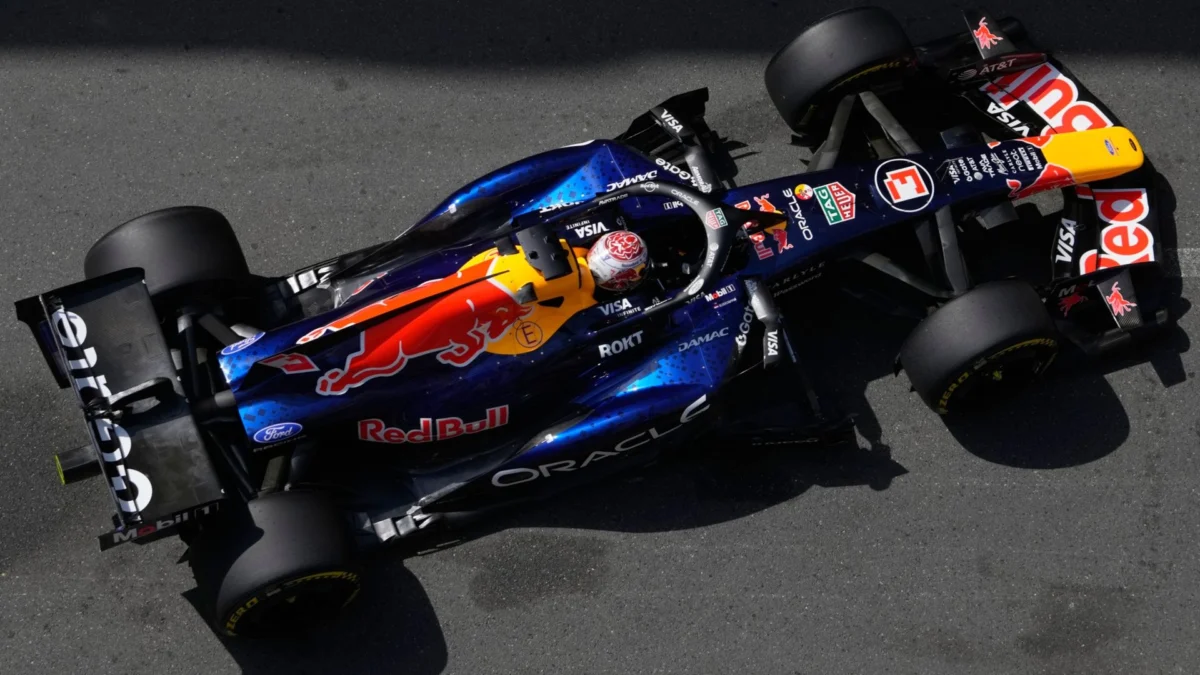
The Baku City Circuit, renowned for its unforgiving proximity to medieval stone walls and its unique blend of high-speed straights and technical, winding sections, proved particularly treacherous during the final practice session. As the Formula 1 field prepared for the high-stakes qualifying hour, the arrival of erratic, gusty winds transformed the asphalt into a proving ground for driver precision. Throughout the sixty-minute session, several drivers were forced into emergency escapes down the expansive run-off areas, highlighting the precarious balance required to navigate the 6.003-kilometer layout under unpredictable meteorological conditions.
A Shifting Hierarchy in Baku
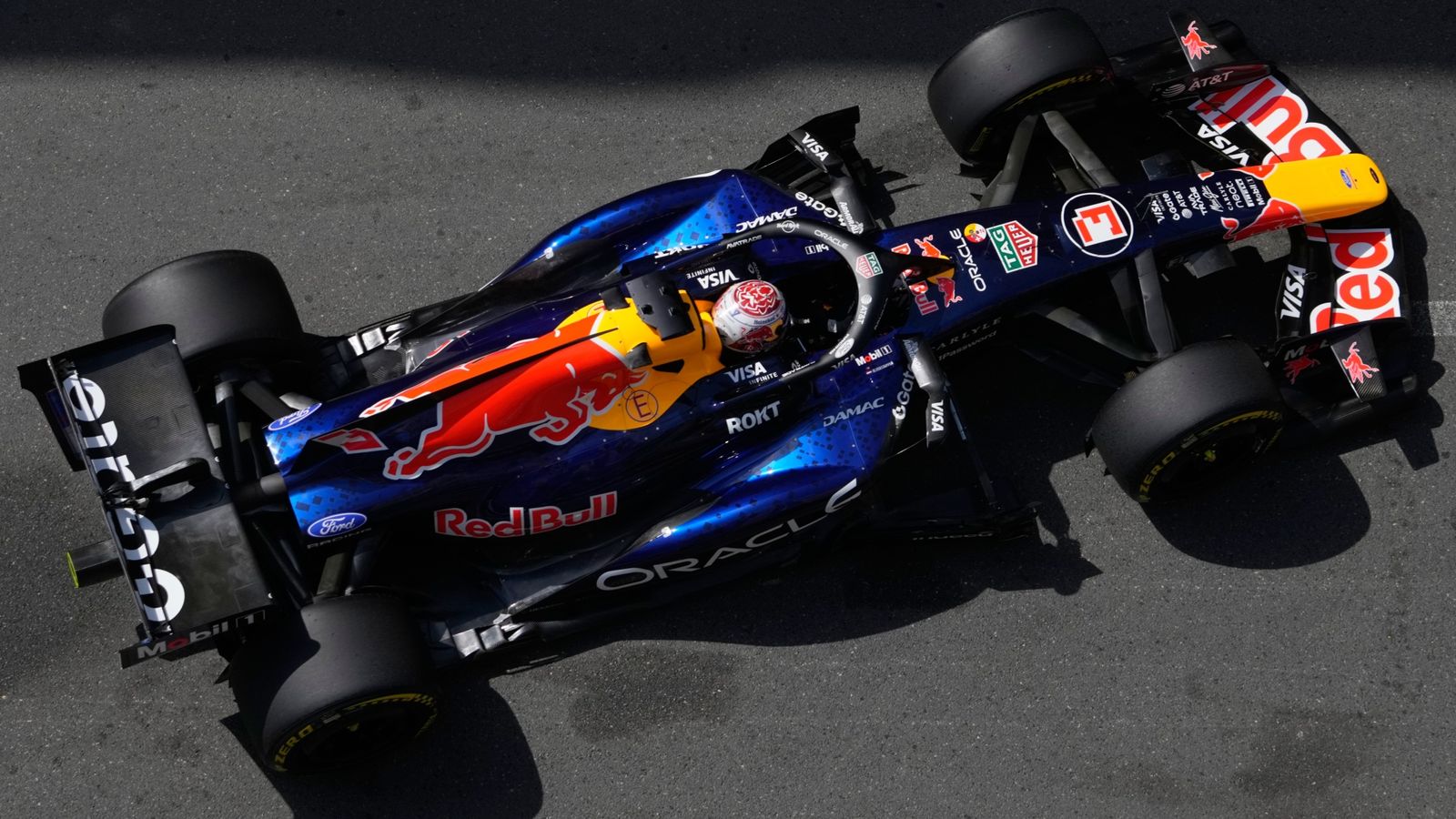
For much of the weekend, the narrative had been dominated by the pace of the Mercedes W17. George Russell, aiming to secure his maiden pole position at this venue, had maintained a stranglehold on the timing screens through Thursday’s initial running. However, the final practice session saw a tactical pivot from Red Bull. Max Verstappen, refining his setup to handle the increasing wind gusts, gradually clawed back the deficit.
By the closing stages of the session, the Dutchman unleashed a blistering lap of 1:43.922 on the soft-compound Pirelli tires, effectively stripping Russell of his dominance. Russell, unable to respond to the late-session surge, finished just 0.099 seconds adrift. Lewis Hamilton rounded out the top three, showcasing a resurgent Ferrari-powered performance that kept the competitive gap tight; Hamilton finished only 0.111 seconds behind his teammate, underscoring the parity at the front of the grid as the field heads into the afternoon’s qualifying session.
Technical Analysis and the Aerodynamic Challenge
The Baku City Circuit is statistically one of the most demanding tracks on the calendar regarding aerodynamic efficiency. The massive pit straight, stretching over two kilometers, forces teams into a delicate compromise: running a low-downforce setup to achieve high top speeds, or opting for higher downforce to navigate the tight, twisty castle section and the narrow corners of the old city.
During the final practice, the wind gusts served as an additional variable, destabilizing cars at high speed. Observers noted that Verstappen’s pole-contending lap was not merely a product of engine mapping, but of improved mechanical grip in the low-speed sectors. Conversely, Hamilton’s final-lap pace was bolstered by the strategic use of a "tow"—utilizing the wake of preceding cars to reduce aerodynamic drag on the pit straight. With qualifying set to begin at 1:00 PM, the utilization of this tow will likely become the decisive factor in securing the front row. The wind speed, currently fluctuating between 15 and 25 km/h, threatens to unsettle the rear end of the cars in the braking zones, a factor that will undoubtedly punish any driver who pushes the limit too aggressively.
Chronology of the Baku Weekend
The 2026 Azerbaijan Grand Prix has already been defined by a rapid evolution of track conditions.
- Thursday Morning: The track temperature remained stable, allowing Mercedes to find an early rhythm. George Russell set the baseline pace, comfortably clear of the Red Bull and Ferrari entries.
- Thursday Afternoon: Wind speeds began to pick up, forcing teams to move away from aggressive "slammed" ride-height configurations to avoid damage from the bumps and potential bottoming out on the main straight.
- Friday Morning: The final practice session saw the most significant track evolution. Verstappen’s late surge signaled that Red Bull had successfully resolved the balance issues that plagued them on the opening day.
- Friday Afternoon: Qualifying is scheduled for 1:00 PM, where the cooling track temperatures will likely offer more grip, though the gusty conditions are expected to persist, keeping the probability of red flags high.
Championship Implications and Driver Perspectives
Heading into this weekend, the championship dynamic remains tense. Kimi Antonelli, currently leading the standings, continues to impress in his debut campaign. His fourth-fastest time in the final session, placing him ahead of the second Ferrari of Charles Leclerc, suggests he is maintaining the composure required to protect his 81-point lead over George Russell.
"The weather has brought us the possibility of an absolutely fascinating and dramatic qualifying to come," remarked Sky Sports F1’s David Croft during the broadcast. "These are not easy conditions out there by any stretch of the imagination. You have to thread the needle at 200 miles per hour while the wind is trying to physically move the car beneath you."
The implications of this weekend are significant for the constructors’ standings. With Red Bull, Mercedes, and Ferrari currently separated by margins measured in milliseconds, every minor adjustment to the front-wing angle or tire-pressure management will be amplified. If Verstappen secures pole, it will represent his first of the 2026 season—a psychological blow to his rivals—whereas a pole for Russell would cement Mercedes’ current status as the team to beat on street circuits.
A Unique Schedule for 2026
This weekend marks a departure from the traditional Formula 1 calendar, as the sport embraces a "Saturday Grand Prix" format. The Azerbaijan Grand Prix kicks off a high-intensity triple-header, forcing teams to prioritize logistical efficiency alongside pure performance.
The schedule for the remainder of the weekend is as follows:
- Friday, September 25: Qualifying begins at 1:00 PM (Live on Sky Sports F1 and Sky Sports Main Event).
- Saturday, September 26: The Azerbaijan Grand Prix takes place at 12:00 PM.
- Post-Race: The "Chequered Flag" reaction program will follow at 2:00 PM, with "Ted’s Notebook" providing in-depth technical analysis at 3:00 PM.
Technical and Strategic Outlook
As teams prepare for the qualifying session, the focus shifts to tire management. The soft tires, while offering the necessary grip for a single qualifying lap, are prone to rapid overheating in the tight, technical sectors. Conversely, the medium tires lack the necessary bite for the quick-fire nature of the Baku layout.
Engineers are expected to favor a "peak-performance" strategy, pushing the cars to their absolute limits in Q3. However, given the high probability of incidents—historically common at this circuit—drivers will also need to balance the need for speed with the necessity of avoiding the barriers. A red flag during Q1 or Q2 could scramble the grid, leaving the title contenders vulnerable if they fail to register a clean lap early.
The Azerbaijan Grand Prix has historically produced unpredictable results, often rewarding drivers who can adapt to the "stop-start" nature of the track. With the field as compressed as it has been all season, the 2026 iteration is poised to be a landmark event in the championship narrative. Whether the wind remains a factor or the track settles into a predictable rhythm, the battle between Verstappen’s raw pace, Russell’s consistency, and the strategic depth of the Ferrari garage promises a spectacle that will define the middle phase of the season.
As the sun sets on the Baku City Circuit, the tension in the paddock is palpable. Every team is currently reviewing data from the final practice, analyzing the wind-tunnel simulations against the real-world gusts, and attempting to predict the optimal qualifying strategy. With the championship lead at stake and the grid separated by mere fractions, the stage is set for a Saturday showdown that could pivot the trajectory of the entire 2026 campaign.









Leave a Reply