
The popular designation of the ancient trade network known as the Silk Road is, fundamentally, a historical misnomer. Far from being a single, dedicated pathway through which silk was transported from East to West, the term encompasses an intricate, shifting web of overland and maritime routes connecting Asia, Africa, and Europe. For over a millennium and a half, these commercial arteries evolved dynamically in response to climatic shifts, geopolitical realignments, and shifting civilizational boundaries.
While silk was certainly a prominent commodity, it was far from the sole or even primary good driving this massive intercontinental exchange. Eastbound merchants transported high-value items such as glassware, horses, camels, honey, wine, and gold, while westbound caravans carried tea, dyes, perfumes, porcelain, and paper. Furthermore, these routes served as vectors for monumental historical shifts, facilitating the eastward and westward dissemination of foundational technologies, deadly pandemics, and world religions.
The Genesis of Ancient Intercontinental Trade
Historical consensus generally dates the official opening of the 4,000-mile-long Silk Road network to approximately 130 BC, during the Han Dynasty in China. However, this vast commercial enterprise stood on the shoulders of earlier infrastructural undertakings. Most notably, around 500 BC, the Achaemenid Empire under Darius I established the Royal Road. This strategic corridor stretched nearly 2,000 miles from Susa in modern-day Iran to Sardis in present-day Turkey, featuring vital spurs reaching deep into India and North Africa.
Despite its impressive logistical footprint, the Royal Road primarily served administrative and military functions, lacking the profound cultural resonance of the later Silk Road network. Historians emphasize that the true legacy of the Silk Road lies not merely in the exchange of physical commodities, but in the transmission of novel philosophies, evolving lifestyles, and transformative ideologies carried by merchants, diplomats, and religious pilgrims.
A Chronology of Interconnected Expansion
To understand how these commercial corridors transformed global civilization, historians analyze the network through key developmental epochs:
- Circa 500 BC: The establishment of the Persian Royal Road under Darius I, setting an early precedent for state-sponsored long-distance communication and trade infrastructure.
- 130 BC: The Han Dynasty officially opens the northern and southern routes circumventing the Taklamakan Desert, linking Chinese markets with Central Asia and the West.
- 1st Century BC to 2nd Century AD: Peak integration under the Pax Romana and the Han Dynasty, allowing goods to flow safely from the shores of the Mediterranean to the Pacific coast of China.
- 13th Century AD: The unification of the Eurasian steppes under the Mongol Empire, which briefly secured the entire length of the overland routes and enabled legendary full-length journeys, such as those undertaken by Marco Polo.
- 14th Century Onward: The gradual decline of overland Eurasian trade due to the collapse of the Mongol hegemony, the rise of the Ottoman Empire, and the dawn of the Age of Discovery, which favored maritime routes.
The Reality of the Journey: Perils and Logistics
Despite the romanticized imagery popularized by chroniclers like the thirteenth-century Venetian explorer Marco Polo—who journeyed as a teenager to the court of Kublai Khan—very few travelers traversed the entire length of the Silk Road. Most merchants operated within regional relay systems, exchanging goods at bustling desert oases and cosmopolitan trading hubs such as Samarkand, Kashgar, and Dunhuang.
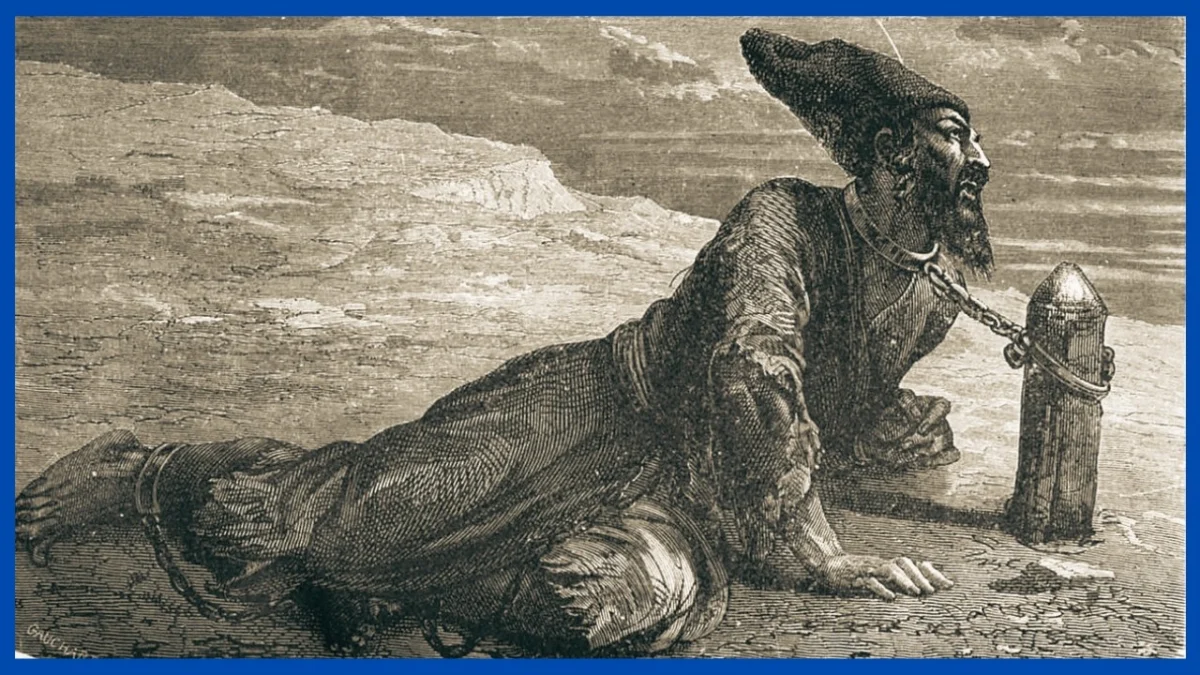
Those who did attempt the full trans-continental trek faced severe environmental and human hazards. Historical accounts and modern geographical analyses catalog a formidable gauntlet of dangers, including extreme desert temperatures, debilitating altitude sickness, psychological hallucinations brought on by dehydration, relentless banditry, and the constant threat of enslavement.
The security provided by the Mongol Empire during the 13th century temporarily mitigated some of these lawless conditions, but it came at a devastating human cost to settlements that resisted integration. Moreover, the very networks that facilitated profitable commerce also accelerated catastrophe. It was along these interconnected pathways that gunpowder migrated outward from China, while the devastating pathogen responsible for the Black Death swept across Europe and Asia in the 14th century.
Economic and Cultural Implications
The long-term implications of the Silk Road network on modern civilization cannot be overstated. Economically, it established the foundational mechanisms of globalized trade, proving that societies separated by thousands of miles could develop a mutual dependence on specialized regional manufacturing—from Chinese sericulture to Roman glassblowing.
Culturally, the routes acted as crucibles of syncretism. Buddhism migrated from India into China and Southeast Asia, Islam spread across Central Asia, and Nestorian Christianity found a foothold deep within the Eastern world. Art, architecture, astronomy, and mathematics were continuously cross-pollinated, laying the groundwork for the scientific and cultural revolutions that followed.
In the contemporary era, the physical perils of desert crossings and banditry have been entirely supplanted by modern aviation, allowing travelers to journey from Rome to Xi’an in a matter of hours with a routine layover in Beijing. Yet, as global supply chain vulnerabilities and geopolitical infrastructure initiatives—such as modern revival strategies modeled on ancient trade corridors—demonstrate, the fundamental human drive to connect, trade, and exchange ideas across vast distances remains as potent today as it was over two millennia ago.










Leave a Reply