A 52-year-old British national is currently facing serious criminal charges in Singapore after allegedly installing a covert recording device inside an aircraft lavatory during a commercial flight. The incident, which took place on October 7 aboard Scoot flight TR821, has sparked a significant legal investigation involving the Singapore Police Force and aviation security authorities. The suspect, who was apprehended upon the aircraft’s arrival at Changi Airport, now faces a multi-count indictment that includes voyeurism and the destruction of evidence, the latter of which carries particularly heavy sentencing guidelines under Singaporean law.
Chronology of the Incident
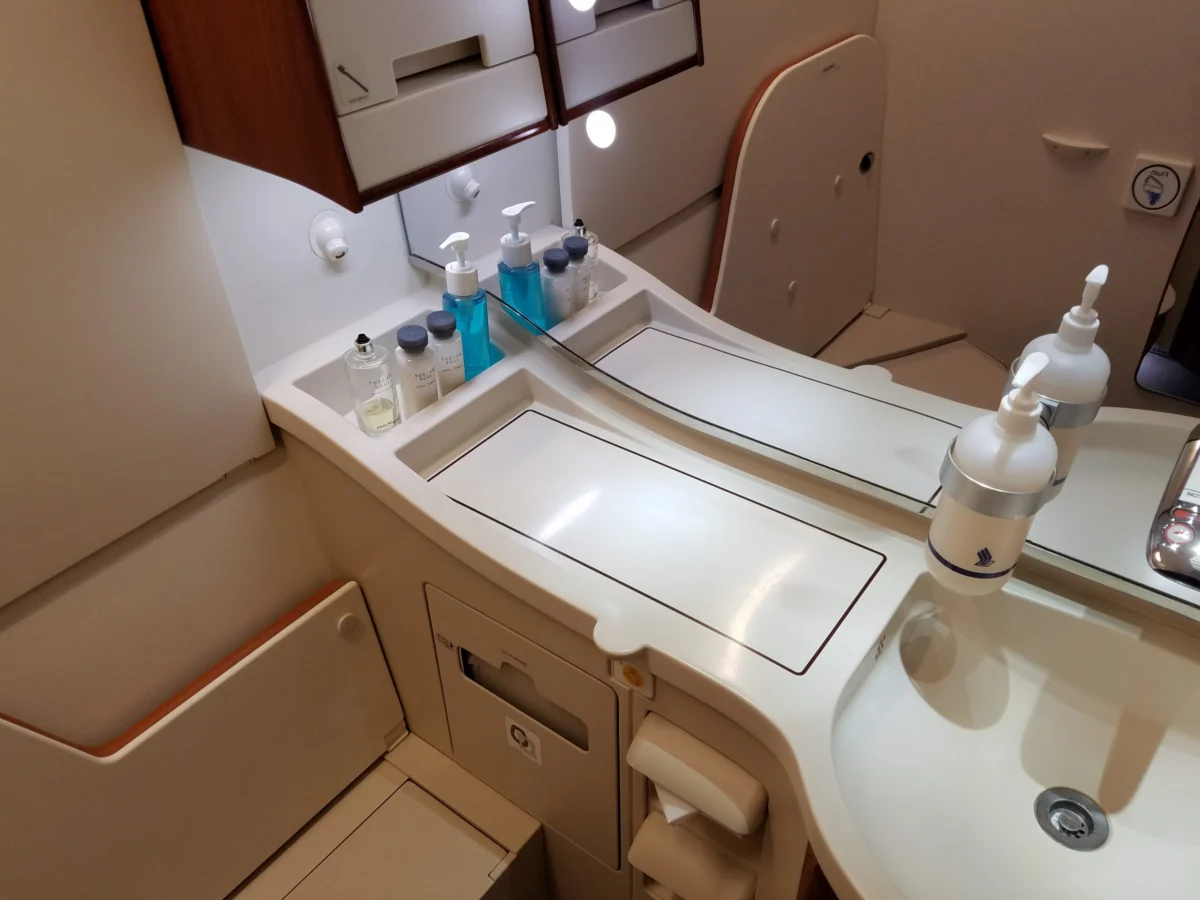
The events unfolded during the mid-flight transit from Osaka, Japan, to Singapore. According to police reports, the suspect allegedly gained access to the lavatory to conceal a recording device, which was subsequently linked to an application on his personal mobile phone to initiate remote recording. The discovery occurred when a female member of the cabin crew utilized the lavatory and identified the suspicious device. Demonstrating swift professional judgment, the crew member removed the object and immediately notified her colleagues to secure the area and identify the source of the installation.
Upon realizing that his device had been compromised, the suspect reportedly attempted to retrieve it. Finding the lavatory vacant of the device, he allegedly initiated a process to wipe his mobile phone, deleting the associated application and any captured imagery in an attempt to thwart a forensic investigation. Despite these efforts, the suspect was detained by law enforcement upon landing at Changi Airport. The Singapore Police Force confirmed the seizure of both the mobile device and the camera, noting that forensic analysis was successfully conducted to recover evidence.
Legal Status and Sentencing Implications
The suspect was officially charged on November 5. While he has been granted the opportunity for bail set at S$10,000, he remains in custody as he prepares to enter a guilty plea. The charges brought against him reflect the gravity with which the Singaporean judicial system views the violation of privacy in public spaces and, more specifically, the obstruction of justice.

Legal experts note that while the voyeurism charge carries a significant penalty, the charge related to the deletion of evidence significantly complicates the suspect’s defense. Under the Singaporean Penal Code, obstructing the course of justice can lead to severe custodial sentences. Regarding the voyeurism charges, while Singaporean law does mandate corporal punishment—specifically judicial caning—for certain offenses, the suspect falls under an exemption for men over the age of 50. This procedural detail means he is ineligible for corporal punishment, though he faces the prospect of substantial incarceration and permanent records that could result in his deportation and long-term barring from the country.
Broader Context of In-Flight Surveillance Risks
The incident on Scoot flight TR821 is not an isolated occurrence but rather part of a documented, albeit sporadic, trend of illicit recording devices appearing in aircraft lavatories globally. The aviation industry has struggled to balance the passenger experience with the need for heightened security measures regarding privacy.
The prevalence of miniaturized technology, such as high-definition pinhole cameras and wireless-enabled sensors, has made it easier for individuals with malicious intent to attempt such acts. However, the sophistication of modern forensic techniques utilized by airport security and national police forces has also increased the probability of apprehension. In almost all recorded cases of this nature, the perpetrators are caught not only through the initial discovery of the hardware but through the digital footprints left on their mobile devices and their inability to permanently purge data from cloud-synced applications.
Case Studies in Aviation Voyeurism
The legal community and aviation safety boards often point to previous incidents to highlight how these cases are prosecuted. For instance, in 2019, a United Airlines passenger was caught hiding a camera in a first-class lavatory during a flight from San Diego to Houston. In that instance, the perpetrator was inadvertently caught on his own camera while installing the device. Forensic investigators later recovered deleted files from his digital storage, which contained footage of passengers on other international flights, including an Emirates flight. The evidence provided a clear roadmap for prosecutors to secure a conviction.
Another high-profile case involved an American Airlines flight attendant who utilized maintenance stickers to camouflage a recording device on a lavatory toilet seat. The discovery, made by a teenage passenger, led to a federal investigation that revealed a prolific history of illegal recording. The former flight attendant was sentenced to 18 and a half years in federal prison in 2025, a landmark ruling that serves as a deterrent and a baseline for the severity of such crimes in the United States. These cases demonstrate that while the primary crime is the violation of privacy, the subsequent forensic trail—often exacerbated by the perpetrator’s attempt to destroy evidence—frequently results in the most damaging testimony against them.
Analysis of Aviation Security Protocols
Aviation security experts suggest that the "human factor" remains the most effective line of defense. Flight attendants undergo rigorous training to identify anomalies in aircraft interiors. As in the case of the Scoot flight, the attentiveness of the cabin crew is the primary barrier preventing the widespread distribution of illicit recordings. Airlines are increasingly incorporating "lavatory checks" as part of their standard operating procedures (SOPs), which involve brief inspections of high-risk areas during long-haul flights.
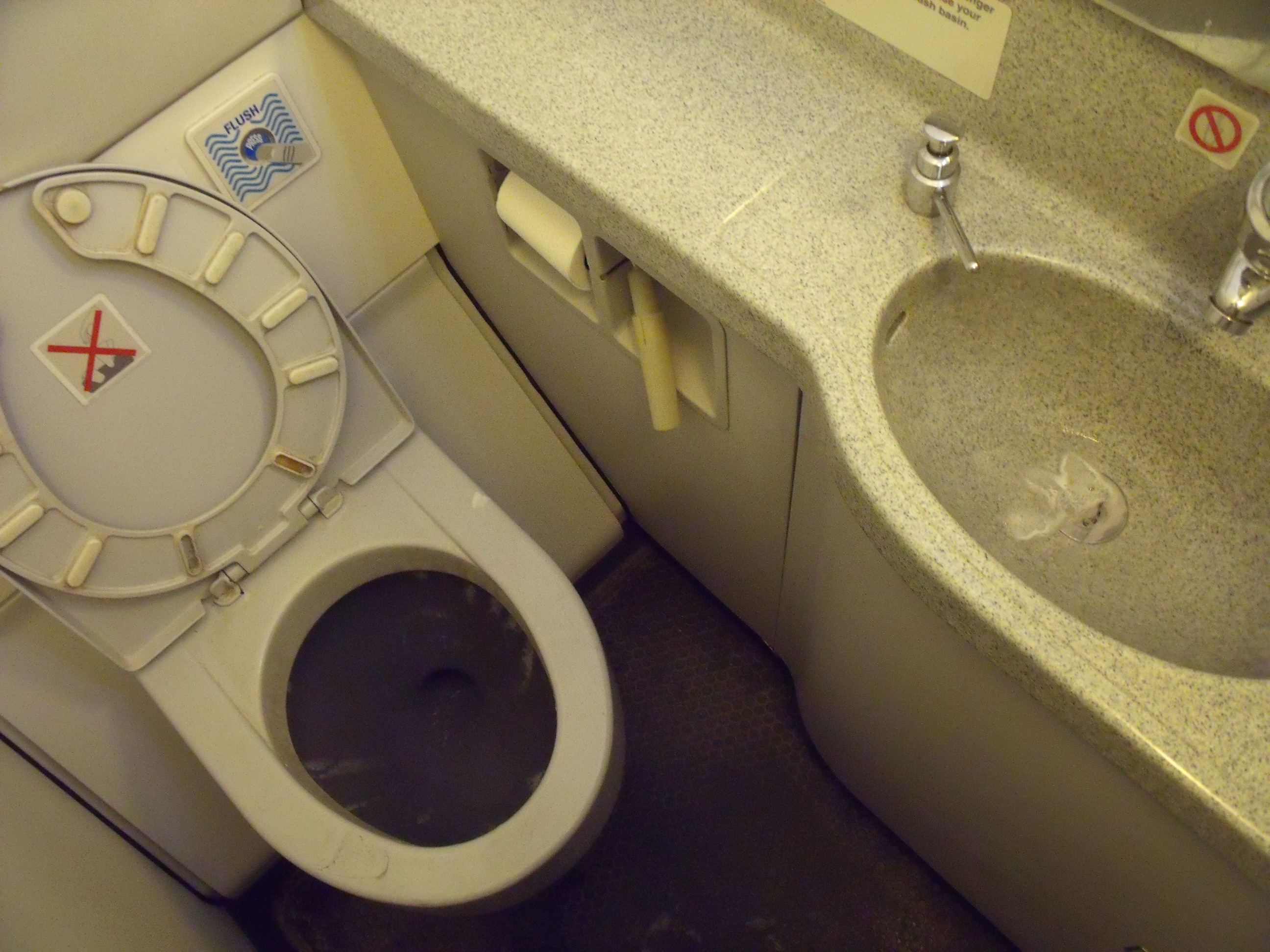
However, the rapid advancement of technology poses an ongoing challenge for airlines. Manufacturers are being urged to design lavatories that are less conducive to the installation of hidden devices, with fewer crevices and surfaces where small electronics can be mounted. Furthermore, the role of passenger vigilance is emphasized; travelers are encouraged to report any suspicious behavior, such as individuals entering lavatories with bags, backpacks, or multiple electronic devices, to the cabin crew immediately.
Official Responses and Future Implications
While Scoot has not released a detailed statement regarding the specific security protocols for flight TR821, the airline has reiterated its commitment to the safety and privacy of its passengers. In similar cases, airlines have cooperated fully with local law enforcement, providing manifest data, seating charts, and internal reports to facilitate prosecution.
The outcome of the current case in Singapore is expected to serve as a bellwether for how the Singaporean judicial system handles international offenders accused of crimes committed within their jurisdiction. The fact that the suspect has opted to plead guilty suggests a recognition of the overwhelming digital evidence against him. As investigations continue, the international aviation community will likely monitor the sentencing to understand the potential shift toward even more stringent penalties for those who compromise the sanctity of personal spaces on board commercial aircraft.
For the traveling public, the incident serves as a stark reminder of the importance of privacy awareness. While the vast majority of commercial flights are safe, the technological capabilities available to potential offenders necessitate a heightened level of caution. The success of the Singapore Police Force in this instance—recovering evidence despite the suspect’s deliberate attempts to destroy it—highlights the efficacy of modern digital forensics in ensuring that justice is served, even in the complex and often transient environment of international air travel.