
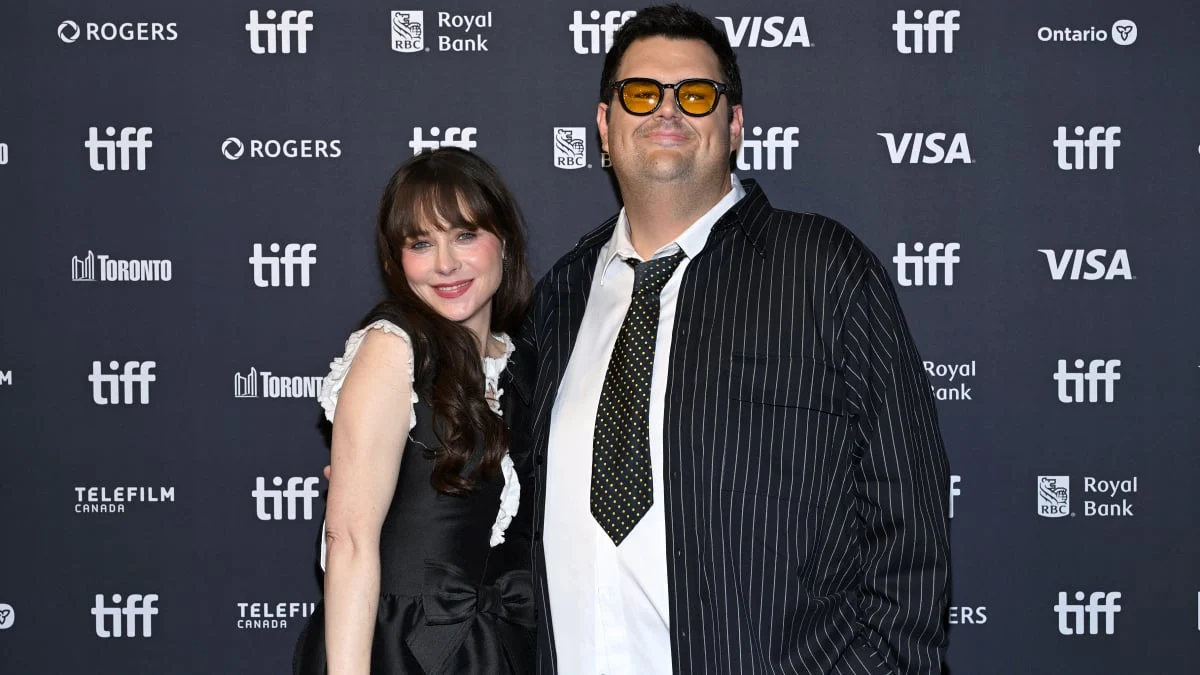
The Toronto International Film Festival (TIFF) has long served as the premier stage for industry veterans to unveil their latest projects, but the 2024 edition has shifted focus toward a burgeoning segment of the entertainment ecosystem: the creator-to-filmmaker pipeline. During a marquee panel discussion titled "For You Feed to Feature Film," held amidst the bustle of the festival, actors and digital storytellers Caleb Hearon and Zooey Deschanel explored the intricate transition from short-form social media content to narrative feature-length production. Moderated by Jenny Kim, the Global Entertainment Partnerships Lead at TikTok, the session underscored a pivotal cultural shift where the barriers between independent digital content and mainstream cinematic distribution are increasingly porous.
At the center of this conversation was Trash Mountain, a new feature film written by Hearon and Ruby Caster, in which both Hearon and Deschanel star. The project serves as a case study for the modern creator, illustrating how established digital voices can leverage their existing audiences to greenlight and produce substantive cinematic works.
The Changing Landscape of Modern Stardom
The panel highlighted a fundamental change in how talent is cultivated and discovered. Historically, the entertainment industry operated through a "gatekeeper" model, where casting directors and studio executives determined the viability of an actor or writer. Today, the "For You" page on TikTok and other algorithmic platforms has effectively democratized audience building. Creators now arrive at the doors of major studios with pre-existing, loyal fan bases and proven track records of engagement.
Industry data suggests this transition is more than a fleeting trend. According to reports from market analysts in the digital entertainment sector, cross-platform creators are increasingly becoming the primary drivers of box office demographic shifts among Generation Z and Millennial audiences. The ability of a creator to translate a 60-second video format into a 90-minute narrative is the current "holy grail" for studios looking to capture fragmented attention spans.
Zooey Deschanel: Defying Institutional Limitations
Zooey Deschanel, a veteran of both television and feature film, offered a unique perspective on the necessity of self-actualization. Drawing from her own transition into music—a move that was initially met with skepticism by industry traditionalists—she spoke to the audience about the inherent resistance creators face when attempting to expand their professional scope.
"I was told early on that I couldn’t be a musician because I was already an actor," Deschanel noted during the panel. "The industry likes to put people into boxes because it makes them easier to sell. My advice is to stop waiting for permission. If you have something you want to put into the world, just be the person who does it first."
Her commentary highlights a recurring tension in Hollywood: the friction between an artist’s multi-hyphenate ambitions and the industry’s desire for brand consistency. By ignoring external mandates regarding her professional trajectory, Deschanel successfully bridged the gap between music and acting, a blueprint she suggests today’s digital creators must adopt to maintain artistic autonomy in an era of corporate consolidation.
Caleb Hearon and the Reality of Creator Economics
Caleb Hearon, whose meteoric rise from social media comedy to feature screenwriting marks him as a poster child for the new guard, provided a more grounded—and at times, stark—assessment of the economics involved in this career path. While the allure of "going viral" is often portrayed as a golden ticket to Hollywood, Hearon clarified that the financial reality is significantly more complex.
"I did four movies last year," Hearon stated, addressing the audience. "But the reality is that my bills are paid by reading ads on my gay little podcast. The industry wants the clout that creators bring, but they are often hesitant to provide the financial stability that legacy stars were once afforded."
Hearon’s candid remarks point to a significant issue within the industry: the offloading of financial risk onto the creator. Because creators often arrive with their own distribution networks, studios and financiers sometimes view them as low-risk investments. Hearon urged his peers to recognize the leverage they possess. He advised emerging creators to "get comfortable saying no early," emphasizing that the pressure to accept subpar deals, simply because they represent a step toward a traditional goal, can be detrimental to long-term success.
The Mechanics of the Creator-to-Feature Pipeline
The transition from digital content to feature film is not merely a matter of ambition; it is a structural challenge. The "For You Feed to Feature Film" panel explored the specific technical and creative adjustments required for this leap.
- Narrative Expansion: Moving from micro-content, which relies on punchlines and rapid pacing, to a sustained narrative requires a shift in how creators think about character arcs and thematic development.
- Institutional Collaboration: Creators must learn to navigate the studio system, which operates on different timelines and hierarchies than the agile, direct-to-consumer nature of social media.
- Audience Retention: While a TikTok algorithm may favor brevity, a film requires the viewer to invest in a sustained experience. The panel discussed how maintaining the "voice" of a creator while adapting to the demands of a larger, broader audience is the most significant hurdle.
Fact-Based Analysis: The Impact of DIY Content on Cinema
The proliferation of creator-led films is fundamentally altering how studios approach acquisitions at festivals like TIFF. Where festivals once focused solely on the "discovery" of new talent through traditional indie pipelines, they now act as a showcase for established digital brands.
This creates a dual impact on the industry:
- Increased Market Diversity: By lowering the barrier to entry, a wider array of voices and perspectives are finding their way to the screen.
- Corporate Risk Mitigation: Studios are increasingly partnering with creators who have already built an audience, effectively using the creator’s social media metrics as a proxy for market research.
However, as Hearon correctly identified, this creates a potential trap. If creators do not advocate for their own value, they risk becoming "content laborers" for major platforms and studios, providing the audience and the content while the institutions capture the lion’s share of the profit. The message from both panelists was clear: the power dynamic is shifting, but it requires the artist to remain vigilant and intentional about their professional independence.
Chronology of the Shift
The current wave of creator-to-film projects did not happen in a vacuum. It is the result of a decade-long evolution in digital consumption:
- 2010–2015: The rise of the "YouTuber" as a standalone celebrity, often characterized by non-traditional, direct-to-audience content.
- 2016–2020: The rise of mobile-first platforms (TikTok, Instagram Reels) and the shortening of the average attention span, which led to a new style of comedic and narrative editing.
- 2021–Present: The "Professionalization" phase, where creators began signing with major talent agencies, securing writers’ room positions, and, as seen with Trash Mountain, writing and starring in their own feature films.
Conclusion and Future Outlook
As the Toronto International Film Festival continues, the success of projects like Trash Mountain will be scrutinized not just for their critical reception, but for what they signal about the future of the industry. The panel at TIFF served as both a celebration of this transition and a warning to the next generation of creators.
For aspiring filmmakers, the takeaway is multifaceted: while the tools for creation have never been more accessible, the business of filmmaking remains a difficult, often opaque environment. The advice offered by Deschanel and Hearon—to reject the boxes imposed by others and to understand the value of one’s own labor—serves as a vital guide for those looking to traverse the gap between a 60-second clip and the permanence of a feature film.
Ultimately, the democratization of film production is not about the death of the "big screen," but about its evolution. As creators like Hearon bring their unique, algorithm-honed voices to the theater, the industry is forced to adapt, creating a more diverse and, hopefully, more creator-centric future for cinema. Whether these creators can successfully navigate the systemic pressures of the studio world remains to be seen, but as the panel demonstrated, they are no longer asking for permission—they are simply making their things.





Leave a Reply