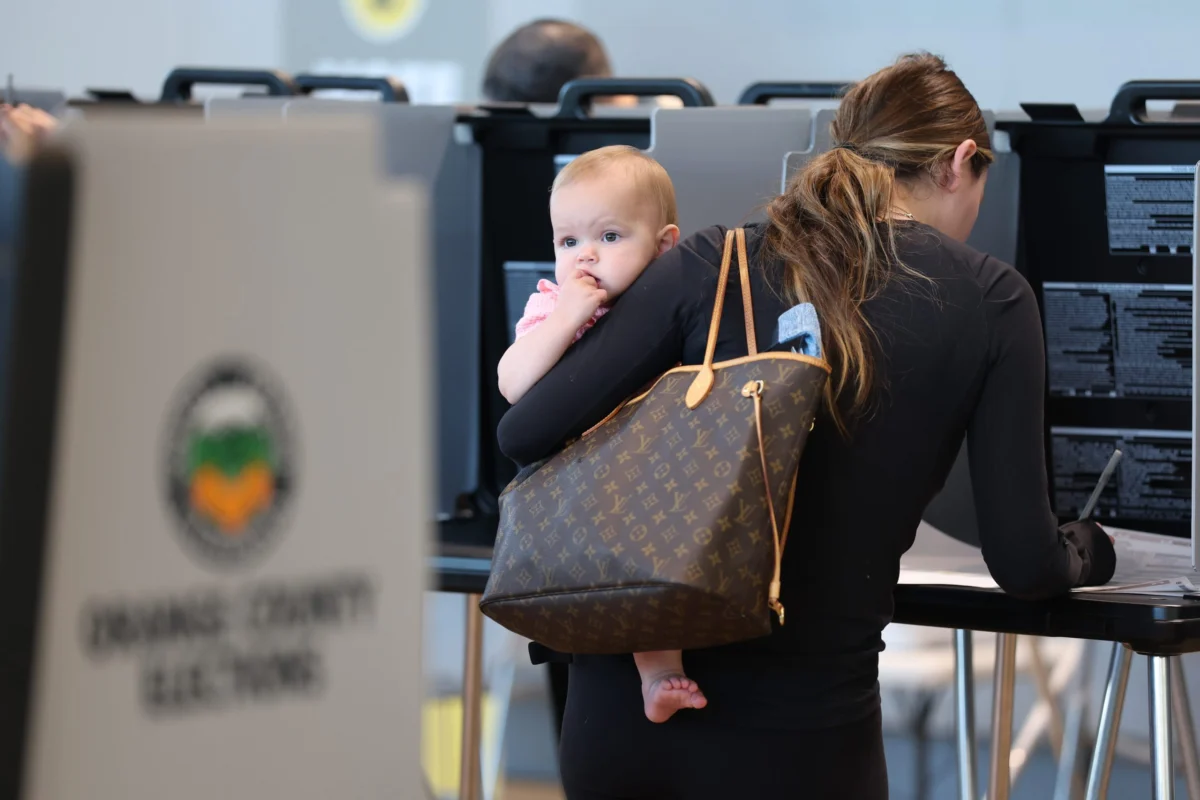
The 2026 midterm elections served as a definitive referendum on the American family’s struggle with the rising costs of early childhood education and care. While the national political narrative was dominated by the broader "blue wave" that saw Democrats reclaim significant legislative and executive ground, a parallel, grassroots movement was playing out in polling stations across the country. Voters in dozens of municipalities and states signaled a clear mandate: early childhood development is no longer a peripheral social issue, but a core economic necessity that demands public investment.
From the legislative chambers of state capitols to local school board ballot measures, candidates who centered their platforms on universal pre-K, affordable child care, and professionalizing the early educator workforce saw substantial success. This shift suggests that the "kitchen table" issues that have long defined suburban and urban political discourse are increasingly shifting toward the systemic challenges of raising children in a high-cost economy.
The Political Landscape: A Shift in Candidate Priorities
The 2026 cycle was marked by a distinct pivot among candidates who recognized that the affordability crisis in child care was a primary driver of voter anxiety. In states like Maine, the election of Governor-elect Hannah Pingree serves as a case study in this trend. Pingree’s campaign was anchored by a robust commitment to universal child care access and a structural overhaul of pay scales for early educators. By framing these initiatives not just as social programs but as essential infrastructure for workforce participation, she successfully galvanized a coalition of working-class families and economic progressives.
Similarly, in Georgia, Governor-elect Keisha Lance Bottoms successfully campaigned on a platform that prioritized the expansion of the state’s existing pre-K infrastructure. Her victory in a key battleground state highlights the bipartisan appeal of early childhood initiatives when they are tied to long-term state economic health. In Wisconsin, Governor-elect David Crowley has positioned himself as a champion for the youngest residents, advocating for a state-subsidized program that would cover all children under the age of five—a proposal that would represent one of the most comprehensive state-level investments in the nation if realized.
The federal implications of these state-level wins are significant. In South Carolina, the election of pediatrician Dr. Annie Andrews to the Senate demonstrates the potency of linking health care expertise with child care advocacy. Her success reflects a broader trend of professionals leveraging their experience to demand policy changes that directly impact the well-being of families. Meanwhile, in Minnesota, Senator-elect Peggy Flanagan has championed a major expansion of federal Head Start programs, signaling that the pressure to increase federal investment in early childhood is mounting from the state level upward.
Ballot Measures: The Mechanics of Local Funding
While candidate success provided the momentum, the practical implementation of these policies was decided through a series of complex ballot measures. These measures, ranging from sales tax initiatives to property tax adjustments, reveal a growing comfort level among voters with utilizing local revenue streams to solve the "care gap."
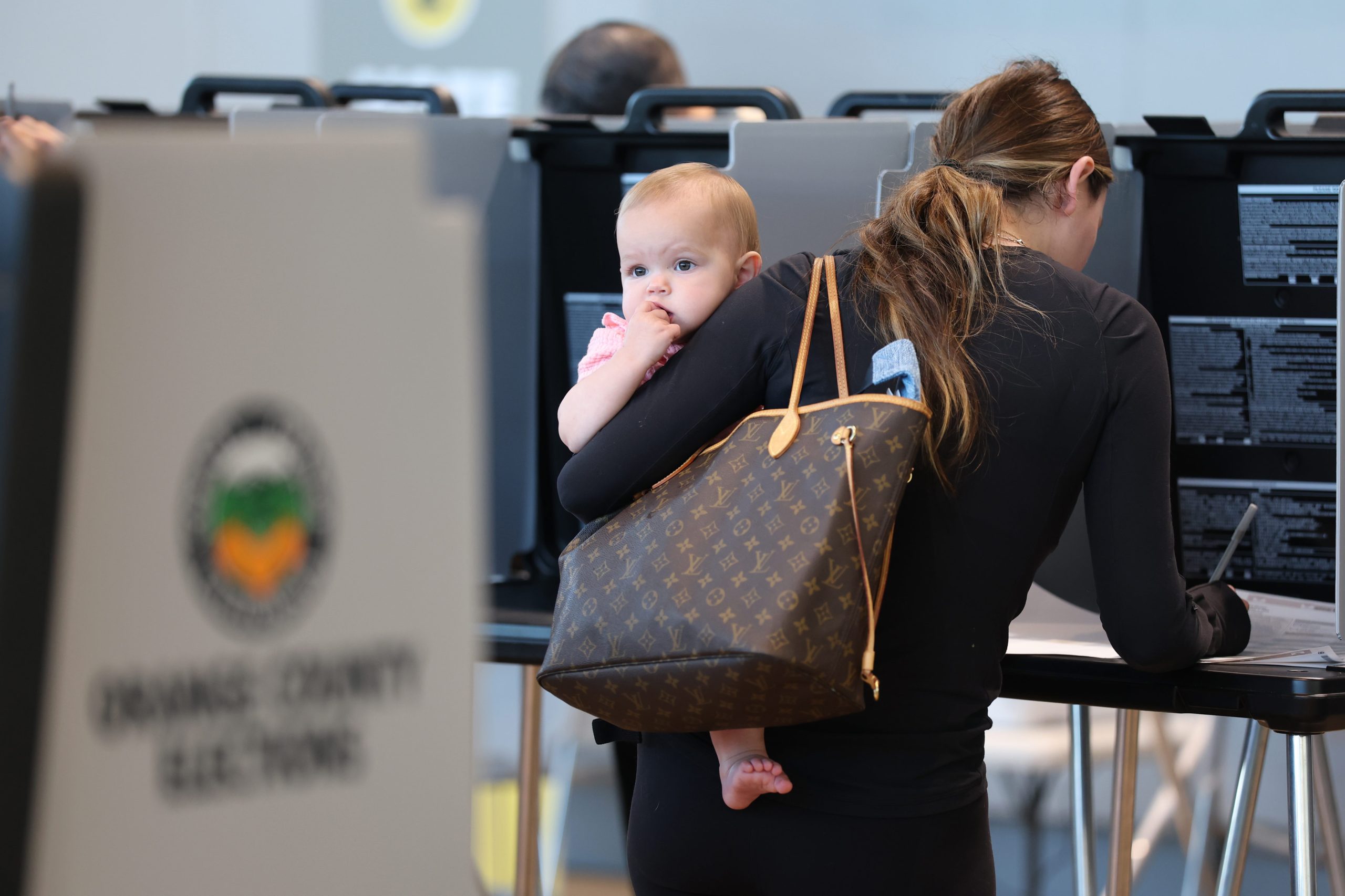
The outcomes were not universally positive, however. The rejection of sales tax proposals in St. Louis and Tempe, Arizona, serves as a reminder of the friction that exists when local governments attempt to raise taxes for new initiatives in a climate of high inflation. In St. Louis, a $22 million annual proposal failed to clear the threshold, highlighting that even in progressive areas, voters are sensitive to the immediate impact of tax hikes on their cost of living.
Conversely, areas that successfully passed funding measures often utilized targeted taxes, such as lodging or parcel taxes, which are perceived as having a less direct impact on the average local household. The success of Boulder County, Colorado’s Issue 1A, which utilized a property tax increase to bolster teacher pay and expand capacity, underscores that voters are willing to pay more when they see a direct link to service availability and waitlist reduction.
Data-Driven Context: The Cost of Care
To understand why these measures gained such traction in 2026, one must look at the data surrounding the childcare industry. Over the past five years, the cost of center-based child care has risen at a rate significantly higher than inflation, effectively pricing out middle-class families and forcing many to exit the workforce entirely.
According to economic data released earlier this year, the average family now spends nearly 20% of their household income on child care for a single child under five. This "child care tax" on working parents has become a primary bottleneck for national productivity. Employers, particularly in industries suffering from labor shortages, have begun to view the lack of child care as a direct threat to their operations.
Sarah Baray, CEO of the San Antonio-based Pre-K 4 SA program, emphasized this during the post-election analysis. The overwhelming 72% approval rate for the reauthorization of San Antonio’s pre-K funding is viewed by analysts as a "gold standard" for community investment. "It isn’t just an individual family issue," Baray noted. "San Antonio understands that this is a huge community need, and they’re willing to invest in it because it’s an investment in the community’s future."
A Chronology of Local Wins
The scope of the 2026 success is best illustrated by the variety of models passed by voters:
- San Antonio, Texas (Proposition A): Reauthorization of a sales tax for a 20-year term, securing the city’s flagship preschool program through the mid-2040s.
- Boulder County, Colorado (Issue 1A): A property tax adjustment aimed at increasing capacity and educator salaries.
- Marin County, California (Measure P): A parcel tax specifically designed to fund high-quality, affordable care and professional development.
- San Diego, California (Measure B): A portion of a half-cent sales tax dedicated to infant/toddler vouchers and mental health services.
- Clear Creek & Archuleta Counties, Colorado: Creative use of lodging taxes to subsidize care for the tourism-dependent workforce, ensuring that even seasonal workers have access to stable childcare.
- Baltimore, Maryland (Question I): An innovative charter amendment dedicating a portion of property tax revenue to the "Baltimore Baby Fund," a project that will be overseen by an advisory board to ensure equitable distribution.
The Role of Nonprofits and Policy Advocacy
Organizations like Zero to Three have been instrumental in preparing the ground for these victories. Melissa Boteach, the organization’s chief policy officer, noted that the results were not accidental. They were the culmination of years of advocacy that shifted the narrative from "child care as a charity" to "child care as a public good."

"Across the board, candidates who ran on child care, who ran on kitchen table family issues, did well," Boteach said. "That’s a political message. Not only do voters expect candidates to deliver on those promises, but going into 2028 and beyond, the appetite for real momentum and real solutions on these issues is high."
Implications for 2028 and Beyond
The 2026 midterm results provide a clear roadmap for future campaigns. As the United States moves toward the 2028 election cycle, the success of these measures suggests that the next generation of political candidates will be expected to provide detailed, actionable plans for childcare affordability.
However, challenges remain. The discrepancy between urban areas that easily pass funding measures and the struggles in suburban or rural districts to secure similar revenue suggests a "geography of care" issue. Ensuring that high-quality, early childhood education is available in rural areas—where the tax base is smaller and the cost of transportation is higher—will be the next major hurdle for policymakers.
Furthermore, as municipalities begin to implement these new funding streams, the focus will shift from the ballot box to the boardroom. Transparency in how these funds are spent, the effectiveness of voucher programs, and the ability of the labor market to recruit enough qualified early educators will be the true tests of these legislative victories.
Ultimately, the 2026 midterms signaled a cultural shift. The electorate has moved past the debate over whether early childhood education is a state responsibility and has firmly entered the phase of implementation. Whether this trend can be sustained against potential economic headwinds remains to be seen, but for now, the message from the American voter is clear: the future of the economy is being built in the classroom, and they are willing to fund it.