The transition from single-use miniature toiletry bottles to bulk, refillable dispensers has become a standard practice across the global hospitality industry, largely driven by sustainability mandates and cost-reduction strategies. However, recent visual documentation from high-end properties has ignited a debate regarding the transparency, hygiene, and authenticity of these refill processes. Travelers and industry analysts are increasingly scrutinizing the methods by which housekeepers replenish these amenities, pointing to a stark disconnect between the premium branding promised to guests and the utilitarian, sometimes questionable, practices occurring behind the scenes.
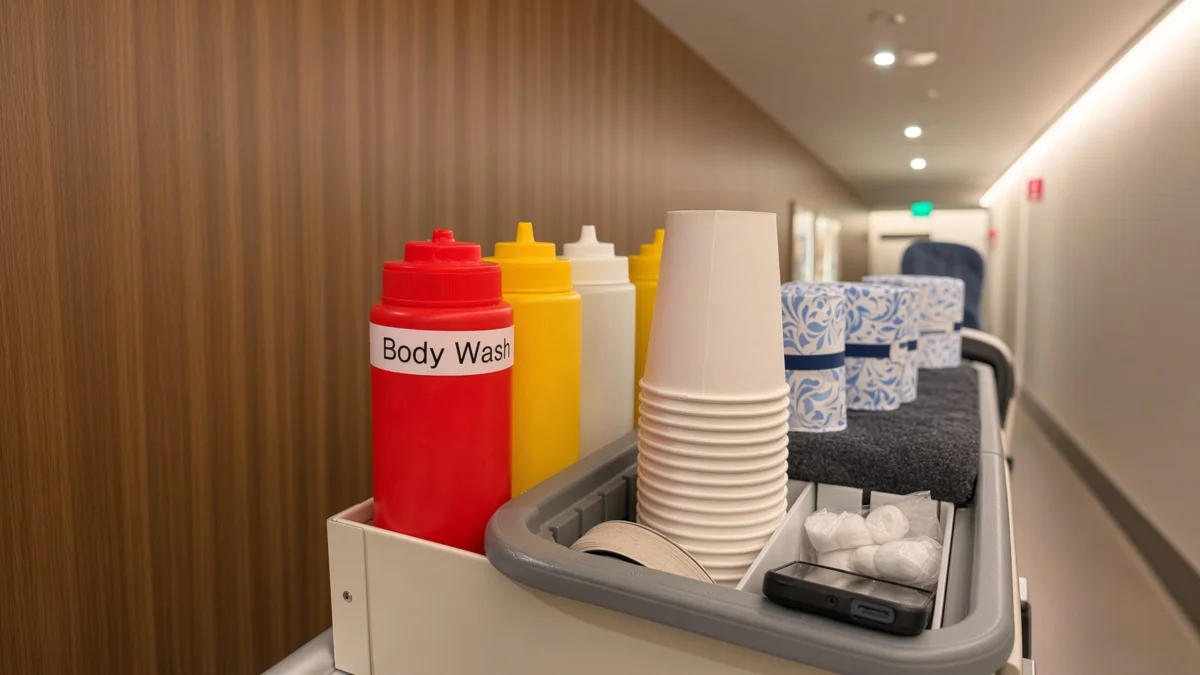
Recent social media documentation by travel journalist Scott Mayerowitz captured an image of a housekeeping cart at what appears to be the Omni Boston Hotel at the Seaport, featuring squeeze bottles—reminiscent of commercial condiment dispensers—labeled with basic markers such as "Body Wash." This visual, while perhaps intended to streamline the logistics of room maintenance, sits in direct contrast to the sophisticated Klur-branded dispensers mounted inside the hotel’s showers. This practice of using unbranded, multi-purpose squeeze bottles to replenish premium, branded fixtures creates a significant aesthetic and ethical dissonance, leaving guests to wonder whether the product they are using in the shower truly matches the brand name displayed on the wall.
A Chronology of Discrepancies in Amenity Management
The concerns surrounding hotel toiletry refilling are not isolated incidents but rather part of a documented pattern of operational inconsistencies that have emerged over the past several years. As hotels shifted toward large-format dispensers to reduce plastic waste and procurement costs, the oversight of these systems has often proved problematic.

In May 2025, reports emerged from the Hyatt Regency San Francisco detailing the use of unbranded, industrial-style refill jugs to service wall-mounted dispensers. Guests observed housekeeping staff utilizing containers typically reserved for commercial food service to manage personal care products, prompting questions about both the source of the liquids and the safety of the handling process.
By December 2025, the issue resurfaced at the Hyatt Place Phoenix Mesa, where observers documented condiment-style bottles on housekeeping carts stored in proximity to cleaning equipment, including toilet brushes. The juxtaposition of personal care supplies with sanitation tools raised immediate concerns regarding hygiene protocols and the professional presentation of housekeeping services.
The most prominent example of potential consumer deception occurred at the Wild Palms Hotel in Sunnyvale, California. In late 2025, photographic evidence showed housekeeping staff refilling dispensers with generic "DRIFT" bulk soap, even as the guest room bathrooms remained branded with high-end Jonathan Adler product labels. When subsequent investigations were conducted in early 2026, it was discovered that while the hotel continued to market the Jonathan Adler experience to its guests, the actual contents of the dispensers had been swapped for a lower-cost alternative.
On an international scale, the Suining Marriott in China faced similar scrutiny when guests discovered that the products provided in dispensers did not align with the advertised "thisworks" brand, but were instead replaced with a brand known as FORMETURE. In this instance, management acknowledged the change, attributing it to an ownership decision to reduce operational expenses. While the hotel maintained that the replacement product met quality standards and was not counterfeit, the incident highlighted the tension between corporate brand standards and local property management’s bottom-line priorities.

The Technical and Legal Implications of Misbranding
The practice of refilling premium-labeled bottles with unverified or different substances carries significant legal and operational risks. From a regulatory perspective, "misbranding" is a serious concern in the cosmetics and personal care industry. When a hotel displays a specific brand name on a dispenser, it creates an implicit contract with the guest that the product contained within is authentic. Substituting that product with a different, often cheaper, substance without explicit disclosure can violate consumer protection laws, such as the Massachusetts Consumer Protection Act (Chapter 93A), which prohibits unfair or deceptive acts in trade or commerce.
Furthermore, the physical act of refilling dispensers presents a major hygiene challenge. Unlike factory-sealed, single-use bottles or proprietary, sealed refill cartridges, open-top refill processes introduce the risk of contamination. A 2023 study published in the Journal of Applied Microbiology examined 104 refillable soap dispensers in German hotels and found that 70.2% showed signs of bacterial contamination, compared to only 10.6% of non-refillable, sealed pump systems.
The contamination risk is compounded by the human element; housekeepers tasked with refilling dozens of rooms per shift are operating in an environment where speed is prioritized. If bottles are not properly sanitized between refills, or if the transfer process involves unsealed containers, the risk of introducing pathogens into the soap supply increases significantly.
Sustainability vs. Operational Reality
Hotels have long argued that the move to bulk dispensers is an ideological commitment to environmental sustainability. By eliminating individual plastic bottles, large chains can significantly reduce their annual plastic waste footprint. However, critics argue that this shift is frequently a "greenwashing" tactic used to hide cost-cutting measures.
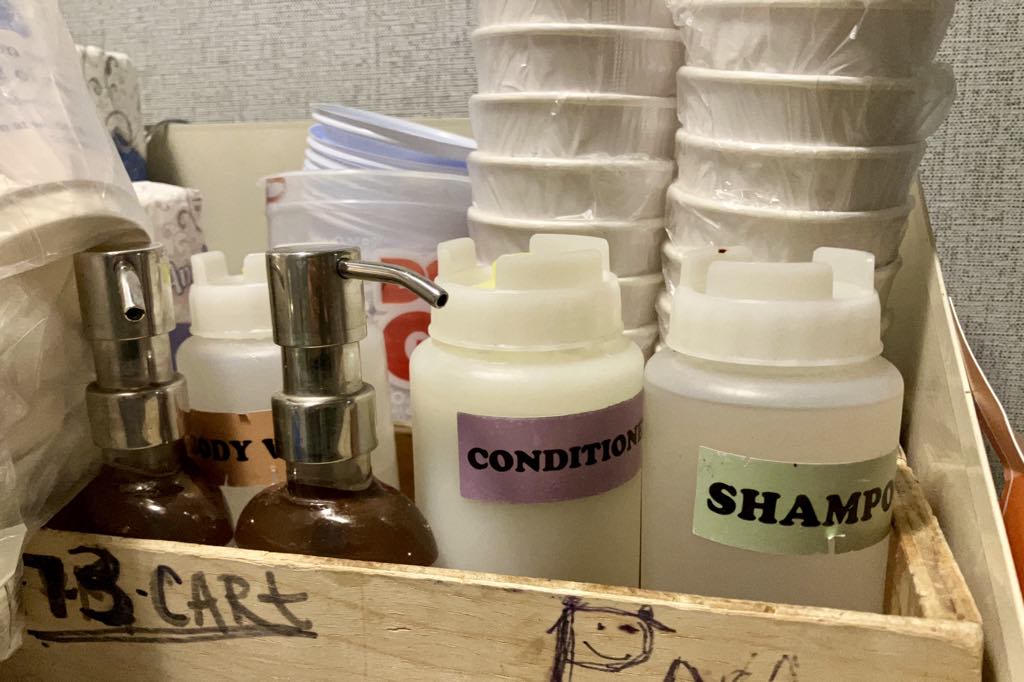
The irony is often highlighted by the surrounding environment: bulk toiletries are frequently provided alongside disposable plastic cups, single-use plastic water bottles, and other non-recyclable materials. If the commitment to the environment were truly the primary driver, guests argue, the hotel would adopt more consistent, circular waste-reduction policies. Instead, the current "condiment-bottle" approach suggests that the primary motivation is the reduction of the unit cost of toiletries, which is significantly lower when purchased in massive bulk quantities compared to branded, travel-sized units.
The Impact on the Guest Experience
Beyond the legal and safety concerns lies the degradation of the guest experience. For many luxury travelers, the brand of amenities provided is a key indicator of the hotel’s commitment to quality. High-end brands like Aesop, Klur, or Jonathan Adler are chosen by hotels to convey a sense of exclusivity and care. When the reality of the supply chain—the red squeeze bottles on a cart—is exposed, the "halo effect" of the luxury brand is shattered.
Moreover, there is the issue of reliability. In the competitive hospitality market, consistency is the hallmark of a successful brand. When a guest enters a room to find an empty or improperly refilled dispenser, it signals a failure in basic operational standards. Previous reports have shown that empty dispensers often remain unnoticed by staff for extended periods, leading to guest dissatisfaction and a perception of declining standards.
Moving Forward: The Need for Transparency
The industry is currently at a crossroads regarding how to manage the transition to bulk amenities. To restore trust, hospitality groups may need to move toward a more transparent model of replenishment. This could include:

- Sealed Cartridge Systems: Moving away from manual, open-top refilling in favor of proprietary, sealed, and tamper-evident cartridges that snap directly into the wall mounts. This eliminates the need for housekeeping to handle or mix liquids.
- Increased Staff Training: Ensuring that the presentation of housekeeping supplies—including the vessels used to transport products—reflects the brand standard of the hotel. If bulk jugs are necessary, they should be professionally labeled and transported in a manner that does not evoke a "fast-food" aesthetic.
- Third-Party Audits: Implementing stricter oversight to ensure that the products advertised are indeed the products being supplied, and that management at the property level is not unilaterally substituting goods to meet budget targets.
As guests become more observant of these operational details, the industry will likely face increased pressure to reconcile its sustainability claims with the reality of its service delivery. For hotels, the challenge will be to ensure that the pursuit of efficiency does not come at the cost of the very brand integrity that their guests are paying to experience. Until clear, industry-wide standards for bulk refilling are established, the sight of unbranded squeeze bottles on a housekeeping cart will continue to serve as a symbol of the growing disconnect between luxury marketing and the actual realities of hotel operations.