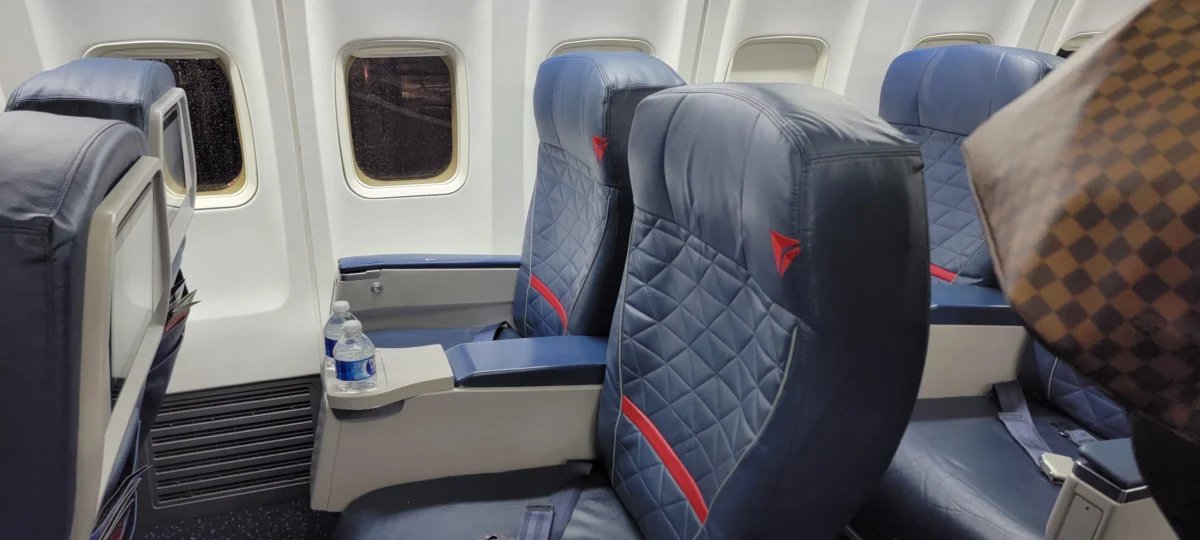
A recent incident involving a Delta Air Lines flight attendant and a passenger has ignited a broader conversation regarding passenger privacy, the professional boundaries of cabin crew, and the evolving expectations of digital decorum in the aviation industry. Tasia Jewel, a passenger traveling from Dallas-Fort Worth to Mexico City via Atlanta, reported that she was subjected to inappropriate comments by a crew member upon disembarking her flight. The incident, which occurred on Delta flight 602, has prompted an internal investigation by the airline and highlights the tension between personal privacy and the ubiquity of smartphone technology in public spaces.
The Chronology of the Incident
Tasia Jewel, who had been traveling after attending the Formula One Grand Prix in Austin, Texas, was reportedly exhausted during her journey. According to her public account of the events, she fell asleep for approximately ninety minutes during the flight. Upon landing in Mexico City and reaching the aircraft door to disembark, she was approached by a group of three or four male flight attendants.
Jewel alleges that one of the attendants made a targeted comment, stating, "Hey, yo friend, I took a picture of you while you were sleeping." Taken aback, Jewel asked for clarification, to which the attendant reportedly replied, "Yeah, I might just post it on Facebook." Jewel noted that other crew members present during the interaction did not intervene; instead, they allegedly laughed, with one adding, "Yeah, she was knocked out." The primary flight attendant then reiterated the threat, claiming she might see the image on social media.
Jewel, who had not interacted with any of the crew members throughout the flight, expressed immediate discomfort and a profound sense of insecurity. She later detailed the experience in a series of social media videos, which gained significant traction, prompting a swift response from Delta Air Lines.
Contextualizing the Flight Path and Operational Details
The incident took place on Delta flight 602. Initially, there was public confusion regarding the route, as Delta does not operate direct flights between Austin and Mexico City. Jewel later clarified that her journey involved a connection in Atlanta. She explicitly noted her preference for a Boeing 757, citing a desire to avoid the Boeing 737 MAX aircraft operated by partner airline Aeromexico.
This operational detail underscores a growing trend among air travelers who are increasingly selective about their flight segments based on equipment type and carrier reputation. However, the discomfort reported by the passenger highlights that even when a traveler successfully navigates technical preferences, the human element of service remains a critical variable in the overall passenger experience.

Industry Standards on Photography and Privacy
The incident raises significant questions regarding the intersection of airline policy and personal privacy. Delta Air Lines maintains specific guidelines regarding photography and videography onboard its aircraft. The airline’s policy requests that passengers remain "respectful in their intent" when taking photos or videos and ensures that such activities do not interfere with safety protocols or the privacy of other individuals.
While these policies are often cited to prevent passengers from filming crew members without consent, they also imply a reciprocal expectation of professionalism from the airline staff. In the aviation industry, the power dynamic is inherently skewed in favor of the crew, who are responsible for the safety and management of the cabin. When an employee utilizes their position to make a passenger feel targeted or surveilled, it undermines the trust necessary for the cabin environment to function effectively.
Broader Implications for Airline Conduct
This is not an isolated event in the modern era of travel. In recent years, several high-profile cases have emerged where passengers or crew members have been accused of unauthorized filming. In one notable instance, a passenger was met by law enforcement upon landing after another traveler accused him of taking photos of her while she slept. Conversely, there have been documented cases of crew members expressing frustration when passengers record them during disputes or safety briefings.
The core issue lies in the definition of "professional boundaries." Aviation experts suggest that the cabin is a workplace for employees, but it is simultaneously a temporary private space for passengers who have paid for a service. The expectation of privacy while sleeping is considered a fundamental aspect of the passenger experience, particularly on long-haul or international segments. When that expectation is breached—or even joked about—by a representative of the carrier, it constitutes a potential violation of the carrier’s code of conduct.
Official Response and Corporate Investigation
Following the viral dissemination of her story, Tasia Jewel reported that Delta Air Lines initiated a formal investigation into the matter. She confirmed that she received a direct phone call from the airline and an apology.
Delta’s response is consistent with its established protocols for addressing passenger complaints. When a report of harassment or inappropriate conduct is filed, the airline typically reviews manifest data, cabin crew reports, and potentially, security footage or witness statements if available. If a violation of the employee code of conduct is found, the airline may take disciplinary action ranging from formal warnings to termination, depending on the severity of the offense.
While the airline has not released a public statement confirming the specific findings of this investigation, the swiftness of their engagement with the passenger suggests an acknowledgment of the reputational risks associated with such claims. In an age where digital evidence and social media can influence public perception of a global brand, airlines are under increasing pressure to ensure that their staff adheres to strict standards of professional decorum.

Data and Trends in Passenger Complaints
The aviation industry has seen a rise in reported incidents of "unruly" or "inappropriate" behavior over the last few years, though the vast majority of these reports have traditionally focused on passenger-to-passenger or passenger-to-crew conflicts. The emergence of reports involving crew-to-passenger misconduct—specifically regarding privacy—represents a shift in the nature of public discourse.
Data from the International Air Transport Association (IATA) indicates that while physical safety incidents remain the primary concern for airlines, the psychological comfort of the cabin environment is becoming a key metric for customer satisfaction. Surveys indicate that travelers place a high premium on the feeling of "being safe" during flight. When a passenger reports feeling unsafe due to the actions of a crew member, the carrier’s liability, both legal and moral, is significantly heightened.
Analysis: The "Bad Joke" Defense
A central theme in this incident is the potential defense that the flight attendant’s comments were intended as a "joke." In many service-oriented industries, employees may attempt to build rapport with passengers through casual banter. However, experts in human resources and hospitality management emphasize that in a power-asymmetric environment—such as an aircraft at 35,000 feet—what one party considers a joke can be perceived as an intimidation tactic by the other.
The fact that the passenger had not interacted with the crew previously makes the comment particularly jarring. Without an existing rapport, a comment about photographing a sleeping passenger lacks the context of a friendly interaction and instead takes on a menacing quality. The subsequent laughter from other crew members, as alleged by the passenger, further complicates the situation by suggesting a workplace culture that may tolerate or encourage such behavior.
Conclusion and Future Outlook
The experience of Tasia Jewel serves as a reminder of the fragility of the passenger-crew relationship. As airlines continue to navigate post-pandemic recovery and labor shortages, the training of cabin crew remains paramount. Beyond safety and service, emotional intelligence and the understanding of modern privacy expectations are becoming essential competencies for flight personnel.
For Delta Air Lines, the outcome of this investigation will likely serve as a case study for future training modules regarding employee conduct and social media usage. For the broader aviation industry, the incident is a clear signal that passengers are increasingly aware of their rights and will utilize digital platforms to hold service providers accountable for their conduct in the air. As the line between public and private continues to blur, the responsibility of airlines to protect the dignity and privacy of their passengers will remain a critical, non-negotiable component of their operational mandate.