
The mechanics of hotel and airline loyalty programs have long served as a complex ecosystem for frequent travelers seeking to maximize the value of their accumulated points. Among major global hospitality brands, the Marriott Bonvoy loyalty program stands out for a distinctive capability: the ability to efficiently convert hotel points into airline frequent flyer miles. While the broader travel rewards industry frequently offers cross-program point conversions, the vast majority of these transactions yield exceptionally poor value for the consumer. Marriott Bonvoy, however, maintains an extensive network of airline transfer partners that provides travelers with a unique, albeit scrutinized, avenue for redeeming their hotel stays and credit card spend into flight inventory.
Understanding the Mechanics of Marriott Bonvoy Point Transfers
At its core, the Marriott Bonvoy program allows members to move accumulated points into nearly 40 distinct airline frequent flyer programs worldwide. This vast network covers major global alliances—including Oneworld, Star Alliance, and SkyTeam—as well as numerous independent carriers.
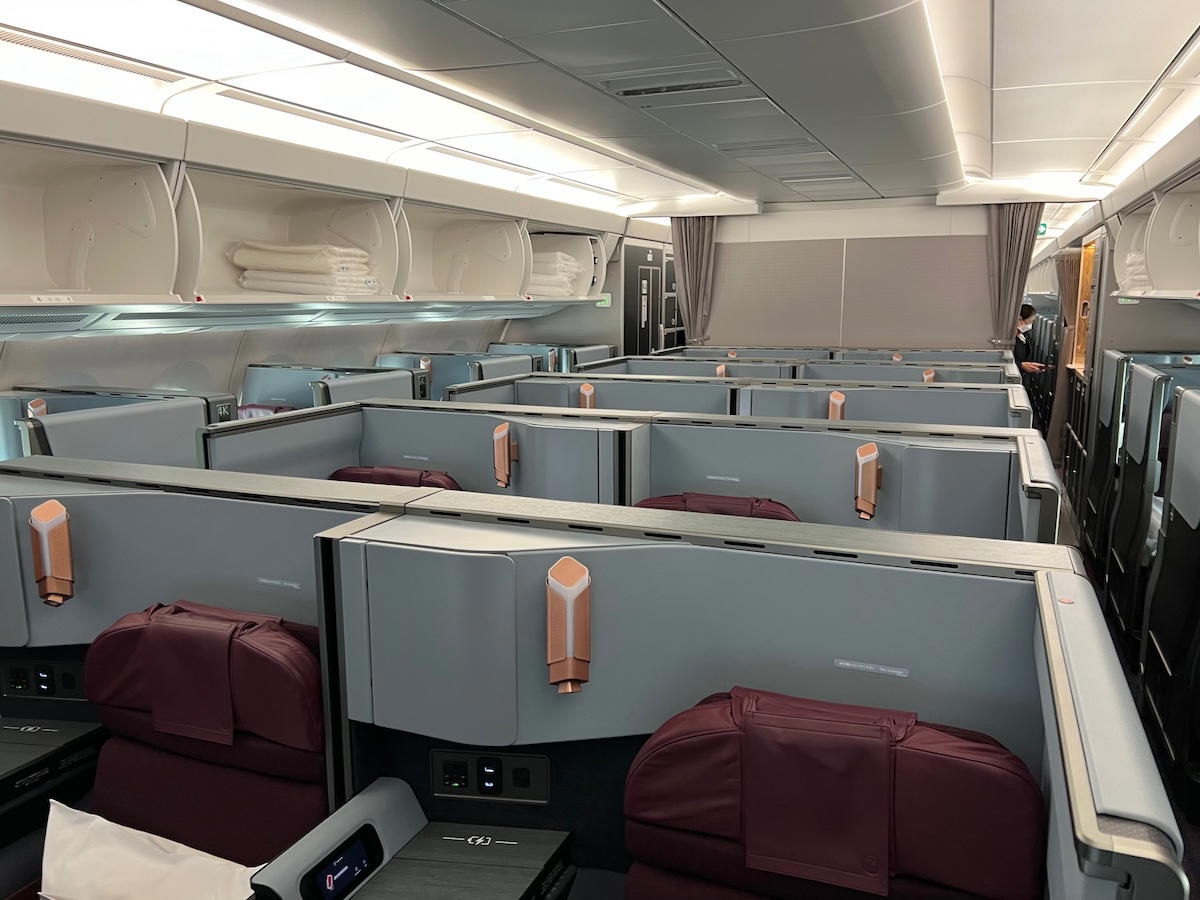
The standard structural ratio for these transfers is 3:1. This means that for every three Marriott Bonvoy points a member relinquishes, they receive one airline mile. However, the program incorporates a structural incentive designed to reward larger transaction volumes: for every 60,000 Marriott Bonvoy points transferred in a single transaction, the member receives a 5,000-mile bonus.
Consequently, a transfer of 60,000 Bonvoy points yields 25,000 airline miles when factoring in the 5,000-mile bonus. This effectively shifts the conversion ratio to 2.4:1. Program rules permit members to execute this 60,000-point threshold multiple times, maximizing the potential bonus acquisition. Daily transaction limits are enforced, restricting transfers to a minimum of 3,000 Bonvoy points and a maximum of 240,000 Bonvoy points per 24-hour period. Members wishing to convert quantities exceeding the daily maximum must execute the transfers across consecutive days.
Comprehensive Overview of Transfer Partners and Specific Ratios
The vast majority of Marriott Bonvoy’s airline partners adhere to the standard 3:1 transfer ratio accompanied by the 60,000-point threshold bonus. Notable participating carriers include Air Canada Aeroplan, Air France-KLM Flying Blue, British Airways Executive Club, Emirates Skywards, Qatar Airways Privilege Club, Singapore Airlines KrisFlyer, and United Airlines.

Certain partners feature minor structural variations. For instance, United Airlines provides a slightly enhanced bonus structure for specific elite tiers or promotional alignments historically, though standard base transfers largely mirror the industry standard. Conversely, programs such as Air New Zealand utilize unique currencies, converting at a rate of 200:1 with a designated Airpoints bonus for larger transfers. American Airlines AAdvantage and Avianca LifeMiles maintain the standard 3:1 base ratio but do not participate in the 5,000-mile volume bonus for 60,000-point transfers.
Operational Constraints: Transfer Speeds and Account Governance
A critical consideration for travelers evaluating point conversions is the processing time required for transactions to settle. Unlike flexible credit card currency programs—such as American Express Membership Rewards, Chase Ultimate Rewards, or Capital One Miles—where transfers to airline partners typically occur instantaneously or within minutes, Marriott Bonvoy transfers are not real-time operations.
Transfers from Marriott Bonvoy to airline frequent flyer accounts generally require anywhere from 24 hours to multiple weeks, with the average transaction taking between two and five days to post. This operational latency introduces significant strategic risk. Industry experts universally advise travelers to transfer speculative points only when award space is confirmed and ready to book; however, the multi-day lag inherent in Marriott’s system renders it unsuitable for seizing dynamic, last-minute award availability, as the targeted flight inventory will frequently be booked by other travelers before the points clear.

Furthermore, programmatic governance dictates strict account parameters. Members can only transfer Marriott Bonvoy points to an airline frequent flyer account that matches the exact first and last name of the Marriott account holder. Once the miles successfully post to the airline account, they immediately become subject to that specific carrier’s expiration rules, activity requirements, and governance policies, completely severing their connection to the Marriott ecosystem.
The Reverse Transfer Mechanism: Airline Miles to Marriott Points
In an effort to expand ecosystem flexibility, Marriott International has increasingly introduced reciprocal two-way transfer capabilities, allowing members to convert airline miles back into Marriott Bonvoy points. This feature targets travelers who possess a surplus of airline currency but prefer to redeem rewards for hotel accommodations.
Programs currently participating in this reverse transfer capability include Air Canada Aeroplan, All Nippon Airways (ANA) Mileage Club, United MileagePlus, Japan Airlines (JAL) Mileage Bank, Emirates Skywards, Cathay Pacific, Qatar Airways Privilege Club, and Singapore Airlines KrisFlyer.
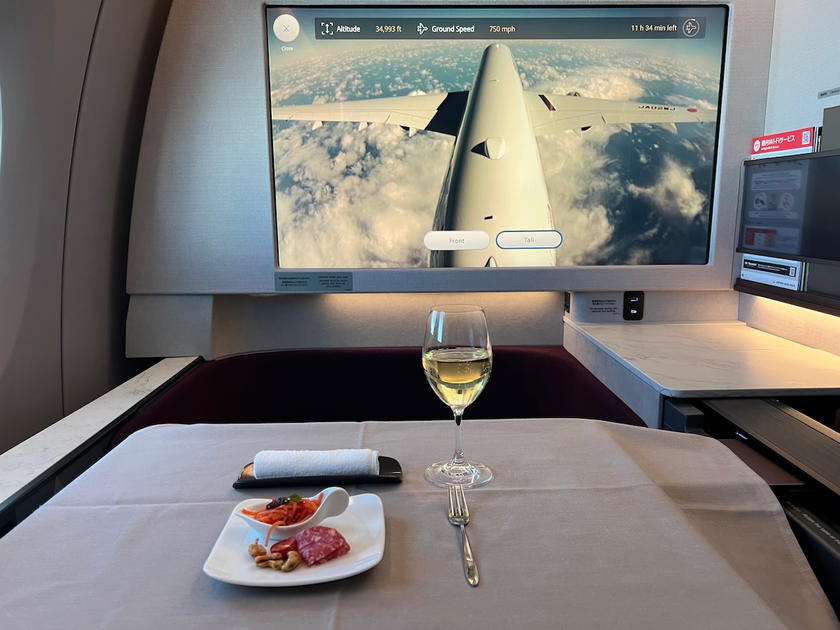
Despite the theoretical appeal of increased liquidity, financial analysis of these reverse transfers demonstrates that they rarely represent sound financial sense. Transfer ratios for moving airline miles to Marriott points vary. Premium carriers like ANA and Air Canada permit 1:1 transfers (though Aeroplan and United frequently restrict this feature to travelers holding specific airline elite status tiers). Other carriers utilize less favorable metrics, such as JAL’s 4:3 ratio, Emirates’ 3:2 ratio, or Cathay Pacific, Qatar Airways, and Singapore Airlines at a 2:1 ratio.
Given standard industry valuations where a Marriott Bonvoy point is valued conservatively at approximately 0.7 cents, converting airline miles—which often carry significantly higher standalone cash or redemption values—at a 1:1 or 2:1 ratio yields a dismal return on investment, often dropping the realized value below 0.35 cents per mile. Consequently, financial analysts classify reverse transfers as a mechanism of last resort.
Strategic Implications and Analytical Evaluation of Bonvoy Point Utility
Evaluating the true utility of Marriott’s airline transfer feature requires a quantitative approach. Based on standard point valuations, where a Bonvoy point is pegged at roughly 0.7 cents, utilizing the optimal 2.4:1 transfer ratio (60,000 points yielding 25,000 miles) implies an acquisition cost of approximately 1.68 cents per airline mile. In the broader context of travel hacking and points valuation, acquiring transferable airline miles at under two cents apiece can be a viable strategy, particularly for securing high-value international premium cabin redemptions (such as first or business class long-haul flights).

However, frequent travel analysts often caution against routine conversions for several reasons. First, Marriott Bonvoy points are notoriously difficult to accumulate rapidly outside of actual hotel stays, co-branded credit card welcome bonuses, and heavy spending. Because organic hotel spend yields fewer points relative to flexible bank currencies, burning a large cache of Bonvoy points for airline miles strips the traveler of valuable hotel redemption opportunities—particularly given that Marriott features an expansive portfolio of luxury properties worldwide where point redemptions can yield exceptional value.
Second, the existence of major transferable credit card currencies—which transfer to airlines instantly at 1:1 ratios without sacrificing hotel purchasing power—diminishes the necessity of utilizing Marriott points for air travel.
Ultimately, Marriott Bonvoy’s airline transfer program functions best as an insurance policy or a top-off mechanism for travelers facing a specific shortfall in an airline account rather than a primary method for long-term travel planning. While the program offers the most robust hotel-to-airline conversion framework in the hospitality industry, travelers must weigh the opportunity cost of depleting their hotel point balances against the delayed transfer times and the availability of superior alternative currencies.