In an industry often defined by rigid hierarchies and strictly delineated job descriptions, a recent incident at Hartsfield-Jackson Atlanta International Airport (ATL) has captured the public’s attention, highlighting a rare moment of cross-functional cooperation. A Delta Air Lines captain, identified by passengers as "Captain Paul," was observed by travelers personally assisting ground crew members with the manual loading of luggage into his aircraft’s cargo hold. The act, which was documented and shared via social media, occurred during a significant operational delay, serving as a catalyst for a broader discussion regarding aviation staffing challenges and the corporate culture of major American carriers.
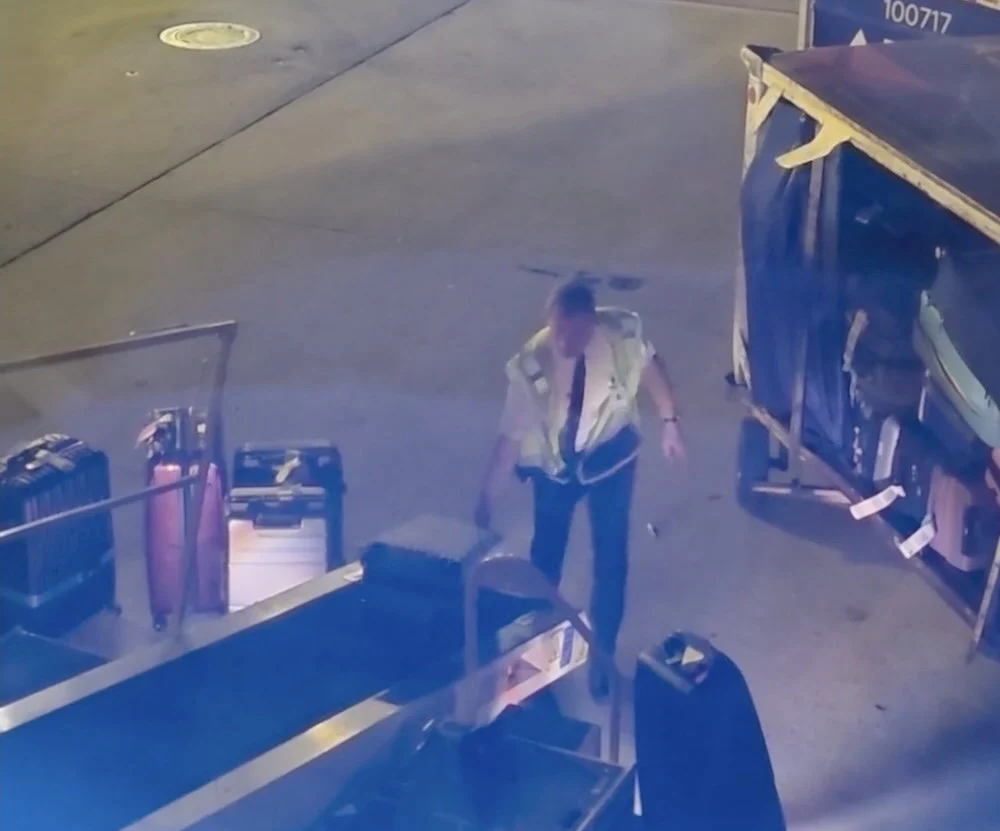
The incident came to light after a passenger on the delayed flight posted a series of updates to the social news platform Reddit. According to the eyewitness accounts, the flight had been stationary at the gate for over two hours. The primary cause of the delay appeared to be a critical shortage of ramp agents available to service the aircraft. While ground operations at a hub as massive as Atlanta typically involve coordinated teams of workers, passengers observed only a single ramp agent attempting to manage the entire luggage-loading process for the flight. Recognizing the logistical bottleneck that threatened to further postpone the departure, Captain Paul exited the cockpit, descended to the tarmac, and began manually loading suitcases alongside the lone ground crew member.
A Chronology of the Ground Operations Intervention
The timeline of the event illustrates both the severity of the delay and the direct impact of the pilot’s intervention. The flight was scheduled for an evening departure from Atlanta, a primary hub for Delta Air Lines and one of the busiest aviation centers in the world. As the delay crossed the two-word mark, the passenger’s first update noted the presence of the pilot on the ramp. "They only found one poor guy to load our bags, so the pilot went out to help," the passenger wrote, expressing surprise at the sight of a high-ranking flight officer performing manual labor.
Shortly after the pilot’s intervention began, a second update was provided to the waiting passengers. Captain Paul returned to the cabin to provide a direct update to the travelers. He informed the cabin that his efforts had been supplemented by the arrival of an additional ramp agent, allowing him to return to his primary flight duties. He estimated that the aircraft would be ready to push back from the gate within approximately 20 minutes.
Despite the initial delay, the flight eventually departed and arrived at its destination at approximately 3:00 AM. Concerns raised by passengers regarding whether similar staffing shortages would plague the arrival were put to rest when the flight was met by a full complement of ramp agents at the destination. A video shared by the passenger showed several ground workers efficiently unloading the aircraft, ensuring that the weary travelers could retrieve their belongings without further incident.
Staffing Pressures at Hartsfield-Jackson Atlanta International Airport
The sight of a pilot loading bags is not merely a feel-good human interest story; it is a symptom of the broader logistical pressures facing the aviation industry. Hartsfield-Jackson Atlanta International Airport serves as the primary global hub for Delta Air Lines, facilitating over 1,000 departures on peak days. The complexity of these operations requires a seamless synchronization between flight crews, gate agents, and ground handlers.
Ramp agents, often referred to as the "unsung heroes" of the tarmac, are responsible for a variety of physically demanding tasks, including Marshalling aircraft, loading and unloading cargo, and managing ground power units. In recent years, the aviation sector has grappled with a volatile labor market. Ground handling roles, which involve exposure to extreme weather conditions and high physical strain, have seen fluctuating turnover rates. When a hub as large as Atlanta experiences a localized staffing shortage—even for a single gate—the ripple effects can cause significant delays that impact the airline’s entire network.
Industry analysts point out that while technology has streamlined many aspects of air travel, the physical act of moving luggage remains a labor-intensive process. A narrow-body aircraft can carry over 100 bags, while wide-body jets can carry hundreds more. If a ground crew is understaffed, the time required to turn an aircraft around for its next leg increases exponentially, leading to the "gate-hold" scenarios experienced by the passengers in this incident.
The Role of the Aircraft Commander and Operational Authority
Under Federal Aviation Administration (FAA) regulations, the Captain—or Pilot in Command (PIC)—holds the ultimate responsibility for the safety and operation of the flight. While their primary duties involve navigation, weather assessment, and cockpit management, the PIC is also tasked with ensuring the efficient execution of the flight mission.
Captain Paul’s decision to assist on the ramp, while unconventional, falls under a broader interpretation of leadership within the aviation context. By physically assisting with the luggage, the captain was directly addressing the "critical path" of the delay. However, such actions are rare due to safety protocols and the division of labor mandated by union contracts and company policies. Pilots are generally discouraged from engaging in manual labor on the ramp due to the risk of physical injury or fatigue, which could potentially disqualify them from safely operating the aircraft.
Furthermore, the "duty time" of a pilot is strictly regulated. Every minute spent on the ground, whether in the cockpit or on the tarmac, counts toward the pilot’s maximum allowable work hours. If a delay lasts too long, a crew may "time out," requiring a full crew swap and potentially leading to a flight cancellation. In this context, Captain Paul’s initiative may have been a strategic move to ensure the flight could depart before the crew reached their legal duty limits.
Delta Air Lines and the Culture of "Shared Success"
The incident has also sparked a debate regarding Delta Air Lines’ corporate culture. Delta is frequently cited by industry observers for its "Rules of the Road," a set of guiding principles that emphasize teamwork and employee engagement. Unlike many of its competitors, Delta’s domestic workforce is largely non-unionized, with the notable exception of its pilots. This structure is often credited with allowing for more flexibility in job roles, though a pilot assisting on the ramp remains an outlier.
A significant component of Delta’s culture is its profit-sharing program. In February 2024, Delta paid out $1.4 billion in profit sharing to its employees, a move designed to align the interests of the staff with the financial and operational success of the company. Proponents of this model argue that it fosters a sense of ownership among employees, encouraging them to go "above and beyond" their standard duties—as demonstrated by Captain Paul.
However, critics and some industry experts suggest that while individual acts of heroism are commendable, they should not be seen as a sustainable solution to systemic staffing issues. The fact that a pilot felt the need to intervene suggests a breakdown in the standard operational flow that the airline must address through traditional hiring and retention strategies.
Public Perception and Brand Value in the Digital Age
In the modern era of air travel, where every passenger is a potential documentarian, the "optics" of an event can have a lasting impact on a brand’s reputation. For Delta, the viral nature of the video showing Captain Paul loading bags serves as a powerful marketing tool that money cannot buy. At a time when many consumers feel a growing sense of frustration with the "commoditization" of air travel—marked by shrinking legroom and automated customer service—the "human element" of a pilot assisting on the ground resonates deeply.
Marketing experts note that "brand moments" like these provide a counter-narrative to the negative headlines that often plague the industry, such as mechanical failures or passenger disputes. The image of a high-ranking officer in a crisp uniform performing the back-breaking work of a ramp agent sends a message of humility and dedication to the customer experience.
Implications for the Aviation Industry
The Atlanta incident serves as a microcosm of the challenges and opportunities facing the global aviation industry in a post-pandemic world. As airlines continue to scale up operations to meet record-breaking travel demand, the resilience of their ground operations remains a critical vulnerability.
The takeaways from Captain Paul’s actions are twofold. First, they highlight the necessity of robust staffing levels and the importance of ground crew roles in maintaining the integrity of flight schedules. Second, they demonstrate that leadership within an organization can manifest in unexpected ways, breaking through departmental silos to achieve a common goal.
As the industry moves forward, the focus will likely remain on how carriers can balance the need for operational efficiency with the unpredictable nature of labor availability. For the passengers on that late-night flight from Atlanta, however, the technicalities of aviation management were secondary to a more simple reality: their pilot cared enough to get them home. While Captain Paul’s primary office remains the flight deck at 35,000 feet, his brief stint on the Atlanta tarmac has left a significant mark on the ground.