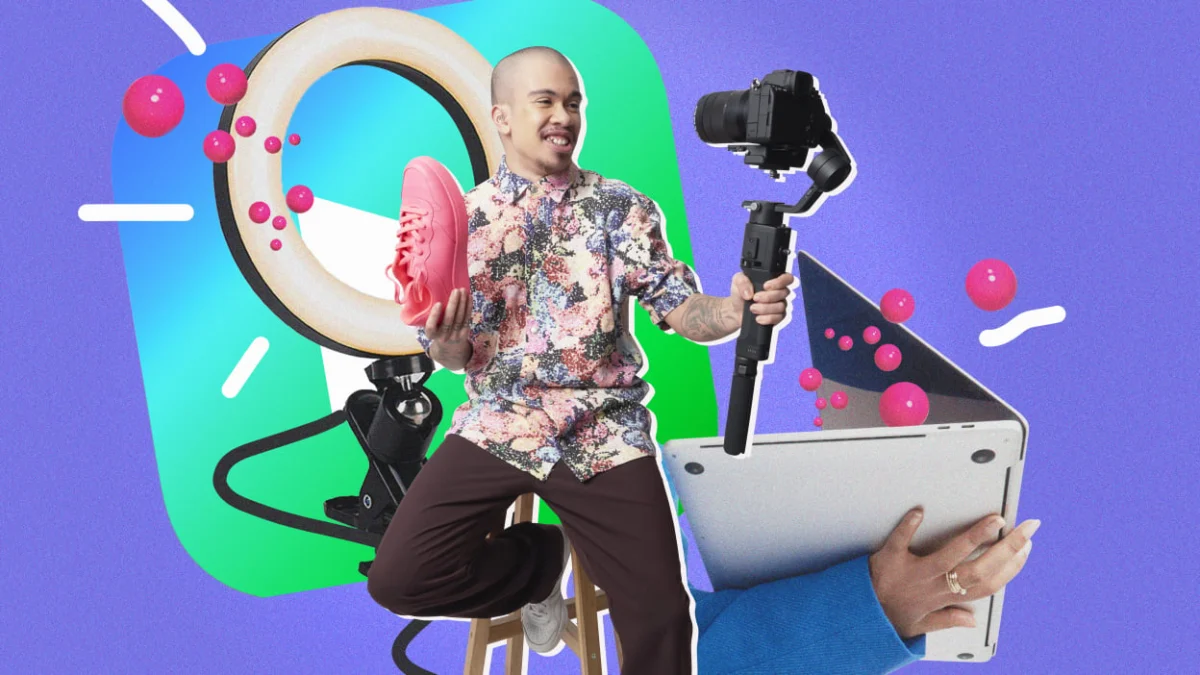
The boundary between traditional Hollywood entertainment and the burgeoning digital creator economy has officially blurred further. As of September 9, 2026, Amazon-owned industry powerhouse IMDb has launched a dedicated "Digital Creator" professional category. This strategic move allows streamers, vloggers, video essayists, and social media influencers to establish a verified presence within the same database used by casting directors, studio executives, and talent agents, even if they lack traditional film or television credits.
For decades, IMDb served as the definitive ledger for screen credits—a place where a project’s inclusion was the baseline for a professional profile. By introducing this new category, the platform is formally acknowledging that a career built on platforms like YouTube, TikTok, or Instagram constitutes a legitimate professional path within the entertainment industry.
The Shift in Professional Standards
Historically, a creator’s entry onto IMDb was contingent upon their participation in a production that met the platform’s strict eligibility guidelines. While massive figures like MrBeast achieved visibility through high-budget projects like Beast Games on Prime Video, the average creator with millions of subscribers but no formal studio output remained invisible in the industry’s primary database.
Under the new guidelines, this barrier has been dismantled. Premium members of IMDbPro can now select "Digital Creator" as one of their up to three primary professional roles. This allows for a more accurate representation of the modern "hyphenate" talent—the artist who might be a writer, actor, and digital creator simultaneously. By allowing users to define their profession beyond the rigid categories of "Actor" or "Director," IMDb is adapting to a labor market where content creation has become a primary driver of cultural relevance.

Why IMDb is Making the Move
The rationale behind this update, as articulated by IMDbPro leadership, centers on the necessity of infrastructure in a fragmented media landscape. Nikki Santoro, CEO of IMDbPro, noted in a recent statement that the platform aims to provide a centralized hub for discovery. "Digital creators and their representatives need that same infrastructure, and producers, casting directors, studio executives, and brand partners need a reliable way to find them," Santoro explained.
From a business perspective, the move is highly calculated. By opening the "Digital Creator" category, IMDb is effectively expanding its potential user base to include the millions of professional influencers who previously had no incentive to pay for an IMDbPro subscription. With standard membership fees currently set at $19.99 per month—or $149.99 annually—the platform is positioning itself as an essential career tool for a demographic that is increasingly being courted by traditional film and television studios.
The Evolution of the Creator-to-Hollywood Pipeline
The introduction of this category does not occur in a vacuum; it is the culmination of a decade-long migration of digital-first talent into mainstream media. The transition from "online personality" to "industry power broker" has been exemplified by several notable success stories.
Issa Rae’s transition from the YouTube series Awkward Black Girl to the critically acclaimed HBO series Insecure remains the gold standard for this trajectory. Similarly, Quinta Brunson’s rise from viral internet sketches to the creation and starring role in the global hit Abbott Elementary demonstrated that digital-native talent brings a unique, built-in audience and a specialized skill set in audience retention. Bo Burnham’s career, which began with musical comedy uploads on YouTube and evolved into writing and directing the Oscar-nominated film Eighth Grade, further highlights how digital platforms can serve as a proving ground for auteur-level talent.
As of 2026, the industry has reached a point where digital reach is often viewed as a "greenlight" metric by studios. However, this shift has not been without criticism. There is an ongoing debate within the creative arts regarding the fairness of casting influencers over trained actors. Critics argue that prioritizing a creator’s social media following can undermine the craft of professional acting and limit opportunities for classically trained performers. Despite these concerns, the economic reality is that studios prioritize projects with built-in engagement, making the "Digital Creator" profile an asset for those looking to bridge the gap between their online work and traditional production opportunities.

Data-Driven Implications for the Industry
The impact of this policy shift is expected to manifest in three key areas: talent acquisition, brand partnerships, and professional verification.
- Talent Acquisition: For casting directors, the ability to search for talent under a "Digital Creator" filter streamlines the process of finding performers who are already comfortable in front of a lens and possess an established fan base.
- Professional Verification: By providing a standardized space for these creators, IMDb acts as a verification layer. It allows agents and managers to see the scale of a creator’s output, their specific sub-professions, and their cross-platform capabilities in a single, reputable location.
- Brand Partnerships: While many creators currently rely on agencies to negotiate brand deals, an IMDb profile provides a layer of institutional legitimacy. If major brands begin to look to IMDb as a vetting tool for talent, the platform could become a significant player in the influencer marketing ecosystem.
A Look at the Sub-Professions
IMDb has structured the new category to capture the nuance of digital work. Under the "Digital Creator" umbrella, users can identify with specific sub-professions. While the list is designed to be comprehensive, the primary focus remains on the specific labor involved in digital media: producing, editing, hosting, and writing content for global platforms. This granular approach allows creators to be discovered not just for their fame, but for their specific technical and creative contributions to the digital landscape.
Future Outlook: Is the Value Justified?
Whether this move will lead to a surge in career opportunities for the average creator is a question that only time can answer. For high-level influencers with existing management teams, the IMDb profile is likely a formality—a digital business card in an industry that demands it. For the emerging creator, however, the investment cost of $149.99 annually represents a gamble.
The value proposition hinges entirely on the adoption rate of the platform by the industry’s gatekeepers. If studio executives, production leads, and casting directors move their discovery workflows to include IMDb’s digital creator directory, the subscription fee will likely be viewed as a necessary professional expense. If, however, the industry continues to rely on internal agency databases and social media analytics firms like HypeAuditor or CreatorIQ, the IMDb profile may serve as a secondary, rather than primary, resource.
As of September 2026, the industry is clearly in a transition phase. The recognition of digital creators by IMDb is a milestone that marks the end of the "digital outlier" era. Whether they are viewed as disruptors or the next generation of Hollywood talent, their presence on the industry’s most significant database ensures they can no longer be ignored by the traditional entertainment establishment. The infrastructure is now in place; the next chapter of the industry’s evolution will be written by those who effectively leverage these new tools to navigate the space between the screen of a smartphone and the silver screen of a theater.