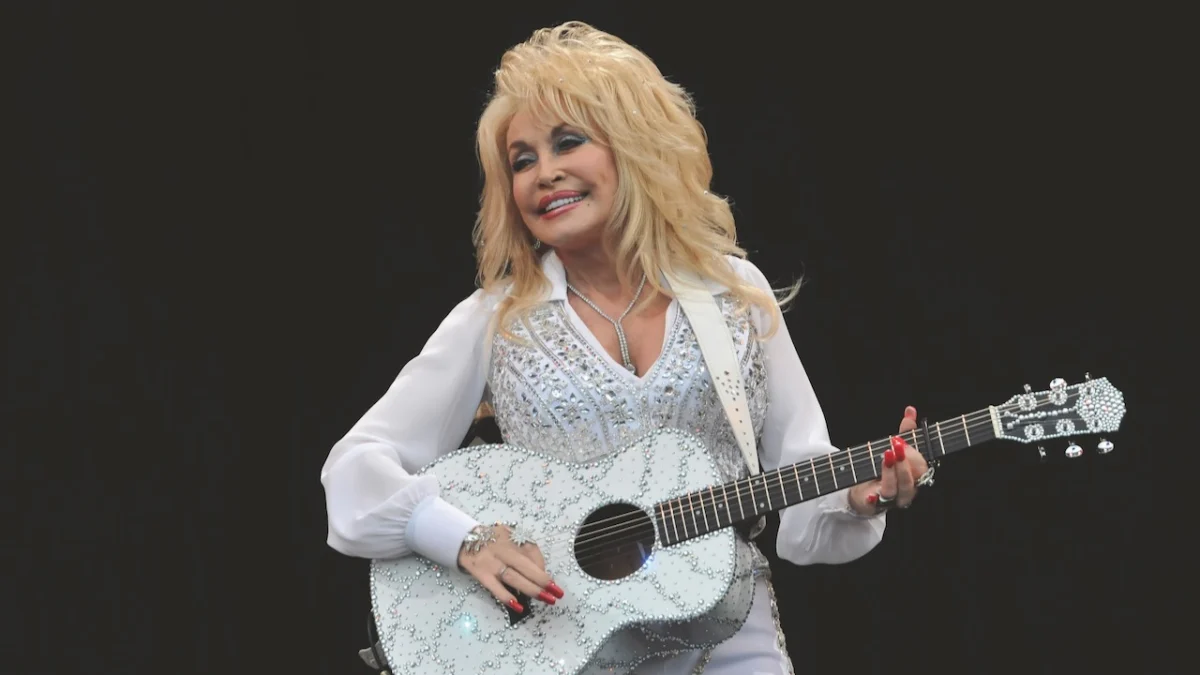
In the weeks following the passing of country music legend and global icon Dolly Parton on August 25, 2026, at the age of 80, the narrative surrounding her final months has shifted from one of mystery to a portrait of profound, deliberate altruism. While her sudden death in Nashville shocked a global fan base, details emerging from her immediate family reveal a meticulously managed private experience. Her sister, Stella Parton, provided the first major insight into these final days during an emotional interview with Gayle King for CBS Mornings, clarifying that the veil of secrecy surrounding the singer’s battle with cancer was a conscious choice intended to shield her loved ones and her audience from unnecessary sorrow.
A Cloistered Battle: The Decision for Privacy
For much of her career, Dolly Parton was a fixture of transparency, sharing her life, her hardships, and her triumphs with the public. However, as her health began to decline in the final year of her life, she opted for a starkly different approach. Stella Parton confirmed that the diagnosis was shared only with a small, intimate circle of relatives. This decision was rooted in the singer’s long-standing philosophy regarding emotional resilience.
"Some of us knew, the ones of us that were closer," Stella explained during her interview. She emphasized that Dolly, a woman who built a career on uplifting others, could not bear the thought of being a source of anxiety or grief. By keeping the diagnosis private, Dolly ensured that her interactions with her extended family remained focused on connection rather than clinical updates. Her aversion to dwelling on the negative was a defining trait, and in her final days, she remained committed to maintaining a sense of normalcy for those she loved most.
Chronology of the Final Year
The public’s concern for the country star had been mounting for months prior to the announcement of her death. While she continued to work on a sprawling slate of music, film, and television projects, the signs of her declining health became increasingly difficult to ignore.
- Late 2025 – Early 2026: Observers noted a decrease in public appearances. Several high-profile performances and promotional tours were canceled or quietly postponed, which representatives at the time attributed to "general health issues."
- August 25, 2026: Dolly Parton passed away in Nashville. Her management team released a brief statement noting a "brief battle with cancer," though they declined to specify the type of malignancy.
- August 26, 2026: The immediate aftermath saw a historic surge in interest, with streaming data confirming that Parton became the most-streamed artist in the world within 24 hours of her passing.
- September 10, 2026: The full interview with Stella Parton is scheduled to air, providing further context regarding the singer’s final wishes and her legacy.
Altruism Beyond the Grave: The Experimental Treatment Initiative
One of the most compelling revelations to emerge from Stella’s account is Dolly’s attitude toward her own mortality. Rather than retreating into isolation, the music legend remained focused on the potential for medical advancement. According to Stella, Dolly expressed a willingness to participate in experimental treatments, even when medical professionals advised that recovery was unlikely.
This was not a pursuit of life-extension for her own sake, but rather a calculated effort to contribute to scientific data that could assist future cancer patients. By testing experimental drugs, she sought to leave behind a map of efficacy and reaction that could potentially save others in the future. This act of "paying it forward" is consistent with a career defined by philanthropy, from her early work in education through the Imagination Library to her support for medical research and disaster relief.
The Management of a Legacy
While the personal side of her final days remained guarded, the professional side of Dolly Parton’s life was being meticulously organized for the future. Her representatives have confirmed that she left behind a vast "roadmap" of unreleased content. This includes a wealth of recorded music, screenplay drafts, and television concepts that are expected to sustain her presence in popular culture for years to come.
This strategic planning suggests a woman who was acutely aware of her own mortality and determined to exert control over how her legacy would be curated. By ensuring that her projects were organized and ready for development, she effectively shielded her collaborators and her estate from the chaos that often follows the death of a major cultural figure.
Public Response and Global Impact
The outpouring of grief following the news of her passing underscored the magnitude of her influence. From political leaders to independent musicians, the tributes reflected a collective sense of loss for a figure who transcended the genre of country music. The fact that she became the most-streamed artist in the world just 24 hours after her death is a testament to the enduring relevance of her catalog.
Stella Parton noted that this public reaction was exactly what her sister had hoped for—not necessarily as a tribute to her illness, but as a celebration of the music and the connection she had built with millions of people. "She’d be really happy and delighted that people have shown her so much love," Stella noted. The public’s desire to return to her music provided the comfort that Dolly had hoped to maintain during her life.
Analysis of Implications
The choice to keep a terminal illness private is a growing trend among public figures who wish to maintain agency over their narrative. By choosing to die on her own terms, away from the constant scrutiny of the paparazzi and the invasive nature of medical leaks, Dolly Parton was able to protect the sanctity of her final moments.
However, this secrecy also serves as a reminder of the immense pressure placed on celebrities to remain "on" for the public. The "brief battle" described by her team is a common euphemism in entertainment industry press releases, often used to preserve the dignity of the deceased. In this case, the decision appears to have been highly effective, as it allowed the world to remember her as a vibrant, working artist rather than as a patient under treatment.
The long-term implications for her estate are equally significant. With a clear roadmap left behind, the "Dolly Parton brand" is unlikely to suffer the decline often associated with the loss of a principal visionary. Instead, the upcoming releases will likely be viewed as the final chapters of a narrative she authored until the very end.
Conclusion
As the world continues to mourn, the picture that emerges is one of a woman who faced the end of her life with the same grace and strategic foresight that marked her legendary career. By prioritizing the peace of her family over the public’s need for information, and by volunteering for medical research even in her final days, Dolly Parton solidified her reputation as a person who truly lived for others.
The upcoming broadcast on CBS Mornings will likely provide further details on how her family is processing this transition. For now, the legacy remains: a life of immense musical achievement, a mountain of work still to be revealed, and the quiet, dignified memory of a woman who simply did not want those she loved to worry. The global phenomenon that was Dolly Parton has transitioned from an active participant in culture to an enduring, permanent institution, one that continues to give back even after the curtain has fallen.