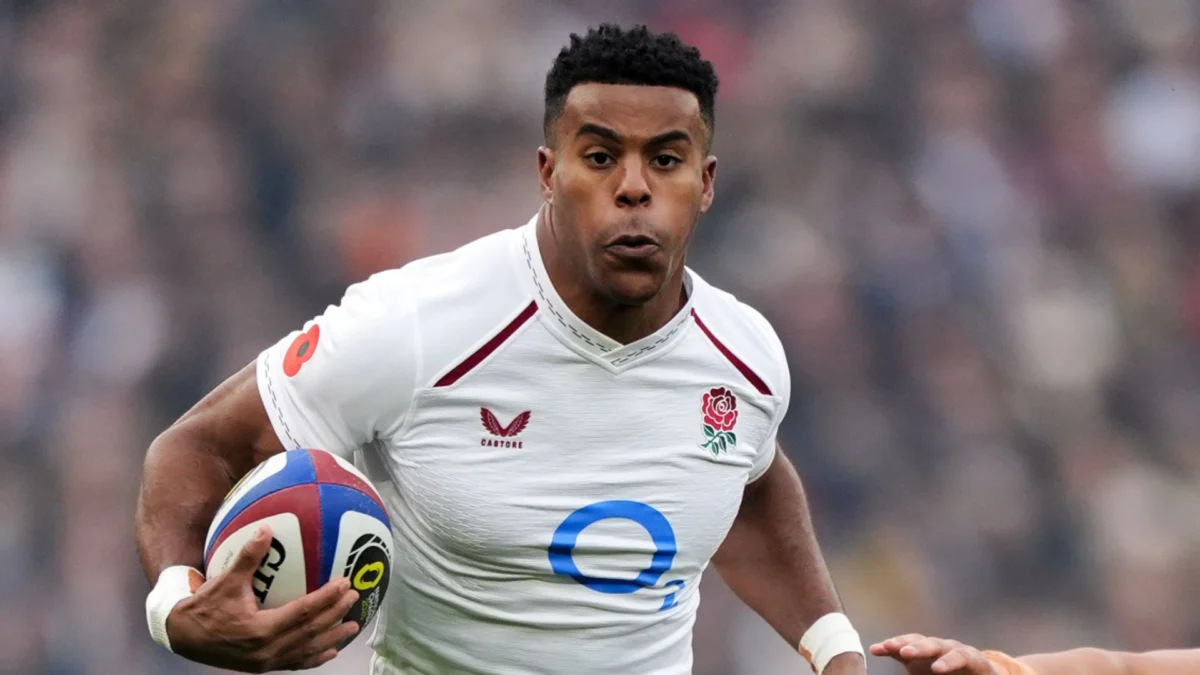
England head coach Steve Borthwick is navigating a mounting selection crisis at Pennyhill Park this week as he prepares his squad for their upcoming Nations Championship clash against Japan. The England camp confirmed on Monday that both Immanuel Feyi-Waboso and Tom Curry have been ruled out for the remainder of the competition, dealing a significant blow to the squad’s depth and tactical flexibility as they attempt to build momentum following their 45-22 victory over Australia at Twickenham.
The attrition rate within the England ranks has accelerated significantly over the last 48 hours. In addition to the long-term absences of Feyi-Waboso and Curry, Borthwick is managing a precarious injury list that includes Seb Atkinson, who suffered a hip injury during the second half of the Wallabies match, alongside shoulder and groin issues for Ollie Chessum and George Furbank, respectively. While the medical team remains optimistic that the latter trio could be available for the high-stakes encounter against New Zealand on November 21, their immediate participation against Japan is highly unlikely, forcing the coaching staff to reshuffle a side that had finally begun to find a cohesive rhythm.
A Chronology of the Injury Toll
The current injury cycle began in the lead-up to the Australia fixture. Tom Curry, a cornerstone of the England pack, was sidelined before kick-off after sustaining a hip injury during a training session. His absence forced a late tactical adjustment, though his brother, Ben Curry, stepped into the fray and delivered a standout performance. Following the match, Borthwick noted that while Ben Curry impressed, he is unlikely to shoulder the starting load against Japan, potentially as part of a managed workload strategy or due to the physical toll of the previous weekend’s high-intensity clash.
The situation worsened significantly during the match against the Wallabies. Immanuel Feyi-Waboso, who has become a vital component of England’s back-three, suffered a right-ankle injury in the first half following a controversial "hip-drop" tackle by Australia prop Angus Bell. The incident, which resulted in a sin-binning for Bell, forced an early departure for Feyi-Waboso. His replacement, Northampton Saints’ Henry Pollock, provided an immediate spark, scoring two tries and earning plaudits from Borthwick. However, the loss of Feyi-Waboso’s explosive carrying ability remains a tactical setback that the coaching staff must now solve via alternative personnel.
The Tactical Ripple Effect: Replacements and Adjustments
With the tournament schedule offering little respite, Borthwick has moved quickly to integrate new faces into the 36-man training squad. The arrival of Jack Kenningham and Max Hicks provides necessary back-row cover to compensate for the absences of Ben Curry and Ollie Chessum. Furthermore, the return of Archie McParland to training, following a calf injury, provides a boost to the half-back depth.
The selection headache extends to the backline. With Feyi-Waboso confirmed out, Saracens’ wingers Noah Caluori and Tobias Elliott are the primary candidates to fill the vacant berth. Caluori, who earned his debut against Fiji in July, is seeking his third international cap and represents a like-for-like replacement in terms of work rate and finishing ability. In the centers, the injury to Seb Atkinson necessitates a replacement at No 12, with Fraser Dingwall and Max Ojomoh emerging as the most probable candidates to partner the established midfield options.
At full-back, the absence of George Furbank is likely to see the return of Freddie Steward to the starting XV. Steward, known for his imperious aerial game and defensive reliability, offers a different tactical profile to Furbank, which may influence Borthwick’s kicking strategy against a Japanese side known for its high-tempo, expansive play. Marcus Smith, meanwhile, is expected to remain in a utility role off the bench, providing the necessary creative spark should the match become a tactical chess match in the final quarter.
Statistical Context and Team Performance
The 45-22 victory over Australia served as a barometer for England’s progress under Borthwick. Statistically, the match highlighted an improved efficiency in the red zone and a more clinical edge in the attacking third. However, the high-octane nature of the match—which saw multiple injuries sustained—raises questions regarding the sustainability of England’s current training load.
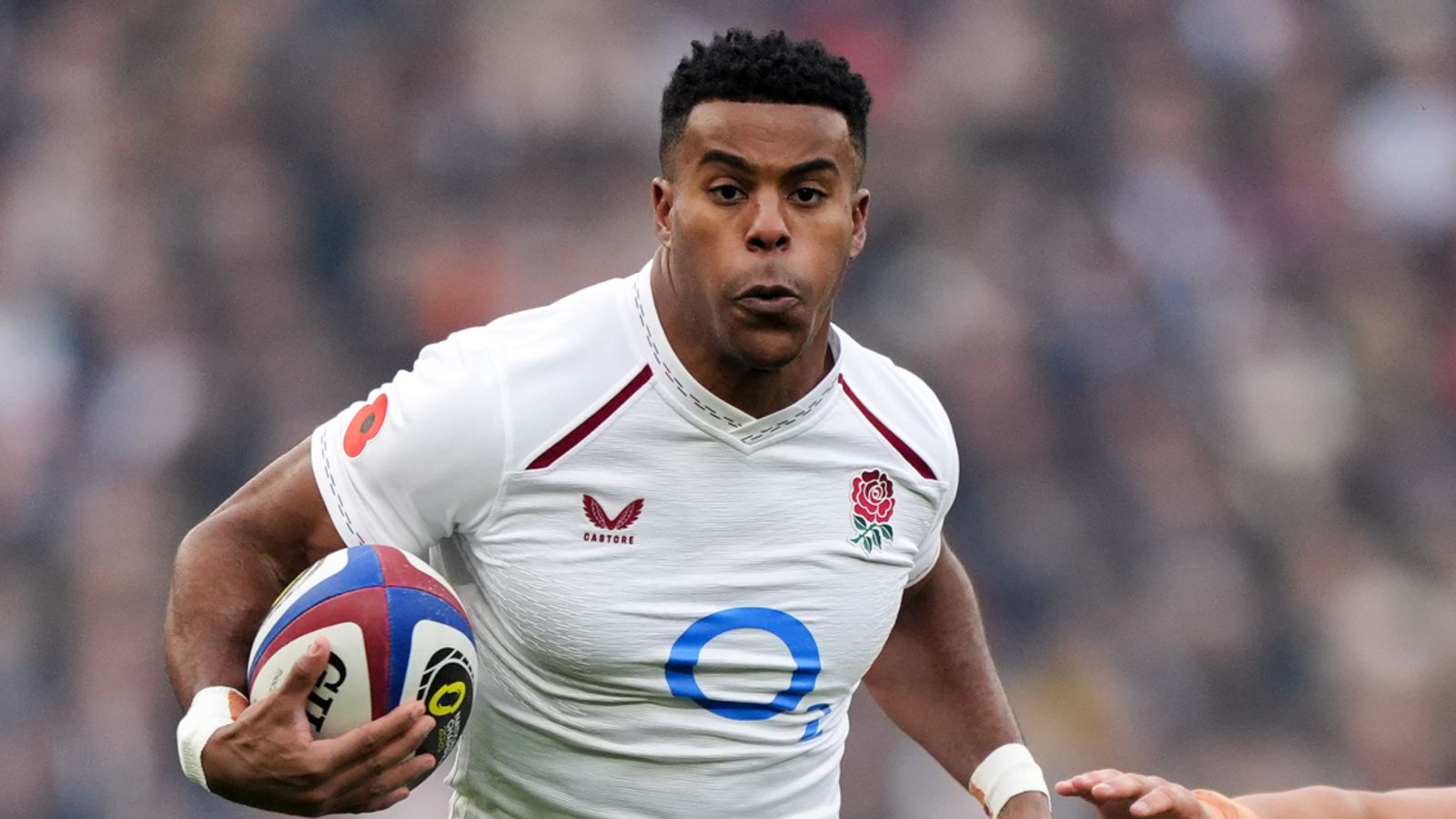
England’s upcoming match against Japan represents more than just a fixture; it is an opportunity for the squad to demonstrate its "next man up" mentality. The depth of the squad is being tested to its limit, and the performance of players like Henry Pollock serves as a testament to the competition for places within the current set-up. Pollock’s dual-try effort off the bench was a significant highlight, and his ability to adapt to the rigors of Test rugby at such short notice will be crucial in the coming weeks.
Official Response and Organizational Outlook
Following the Australia match, lock Maro Itoje offered a public and passionate defense of Borthwick’s leadership. Amidst external speculation regarding team selection and tactical direction, Itoje emphasized the unity within the squad, suggesting that the current injury crisis is being met with a collective determination rather than frustration. This internal cohesion is vital as the team faces the prospect of navigating the remainder of the Nations Championship without two of its most prominent figures in Feyi-Waboso and Curry.
The medical staff at Pennyhill Park is currently operating under a rigorous recovery protocol for the remaining sidelined players. The target date of November 21 for the New Zealand match is the primary focus, with the coaching staff opting to prioritize long-term fitness over short-term risk against Japan. This conservative approach to player welfare is consistent with modern elite rugby standards, where the risk of re-injury is heavily weighted against the immediate needs of the fixture list.
Broader Implications for the Nations Championship
The Nations Championship remains a grueling tournament, and the accumulation of injuries is a reality that every participating nation must contend with. For England, the implications of these absences are twofold: they limit the strategic continuity Borthwick has been attempting to establish, but they simultaneously provide a platform for fringe players to audition for long-term squad roles ahead of future international cycles.
If England can navigate the Japan fixture with a victory despite the current disruption, it will be a significant indicator of the team’s resilience. The ability to maintain performance levels while rotating personnel is a hallmark of top-tier international rugby sides. As the squad reconvened on Monday, the focus was firmly on maintaining the defensive structure and the breakdown efficiency that underpinned their success at the weekend.
The inclusion of players such as Asher Opoku-Fordjour and Emmanuel Iyogun in the training squad highlights a focus on future-proofing the forward pack. These young prospects are being integrated into the system, not just as cover, but as essential contributors to the ongoing development of the England identity.
Conclusion
As England looks toward the weekend, the message from the coaching staff remains one of calculated preparation. While the loss of Immanuel Feyi-Waboso and Tom Curry is undoubtedly a blow to the starting lineup’s potency, the structure of the 36-man squad is designed to withstand such fluctuations. The test against Japan will provide a clear view of how successfully the squad can absorb these losses.
The upcoming matches in the Nations Championship will ultimately be defined by how the team manages the dual challenges of physical recovery and tactical adjustment. With the New Zealand match looming on the horizon, Borthwick will be eager to secure a win this Saturday to keep England in a strong position within the tournament standings. The resilience of the side, tested by this latest wave of injury setbacks, will be the defining factor in their performance at Allianz Stadium in the coming weeks. The focus now turns to the training pitch, where the reshuffled side will aim to prove that their strength lies not in individuals, but in the collective commitment of the entire squad.