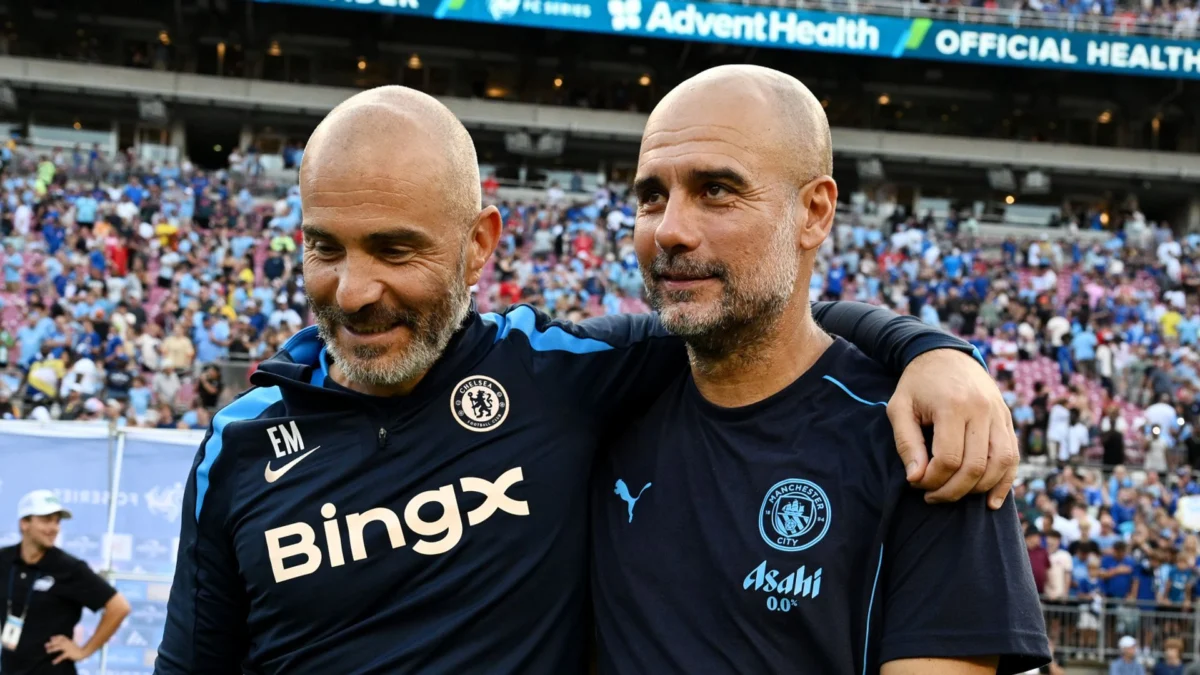
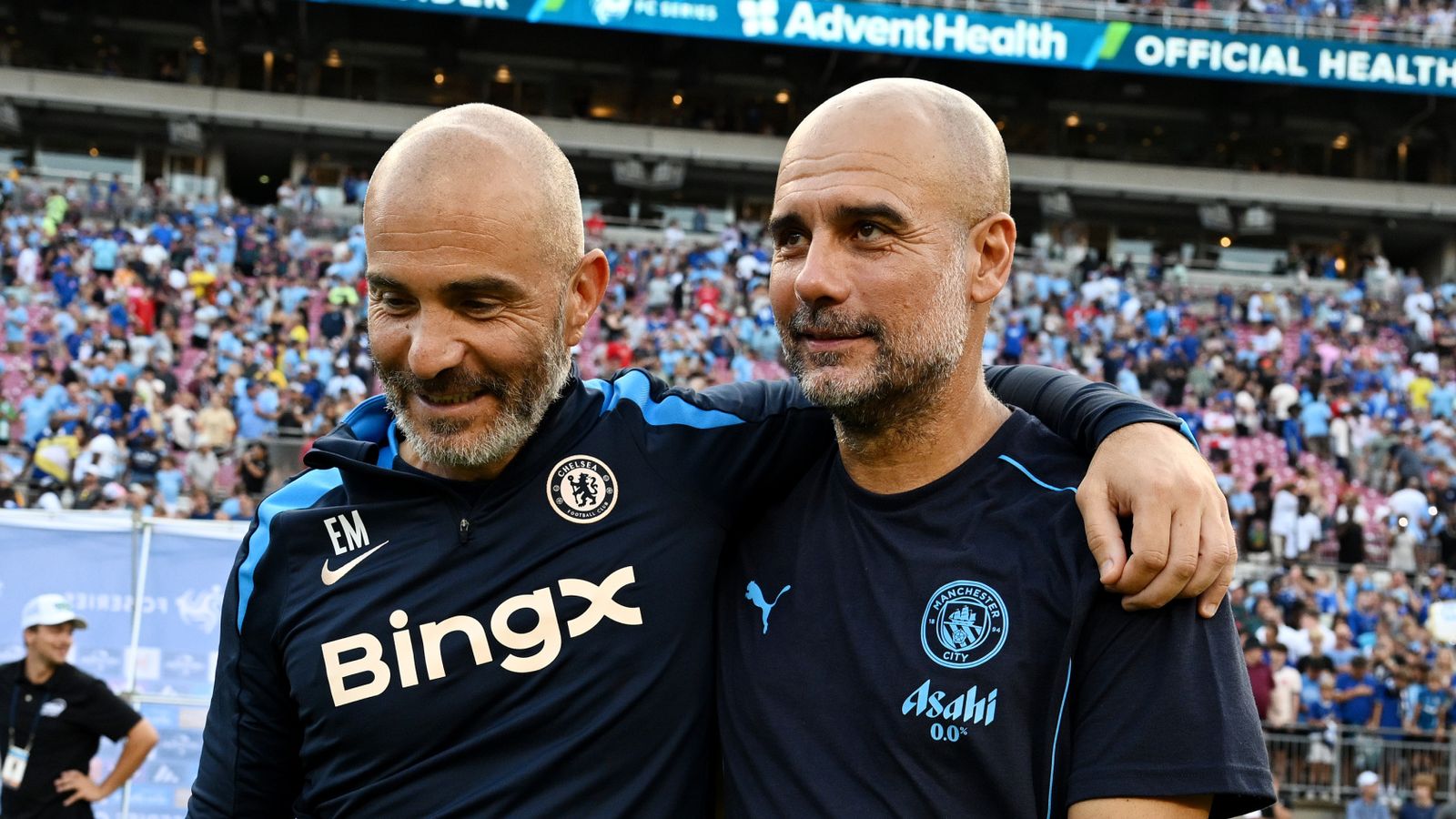
Manchester City embarks on a new managerial chapter with the appointment of Enzo Maresca, a move that signifies a deliberate strategy to maintain the club’s trajectory of success following Pep Guardiola’s transformative tenure. Maresca, a familiar face at the Etihad Campus, returns for his third stint, having previously served as an academy coach and, crucially, as Guardiola’s assistant during the iconic 2022-23 season that saw City achieve an unprecedented Premier League, Champions League, and FA Cup treble. While Maresca possesses an intimate understanding of the club’s winning culture and the pursuit of elite silverware, the monumental task of replicating Guardiola’s unparalleled success places him under immediate scrutiny. Sky Sports football journalists Ben Ransom and Laura Hunter delve into the intricacies of Maresca’s initial prospects, examining whether trophies will be the sole metric of his success in the shadow of Guardiola’s seismic departure.
A Sympathetic Opening Schedule Offers a Crucial Runway
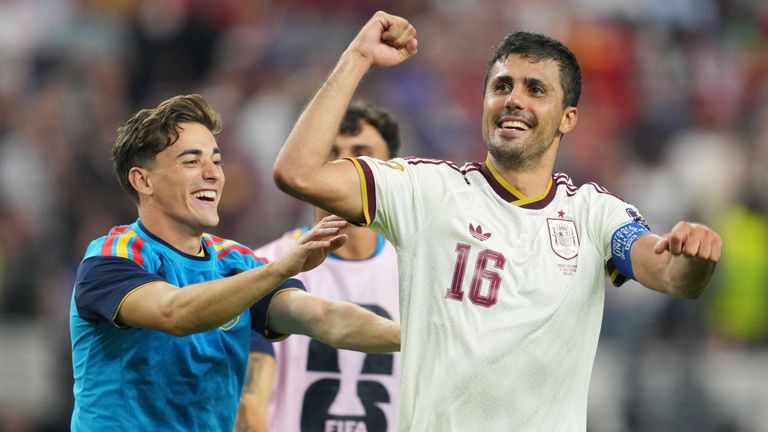
Maresca’s introduction to the helm has been met with a schedule designed to ease him into the demanding Premier League environment. The opening fixtures against Bournemouth, Crystal Palace, and Coventry City present a statistically favourable opportunity for Maresca to establish an early rhythm and implement his tactical blueprints. This benevolent run also serves as a strategic advantage for Manchester City’s contingent of World Cup participants, many of whom endured extensive campaigns and faced significant fatigue. Players like Rodri, who played a near-complete role in Spain’s triumphant World Cup journey, are particularly susceptible to burnout. The initial fixtures, which City is heavily favoured to win even without their key international players fully integrated, will allow for a phased return, mitigating the risk of injury and ensuring their optimal readiness for more challenging encounters.
However, this perceived ease of schedule also intensifies the pressure on Maresca to deliver immediate results. The early winnable fixtures are seen as a platform to build momentum and avoid conceding ground in the title race. The true test of his tenure will likely emerge in September, with consecutive clashes against fierce rivals Manchester United and Liverpool. These high-stakes encounters will not only define City’s early season standing but also serve as significant barometers of Maresca’s tactical acumen and his ability to motivate his squad against top-tier opposition.
Maresca himself acknowledged the "dream situation" he finds himself in upon his appointment, inheriting a squad brimming with talent and depth, meticulously assembled by Guardiola. "It provides the consistency I need to do my job effectively," he stated, underscoring the advantage of a well-established foundation. The expectation, therefore, is that the demands placed upon Maresca will mirror those that were consistently applied to Guardiola. While Maresca enjoys a strong rapport with Chairman Khaldoon Al Mubarak, it remains to be seen whether he will be afforded the same degree of managerial autonomy that Guardiola, who consistently managed on his own terms, enjoyed throughout his reign.
Adapting to a New Tactical Paradigm
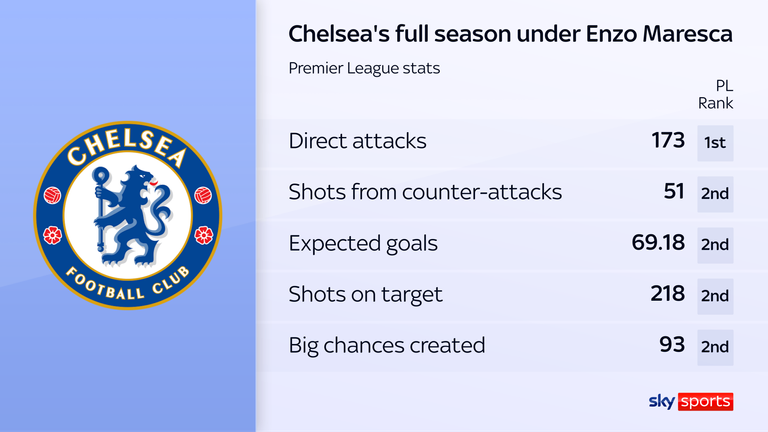
While stylistic continuity is anticipated, Maresca’s approach is not a mere carbon copy of Guardiola’s. Both managers are proponents of possession-based football, emphasizing control and aggressive pressing. However, Maresca is understood to favour a more expansive style, utilizing wingers positioned higher and wider to stretch the opposition. This contrasts with the more intricate rotations and central overloads that characterised City’s wing play under Guardiola, where wingers often tucked inside.
Maresca’s preferred formation, often a 4-2-3-1, suggests a greater reliance on more defined player roles compared to Guardiola’s fluid positional interchanges. During the Guardiola era, defenders frequently advanced into midfield, midfielders transitioned into forward lines, and full-backs were often occupied in deeper defensive roles. Maresca’s system is likely to necessitate a high-functioning attacking midfielder to link play effectively. At Chelsea, Cole Palmer fulfilled this role with distinction. At Manchester City, Maresca has a wealth of options, including Phil Foden, who has demonstrated his versatility and creative prowess in advanced midfield positions, and potentially the exciting prospect of Rayan Cherki, should he be acquired.
The tactical transition requires players to adapt to potentially more rigid structures. The emphasis on stretching the pitch with wide wingers, for instance, could demand a different kind of positional discipline from the likes of Bernardo Silva and Jack Grealish, who have been integral to City’s intricate attacking patterns. The players’ ability to grasp and execute these new tactical nuances swiftly will be a critical factor in their early season performance.
Squad Evolution: Balancing Youthful Promise with Experienced Leadership
Manchester City’s recruitment strategy in recent transfer windows, spearheaded by Hugo Viana, has demonstrably focused on lowering the average age of the squad. The team’s average age has reportedly decreased from 29 to just over 25. This strategic rejuvenation, however, has coincided with a perceived leadership void following the departures of influential figures such as Bernardo Silva and John Stones, and Kevin De Bruyne prior to them.
Key figures like Rodri and Ruben Dias remain pivotal to the team’s stability and performance. Last season also witnessed an increased emphasis on Erling Haaland’s leadership qualities on the pitch. Experienced and reliable players such as Marc Guehi, Josko Gvardiol, and Mateo Kovacic provide a strong spine to the team, offering both defensive solidity and midfield control.
Recent transfer activity suggests a deliberate effort to inject both immediate impact and future potential into the squad. The acquisition of Elliot Anderson from Nottingham Forest for a record-breaking £116 million, as reported by Sky Sports News, highlights a significant investment in bolstering the midfield and securing long-term prospects. This move, coupled with the capture of young Jeremy Monga from Leicester City, underscores the club’s commitment to integrating emerging talent.
Further reinforcements are reportedly being sought, with a right-back and a winger high on the club’s wishlist. Additionally, Manchester City is reportedly monitoring the progress of Lille teenager Ayyoub Bouaddi, a talent who impressed during the World Cup for Morocco and has also attracted the attention of Arsenal. The potential for outgoings also exists, with players such as Savinho, Omar Marmoush, Nico Gonzalez, Jack Grealish, Tijjani Reijnders, and Rico Lewis being subject to potential transfer valuations. The conclusion of the World Cup is expected to accelerate transfer activity as clubs finalize their squads for the upcoming season.
Navigating the Uncharted Territory of Post-Guardiola Ambition
The appointment of Maresca marks a significant departure from the club’s strategic vision established after the Abu Dhabi takeover. For the past decade, the club’s primary objective was to assemble a team and infrastructure capable of attracting and retaining Pep Guardiola. With Guardiola’s departure, Manchester City finds itself at a crossroads, tasked with redefining its long-term vision and strategic direction.
Manchester City has cultivated a powerful culture centered on the pursuit of silverware, and any sustained deviation from this winning mentality is unlikely to be tolerated by the club’s demanding fanbase. Supporters arriving at the Etihad Stadium anticipate not only entertaining football but, crucially, victory. The challenge for Maresca, and indeed for any successor to Guardiola, lies in the delicate equilibrium between maintaining this relentless pursuit of trophies and delivering the aesthetically pleasing brand of football that has become synonymous with the club. Maresca’s tenure at Chelsea, where he experienced mixed results in balancing these two imperatives, provides a pertinent case study.
Despite the inherent pressure, Maresca benefits from a dynamic Premier League landscape. The emergence of other top clubs also undergoing managerial transitions – such as Andoni Iraola at Liverpool, Xabi Alonso at Chelsea, and potentially Michael Carrick at Manchester United – creates an environment of flux. This era of managerial uncertainty, as reported by Sky Sports, presents an opportunity for ambitious managers like Maresca to make a significant impact and establish their own legacy. The prevailing sentiment within Manchester City appears to be one of seizing this moment of transition as a strategic advantage.
The Shadow of the 115 Charges
Looming over Manchester City’s present and future are the 115 Premier League charges, a legal entanglement that continues to cast a shadow of uncertainty over the club. Maresca, like his predecessor, will inevitably face persistent and challenging questions from the media regarding this ongoing saga. Guardiola, a master of navigating the complexities of media scrutiny throughout his illustrious career at Europe’s most prominent clubs, developed a formidable ability to control press conferences and deflect or shut down inquiries he deemed unproductive.
Maresca experienced his share of media criticism during his time at Chelsea, though primarily focused on footballing matters. His capacity to effectively manage the narrative surrounding the 115 charges, particularly if a verdict is reached within his first year at the helm, will undoubtedly shape perceptions of his tenure during this critical initial period. The resolution of these charges, whenever it may occur, will have profound implications for the club’s standing and Maresca’s ability to operate without this persistent external pressure.
Enzo Maresca is scheduled to hold his inaugural press conference as the new Manchester City manager on Friday, July 24th. Sky Sports will provide comprehensive coverage of his remarks through a dedicated live blog.