
With the arrival of autumn, astronomers and amateur stargazers alike are preparing their optics for the extended hours of darkness that define the season. The transition to earlier sunsets provides a significant advantage for observational astronomy, opening up optimal windows for deep-sky imaging and planetary tracking before the onset of winter temperatures. Autumnal observing conditions offer a practical compromise: cooler ambient air provides more stable atmospheric viewing than turbulent summer evenings, yet temperatures remain manageable before the deep freezes of January and February.
The coming months—spanning September, October, and November 2026—deliver a diverse calendar of astronomical milestones. Highlights include planetary oppositions for Neptune, Saturn, and Uranus, multiple active meteor showers featuring unique radiant geometries, and the year’s premier full supermoon. Whether utilizing advanced smart telescopes, traditional Newtonian reflectors, or simply the unaided eye, observers will find a wealth of targets crossing the night sky.
Planetary Oppositions and Lunar Events
The outer solar system takes center stage during the early fall months as several gas and ice giants reach opposition—the exact alignment where Earth passes directly between the outer planet and the sun. This positioning brings the planets closest to Earth for the year, maximizing their apparent brightness and angular size.
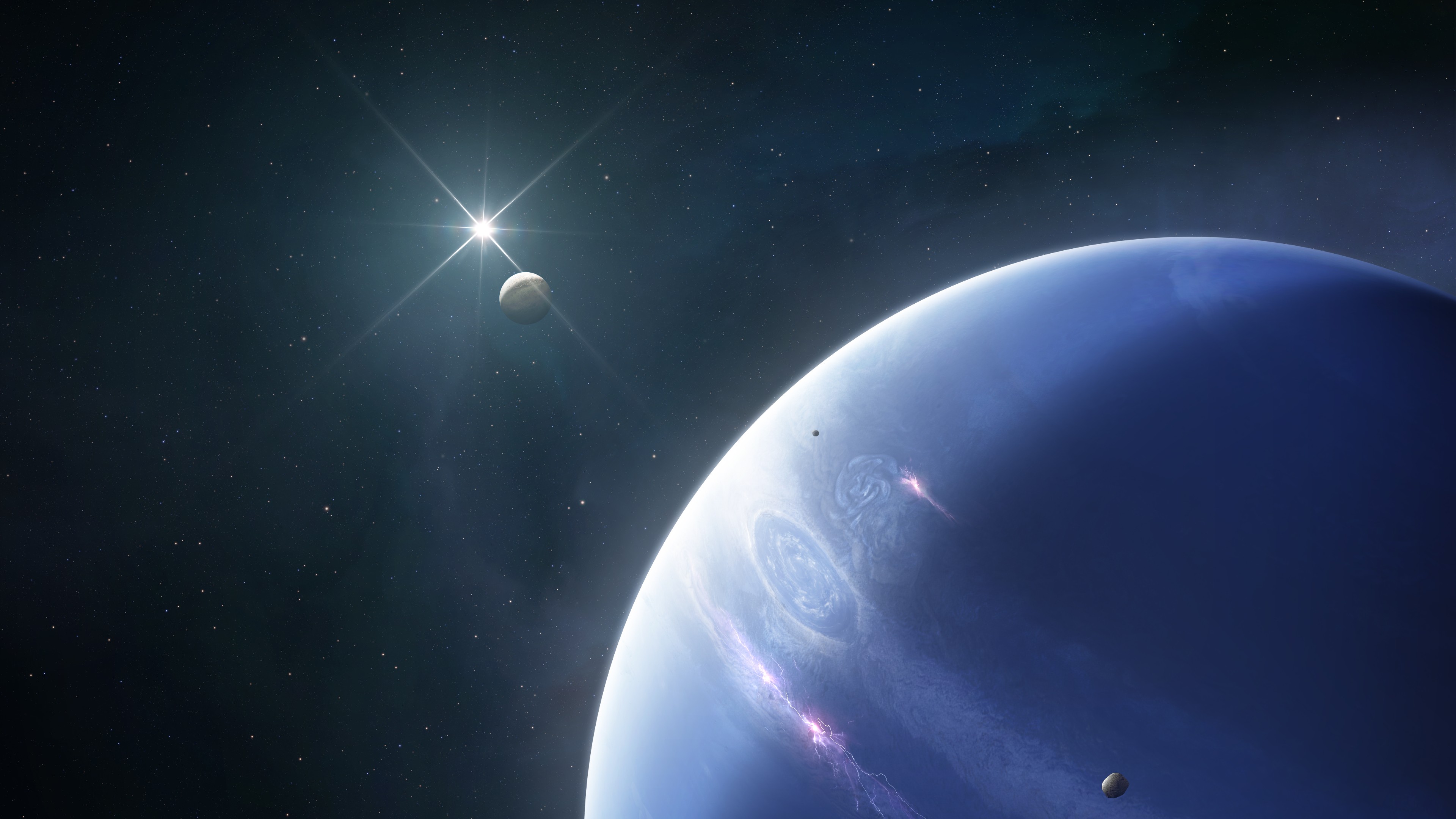
Neptune initiates the opposition window on September 26, 2026, at 02:00 UTC. Shining at a faint magnitude of +7.8, the distant ice giant requires at least a 6-inch aperture telescope to resolve, though 8 inches or larger is strongly recommended. Observers will need high-powered eyepieces in the 6mm to 9mm range or a quality Barlow lens. Because Neptune is situated nearly 2.7 billion miles from Earth, even high magnification reveals only a tiny, featureless blue disc. Astronomers advise waiting until the new moon phase in early October to avoid wash-out from lunar illumination, as the opposition window spans several weeks.
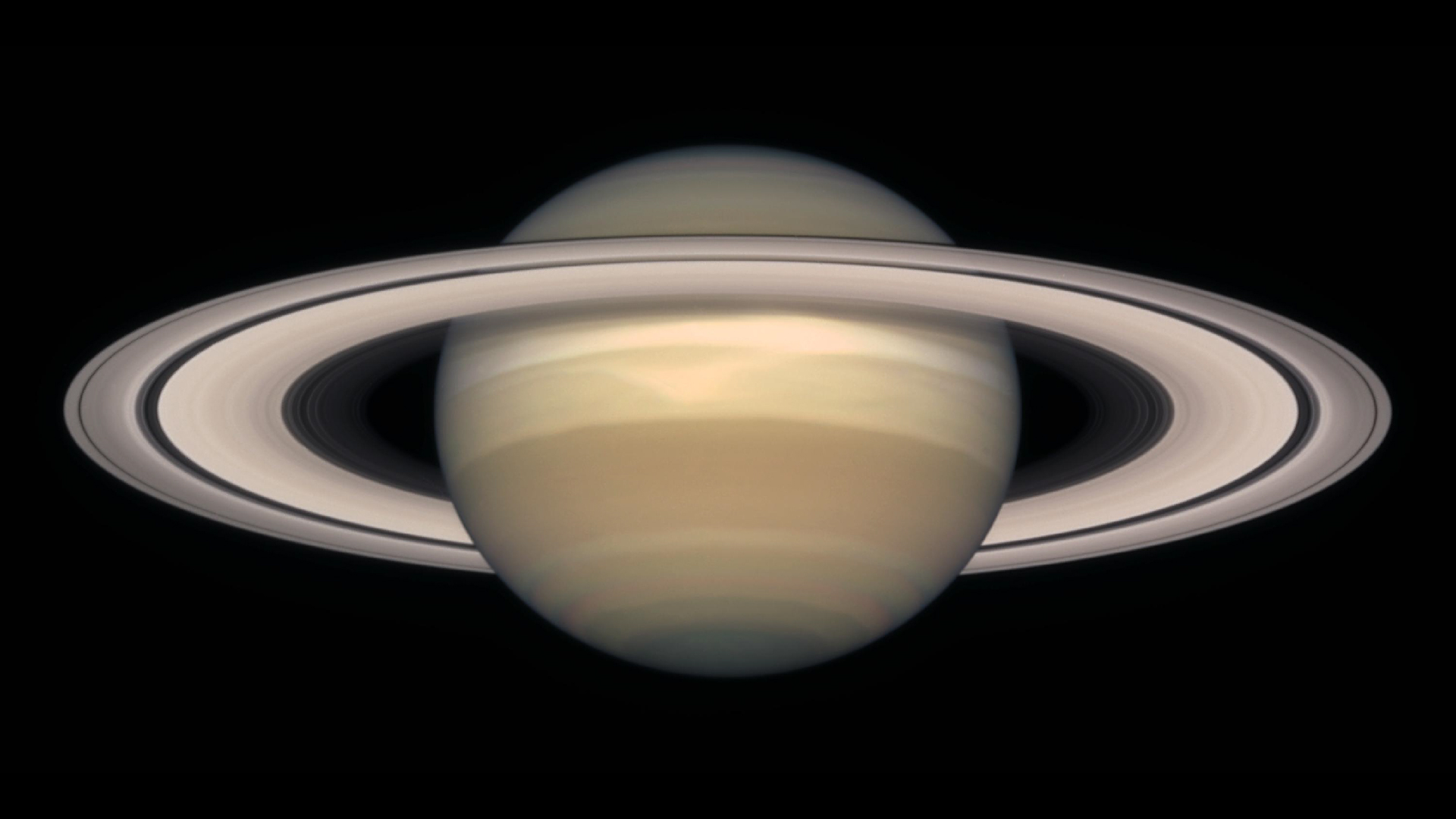
Saturn follows closely on October 4 at 12:00 UTC. Reaching a prominent magnitude of +0.3, the ringed planet is easily visible to the naked eye as a steady yellowish "star" in the evening sky. Telescopes with apertures of 4 to 5 inches will resolve Saturn’s iconic ring system—currently at a partial tilt—while larger instruments allow observers to discern the Cassini Division, the distinct gap within the main rings. Because the moon will be less than 50% illuminated and will not rise until past midnight, early evening viewing conditions will remain exceptionally clear.
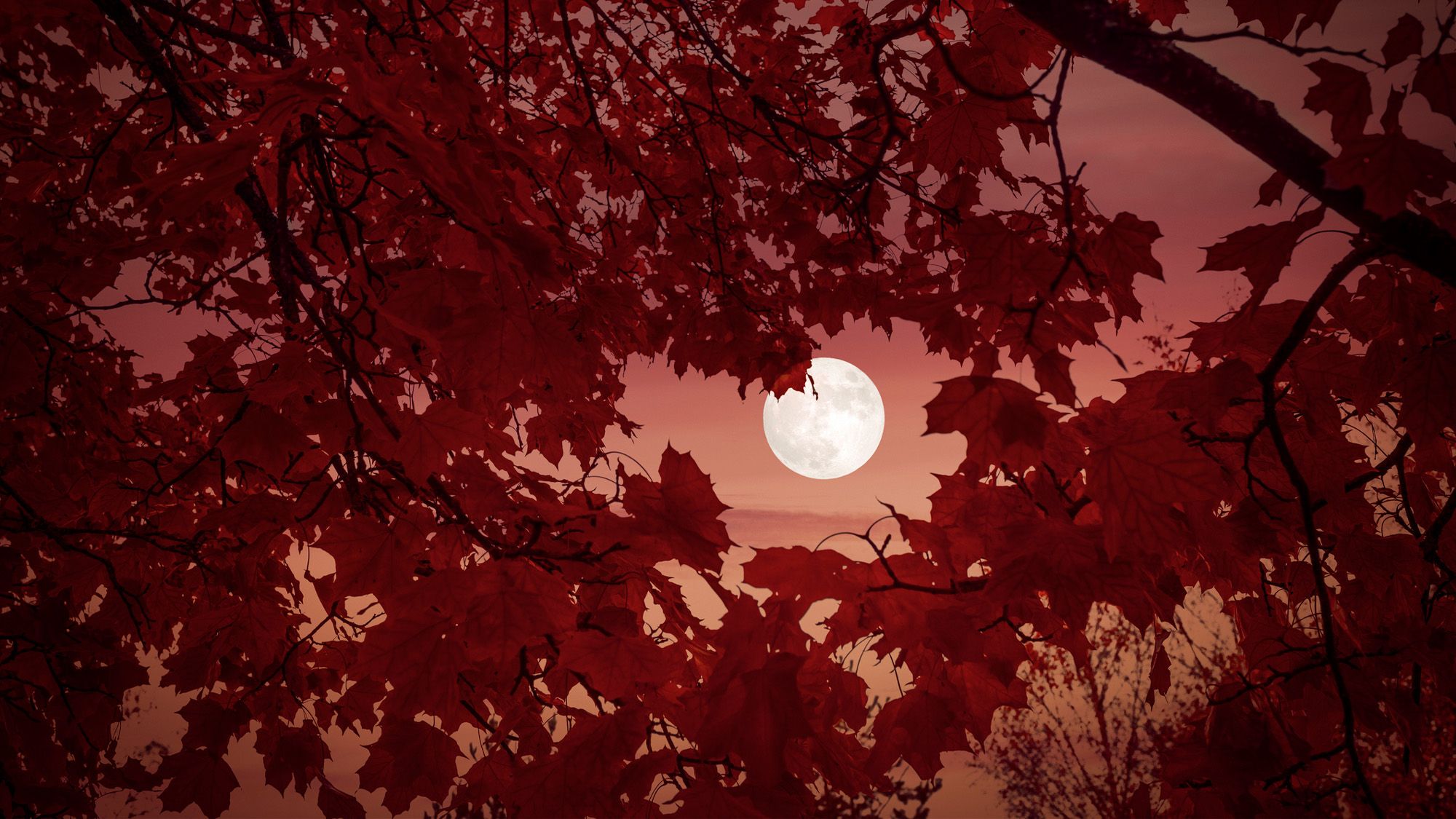
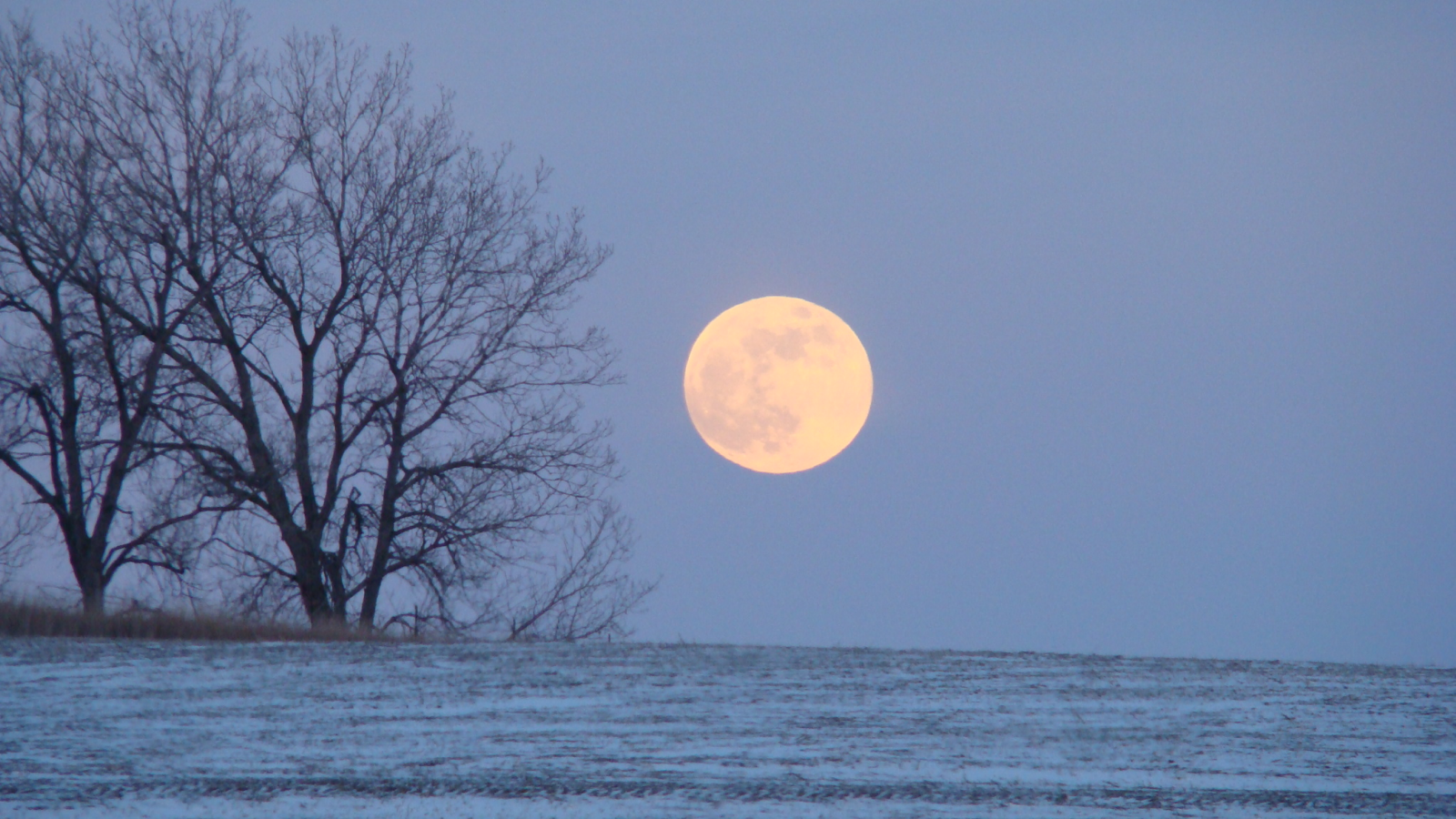
November brings a shift toward lunar prominence with the arrival of the year’s first full supermoon on November 24. Known traditionally as the Beaver Moon, this perigean full moon coincides with the lunar orbit’s closest approach to Earth, making it appear roughly 15% brighter and slightly larger than an average full moon. Prior to this event, standard full moons will occur on September 26 and October 26.
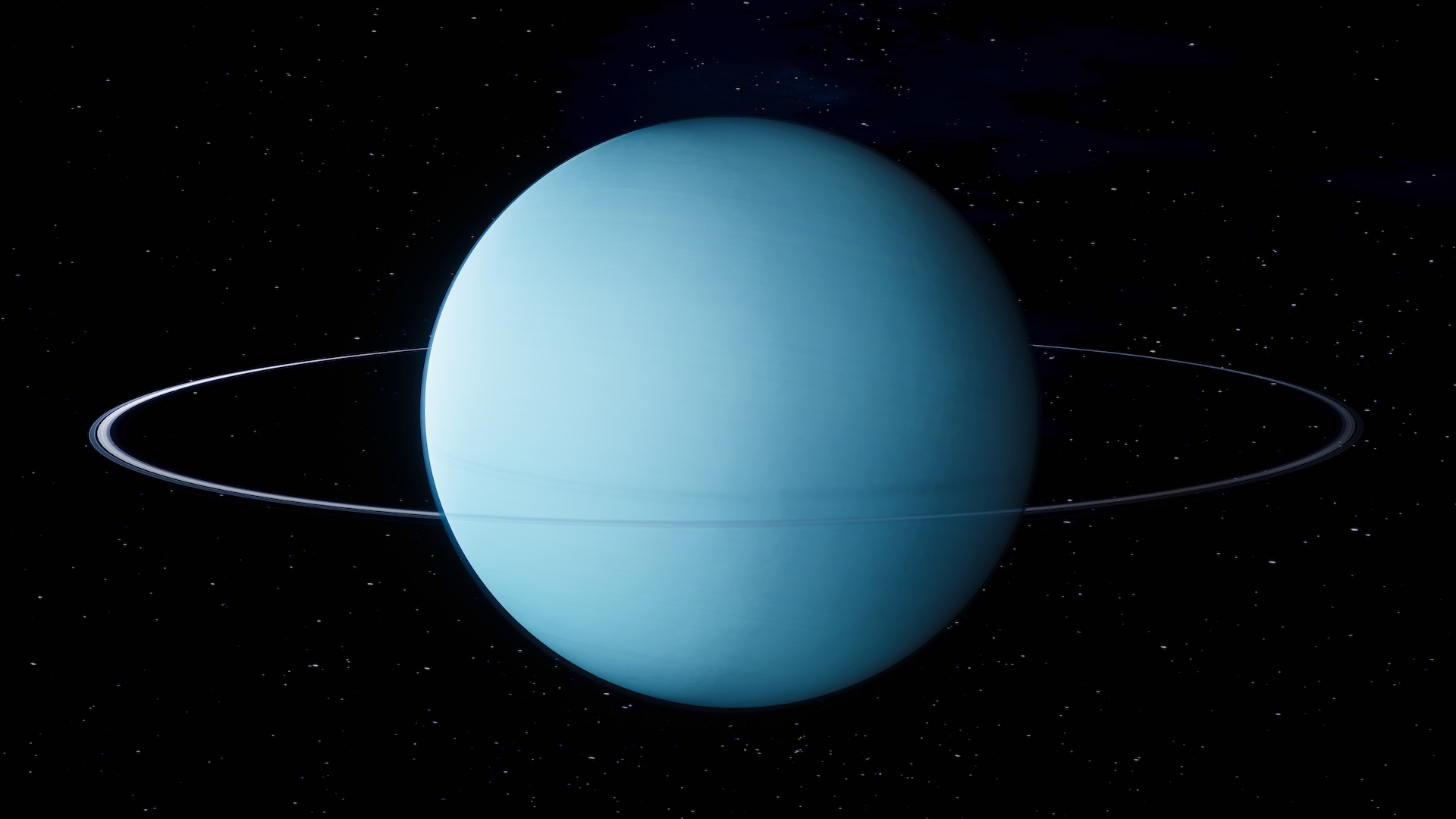
Uranus concludes the planetary opposition season on November 25 at 23:00 UTC. Similar to Neptune, Uranus demands a substantial telescope (6 to 8 inches of aperture minimum) to distinguish its characteristic turquoise coloration. Observers are once again encouraged to schedule their sessions during the new moon window to minimize light interference.
Active Meteor Showers of Autumn 2026
The autumn meteor shower calendar provides consistent opportunities for both casual watchers and astrophotographers, requiring little more than clear skies, dark adaptation, and patience.
The Draconids kick off the season, remaining active from October 6 through October 10 and peaking on the night of October 8–9. Unlike most meteor showers that require late-night vigils, the Draconids favor early evening viewing because the radiant point in the constellation Draco reaches its highest altitude around nightfall. Originating from the debris trail of comet 21P/Giacobini-Zinner, the shower typically yields 6 to 10 meteors per hour under ideal conditions. A thin crescent moon will present virtually no interference.
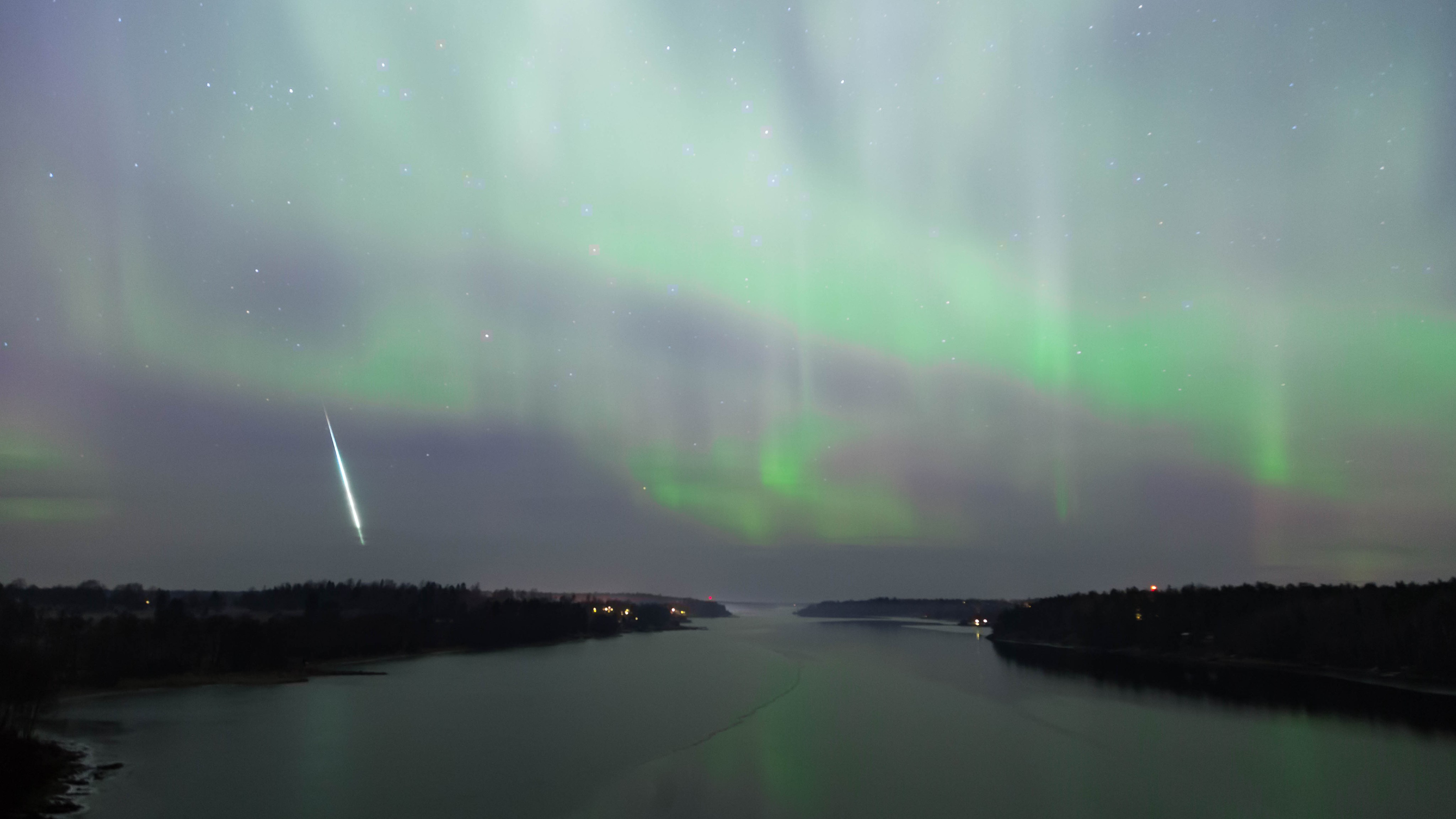
The Orionids follow later in October, active from October 2 to November 7 and peaking on the night of October 21–22. Generated by the passage of Earth through the historic debris field of Halley’s Comet, the Orionids produce between 10 and 20 meteors per hour. While a waxing gibbous moon will introduce light pollution early in the night, the moon sets between 03:12 AM and 04:15 AM local time across the United States, leaving a pristine window of dark skies before dawn.
The Taurids offer a prolonged viewing opportunity split into two distinct streams: the Southern Taurids (active September 10 to November 20, peaking November 4–5) and the Northern Taurids (active October 20 to December 10, peaking November 12). Although the overall rate is modest—averaging roughly 5 meteors per hour—the Taurids are renowned for producing exceptionally bright, slow-moving fireballs that leave persistent ionized trails, making them prime targets for beginner astrophotography setups.
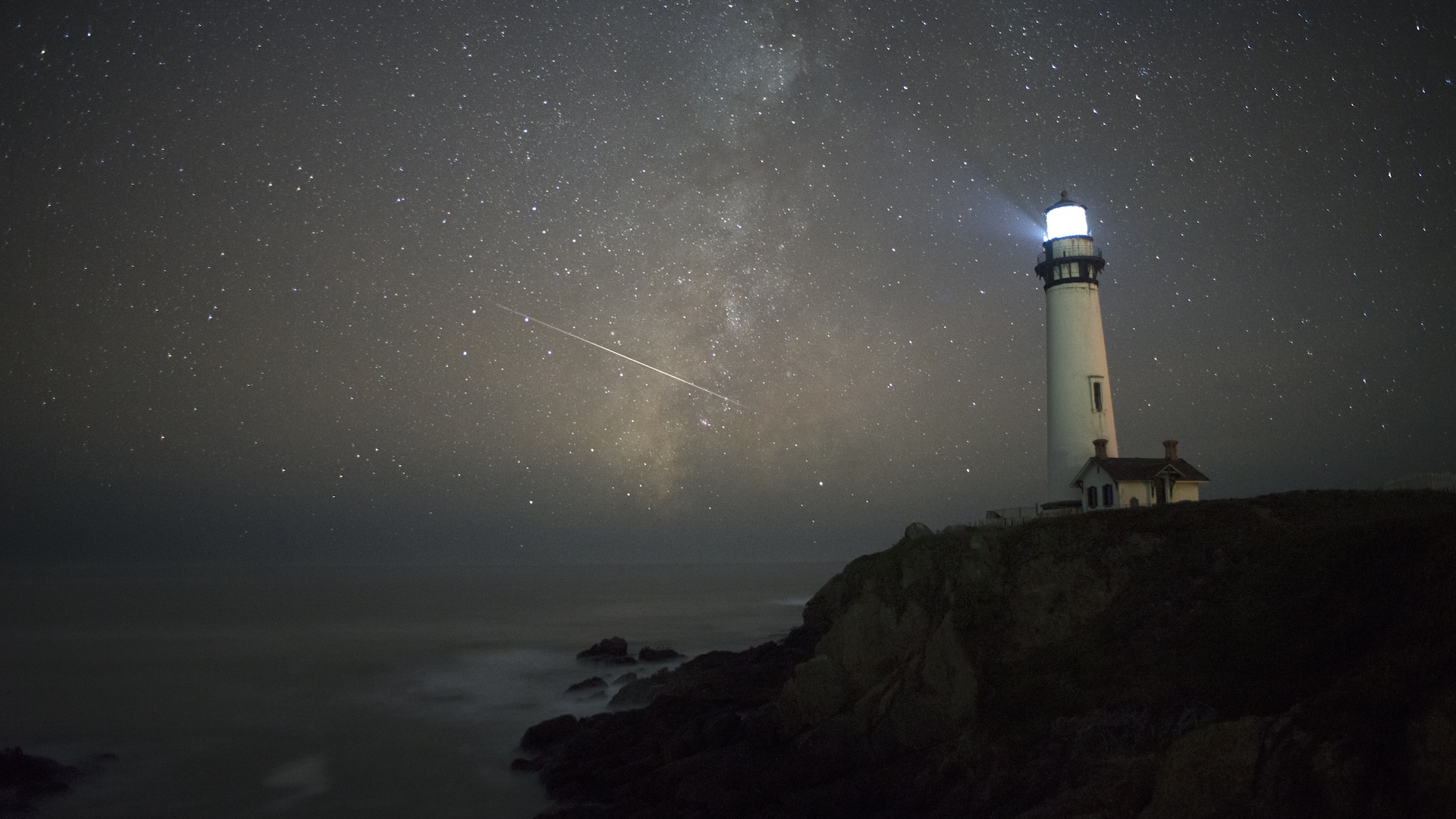
Rounding out the season, the Leonids run from November 6 to November 30, peaking on the night of November 17–18. Associated with the repeat orbit of comet 55P/Tempel–Tuttle every 33 years, the Leonids deliver 10 to 15 meteors per hour. A first-quarter moon will set around midnight, clearing the path for optimal viewing between midnight and 04:00 AM.
Constellations, Star Clusters, and Deep-Sky Treasures
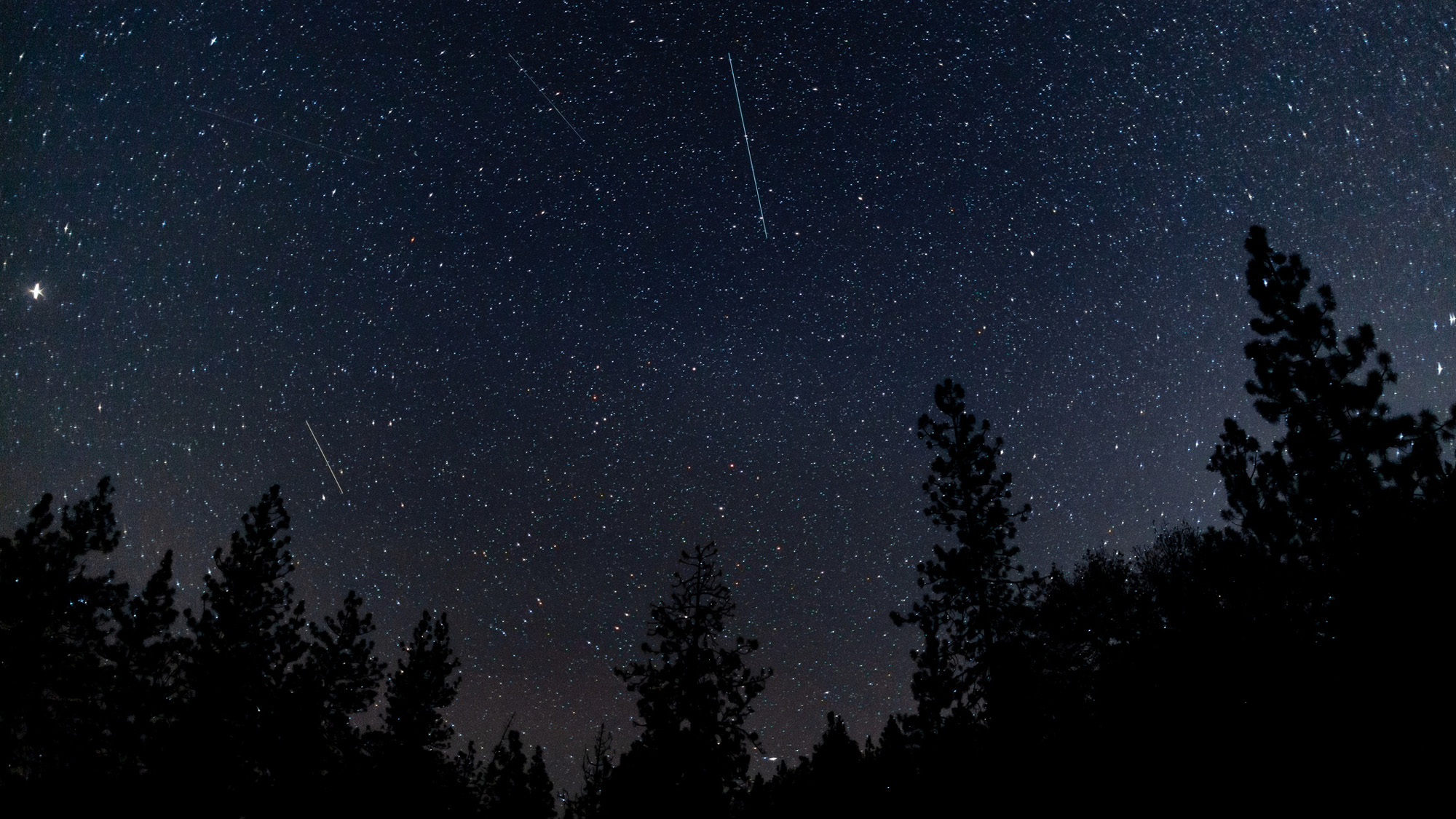
As autumn deepens, classic northern constellations ascend to their highest points in the sky, reducing atmospheric distortion and bringing faint deep-sky targets into sharper focus.
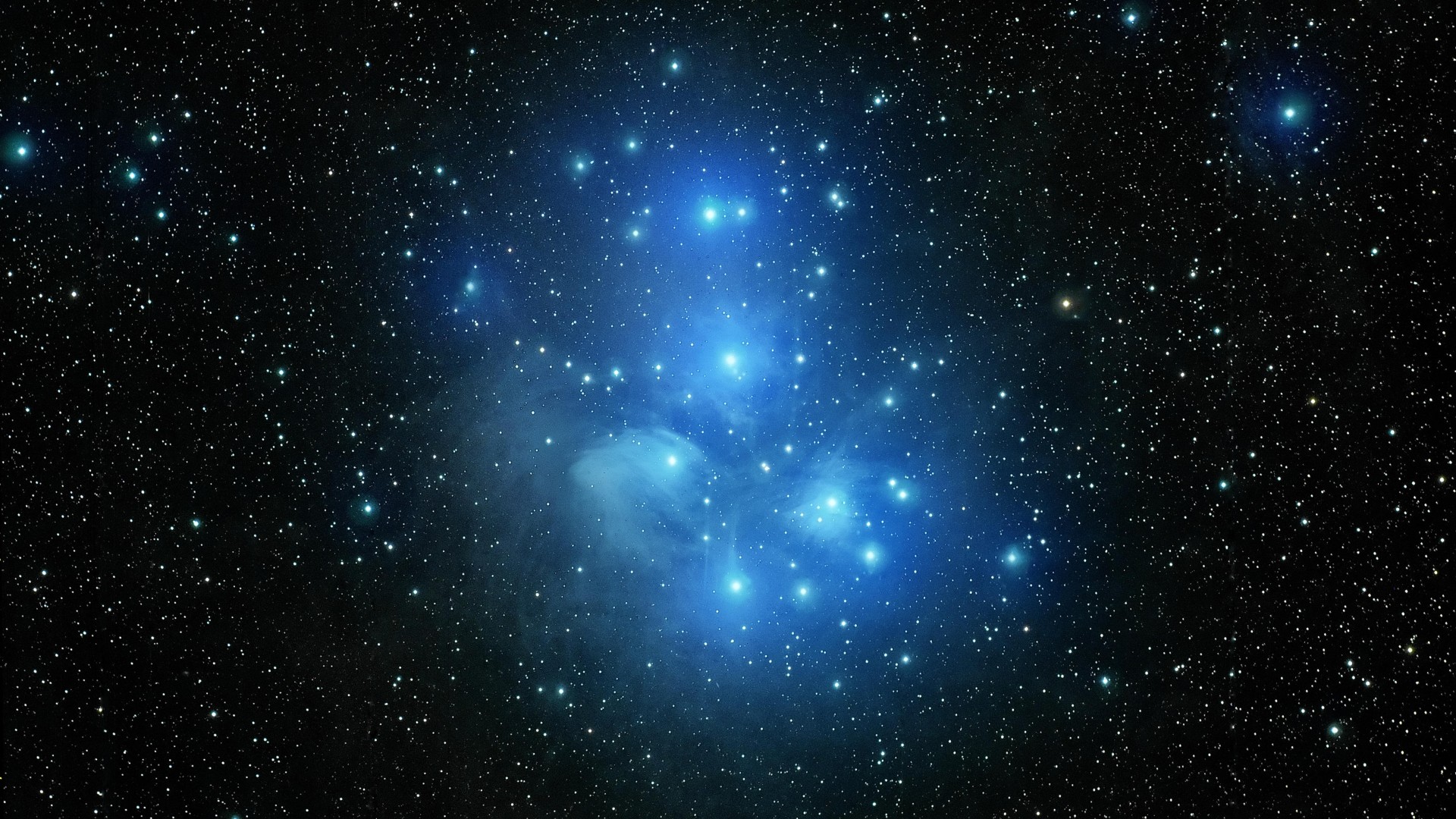
The Pleiades (Messier 45), an open cluster located roughly 440 light-years away in the constellation Taurus, becomes a prominent fixture of the autumn sky. Visible to the naked eye as a tight, hazy dipper-shaped asterism, the cluster reveals dozens of young, hot blue stars when viewed through binoculars or small telescopes. Astrophotographers targeting the Pleiades with smart telescopes are advised to schedule sessions when the cluster rises past an altitude of 50 to 60 degrees, minimizing atmospheric interference and allowing long exposures to capture the delicate, gossamer-like reflection nebulosity surrounding the stellar members. Just beneath the Pleiades lies the Hyades cluster, forming the characteristic V-shaped head of Taurus.
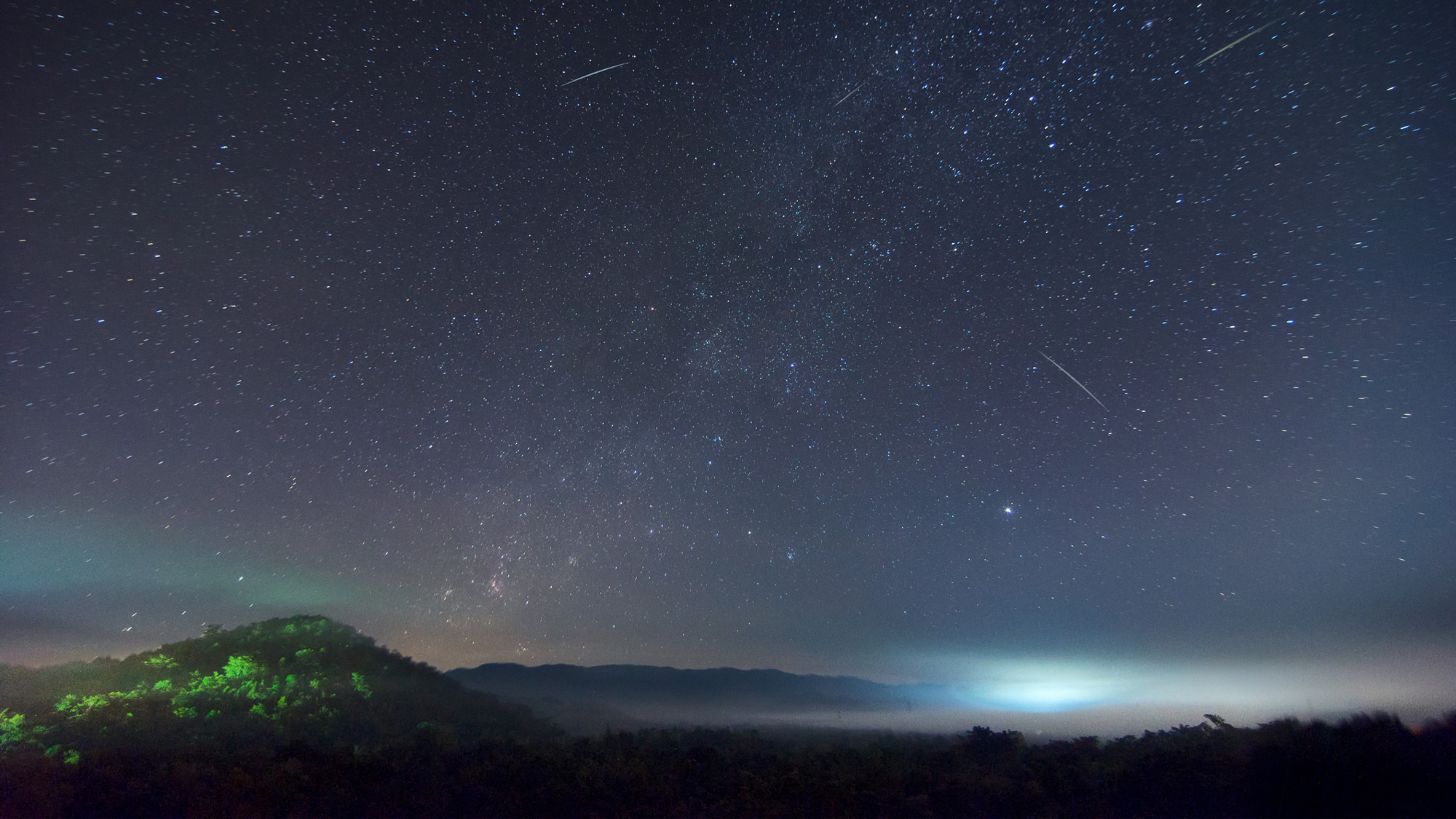
Cassiopeia, easily identified by its distinctive "W" or "M" shape, serves as a gateway to several remarkable deep-sky objects. Among them is the Owl Cluster (NGC 457), situated roughly 8,000 light-years away. Featuring two bright "eye" stars—Phi Cassiopeiae and HD 7902—surrounded by a scatter of approximately 150 member stars, the cluster requires a pair of 15×70 or 20×80 astronomy binoculars for proper resolution. Nearby lies Caroline’s Rose (NGC 7789), an ancient open cluster discovered by astronomer Caroline Herschel in 1783, containing up to 3,000 stars arranged in winding loops reminiscent of rose petals.
Galaxies and Nebulas for Advanced Observers
For observers equipped with telescopes and long-exposure imaging gear, autumn delivers premier access to extragalactic systems and sprawling emission nebulas.
The Andromeda Galaxy (M31), located approximately 2.5 million light-years away, reaches its highest evening elevation between 7:00 PM and 11:00 PM during October and November. As the most distant object easily visible to the unaided eye under dark skies, Andromeda appears as an elongated smudge of light. However, optical instruments and smart telescopes reveal its sweeping dust lanes and satellite galaxies. Current astrophysical research models continue to study the long-term gravitational dynamics between Andromeda and the Milky Way, refining collision timelines previously projected for billions of years in the future.
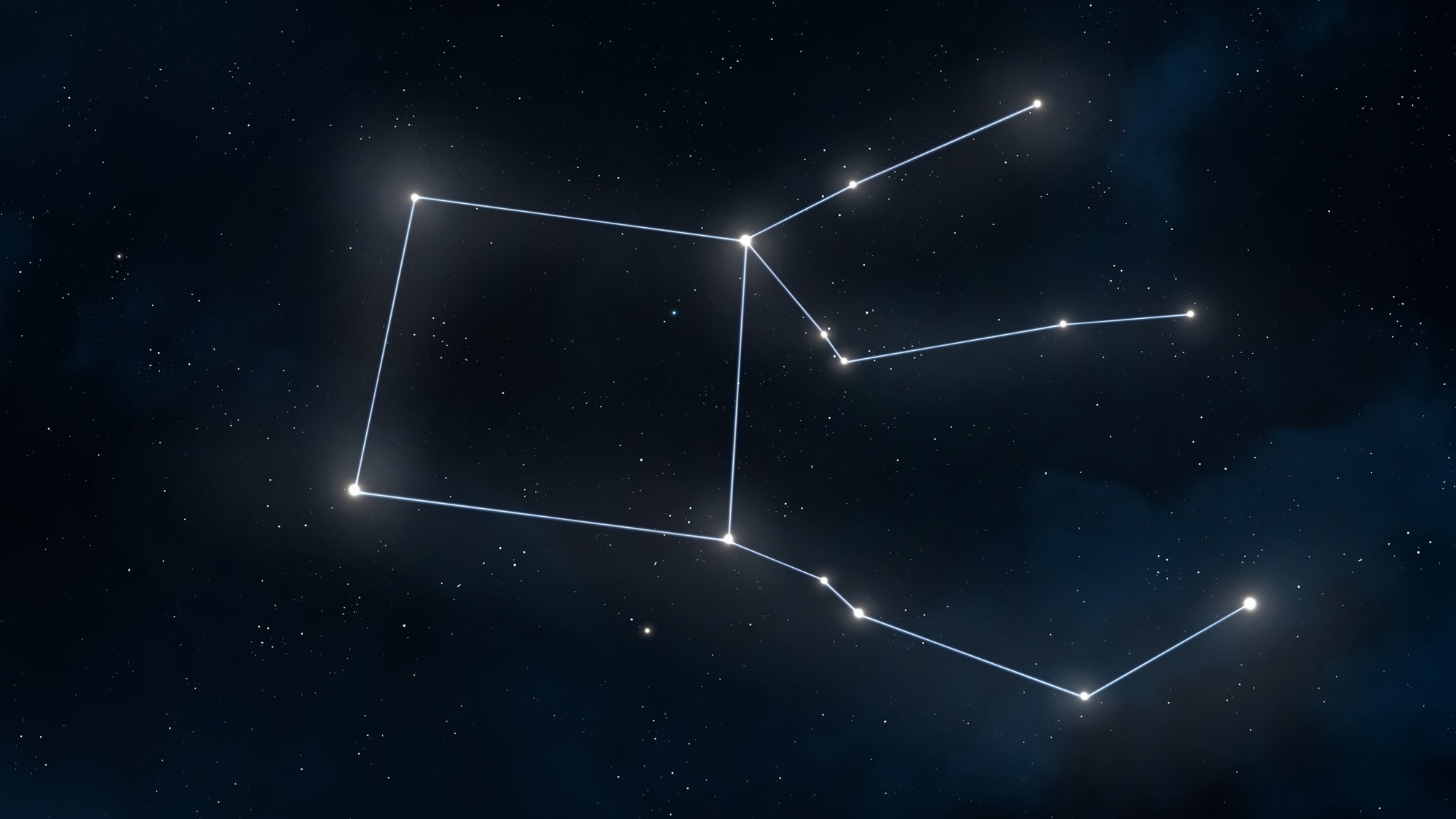
Other notable deep-sky highlights include the Triangulum Galaxy (M33), the third-largest member of our Local Group, and the expansive Heart and Soul Nebula complex (IC 1805 and IC 1848), situated 6,000 to 7,500 light-years away in Cassiopeia. Composed primarily of ionized hydrogen gas shaped by stellar winds, the Heart and Soul nebulas require extended integration times—ranging from 6 to 12 hours of total exposure via astrophotography rigs—to resolve their complex internal structures. Similarly, the Ghost of Cassiopeia (IC 63) presents a formidable challenge for imagers, combining a soft red hydrogen emission glow powered by the nearby blue giant Gamma Cassiopeiae with blue reflection dust.
Implications and Observational Best Practices
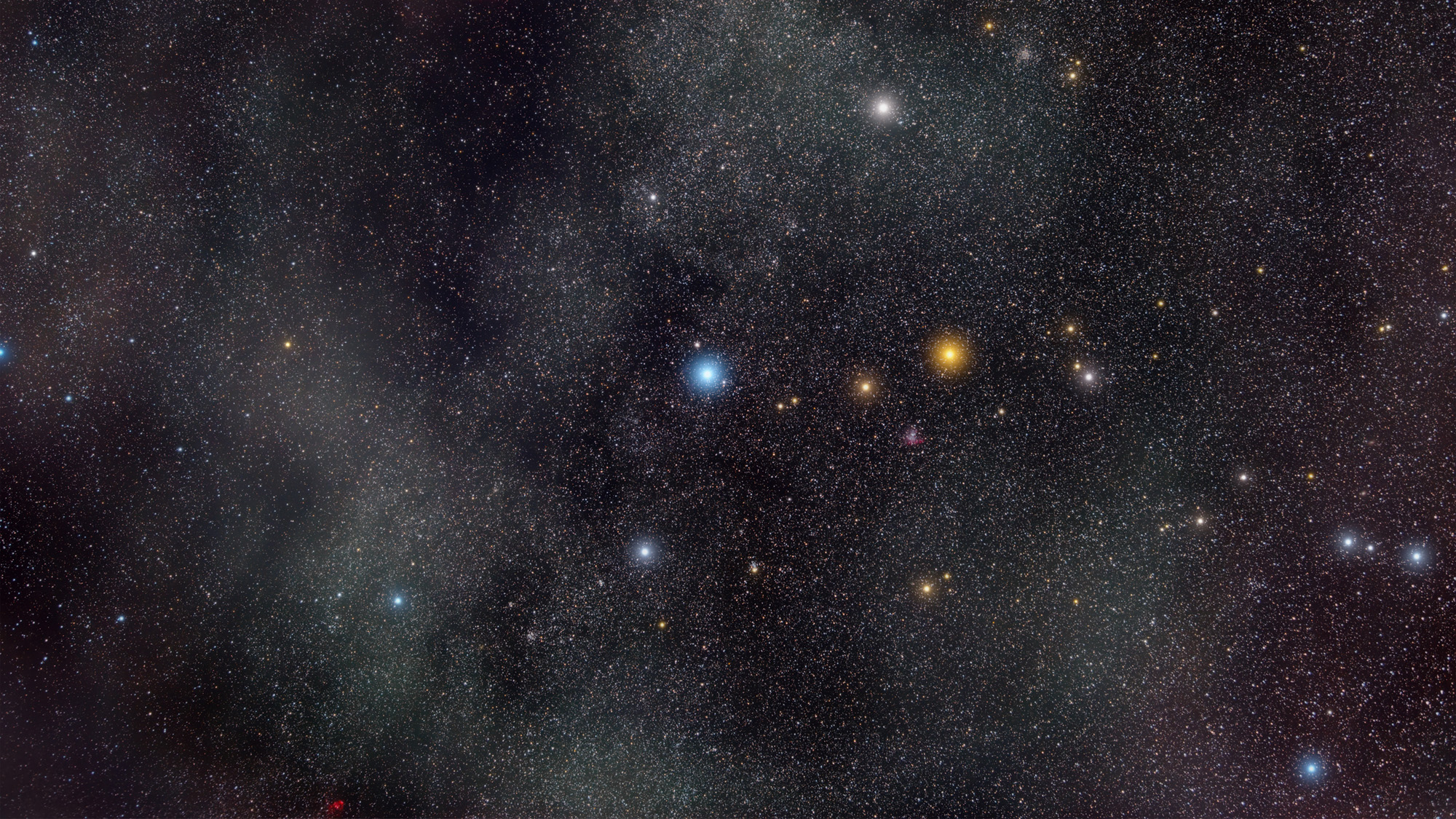
The 2026 autumn observing season underscores the growing accessibility of amateur astronomy. The proliferation of smart telescopes—units equipped with automated stacking, image processing, and alignment software—has lowered the technical barrier to entry, allowing novices to capture professional-grade images of faint nebulae and distant galaxies from suburban backyards.
Astronomical societies emphasize that urban light pollution remains the primary obstacle for backyard observers. To maximize viewing potential during the peak autumn planetary oppositions and meteor showers, practitioners recommend utilizing dark-sky sites, allowing at least 30 minutes for natural night-vision adaptation, and planning observation sessions around lunar phases to eliminate ambient moonlight interference.








Leave a Reply