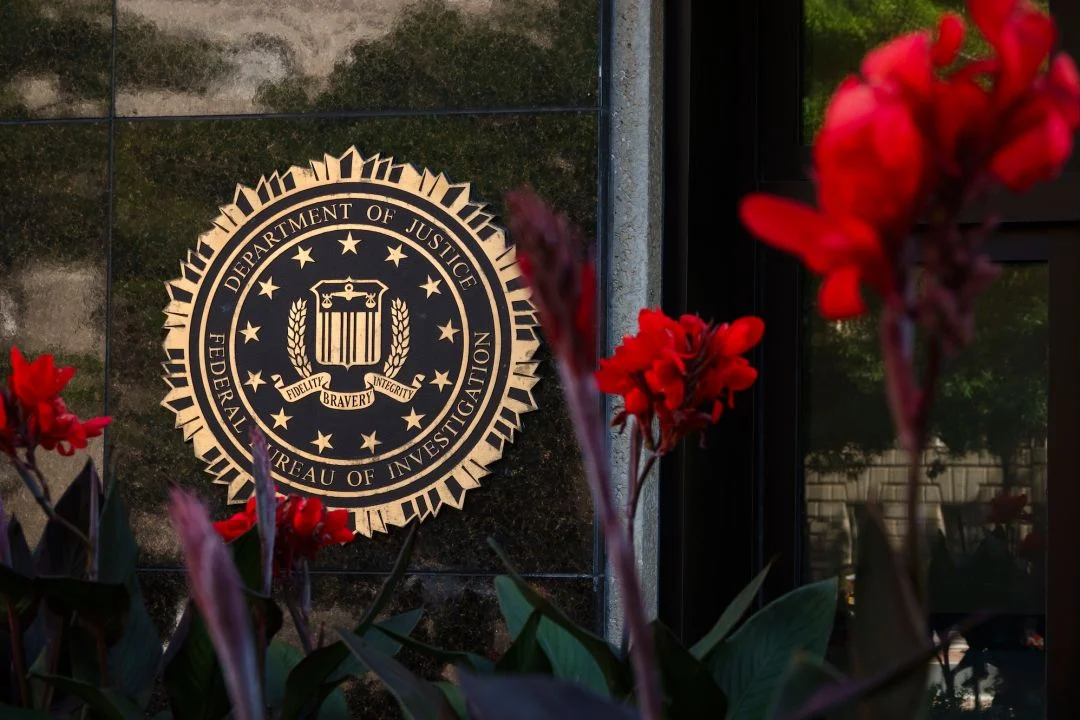
The Federal Bureau of Investigation has launched an urgent, high-priority investigation into a sophisticated cyberattack targeting the National Crime Information Center (NCIC), a critical repository that serves as the backbone for law enforcement data sharing across the United States. Reports emerging late Thursday and confirmed by sources at CNN and the Associated Press indicate that unauthorized actors have breached the security perimeter of this sensitive system, raising immediate alarms regarding the integrity of federal, state, and local criminal records.
The NCIC is widely considered one of the most vital digital assets in the American criminal justice system. It serves as an integrated, real-time database that provides law enforcement officers with immediate access to information on missing persons, stolen property, outstanding warrants, and criminal histories. The implications of an unauthorized intrusion into this system extend far beyond simple data theft; the primary concern among cybersecurity experts and federal officials is the potential for data manipulation. If an attacker possesses the capability to alter, delete, or inject false information into the NCIC, the real-world consequences for officer safety and the integrity of ongoing criminal investigations could be catastrophic.
The Scope and Nature of the Breach
While the FBI has yet to release an exhaustive forensic report regarding the extent of the infiltration, preliminary findings suggest that the breach is significant. Security analysts monitoring the incident have noted that the NCIC’s architecture is complex, involving connections to thousands of law enforcement agencies. Consequently, determining the "blast radius"—the specific data points or individual records compromised—is a process that will likely take weeks, if not months.
A former high-ranking FBI official, speaking on condition of anonymity, underscored the gravity of the situation. "The primary concern is not merely the exfiltration of sensitive information, although that in itself represents a massive failure of cybersecurity protocols," the official stated. "The existential threat lies in the integrity of the data. If a bad actor can modify a warrant status or scrub a criminal history, they effectively render the primary tool of American law enforcement untrustworthy. When an officer pulls over a vehicle on a dark highway, they rely on that terminal for their life. If that trust is compromised, the entire system faces an legitimacy crisis."
Chronology of Recent Federal Cybersecurity Failures
This incident does not occur in a vacuum. It follows a troubling pattern of cybersecurity vulnerabilities within the Department of Justice and the FBI over the past year. The current breach serves as a stark reminder of the persistent targeting of federal infrastructure by foreign and domestic threat actors.
- September 2026: The FBI formally confirmed a massive cybersecurity incident in which the personal data of agents and support staff was exfiltrated. This event was characterized by federal officials as a targeted strike against Bureau personnel, raising questions about internal security procedures.
- October 2026: Cybersecurity researchers noted an uptick in reconnaissance traffic directed at federal portals, suggesting that attackers were mapping the interdependencies of various law enforcement networks.
- November 20, 2026: Initial indicators of unauthorized access were detected within the NCIC framework, triggering an immediate lockdown of specific nodes and the initiation of a comprehensive audit by the FBI’s Cyber Division.
- November 21, 2026: The breach was confirmed via external reporting, and federal authorities began the process of notifying regional partner agencies.
The September breach, which involved the theft of sensitive personnel records, was initially dismissed by some as a routine criminal exploit. However, in light of the November NCIC incident, many experts are now reevaluating those events as a coordinated campaign intended to weaken the operational capabilities of the FBI.
Official Responses and Political Repercussions
The disclosure of the breach has ignited a firestorm in Washington. President Donald Trump addressed the incident during a Saturday interview on Fox News. In his remarks, the President acknowledged the severity of the situation while pivoting toward his administration’s broader narrative regarding federal intelligence agencies.
"We just heard about it and I will say that it’s not good," the President remarked. He further contextualized the event by suggesting that such breaches, while unfortunate, might provide a unique window into the internal workings of the government, referencing past controversies concerning investigations into his administration. "Maybe we’ll learn things that we would have never learned otherwise," he added.

While political discourse continues, the technical response is being managed by the Cybersecurity and Infrastructure Security Agency (CISA) in conjunction with the FBI. Law enforcement agencies across the country have been instructed to exercise "heightened vigilance" when interpreting data retrieved from the NCIC, with many departments implementing manual verification procedures for high-stakes warrants until the database’s integrity can be fully verified.
Technical Implications: The Risk of Data Corruption
The NCIC is not merely a static archive; it is a dynamic, live-environment system. Cybersecurity experts point out that the threat of "data poisoning"—where attackers inject subtle, hard-to-detect errors—is the most dangerous outcome of such a breach.
For instance, an attacker with administrative-level access could theoretically "flag" or "unflag" warrants, effectively shielding individuals from arrest or, conversely, placing innocent civilians at risk of wrongful detention. Because the NCIC is synchronized with state-level databases like the National Law Enforcement Telecommunications System (NLETS), the potential for a localized breach to propagate across the entire national network is a significant technical concern.
"This is the digital equivalent of someone gaining access to the master key of every prison and police station in the country," says Dr. Elena Vance, a cybersecurity consultant specializing in government infrastructure. "The challenge is that you cannot simply ‘restore from a backup’ because you don’t know exactly when the corruption began. You have to audit every single entry made during the window of exposure, which is an immense task given the volume of data processed by the NCIC daily."
Broader Impact on National Security
The breach of the NCIC has raised broader questions about the reliance of federal agencies on legacy systems. Many of the databases used by the federal government rely on codebases that were established decades ago, which are notoriously difficult to harden against modern, AI-driven cyberattack techniques.
Industry analysts suggest that the federal government must accelerate the "zero-trust" architecture transition, a security model that assumes no user or device is trustworthy, regardless of whether they are inside or outside the network perimeter. The fact that an attacker was able to navigate to the NCIC suggests that lateral movement within the FBI’s internal networks was not adequately restricted.
As the investigation progresses, the FBI is expected to face intense scrutiny from Congress. House and Senate committees have already signaled their intent to hold hearings on the matter, focusing on why the Bureau failed to secure its most sensitive criminal database following the warnings presented by the September data theft.
Future Outlook
For the thousands of local police departments that rely on the NCIC to perform their daily duties, the immediate future will be characterized by uncertainty. The Bureau has established a task force to restore the system’s integrity, but until the FBI provides a formal declaration that the database is "clean," law enforcement will be forced to operate with a reduced level of confidence in the information they retrieve.
The incident marks a watershed moment in federal cybersecurity. It serves as a reminder that the digital infrastructure supporting the American legal system is under constant siege. Whether this breach leads to a fundamental overhaul of how the government manages and protects its most sensitive intelligence remains to be seen, but the vulnerability exposed by this attack has undeniably altered the landscape of domestic security for the foreseeable future.