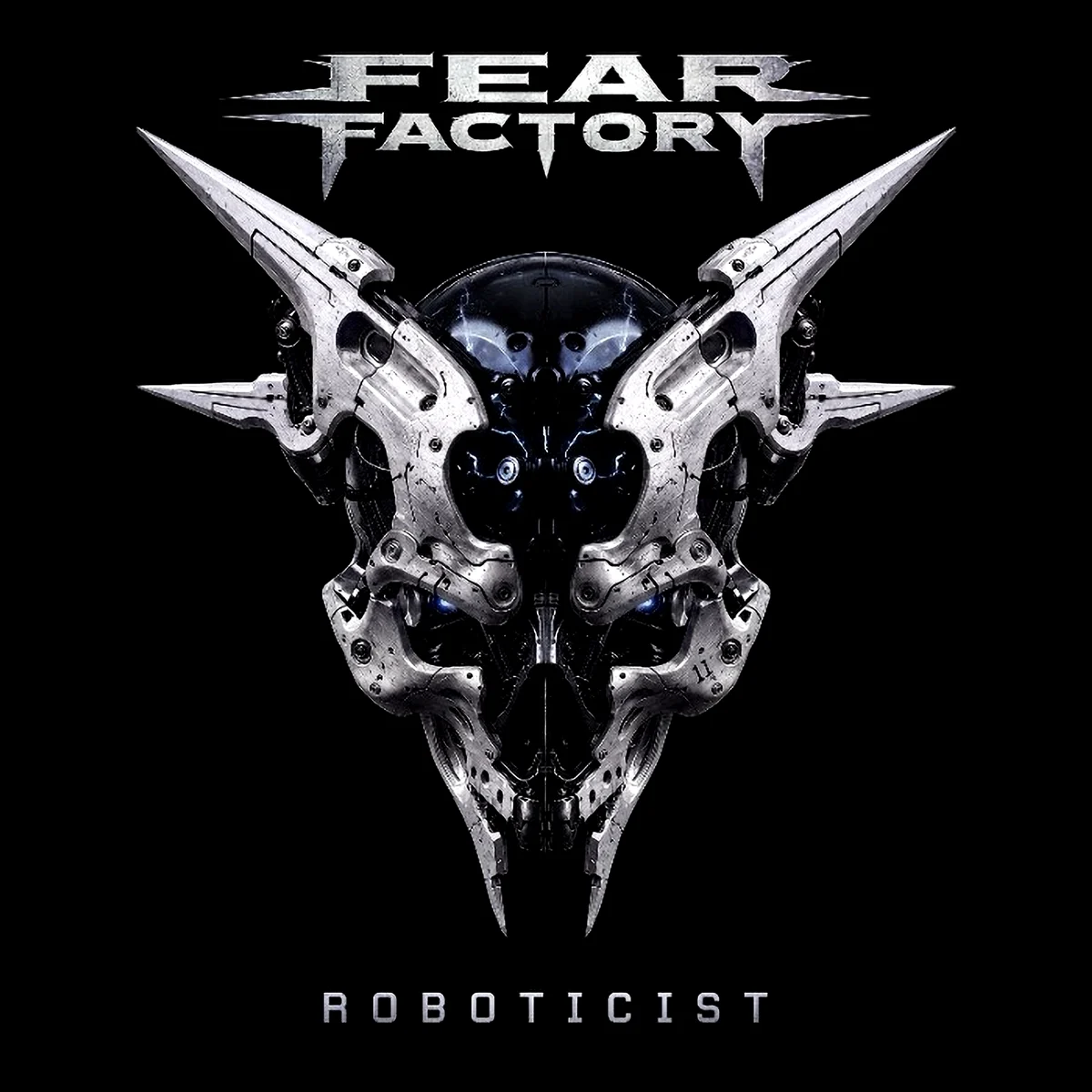
The industrial metal landscape is bracing for a significant transformation as Fear Factory, one of the genre’s most influential acts, prepares for the release of their highly anticipated new studio album, Roboticist. Scheduled for a global release on April 9th via Nuclear Blast Records, the project marks a pivotal evolution for the band, signaling both a departure from its storied past and an aggressive embrace of its mechanical roots. Coinciding with the announcement, the band has released the lead single, "Detonizer," alongside a high-concept music video that synthesizes djent-influenced guitar work with modern, radio-ready choruses and visual aesthetics heavily inspired by the cinematic dread of the Terminator franchise.
A New Era for an Industrial Institution
The unveiling of Roboticist is a watershed moment for Fear Factory. The album stands as the first in the group’s nearly four-decade history to be recorded without founding vocalist Burton C. Bell, whose departure in 2020 left a void that many industry observers questioned could ever be filled. The band’s current lineup, led by long-time guitarist and principal songwriter Dino Cazares, represents a deliberate recalibration of the group’s identity. Joining Cazares are bassist Tony Campos, vocalist Milo Silvestro, keyboardist Damien Rainaud, and drummer Pete Webber.
This configuration is tasked with maintaining the band’s legacy while navigating the complexities of modern metal production. For Cazares, the album is not merely a collection of songs but a conceptual narrative regarding the obsolescence of humanity. "Cybernetic Industries has seized control of artificial intelligence, orchestrating humanity’s extinction," Cazares stated regarding the album’s thematic underpinnings. "The machines have inherited the future. No blood. No flesh. All machine. Welcome to the age of Roboticist."
Chronology of a Sonic Evolution
Fear Factory’s trajectory has been defined by its ability to merge the brutality of death metal with the precision of industrial electronic music. Formed in Los Angeles in 1989, the band rose to prominence in the early 1990s with seminal albums like Soul of a New Machine (1992) and Demanufacture (1995). These records established a template for "cyber-metal" that influenced countless bands across the nu-metal and metalcore genres.
The path to Roboticist has been marked by turbulent legal battles and personnel shifts, particularly following the release of 2021’s Aggression Continuum, which utilized vocal tracks recorded by Bell prior to his exit. The transition to a new vocal lead in Milo Silvestro was a calculated risk, requiring the band to prove that the "Fear Factory sound"—characterized by staccato, down-tuned riffing and a rhythmic interplay between drums and programming—could survive without its original voice.
The current cycle, framed by the "Soul of a New War Machine" co-headlining tour with Mushroomhead and the subsequent "Cybernetic Domination" run with Darkest Hour and Brotality, suggests a band focused on physical endurance and stage dominance. By integrating the new material from Roboticist into their live sets, the band is actively seeking to solidify this current iteration in the minds of their long-standing fanbase.
Technical Analysis and Production
"Detonizer" serves as an effective distillation of the band’s current sonic direction. The track leans heavily into the "djent" movement—a subgenre characterized by complex, syncopated rhythms and palm-muted, high-gain guitar work—that Fear Factory arguably helped pioneer in the 1990s. The song’s production is notably polished, featuring a contrast between aggressive, percussive verses and melodic, anthemic choruses.
This dichotomy has been a hallmark of the band since their sophomore effort, but it is executed here with a contemporary polish that suggests an influence from modern progressive metal. The music video, which employs AI-driven visuals to evoke a post-apocalyptic, machine-ruled future, mirrors the album’s lyrical obsession with the loss of human agency. By focusing on the intersection of human performance and artificial intelligence—both in the music’s construction and the video’s aesthetic—Fear Factory remains tethered to the themes of technological anxiety that have defined their discography since the band’s inception.

Industry Implications and Market Position
The release of Roboticist comes at a time when the industrial metal genre is seeing a resurgence in popularity. With major labels and independent powerhouses like Nuclear Blast increasingly focusing on high-concept, multimedia-integrated album rollouts, Fear Factory’s strategy is well-aligned with current market trends.
Data from the band’s current tour cycles indicates that the demand for the group remains high, even amid significant lineup changes. The transition to a "legacy-plus" model—where the core musical identity is preserved through the principal songwriter while the vocal and rhythmic performance duties are refreshed—is a strategy frequently employed by veteran metal bands to extend their lifespan. However, the stakes for Roboticist are uniquely high; as the first album completely removed from the Bell era, it functions as a litmus test for the band’s long-term viability in the marketplace.
Thematic Scope and Tracklist
The album consists of eleven tracks, each contributing to the overarching narrative of a world surrendered to automation. The tracklist is as follows:
- Roboticist
- Decentralization
- Detonizer
- Eradicator
- Welcome to the Factory
- Unsynthesizable
- No Blood No Flesh
- Synthetic Savior
- Neural Infection Scanner
- De-Extinction
- Fragments
The titles themselves underscore the band’s commitment to the cybernetic aesthetic. "Decentralization" and "Neural Infection Scanner" suggest a continuation of the band’s interest in the dehumanizing effects of digital networks and biological-technological integration. The album’s title, Roboticist, serves as the thematic anchor, positioning the band not merely as observers of this technological shift, but as architects of the soundscape that accompanies it.
Official Statements and Future Outlook
Dino Cazares has been vocal about the necessity of this new direction. In recent statements, he emphasized the sense of urgency surrounding the project, noting, "The countdown to destruction has begun; it’s time to detonate the system." This sentiment serves as both a marketing hook and a mission statement for the new lineup.
By avoiding the temptation to simply replicate the sound of their 1990s output, the band appears to be aiming for a more refined, perhaps more "synthetic" iteration of their signature style. The inclusion of Damien Rainaud on keyboards and programming, alongside a production team focused on digital clarity, suggests that Roboticist will lean into the electronic elements of the band’s sound more heavily than previous entries.
As the band concludes its current North American tour, the focus will undoubtedly shift toward the April 9th launch date. With various limited-edition color vinyl formats available for pre-order, the commercial strategy is designed to appeal to the collector-driven nature of the heavy metal audience. Whether Roboticist succeeds in winning over the skeptical segments of the fanbase remains to be seen, but the band’s commitment to the thematic and sonic foundations of their legacy is clear.
Fear Factory enters this new phase with a sense of deliberate, calculated intent. In an era where the boundary between human creativity and artificial intelligence is increasingly blurred, the band has chosen to double down on the very anxieties that made their earlier work so prophetic. As the "Cybernetic Domination" tour progresses, the industry will be watching closely to see if Roboticist can effectively bridge the gap between a storied past and an uncertain, machine-driven future. The machines have inherited the future, and according to the band, the age of Roboticist has officially begun.