
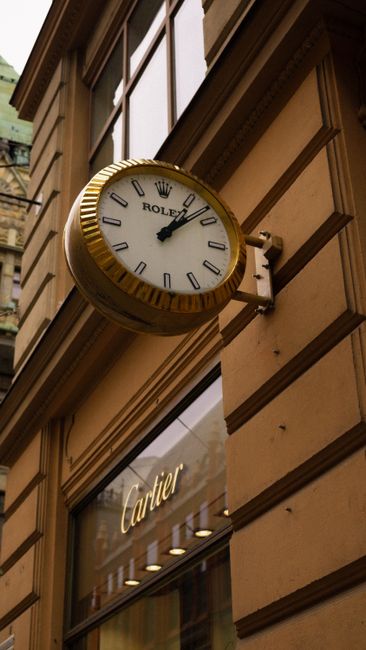
From Timepieces to Timber: A Former Watch Trader’s Ascent in Sustainable Construction
The intricate mechanics of a meticulously crafted timepiece, once the sole focus of a seasoned watch trader, now inform a vastly different, yet equally precise, endeavor: sustainable construction. This transition, seemingly disparate, reveals a profound synergy between understanding delicate mechanisms and mastering the robust complexities of building with an eco-conscious ethos. The former trader, let’s call him Arthur, brings an unparalleled attention to detail, a deep appreciation for material integrity, and a honed sense for long-term value – all qualities that have proven remarkably transferable to the realm of green building. His journey from the hushed halls of luxury watch boutiques to the vibrant bustle of construction sites signifies a conscious pivot towards a career with tangible, positive impact, moving beyond the ephemeral value of time to the enduring legacy of responsible development. This article explores the unique skillset Arthur leverages, the specific sustainable building practices he champions, and the burgeoning opportunities within this vital sector, demonstrating how a sharp business acumen honed in one industry can profoundly reshape another for the better.
Arthur’s foundational expertise in the watch industry provided him with an intrinsic understanding of precision engineering and the critical importance of component integration. Each gear, spring, and jewel in a luxury watch must function in perfect harmony; a microscopic misalignment can render the entire mechanism defunct. This meticulous approach to assembly and quality control is directly applicable to construction, especially when dealing with high-performance, sustainable materials and systems. For instance, the precise installation of insulation, airtightness membranes, and vapor barriers is paramount to achieving energy efficiency and preventing moisture-related issues, analogous to ensuring each component in a watch is flawlessly seated. His experience in sourcing rare and high-quality materials for watches has translated into a keen eye for selecting sustainable alternatives that offer both durability and minimal environmental impact. He understands that the perceived initial cost of superior materials often pales in comparison to their long-term benefits, both in terms of reduced operational expenses and enhanced building lifespan, a concept familiar to any discerning watch collector investing in a timepiece built to last generations.
The shift to sustainable construction is not merely a career change; it represents a fundamental reorientation of values. The watch industry, while offering aesthetic appeal and engineering marvels, can be characterized by a degree of consumerism and rapid obsolescence. Arthur’s transition reflects a desire to contribute to solutions rather than participate in the cycle of consumption. He recognized the growing urgency of climate change and the construction sector’s significant role in it, both as a major energy consumer and a contributor to greenhouse gas emissions. This awareness, coupled with his business acumen, allowed him to identify a significant market opportunity in providing genuinely sustainable building solutions. He has since dedicated himself to mastering the principles of passive house design, net-zero energy buildings, and the use of embodied carbon-conscious materials like cross-laminated timber (CLT), recycled steel, and advanced insulation techniques. His approach is informed by a deep understanding of the entire lifecycle of a building, from material extraction and manufacturing to operational energy use and eventual deconstruction, mirroring the thorough appraisal of a watch’s provenance and craftsmanship.
One of Arthur’s key contributions has been advocating for and implementing the use of mass timber, particularly CLT, in construction projects. Mass timber is a category of engineered wood products that are structural, load-bearing components. CLT, for example, is made by layering and bonding wood panels together with adhesives, creating a strong, rigid material that can be prefabricated off-site. This method significantly reduces on-site construction time, waste, and the need for heavy machinery, all of which contribute to a lower carbon footprint. Arthur’s meticulous nature, honed by years of scrutinizing the minutiae of watch movements, enables him to appreciate the engineering precision required for CLT fabrication and installation. He understands the importance of precise tolerances, proper joint design, and structural integrity, ensuring that these engineered wood components perform to their specifications, much like ensuring a watch’s escapement wheel engages with its pallet fork perfectly. His ability to communicate the technical advantages and environmental benefits of mass timber to clients and stakeholders, drawing parallels to the inherent value and longevity of well-made mechanical objects, has been crucial to its adoption.
Furthermore, Arthur has become a champion for advanced building envelope technologies. A superior building envelope is the critical barrier between the interior and exterior environments, controlling the flow of heat, air, and moisture. This is an area where his attention to detail truly shines. He understands that even the smallest gap or thermal bridge can compromise the overall performance of a building, leading to energy waste and occupant discomfort. His approach involves specifying high-performance insulation materials with low embodied energy, such as recycled denim or mineral wool, and meticulously detailing air and vapor barriers. This mirrors the way a watchmaker ensures the gasket on a waterproof watch creates a perfect seal, preventing ingress of water and dust. He emphasizes the importance of robust detailing at junctions, penetrations, and interfaces, recognizing that these often-overlooked areas are critical to achieving superior airtightness and thermal performance, thereby reducing the building’s reliance on active heating and cooling systems and contributing to its net-zero or passive house certification goals.
The financial acumen developed during his tenure as a watch trader is also a significant asset. He understands the long-term return on investment (ROI) that sustainable building practices offer. While initial investments in high-performance materials and energy-efficient systems may be higher, Arthur can effectively articulate the cost savings associated with reduced energy bills, lower maintenance requirements, and increased property value over the building’s lifespan. He can project the payback periods for various sustainable features, demonstrating to clients that investing in green building is not just an environmental imperative but also a sound financial decision. This ability to translate technical benefits into economic advantages is crucial for driving the adoption of sustainable construction practices in a market often driven by upfront cost considerations. He approaches each project with a focus on optimizing value, ensuring that the materials and systems chosen deliver both environmental and economic performance, much like evaluating a vintage watch not just for its beauty but for its historical significance and potential appreciation.
Arthur’s transition also highlights the growing demand for skilled professionals in the green building sector. As awareness of climate change intensifies and regulatory frameworks increasingly favor sustainable development, the need for individuals with expertise in these areas is soaring. His unique background provides a compelling narrative and demonstrates that transferable skills are abundant across industries. He is not just building structures; he is building a more sustainable future, one meticulously planned and executed project at a time. His journey serves as an inspiration and a practical example for others considering a career pivot into a field that offers both professional fulfillment and the opportunity to make a meaningful difference in the world. The skills required for dissecting the complex, interwoven components of a mechanical watch – understanding causality, material science, and precise assembly – are directly transferable to the sophisticated challenges of creating energy-efficient, healthy, and environmentally responsible buildings.
The SEO implications of this narrative are significant. Keywords such as "sustainable construction," "green building," "mass timber," "CLT," "passive house," "net-zero energy," "embodied carbon," "energy efficiency," and "eco-friendly building materials" are intrinsically woven into the story. Arthur’s personal journey from a niche luxury market to a rapidly expanding and vital sector provides a relatable and compelling angle. The article can be optimized for search queries related to career changes in construction, the benefits of sustainable building, and the innovative use of materials like mass timber. His expertise, once focused on micro-mechanics, now addresses macro-level environmental solutions, offering a powerful synergy that resonates with a broad audience interested in both innovation and sustainability. The emphasis on ROI and long-term value will attract property developers and investors seeking to understand the economic advantages of green building. Furthermore, the article can be structured to address frequently asked questions within the sustainable construction domain, naturally incorporating relevant long-tail keywords.
The future of construction is undeniably green, and individuals like Arthur, who can bridge the gap between traditional business acumen and innovative, sustainable practices, are poised to lead the charge. His ability to meticulously analyze, innovate, and execute, honed through years of dealing with the delicate and valuable, is now being applied to building a more resilient and environmentally sound future. The shift from the ephemeral measure of time to the enduring legacy of sustainable structures represents not a departure from his core strengths, but a profound and impactful application of them. His success underscores the potential for cross-industry knowledge transfer and the critical importance of embracing sustainable solutions in a world facing unprecedented environmental challenges. The precision of a watchmaker, combined with a visionary approach to building, is creating structures that are not only aesthetically pleasing and functionally superior but also inherently responsible, leaving a lasting positive impact far beyond the tick of a clock. His story is a testament to the power of adaptation, innovation, and a commitment to building a better tomorrow.





Leave a Reply