Frontier Airlines flight 3566, an Airbus A321neo operating a scheduled service from Denver to Detroit, was forced to execute an emergency diversion to Chicago O’Hare International Airport on November 11 after a mechanical failure in the forward lavatory caused significant water ingress into the cabin. The situation escalated rapidly when the plumbing system experienced a major breach, leading to an uncontrolled spray of water that threatened to compromise the aircraft’s sensitive avionics and electronic systems.
The Chronology of the Emergency
The flight, identified by its registration N688FR, departed Denver International Airport under routine conditions. Approximately midway through the flight, the crew encountered a catastrophic failure in the forward lavatory’s water supply line. According to audio logs from Air Traffic Control (ATC), the cockpit crew realized the severity of the situation when water began migrating beyond the confines of the lavatory and into the main cabin area.
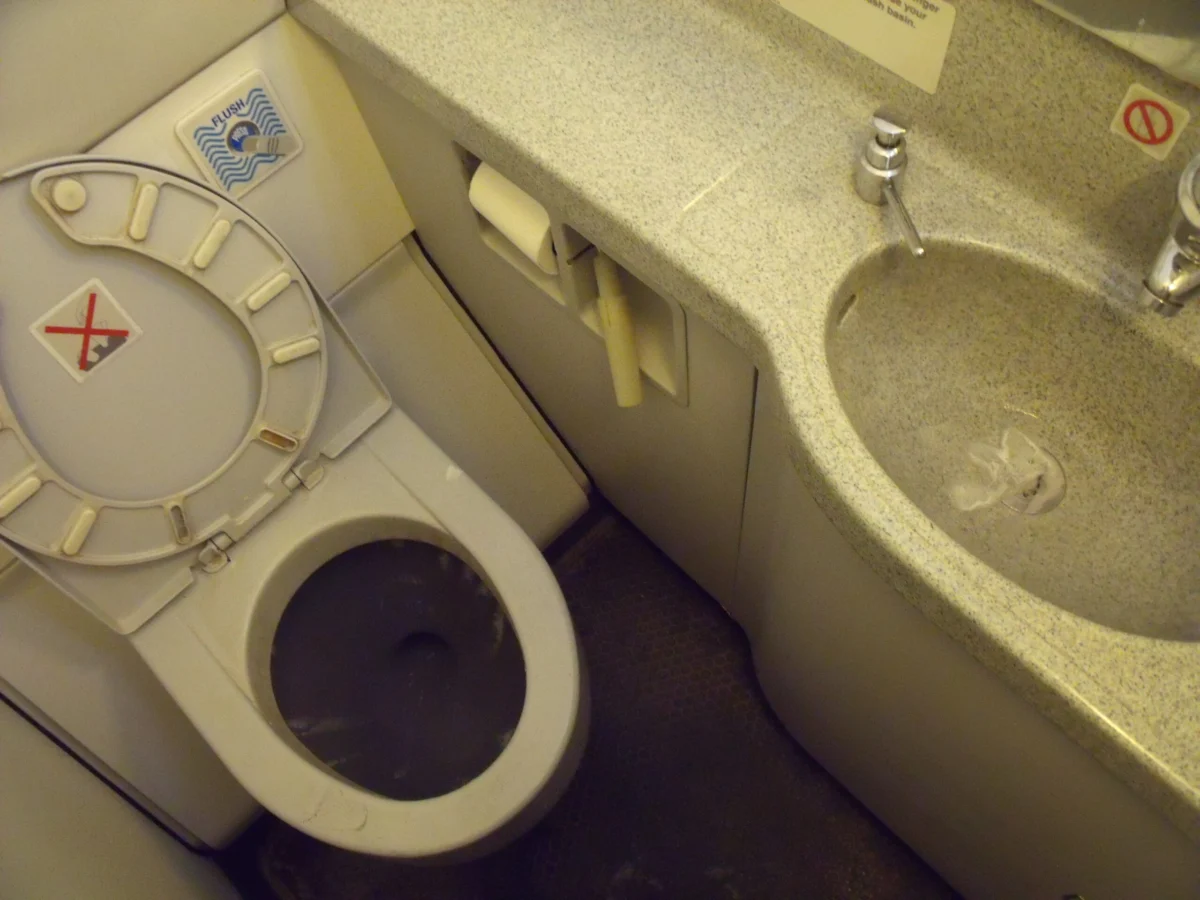
At the height of the incident, the pilot issued a formal “Mayday, Mayday, Mayday” call, the highest level of emergency declaration in aviation, signaling an immediate threat to the aircraft and its passengers. In a communication to air traffic controllers, the pilot stated: “Our forward lav sink has sprung a leak and it’s spraying so much water, it’s flooding the cabin area in the back. We’re worried about electronics. We’d like to divert to Chicago O’Hare.”
The air traffic control response was immediate, prioritizing the distressed aircraft for an emergency descent. The pilot, maintaining a professional demeanor, successfully coordinated the diversion, requesting a descent to 24,000 feet as the crew initiated emergency checklists to mitigate the risks associated with the flooding. The aircraft touched down safely at Chicago O’Hare without further incident, and passengers were deplaned in accordance with standard emergency protocols.
Technical Implications of In-Flight Flooding
While a leaking sink may appear to be a minor nuisance to the average passenger, in the context of commercial aviation, it represents a significant safety hazard. Modern aircraft are sophisticated flying computers; the floor panels beneath the cabin are designed to be durable, but they are not impervious to high-volume water ingress.
The primary concern for the flight crew was the potential for water to permeate the floorboards and reach the avionics bays, cable conduits, and flight control computers located beneath the cabin floor. If water makes contact with these critical electrical systems, it can cause short circuits, leading to the loss of instrumentation, communication capabilities, or even flight control authority.
Furthermore, aviation history provides grim precedents for water-related mechanical failures. The National Transportation Safety Board (NTSB) has previously investigated incidents where leaking water resulted in the freezing of flight control components. In one notable investigation involving a Boeing 767, leaking water accumulated and subsequently froze, restricting the movement of the aircraft’s ailerons. Such a scenario creates a direct threat to the pilot’s ability to maneuver the aircraft, demonstrating why the flight crew of flight 3566 was correct to treat the situation as a life-critical emergency.
Contextualizing Aviation Plumbing Failures
This incident is not an isolated occurrence within the industry. Cabin flooding events, while rare, occur across various carriers and aircraft types. Earlier this year, a Delta Air Lines flight experienced a similar, albeit less severe, incident where passengers were instructed to hold their luggage on their laps as water spread across the cabin floor during the approach to San Francisco.
Similarly, an Alaska Airlines flight from Honolulu to Anchorage was forced to return to its origin after a sink overflow resulted in two to four inches of standing water in the aisle. In that instance, flight attendants attempted to contain the water using paper towels, a testament to the limited resources available to cabin crew when faced with unexpected plumbing infrastructure failures.
These events highlight the challenges of maintaining aging or complex plumbing systems in high-density aircraft environments. The Airbus A321neo, a modern and fuel-efficient aircraft, utilizes advanced systems for water management. When these systems fail due to seal degradation, valve malfunctions, or pressurized pipe bursts, the speed at which water can accumulate is often startling.
Operational and Safety Analysis
From an operational standpoint, the Frontier Airlines flight crew performed exactly as required by their training. By declaring a Mayday, the crew secured priority handling from ATC, ensuring that no other traffic would delay their path to the runway at O’Hare. The decision to divert rather than continue to Detroit—a longer flight path—was the correct risk-mitigation strategy, given the “worry about electronics” expressed by the captain.
The aircraft involved, N688FR, is a relatively young Airbus A321neo. The investigation into the specific cause of the leak will likely focus on the plumbing integrity of the forward lavatory module. Aircraft lavatory modules are often modular “plug-and-play” units installed by third-party manufacturers. If a joint, gasket, or flexible hose within that module fails, the resulting spray can be surprisingly high-pressure due to the water system’s pump configuration.
Industry Response and Future Safeguards
Frontier Airlines has not released a granular technical report on the specific component that failed, but the incident will undoubtedly trigger a review of maintenance logs for the N688FR airframe. Maintenance crews will be tasked with identifying the point of origin for the leak and determining whether the failure was a result of a defective part, a maintenance oversight, or an unforeseen stress on the system.
Aviation safety experts suggest that such incidents reinforce the importance of rigorous, scheduled inspections of plumbing components that are often hidden from view. While passengers may find humor in the nature of a “lavatory leak,” the aviation industry views these events as critical mechanical failures. The fact that the aircraft landed safely is a testament to the robust nature of modern avionics protection, but it also serves as a reminder that even the most mundane systems on an aircraft must be treated with the highest degree of vigilance.
Implications for Passengers and Cabin Safety
Beyond the mechanical analysis, this incident serves as a poignant reminder for passengers regarding cabin hygiene and safety. The recurring nature of cabin flooding incidents—often involving gray water from sinks—highlights why aviation professionals consistently advise passengers to remain in their footwear while aboard an aircraft. Standing water on an aircraft floor, while usually originating from the potable water system, can quickly become a sanitation hazard when it migrates through the aisles.
Furthermore, the calm execution of the emergency procedures by the crew of flight 3566 underscores the importance of passenger cooperation during an emergency. When a crew issues instructions during a diversion—whether it is to secure loose items or move to a specific section of the cabin—it is rarely about comfort and almost always about weight distribution, electrical safety, or preparing for a potential evacuation.
As the industry moves toward more sophisticated, connected aircraft, the integration of real-time monitoring for systems like plumbing and water management may become more common. Early warning sensors that can detect moisture in areas where it should not be present could allow crews to shut off water supplies before a full-scale flood occurs, potentially preventing the need for emergency diversions.
In conclusion, while the Frontier Airlines flight 3566 incident ended without injury, it remains a significant case study in the intersection of routine mechanical wear and the high-stakes environment of commercial aviation. The flight crew’s decisive action, combined with the safety protocols in place at major hubs like Chicago O’Hare, ensured that a potentially dangerous technical malfunction was managed with the gravity and expertise the situation demanded. The focus now shifts to the technical investigation, which will provide the necessary data to prevent similar occurrences in the future, maintaining the high safety standards that define contemporary air travel.